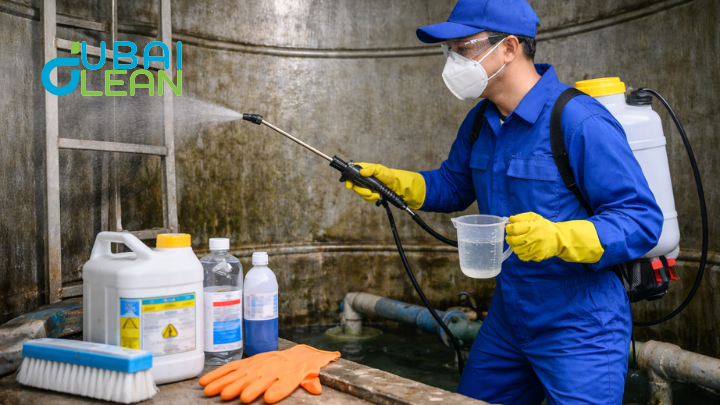



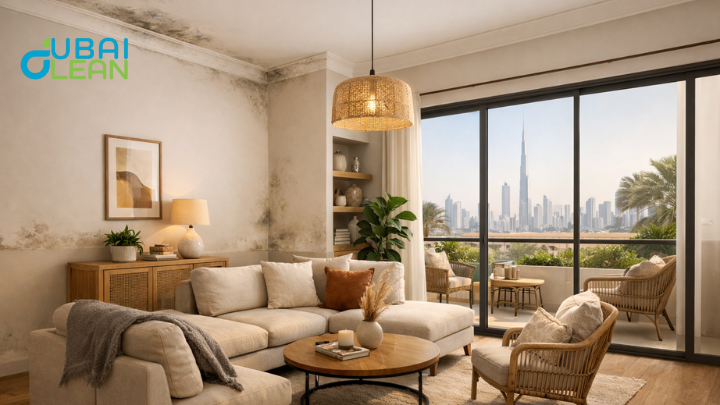
Mold in Dubai homes is more than just an eyesore high humidity and water leaks create ideal conditions for fungal growth, which can harm indoor air quality, damage walls and furniture, and cause health issues like allergies and respiratory problems. Addressing mold early protects your family’s health and preserves property value, while professional mold remediation by Dubai experts ensures safe removal, complete spore elimination, and long-term prevention. Mold growth in houses is a common issue in Dubai, but professional remediation can protect your home and health.
1. Understanding Mold: What It Is and Why It Matters
Mold is a type of fungal growth that thrives in damp and poorly ventilated environments. In homes, it often appears as black, green, or white patches on walls, ceilings, carpets, or even behind furniture. While it may seem like a minor cosmetic issue, mold is much more than an unsightly stain it can directly affect your family’s health and your property’s structural integrity, making mold cleaning and remediation services essential.
Health Risks of Mold
Mold in homes can affect more than just surfaces it can impact your family’s health, triggering allergies, respiratory problems, and other long-term issues. Understanding these risks is essential for keeping your home safe and healthy. Exposure to house mold in Dubai can lead to a variety of health problems, particularly in humid climates where spores spread easily. Common effects include:
- Allergic Reactions: Mold exposure can cause sneezing, itchy eyes, coughing, skin irritation, and worsen asthma, especially in children, the elderly, or those with weak immunity.
- Respiratory Issues: Mold exposure can trigger coughing, wheezing, shortness of breath, and asthma flare-ups, affecting both children and adults.
- Long-term exposure effects: in severe cases, prolonged exposure can contribute to chronic respiratory problems or infections, especially in children, the elderly, and individuals with weakened immune systems.
By understanding these risks, homeowners can appreciate why mold remediation is not just cosmetic it’s a critical health measure.
Property Risks of Mold
Mold can silently damage your home, affecting walls, ceilings, carpets, and furniture. It can cause peeling paint, warped surfaces, musty odors, and structural weakening over time. Left untreated, these issues can lead to costly repairs and decreased property value, making early detection and professional remediation essential for protecting your Dubai home. Mold doesn’t only threaten health it can silently damage your property:
- Walls and ceilings: moisture weakens paint and drywall, causing peeling or crumbling.
- Carpets and furniture: fabric and padding absorb moisture, promoting mold growth and unpleasant odors.
- Structural damage: prolonged infestations can compromise wood, insulation, and other building materials, leading to costly repairs.
Visual aids, like a diagram showing how mold spores spread in a home, can help homeowners quickly identify high-risk areas and understand the importance of early intervention.
By addressing mold early, Dubai residents can protect both their health and their investment, making professional remediation a smart and responsible choice.
2. Why Mold Grows in Houses in Dubai
Mold grows in Dubai homes mainly due to high humidity, heat, and water leaks, which create damp conditions ideal for fungal growth. Poor ventilation in bathrooms, kitchens, and storage areas, along with moisture in walls, ceilings, or carpets, makes mold more likely to appear. Everyday factors like indoor plants or overwatering can also contribute, highlighting the importance of prevention and early action.
Humidity and Mold Growth in Dubai Homes
Dubai’s coastal areas experience high humidity and warm temperatures, creating ideal conditions for mold spores to thrive. Even homes with air conditioning can develop condensation on walls, ceilings, and windows, which feeds mold growth if not properly ventilated. Bathrooms, kitchens, and laundry areas are particularly vulnerable due to trapped moisture.
How Plumbing Issues Lead to Mold: Hidden leaks from burst pipes, faulty plumbing, or AC system drips are a common source of mold in Dubai homes. Water can seep into walls, ceilings, and floors, creating damp pockets that are perfect for fungal growth. Improper insulation or poorly sealed water tanks further exacerbates the problem.
Poor Ventilation: Enclosed or poorly ventilated spaces trap moisture, allowing mold to develop. Areas such as wardrobes, storage rooms, and bathrooms can become breeding grounds for spores if air circulation is insufficient. Even small gaps in ventilation can lead to persistent dampness over time.
Construction Materials and Their Role: Certain building materials are more susceptible to mold. Gypsum boards, carpets, and wooden surfaces absorb moisture, increasing the risk of infestation. In Dubai’s climate, materials exposed to humidity without proper treatment can deteriorate faster, providing mold with the nutrients it needs to grow.
By recognizing these causes, Dubai homeowners can take preventive steps early, such as fixing leaks, improving ventilation, and choosing mold-resistant materials, reducing the need for costly professional remediation.
3. Identifying Mold Early
Catching mold early is critical for protecting your family’s health and avoiding costly property damage. Dubai homeowners can often spot the first signs of mold without needing professional tools, as long as they know what to look for.
Signs to Watch For
- Musty Smell: One of the earliest indicators of mold is a persistent, damp, or musty odor in rooms, closets, or storage areas. Even if mold isn’t visible, the smell often signals hidden growth.
- Discoloration or Black/Green Spots: Mold commonly appears as black, green, brown, or white patches on walls, ceilings, around windows, or behind furniture.
- Peeling Paint or Wallpaper: Moisture caused by mold can weaken paint and wallpaper adhesives, leading to bubbling, warping, or peeling.
- Health Symptoms: If family members experience coughing, sneezing, itchy eyes, or unexplained allergies, mold could be the hidden culprit. These symptoms are particularly important for children, elderly residents, and anyone with respiratory conditions.
Home Inspection Tips for Dubai Residents
- Visual Check: Look for damp areas, water stains, or dark patches in corners, behind furniture, and near AC units.
- Smell Test: Pay attention to persistent musty odors in bathrooms, kitchens, or wardrobes.
- Moisture Assessment: Feel walls and ceilings for dampness. Areas near water pipes, AC ducts, or balconies are often prone to moisture buildup.
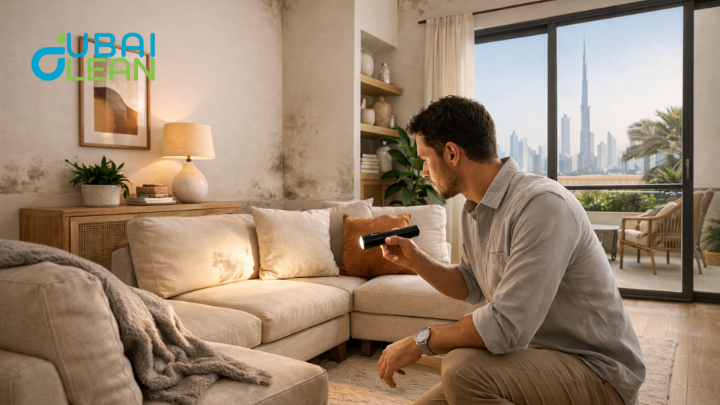
- Simple Tools: Use a flashlight to inspect dark corners, and consider a moisture meter for walls if available.
4. Why Professional Mold Remediation is Crucial in Dubai
While DIY mold removal might seem like a quick fix, it often fails to fully eliminate the problem and can even make it worse. Mold spores are microscopic and spread easily; incomplete removal can allow them to recolonize, creating persistent infestations that are harder and more expensive to treat later. Additionally, some household cleaning chemicals can release harmful fumes or worsen mold-related health risks if used incorrectly.
Legal and Insurance Considerations
In Dubai, certain building codes and insurance policies require professional mold remediation for significant infestations. Attempting to handle large-scale mold issues without certified experts can lead to non-compliance with regulations, reduced insurance coverage, and potential liability if the problem affects tenants or neighbors.
Dubai Climate and the Need for Expert Handling
Dubai’s warm and humid climate makes mold removal particularly challenging. Professional experts not only remove visible mold but also control humidity levels, improve ventilation, and treat hidden moisture pockets that homeowners might miss. This ensures mold does not return after treatment.
Protecting Health and Property Investments
Mold remediation is not just about aesthetics it’s about safeguarding your family’s health and protecting valuable property investments. Homes with unresolved mold issues can suffer structural damage, decreased resale value, and long-term health consequences for residents. By relying on certified Dubai experts, homeowners can ensure safe, effective, and long-lasting remediation.
5. How Dubai Experts Handle Mold Remediation
Professional mold remediation in Dubai is a structured, multi-step process designed to fully eliminate mold while protecting your home, health, and investment. Certified experts follow industry-standard methods to ensure safe and effective results.
Step 1: Inspection & Assessment: Experts start by thoroughly assessing the property to locate both visible and hidden mold. This process includes using specialized tools to detect moisture, testing surfaces on walls, ceilings, and floors, and identifying infestations behind cabinets, drywall, or AC ducts. A precise assessment ensures that the remediation plan targets the root cause of mold growth, not just the surface, for effective and long-lasting results.
Step 2: Containment: Before mold removal begins, experts carefully contain the affected areas to prevent spores from spreading to other parts of the home. This involves installing physical barriers, using negative air machines or HEPA filters to isolate spores, and minimizing contamination throughout the cleanup process for safe and effective remediation.
Step 3: Mold Removal & Cleaning: Once the area is contained, experts safely remove mold using industry-approved methods, including HEPA vacuuming to capture spores, environmentally-friendly chemical treatments, and applying anti-fungal coatings to prevent regrowth.
Step 4: Moisture Control & Prevention: Preventing future mold infestations is just as important as removal. Dubai experts control moisture by adjusting AC systems, improving ventilation, repairing plumbing or roof leaks, and treating damp areas with moisture-resistant materials, ensuring mold does not return.
Step 5: Post-Remediation Verification: After remediation, experts perform final checks to ensure the home is completely mold-free, including air quality testing to detect remaining spores, follow-up inspections to confirm moisture sources are controlled, and recommendations for ongoing maintenance and monitoring to prevent future infestations.
By following these steps, Dubai homeowners can protect their health, maintain property value, and prevent mold from returning.
7. Preventing Future Mold Growth
Once mold has been safely removed, preventing its return is crucial for protecting your family’s health and maintaining your property value. Dubai’s warm and humid climate makes proactive measures especially important.
Regular AC and Duct Maintenance: Air conditioning systems are a major source of indoor moisture if not properly maintained. Schedule routine cleaning of AC ducts, filters, and vents to prevent condensation buildup and reduce the risk of mold spreading throughout your home.
Proper Ventilation in Bathrooms and Kitchens: Bathrooms, kitchens, and laundry areas are particularly prone to dampness. Use exhaust fans, open windows, or dehumidifiers to maintain airflow and reduce humidity levels. Adequate ventilation is one of the most effective ways to prevent mold growth.
Waterproofing Walls and Roofs: Applying waterproof coatings to walls, ceilings, and roofs protects building materials from absorbing moisture. This step is especially important in areas prone to water leaks or high humidity.
Using Moisture-Absorbing Solutions: Place desiccants, silica gel packs, or portable dehumidifiers in enclosed areas such as wardrobes, storage rooms, and cupboards. These solutions help maintain low humidity levels and inhibit mold development.
By following these preventive measures, Dubai homeowners can minimize the risk of recurring mold, safeguard indoor air quality, and avoid costly repairs in the future. Long-term vigilance ensures a healthy living environment and protects the value of your property.
Conclusion
Untreated mold in Dubai homes can pose serious health risks, damage property, and reduce your home’s value. By relying on professional mold remediation, homeowners can ensure effective removal, prevent recurrence, and maintain a safe, healthy living environment. Combining expert intervention with preventive measures like proper ventilation, regular AC maintenance, and moisture control keeps your home protected for the long term. Understanding why mold grows in Dubai houses and acting promptly with expert remediation ensures a safe and healthy home environment.