


Why Is My Wall Paint Flaking – Expert Tips for Dubai Homeowners

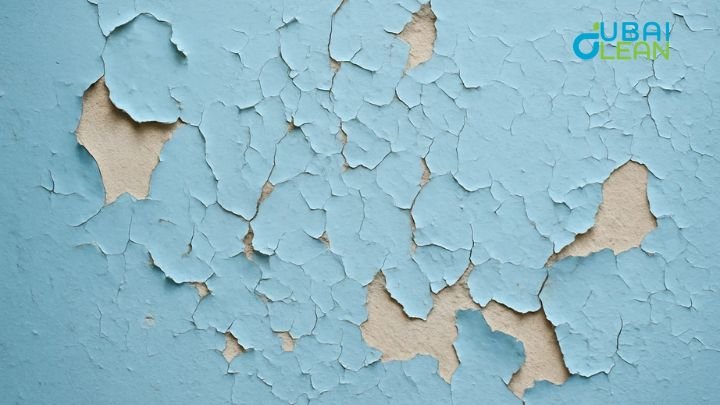
Wall Paint Flaking

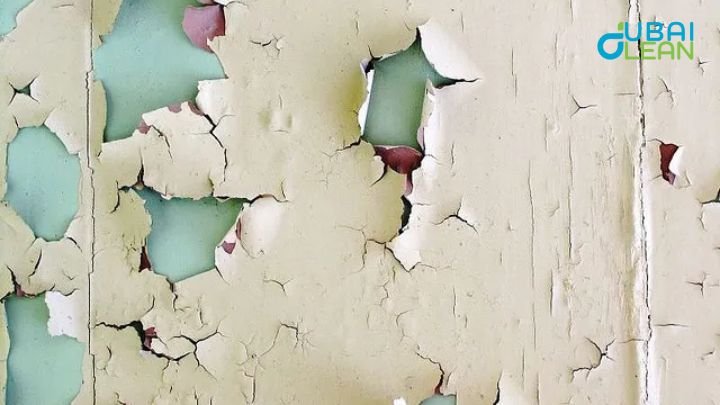
Flaking paint is one of the most frustrating problems homeowners face in Dubai, especially with the city’s hot, humid climate and occasional heavy rains. If you’ve ever walked into your living room or bedroom only to notice pieces of paint peeling off your walls, you’ve probably asked yourself: “Why is my wall paint flaking?”In this guide, we’ll explore the main causes of flaking paint, how to fix it, and expert tips to prevent it in the future. Whether you live in a villa in Jumeirah or an apartment in Downtown Dubai, understanding the root cause of paint failure can save you time, money, and stress.

1. Common Causes of Wall Paint Flaking

Flaking paint is usually a sign that something is off with your wall surface or the painting process. Understanding the main causes helps Dubai homeowners prevent damage and maintain beautiful, long-lasting walls.

Poor Surface Preparation: One of the most frequent reasons paint starts flaking is improper surface preparation. If the walls are dusty, greasy, or have remnants of old paint, the new paint will not adhere correctly. Even small particles left on the wall can prevent the paint from bonding to the surface, causing peeling over time. In Dubai’s dusty environment, this becomes even more critical, as external dust can settle on walls during the painting process.

Moisture and Humidity: Moisture is another major culprit behind flaking paint. In areas like bathrooms, kitchens, or walls exposed to leaks, water can seep behind the paint, weakening its adhesion. Dubai’s occasional heavy rains, combined with high humidity, can also cause condensation on walls, particularly in poorly ventilated rooms. Over time, this moisture leads to bubbling and flaking, which can affect both aesthetics and the underlying plaster if left untreated.

Low-Quality or Incompatible Paint: Even if the wall is perfectly prepared, using low-quality or incompatible paint can lead to peeling and flaking. Cheap paints often lack the bonding strength and durability needed for long-term use. Additionally, mixing oil-based and water-based paints without proper priming can cause the layers to separate.

2. Why Is My New Paint Flaking?

Even freshly painted walls can sometimes start flaking, leaving homeowners frustrated. Understanding the reasons behind this problem can help Dubai residents take the right steps to fix it and prevent future peeling.

Inadequate Priming or Surface Preparation

One of the most common reasons new paint flakes is poor surface preparation or skipping the primer. Primer is designed to create a strong bond between the wall and the paint. Without it, even high-quality paint struggles to adhere, especially on newly plastered walls, repaired surfaces, or walls previously painted with a different type of paint.

In Dubai, where dust and humidity are constant, walls need to be thoroughly cleaned, dried, and primed before painting. Failing to do so can cause the paint layer to lift, crack, or peel, making even new paint look old and damaged within weeks.

Extreme Humidity and Temperature During Painting

Dubai’s climate, with its high heat and occasional humidity, can significantly affect the drying and curing of paint. Applying paint during peak summer or when the indoor humidity is high can cause the top layer to dry faster than the underlying layer. This uneven drying creates weak spots, which eventually lead to bubbling, cracking, and flaking.

Even in air-conditioned homes, condensation or poorly ventilated rooms can trap moisture behind the paint, reducing adhesion and causing early peeling. Timing your painting project and controlling indoor conditions are crucial steps to ensure a smooth and durable finish.

Using the Wrong Type or Low-Quality Paint

Not all paints are suitable for every surface or environment, and using the wrong type can lead to flaking. For example, interior paints applied in high-moisture areas like bathrooms or kitchens without a waterproof formulation often peel quickly. Similarly, mixing oil-based and water-based paints without proper priming can create incompatibility between layers.

Low-quality paints may also lack binding agents or pigments strong enough to withstand environmental stress. Choosing premium, climate-appropriate paints designed for Dubai conditions ensures better adhesion, durability, and long-lasting color, preventing your freshly painted walls from flaking prematurely.

3. How to Fix Flaking Paint on Walls

Fixing flaking paint is easier when you understand the correct steps and use the right materials. Whether the damage is small or widespread, following a proper repair process ensures your walls look smooth, fresh, and long-lasting.

  • Scrape Off All Loose Paint: Use a scraper or putty knife to remove every piece of peeling or unstable paint until the surface is smooth and solid.
  • Repair and Smooth the Surface: Fill cracks or holes with wall filler, then sand the area lightly to create an even, paint-ready finish.
  • Apply a High-Quality Primer: A primer improves adhesion and prevents future peeling, especially on newly plastered or moisture-affected walls.
  • Repaint with Suitable Paint: Choose high-quality paint designed for the room type such as moisture-resistant paint for bathrooms and kitchens—and apply thin, even coats.
  • Address Any Moisture Issues: Fix leaks, improve ventilation, or use waterproof coatings if moisture was the cause of the flaking.

4. How to Fix Flaking Paint

Fixing flaking paint becomes much easier when you follow a proper step-by-step process. Before repainting, it’s important to prepare the surface correctly so the new paint sticks well and lasts longer, especially in Dubai’s humid climate.

StepWhat to DoWhy It Matters
1. Remove Loose PaintScrape off all peeling or unstable paint using a scraper or putty knife.Ensures the new paint adheres to a clean and solid surface.
2. Smooth and Repair SurfaceFill cracks with putty, then sand the area until completely smooth.Creates an even base and prevents future cracking or peeling.
3. Apply PrimerUse a high-quality primer suited for your wall and room type.Strengthens adhesion and stops moisture from penetrating the paint layer.
4. Repaint ProperlyApply thin, even coats of high-quality, climate-appropriate paint.Helps the paint bond smoothly and last longer without flaking.
5. Fix Moisture IssuesRepair leaks, improve ventilation, or use waterproof coatings.Prevents humidity from weakening the paint and causing peeling again.

Wall Paint Flaking

5. Tips to Prevent Wall Paint from Flaking

Preventing wall paint from flaking starts with choosing the right materials and following the proper application process. With Dubai’s humidity, dust, and temperature changes, taking a few smart precautions can help your walls stay smooth, clean, and long-lasting.

Prepare the Wall Surface Properly: A well-prepared surface is the foundation of long-lasting paint. Cleaning the wall to remove dust, grease, or old loose paint ensures stronger adhesion. Sanding rough areas and repairing cracks with filler creates a smooth base that prevents future peeling. When the wall is completely clean and even, the paint bonds more effectively, reducing the chances of flaking over time.

Use High-Quality Paint and Primer: Choosing the right type of paint is essential in a climate like Dubai’s. High-quality, moisture-resistant paints perform better in areas like kitchens, bathrooms, and exterior walls. Pairing them with a suitable primer strengthens adhesion and protects the wall from humidity and internal moisture. The combination of a good primer and premium paint provides a durable finish that can withstand temperature changes and humidity.

Control Moisture and Improve Ventilation: Moisture is one of the biggest reasons paint starts peeling, so controlling it is crucial. Ensuring proper ventilation in bathrooms, kitchens, and laundry rooms helps reduce humidity that can weaken the paint layer. Repairing leaks, sealing windows, and installing exhaust fans also prevent moisture from getting trapped behind the paint. When moisture levels are controlled, your paint stays strong, smooth, and resistant to flaking.

Conclusion

Flaking paint may seem like a small issue, but it often points to deeper problems like moisture, poor preparation, or low-quality materials. Whether your wall paint is old or your new paint is already flaking, the key is understanding the cause before applying a fix. By scraping off loose paint, preparing the surface properly, using a good primer, and choosing high-quality paint, you can restore your walls and prevent future peeling. With the right steps and a little care, your paint will stay smooth, clean, and long-lasting keeping your home looking fresh and well-maintained.


faqs

Share with your friends

John Fletcher

Property Aesthetics Editor & Coating Analyst
John Fletcher is a senior editorial specialist at DubaiClean, focusing on the intersection of structural protection and aesthetic design. With 17 years in the painting industry, he authors technical guides on interior/exterior finishes and wall durability. John’s work helps property owners make informed decisions about long-term maintenance. Follow his professional advice to elevate and protect your property’s visual value.
Picture of Dubai Clean

Dubai Clean

As a full-service cleaning company in Dubai, we are also offering specialized services for particular occasions. We offer post construction clean-up for newly established or renovated buildings.

Recent Posts

demolition services in dubai
Dubai Demolition Services

Demolition Services: Safe & Professional Building Demolition Guide

Demolition services in Dubai are essential for safely dismantling residential, commercial, and industrial structures. Hiring ...
Read More →
cleaning at home without equipment
Dubai Sofa Deep Cleaning

Professional Tips for Cleaning Your Sofa at Home Without Equipment

Many Dubai households prefer manual sofa cleaning because apartment living often comes with noise restrictions, ...
Read More →
how to remove stubborn grime from chandeliers
DCS Cleaning Services

How to Remove Stubborn Grime from Chandeliers Safely in Dubai Homes

Removing stubborn grime from chandeliers in Dubai requires careful attention to both safety and fixture ...
Read More →
Pest-Related Itchy Skin Reactions - Causes, Symptoms & Care in Dubai Living in Dubai means enjoying a warm climate, modern homes, and an active lifestyle but it also means dealing with pests that thrive in heat and humidity. From bed bugs in apartments to mosquitoes near standing water, pest-related itchy skin reactions are a common yet frustrating problem for residents. That sudden itch, redness, or swelling on your skin is not just uncomfortable, it can signal an underlying pest infestation that needs urgent attention. In this expert guide, we’ll break down what causes pest-related itchy skin reactions, how to identify symptoms, prevention tips tailored for Dubai homes, and when to seek professional care. If you want real answers, long-term relief, and a healthier living environment, you’re in the right place. Why Pest-Related Itchy Skin Reactions Happen Pest-related itchy skin reactions are not random skin problems. They occur when your body responds to bites, allergens, or repeated exposure to household pests that are common in warm climates like Dubai. Understanding the reasons behind these reactions helps in early identification and long-term prevention. Insect Bites Trigger the Body’s Natural Defense System When pests such as bed bugs, mosquitoes, fleas, or mites bite the skin, they inject saliva or venom that contains proteins unfamiliar to the human body. The immune system treats these substances as a threat and releases histamines to protect the skin. This reaction causes itching, redness, swelling, and irritation. In Dubai, where bed bugs and mosquitoes are active throughout the year, these bites often appear overnight and mainly affect exposed areas like the arms, legs, neck, and face. The itching can become intense, especially at night, and scratching may worsen the skin condition or lead to infection. Allergens from Pests Cause Skin Irritation Without Visible Bites Not all pest-related itchy reactions come from direct bites. Many pests release allergens through droppings, shed skin, or microscopic particles that remain in carpets, mattresses, sofas, and air-conditioning systems. Dust mites and cockroaches are common sources of these allergens in Dubai homes, especially in humid indoor environments. When the skin comes into contact with these allergens, it can develop persistent itching, rashes, or dryness without obvious bite marks. This often leads to confusion, as people mistake the reaction for eczema or seasonal allergies. Continuous Exposure Makes Skin More Sensitive Over Time When a pest problem is left untreated, repeated exposure can cause the skin to become increasingly sensitive. Each new bite or contact triggers a stronger reaction than before, leading to chronic itching, inflammation, and sometimes painful sores. In shared residential buildings across Dubai, pests can easily spread between apartments, making repeated exposure more likely. Over time, the skin’s protective barrier weakens, increasing the risk of bacterial infections and scarring. This is why treating the infestation itself is essential, not just managing the skin symptoms. Signs and Symptoms of Pest-Related Itchy Skin Reactions Pest-related itchy skin reactions can look different from person to person, depending on the type of pest, skin sensitivity, and level of exposure. Recognizing the early signs and symptoms is important to prevent discomfort from turning into a long-term skin or health issue. Persistent Itching and Redness on Exposed Skin One of the earliest and most common signs of a pest-related itchy skin reaction is persistent itching accompanied by redness. This usually appears on exposed areas of the body such as the arms, legs, neck, shoulders, or face. The itching may start mild but often becomes more intense over time, especially at night when pests like bed bugs and mosquitoes are most active. In many cases, scratching provides temporary relief but ends up worsening the irritation, causing the skin to become inflamed, swollen, or even cracked. This symptom is especially common in Dubai homes where warm indoor temperatures allow pests to remain active year-round. Red Bumps, Rashes, or Clustered Bite Marks Another clear symptom is the appearance of red bumps, small rashes, or bite marks that may form in clusters or straight lines. Bed bug bites often show up in patterns, while flea bites are commonly found around the ankles and lower legs. Mosquito bites, on the other hand, appear as raised, itchy welts. These marks can vary in size and may darken over time, particularly on sensitive skin. In some cases, blisters or fluid-filled bumps may develop, indicating a stronger allergic reaction. If new marks continue to appear daily, it is often a sign of an ongoing pest infestation rather than a one-time exposure. Swelling, Burning Sensation, or Signs of Infection In more severe cases, pest-related skin reactions can cause noticeable swelling, warmth, or a burning sensation around the affected area. This usually happens when the body has a strong immune response or when repeated scratching damages the skin barrier. Open sores created by scratching can allow bacteria to enter, leading to infection. Symptoms of infection may include pus, pain, increased redness, or fever. In Dubai’s humid climate, these infections can worsen quickly if not treated properly. At this stage, both medical attention and professional pest control become necessary to stop the cycle of irritation and exposure. Myths vs Facts About Pest-Related Itchy Skin Reactions There are many misconceptions surrounding pest-related itchy skin reactions, which often lead people to ignore the real cause or delay proper treatment. Understanding the difference between myths and facts helps you take the right action early and prevent recurring skin irritation and pest infestations. Myth Fact Itchy skin reactions are always caused by allergies or sensitive skin Pest bites and pest allergens are a common cause of itchy skin, especially in warm climates like Dubai where pests are active year-round If there are no visible bite marks, pests are not the problem Many pests, such as dust mites and cockroaches, cause itching through allergens without leaving visible bite marks Bed bugs only exist in dirty homes Bed bugs can infest even clean, well-maintained homes and are often brought in through luggage, furniture, or shared buildings Mosquito bites are harmless and do not need attention Scratching mosquito bites can lead to skin infections, scarring, and prolonged irritation if not treated properly Home remedies alone can permanently solve pest-related skin issues Home remedies may soothe symptoms, but professional pest control is needed to eliminate the root cause Pest problems go away on their own over time Without proper treatment, pest infestations often worsen and cause repeated skin reactions Why DubaiClean Is a Trusted Choice for Pest Control in Dubai Choosing the right pest control service is essential to protect your home and family from recurring itchy skin reactions and infestations. DubaiClean has earned the trust of residents across the city by providing safe, effective, and long-lasting solutions tailored to Dubai’s unique environment. Dubai-Specific Expertise: We understand the pests that are most common in Dubai homes and apartments, from bed bugs to mosquitoes and fleas. Safe and Eco-Friendly Treatments: All our solutions are approved, child-safe, and pet-friendly, ensuring a healthy living environment. Thorough Inspections: Our trained technicians identify hidden infestations, entry points, and high-risk areas before treatment. Targeted Pest Control: We provide pest-specific treatments that eliminate the problem at the source, not just temporarily relieve symptoms. Long-Term Prevention Advice: We educate homeowners on maintaining pest-free spaces with simple, effective measures. Experienced and Professional Team: Our certified technicians are skilled, reliable, and equipped to handle both small and large-scale infestations. Transparent Pricing and Follow-Ups: We offer clear service plans with follow-up inspections to prevent pests from returning. Conclusion Pest-related itchy skin reactions are more than just a minor inconvenience they are a clear signal that pests are affecting your home and your health. From bed bugs and mosquitoes to fleas and dust mites, these tiny invaders can cause persistent itching, rashes, and even infections if left untreated. Preventing and addressing these reactions requires a combination of proper home hygiene, awareness of common symptoms, and professional pest control services. While home remedies can provide temporary relief, only expert solutions can eliminate pests at the source and ensure your home stays safe and itch-free.
Dubai Pest Control

Pest-Related Itchy Skin Reactions – Causes, Symptoms & Care in Dubai

Living in Dubai means enjoying a warm climate, modern homes, and an active lifestyle but ...
Read More →
professional marble floor installation
Dubai Marble Cleaning Services

Professional Marble Floor Installation Benefits, Lifespan & Standards

Marble flooring has long been celebrated for its timeless elegance, durability, and ability to elevate ...
Read More →
Safe chemicals for potable water tank
Dubai Water Tank Cleaning

Water Tank Disinfection & Safe Sanitization: Complete Guide

In the UAE, high-rise residential and commercial buildings rely on clean water for health and ...
Read More →
Contact Us
Scroll to Top