


Keeping your home clean is important, but how you do it matters too. When it comes to organic and regular cleaning, the main difference is in the products you use and how they affect your health and surroundings. Organic cleaning uses natural, safer ingredients, while regular cleaning often involves stronger chemicals. If you’ve ever wondered which one is better for your home, your kids, or even your pets. This guide will help you understand the differences and decide what works best for your lifestyle.
Understanding Organic and Regular Cleaning
What Is Organic Cleaning?
Organic cleaning is all about using natural, safe products made from things like plants and minerals. These solutions don’t contain strong chemicals or artificial additives. Instead, they use simple ingredients like vinegar, lemon juice, baking soda, or essential oils to clean your home. This approach is great for families who want a healthier environment, especially if there are kids, pets, or anyone with allergies in the house. The main idea is to keep your space clean without bringing in anything harmful.
What Is Regular Cleaning?
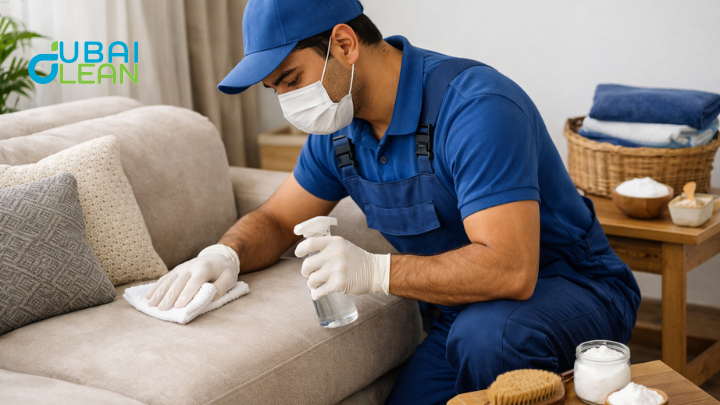
Regular cleaning uses the more common store-bought products that many people are familiar with. These often contain synthetic chemicals and artificial scents that help remove dirt, grease, and stains quickly. They can be very effective but may also leave behind strong smells or cause irritation for people with sensitive skin or breathing problems. Most traditional cleaning routines, like deep sofa cleaning or bathroom scrubbing, rely on these types of products to get the job done fast.
Key Differences Between Organic and Regular Cleaning
Ingredients and Chemicals Used
The biggest difference between organic and regular cleaning is what goes into the products. Organic cleaners are made from safe, natural ingredients like lemon, vinegar, or essential oils. These are gentle on your skin and better for indoor air. On the other hand, regular cleaners often include stronger chemicals such as bleach or ammonia. While these can clean tough messes, they may also bring health risks, especially if used often or without proper ventilation.
Cleaning Process and Techniques
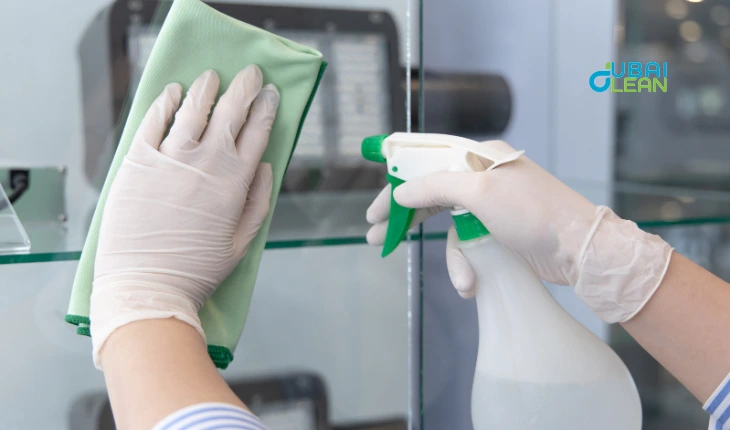
Organic cleaning usually focuses on simple, gentle methods. It often includes tools like microfiber cloths and steam cleaners that don’t rely on harsh chemicals. Regular cleaning, in comparison, might involve stronger scrubbing tools and sprays that work quickly but can be a bit rough on certain surfaces. Both can do the job, but the approach feels different. Organic methods aim for a cleaner home with less chemical impact.
Safety for Kids, Pets, and Allergies
If you have children, pets, or sensitive skin, organic cleaning is often the safer choice. It doesn’t leave behind strong fumes or chemical residues, making your home more comfortable for everyone. Regular deep cleaning products, though effective, can sometimes cause skin irritation or breathing problems if not handled carefully. For families with health concerns, organic options offer peace of mind.
Environmental Impact and Sustainability
Organic cleaning supports a greener lifestyle. The products tend to break down naturally and are often packaged in eco-friendly containers. They’re less likely to pollute water or contribute to long-term environmental damage. Regular cleaning products, especially those with heavy chemicals, can have a larger footprint. They may leave behind waste that’s harder to dispose of responsibly.
Effectiveness in Deep and Surface Cleaning
Regular cleaners are often known for their strength, especially when dealing with heavy stains or grease. They’re popular in situations that require fast and powerful results. However, organic cleaning has come a long way. Many of today’s natural products can handle most everyday cleaning tasks just as well, especially with options like steam or enzyme-based solutions. You can still get a deep cleaning service just without the harsh aftereffects.
Cost Comparison of Organic vs. Regular Cleaning
When it comes to price, regular cleaning products are usually cheaper and easier to find. Organic products can be a bit more expensive, but for some people, the tradeoff is worth it. You may end up saving in other ways, like avoiding allergy flare-ups or reducing exposure to strong chemicals over time. It’s really about what fits best with your home and priorities.
Pros and Cons of Organic Cleaning
| Benefits of Organic Cleaning | Limitations of Organic Cleaning |
| Creates a healthier home environment | May not work well on tough stains or mold |
| Improves indoor air quality by avoiding harsh fumes | Shorter shelf life due to natural ingredients |
| Helps reduce allergy and asthma triggers | Can be more expensive than regular products |
| Safe to use around children and pets | Might not be easily available in all areas |
| Supports eco-friendly and sustainable living | Sometimes requires more frequent replacements |
| Reduces long-term damage to the environment | May not match the strength of chemical cleaners |
When to Choose Organic Cleaning Over Regular Cleaning
Use Cases for Organic Sofa or Carpet Cleaning
Organic cleaning is an excellent choice for everyday home care, especially in spaces where comfort, safety, and air quality matter most. If you have young children who play on the carpet, babies who crawl on the floor, or pets who nap on the sofa, using gentle, plant-based products can make a big difference. Organic cleaners are free from harsh chemicals, so there’s no need to worry about harmful fumes or residue left behind on fabric surfaces.
This method also works well for maintaining delicate furniture like fabric sofas, upholstered chairs, or vintage rugs that might react badly to strong chemical products. It helps preserve the life and texture of the materials while still removing dust, light stains, and everyday dirt. For people with asthma, allergies, or sensitive skin, organic cleaning offers peace of mind by reducing irritants in the air and on surfaces.
Choosing organic cleaning means you’re not just tidying up, you’re also creating a safer, more breathable living environment that supports your family’s health and well-being over time.
Best Scenarios for Regular Cleaning Methods
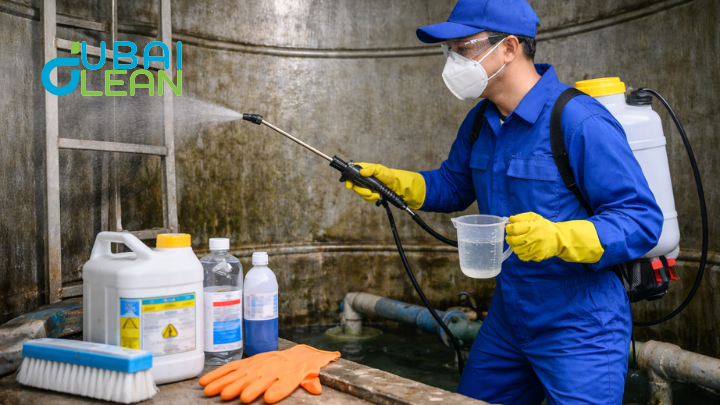
While organic cleaning is great for routine maintenance, there are situations where traditional cleaning methods may be more suitable. For example, after home renovations or construction work, when there’s a buildup of dust, paint splatters, or debris, stronger cleaning products can help restore order more quickly. Similarly, kitchens with heavy grease on stovetops or exhaust fans, and bathrooms with persistent mold or mildew, often require deep-cleaning solutions that cut through grime effectively.
Regular cleaning products are designed to tackle stubborn messes fast. Their chemical formulas can dissolve thick layers of dirt, sanitize contaminated areas, and leave surfaces looking like new. In high-traffic zones like entryways, commercial spaces, or rental properties between tenants, conventional cleaning might save time and deliver quicker results.
Though they’re not ideal for everyday use especially around kids or sensitive individuals these products have their place when you need to deal with serious cleaning challenges and restore hygiene in hard-to-clean areas.
Common Myths About Organic Cleaning Debunked
- Myth 1: Organic cleaning doesn’t work as well as regular cleaning
Reality: Many people believe that natural cleaning products aren’t strong enough to do the job. In truth, modern organic methods like enzyme-based cleaners and steam cleaning can be just as effective as traditional products for most household tasks.
- Myth 2: Organic cleaning is always more expensive
Reality: While some organic products on store shelves can cost more, you can easily make your own using simple ingredients like vinegar and baking soda. Buying in bulk or choosing multipurpose products also helps keep costs low.
- Myth 3: Organic cleaners don’t actually disinfect
Reality: Some natural ingredients have proven antibacterial properties. For example, vinegar and hydrogen peroxide are both commonly used in organic cleaning and have been shown to kill germs effectively.
Final Thoughts
Deciding between organic and regular cleaning really comes down to what matters most in your home. If you’re looking for a safer option for your family, especially if you have kids, pets, or allergies, then organic cleaning is a great choice. It’s gentle, eco-friendly, and good for everyday use. On the other hand, if you’re dealing with heavy messes or need a deep clean after renovation or spills, regular cleaning products might be more effective.
In the end, you don’t have to pick just one. Many people find that a mix of both organic for everyday upkeep and regular cleaners for the tougher jobs works best. It’s all about finding what keeps your space clean, safe, and comfortable.
Want to know why more families are switching to safer cleaning solutions? Discover how eco-friendly cleaning can protect your family’s health here.