


Introduction
Overhead water tanks are essential for storing and supplying water in homes and businesses. But, if not cleaned regularly, these tanks can quickly become a hotspot for bacteria, algae, and other harmful germs. This can lead to bad smells, poor water quality, and even waterborne diseases. Keeping your tank clean is vital for your health.
Regular overhead tank cleaning helps to ensure the water you use for drinking, cooking, or bathing stays safe. While some try cleaning the tank themselves, it’s often better to call a water tank cleaning company. They offer expert services that follow Dubai Municipality’s rules. In this article, I’ll show you the best ways to clean an overhead tank, explain when you should get professional help, and give you tips on how to keep your water fresh and safe.
Why Regular Cleaning is Essential
Overhead water tanks are always exposed to dust, dirt, and other environmental pollutants. Without regular cleaning, they can gather harmful bacteria, algae, and sediments that affect the quality of the water you rely on every day. Here’s why cleaning your tank is so important:
- Prevents Health Risks: Dirty water tanks can become homes for harmful bacteria like E. coli and Legionella, which cause diarrhoea, skin rashes, and breathing problems. Stagnant water and the buildup of sludge also attract mosquitoes, increasing the risk of diseases like dengue.
- Stops Algae Growth and Bad Smells: Algae love water tanks with sunlight and moisture, which can make your water taste and smell unpleasant. Regular cleaning and disinfecting prevent algae from growing, keeping the water fresh and odor-free.
- Removes Sediments and Impurities: Over time, dust, rust, and other debris collect at the bottom of the tank. This reduces water clarity and can damage your pipes and appliances. Routine domestic water tank cleaning removes these impurities, helping to prevent blockages and costly repairs.
- Prolongs the Tank’s Life: If a tank is not maintained, it can rust, leak, or suffer other damage. Regular cleaning and checks will help you spot problems early and avoid expensive repairs, extending the life of your tank.
- Ensures Compliance with Dubai Municipality Standards: Dubai has strict rules for maintaining water storage tanks to protect public health. Regular cleaning, especially by a certified water tank cleaning company in Dubai, helps you follow these guidelines and avoid penalties.
By keeping your tank clean, you protect your family’s health, improve your water quality, and extend the life of your tank and plumbing system. Read more about tank cleaning and disinfection methods.
Methods to Clean an Overhead Water Tank
Whether you choose to do it yourself or hire experts, here are some methods to clean your tank:
Manual Cleaning Process
This is the most common way to clean, especially for smaller ones. It involves physically cleaning the tank to remove dirt, sludge, and debris. Here’s how it’s done:
Step 1: Drain the Tank – Start by turning off the water supply and draining the tank completely. Let the tank dry a little to make cleaning easier.
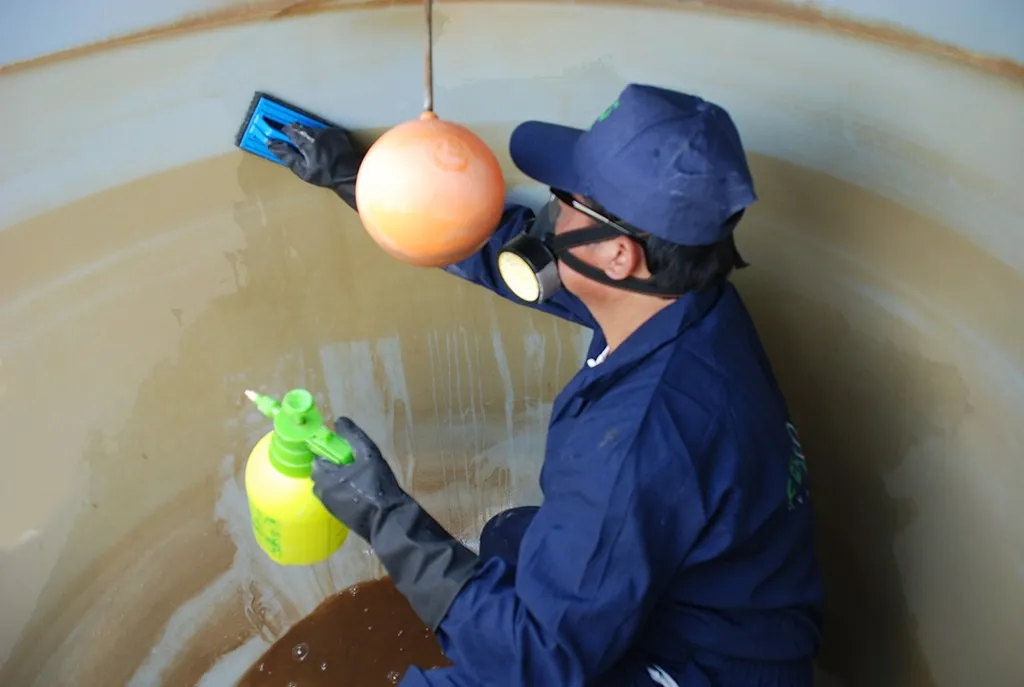
Step 2: Remove Sediment – Use a long brush or cloth to scrub the walls and bottom of the tank to get rid of dirt, algae, and sediment. A high-pressure hose can help loosen stubborn dirt.
Step 3: Disinfect the Tank – After cleaning, disinfect the tank with safe cleaning agents like chlorine bleach or a special water tank disinfectant. Be sure to follow the instructions so that the water is safe when the tank is refilled.
Step 4: Rinse and Refill – Rinse the tank thoroughly to remove any leftover chemicals. Then, refill it with fresh water.
Using Disinfection Agents for Water Purification
Disinfecting the water is crucial to keep it safe. This can be done after cleaning or when the water quality looks poor.
- Chlorine Bleach: A popular disinfectant for killing bacteria and viruses. It needs to be diluted to avoid harmful effects.
- Hydrogen Peroxide: A non-toxic option that’s safer than chlorine and won’t leave harmful residues.
- UV Light Treatment: Some professionals use UV light to clean the tank, making sure the water is purified without using chemicals.
Employing Professional Water Tank Cleaning Services
If your tank is large or hard to access, or if you want a more thorough cleaning, you can hire a water tank cleaning company. Professionals use advanced tools and methods to clean tanks properly. This process usually includes:
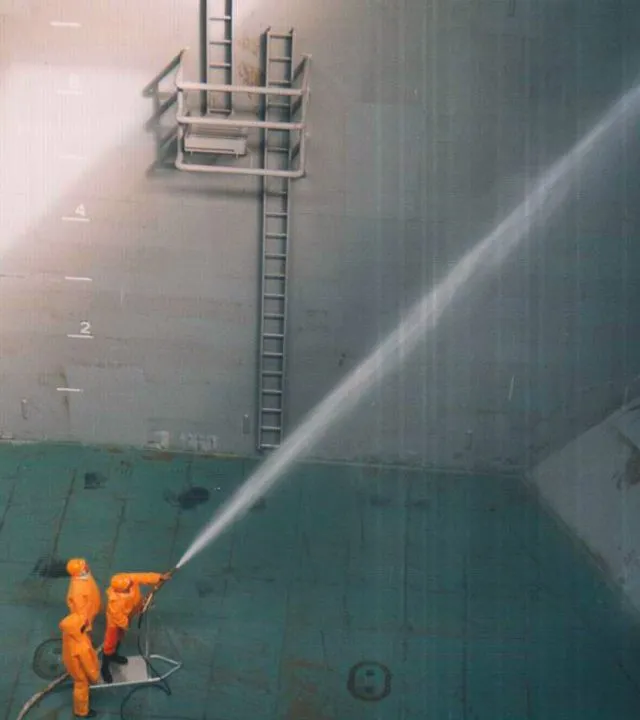
- High-Pressure Cleaning: Professionals use high-pressure equipment to clean the tank thoroughly, removing dirt, algae, and debris.
- Deep Disinfection: Experts use special disinfectants to purify the tank, followed by a thorough rinse to make sure the water is safe.
- Regular Maintenance: Some companies offer ongoing cleaning and maintenance services to keep your tank in top condition throughout the year.
Hiring experts can save you time and effort, plus they follow safety and health standards.
Maintenance and Preventive Measures
Once your tank is clean, it’s important to keep it that way. Here are some tips to prevent future issues:
- Install Mesh Filters: Adding filters at the water inlet can stop large debris from entering the tank.
- Regular Inspections: Schedule inspections to check the tank’s condition and catch any early problems.
- Cover the Tank: Always cover the tank to keep debris, insects, and algae out.
Whether you clean the tank yourself or get professional help, regular tank cleaning is essential to ensure safe, clean water for your home.
Step-by-Step Guide to DIY Clean an Overhead Water Tank
It requires careful attention to detail to ensure that the water remains pure and safe. By following this guide, you can complete the task effectively and safely.
Step 1: Gather the Necessary Tools
Before starting, gather all the essential tools and cleaning materials. This will help ensure a smooth and efficient process:
- Protective gear: Gloves and a mask to guard against dust, dirt, and bacteria.
- Long-handled brush or mop: Perfect for reaching the tank’s sides and corners.
- Scraper or sponge: To remove stubborn algae or debris from the tank’s surfaces.
- High-pressure water hose (optional): Useful for rinsing the tank and dislodging heavy dirt.
- Cleaning agents: Safe disinfectants like chlorine bleach (2-3 tablespoons per 20 litres of water), hydrogen peroxide, or a water tank-specific cleaning solution.
- Bucket for cleaning solution: Mix the disinfectant.
- Clean cloths or rags: For wiping down surfaces.
- Water pump (if needed): To help drain water if your tank lacks an outlet valve.
Step 2: Turn Off the Water Supply
Ensure no water flows into the tank during cleaning:
- Switch off the main water supply valve leading to the tank.
- If your tank is connected to an electric pump, turn it off as well.
This step is crucial to prevent water from entering while you’re cleaning.
Step 3: Drain the Tank Completely
Draining the tank completely ensures you can clean every surface:
- Open the outlet valve and allow the water to drain.
- If your tank doesn’t have an outlet valve, use a submersible water pump to speed up the draining process.
- Let the tank air dry for a short while to remove excess moisture.
Step 4: Remove Sediment, Debris, and Rust
Now, remove all dirt and debris from the tank:
- Use a long-handled brush or broom to scrub the walls and corners of the tank.
- Use a scraper or sponge to remove stubborn sludge and rust.
- If available, use a high-pressure hose to spray the sides and bottom of the tank, dislodging heavy debris.
Step 5: Clean the Tank’s Walls and Floor
Once large debris is removed, focus on cleaning the tank’s surfaces:
- Dampen a sponge or rag and wipe down the tank’s walls and floor thoroughly.
- For additional grime, use soap or a mild detergent to scrub the interior, ensuring all surfaces are cleaned.
Step 6: Disinfect the Tank
Disinfection is crucial to kill any bacteria, viruses, or pathogens:
- Prepare the cleaning solution by mixing your chosen disinfectant (chlorine bleach or another product) with water in a bucket.
- Apply the disinfectant to the entire inside surface of the tank, including the walls, floor, and corners.
- Let the solution sit for at least 30 minutes to effectively kill harmful microorganisms.
Step 7: Rinse the Tank Thoroughly
Rinse away any remaining cleaning solution to avoid contamination:
- Use clean water to rinse the tank multiple times, ensuring no chemical residue remains.
- Check for any leftover cleaning agents—particularly in hard-to-reach areas like corners and around pipes.
- Rinsing thoroughly ensures that no harmful residues are left inside.
Step 8: Refill the Tank with Fresh Water
Once cleaned, disinfected, and rinsed, refill the tank with fresh water:
- Close all the valves and open the water supply valve to refill the tank.
- Monitor for any leaks or unusual odours as the tank fills.
- If you notice any strange smells or discolouration, rinse the tank again or check for hidden debris.
Step 9: Maintain the Tank Regularly
Regular maintenance will ensure your tank stays in top condition:
- Inspect the tank every 3-6 months to check for sediment, algae, or rust.
- Remove debris and clean the tank annually to prevent contamination.
- Consider installing a mesh filter at the water inlet to reduce the frequency of cleaning.
By following these steps, your water tank will remain hygienic, ensuring safe, clean water for your family.
When to Seek Professional Help
While cleaning yourself is possible, there are certain situations where it’s best to seek professional help. If you’re facing any of the following challenges, hiring a water tank cleaning company can save you time, and effort, and ensure your tank is thoroughly cleaned and disinfected. Here are some signs it’s time to call in the experts:
- Severe Contamination or Algae Growth: If your water tank has been left unattended for an extended period, it may have excessive algae growth or severe contamination that’s difficult to clean on your own. Algae buildup is not only unsightly but can also lead to waterborne diseases. Professionals use specialized tools and techniques to effectively remove stubborn algae, disinfect the tank, and restore water quality.
- Tank Structural Damage or Leaks: If you notice any cracks, leaks, or significant structural damage in your water tank, it’s best to contact a professional. Damage to the tank can lead to contamination and water loss, and fixing these issues may require expert knowledge and specialized equipment. Professionals will assess the tank’s condition, carry out repairs, and ensure the tank is secure and safe to use again.
- Large Tanks or Hard-to-Reach Locations: Cleaning a large tank or one that’s located in a difficult-to-reach place can be a challenging task. If your water tank is on a high rooftop or in an awkward spot that’s hard to access, professional cleaners have the right equipment (such as ladders, scaffolding, or high-pressure cleaning tools) to clean it safely and thoroughly. They also have the experience to handle the cleaning efficiently without causing any damage to the tank or surrounding area.
- Heavy Sediment or Mineral Buildup: If your tank has heavy sediment or mineral buildup (such as calcium or rust) that can’t be removed with basic scrubbing, it’s time to call in the professionals. Mineral buildup is not only difficult to clean but can also affect the quality of the water. Professional cleaners can use specialized equipment to remove mineral deposits and restore the tank to optimal condition.
- Inadequate Time or Resources: Sometimes, the cleaning process can be time-consuming, especially if you have a large tank or limited cleaning resources. If you’re busy or unable to dedicate enough time to thoroughly clean the tank, professionals can take care of the entire process for you. They are trained to do the job efficiently and ensure that the cleaning is done right the first time.
- Water Quality Issues After Cleaning: If you’ve cleaned the tank yourself but are still experiencing issues with water quality, it may be due to improper cleaning or incomplete disinfection. Water quality issues could indicate that harmful bacteria or contaminants remain in the tank. Professional cleaning services offer advanced disinfecting techniques and testing to ensure the water meets safe standards.
- Health Concerns: If you or your family members have experienced health issues related to poor water quality (such as stomach problems or skin irritation), it’s a good idea to have the tank professionally cleaned and disinfected. A professional cleaning service ensures that all potential health risks are eliminated and that your water supply is safe for consumption.
- Lack of Expertise in Using Cleaning Products: Not all cleaning products are suitable for use in water tanks. If you’re unsure about which chemicals to use or the right amount to apply, it’s best to leave the cleaning to professionals. Incorrect use of chemicals can damage the tank or leave harmful residues that contaminate the water. A professional service will know exactly what products are safe and effective for tank cleaning.
By opting for professional help when needed, you ensure that your water tank is thoroughly cleaned, disinfected, and maintained to provide you with safe, fresh water at all times. Don’t hesitate to reach out to a reputable water tank cleaning company in Dubai for peace of mind and high-quality service.
Preventive Measures for Maintaining Water Quality
Maintaining clean and safe water in your overhead tank requires more than just regular cleaning. By implementing a few simple preventive measures, you can minimize contamination risks and ensure your water quality remains high. These proactive steps will save you from costly repairs and the need for frequent cleaning, as well as contribute to the long-term health of your water system. Here are some essential preventive measures to consider:
- Install a Mesh Filter at the Inlet: One of the most effective ways to prevent dirt, leaves, and other debris from entering your water tank is by installing a mesh filter at the inlet pipe. This simple yet efficient filter will trap any large particles, preventing them from contaminating the water and reducing the frequency of cleaning required. Make sure to check and clean the filter periodically to keep it functioning properly.
- Regularly Inspect the Tank: Routine inspections are key to spotting potential issues before they turn into bigger problems. Check for:
- Cracks or leaks could let debris or contaminants into the tank.
- Any signs of rust or corrosion, can degrade the tank’s structure and affect water quality.
- The condition of the inlet and outlet pipes to ensure proper flow.
- Stagnant water or unusual odours could indicate contamination or algae growth. If you notice any issues, addressing them early can prevent more significant damage down the line.
- Ensure Proper Tank Covering: Ensure that your overhead tank is properly covered with a secure lid to prevent contaminants like dust, insects, or rodents from entering the tank. An open tank is more vulnerable to pollution, and contaminants can quickly affect water quality. Use a tight-fitting, durable lid, and check regularly to ensure it remains in place and free from damage.
- Keep the Area Around the Tank Clean: The area surrounding your water tank plays a significant role in the cleanliness of the water inside. Make sure the space around your tank is free from garbage, leaves, or standing water, as these can attract pests and encourage the growth of mould or algae. Regularly clean the area around the tank to avoid any debris from accidentally entering the system.
- Clean and Maintain the Tank Periodically: Regular cleaning is vital to maintaining good water quality. Clean your overhead tank at least once a year or more frequently if you notice sediment buildup or contamination. This includes draining the tank, scrubbing the walls, removing debris, and disinfecting the interior. Regular cleaning prevents the growth of bacteria and algae and ensures that your water remains safe for consumption.
- Use Safe, Non-Toxic Cleaning Solutions: When disinfecting your water tank, always choose cleaning agents that are safe for potable water. Harsh chemicals may not only be harmful to your health but can also affect the quality of your water. Opt for environmentally friendly disinfectants, such as chlorine bleach or hydrogen peroxide, and always follow the recommended dilution instructions. If in doubt, consult a professional water tank cleaning company.
- Ensure Proper Ventilation: They need to be well-ventilated to prevent the accumulation of stagnant air and moisture, which can promote the growth of bacteria and algae. Make sure your tank has a vent pipe that allows air circulation. A well-ventilated tank is less likely to have an unpleasant smell or experience excessive algae growth.
- Maintain Water Flow and Avoid Stagnation: To avoid stagnation, ensure that water in the tank is regularly cycled through. A consistent flow of water prevents the water from becoming stagnant and allows any impurities to be flushed out. If your tank is not connected to a regular water supply, consider setting a schedule for draining and refilling it to maintain water freshness.
- Check Water Quality Regularly: Testing the quality of your water periodically can help detect contaminants or changes in its chemical composition. Use a water testing kit or have a professional service test the water for impurities such as chlorine, bacteria, and pH levels. Keeping track of water quality ensures that any issues are caught early before they affect your health.
- Avoid Mixing Different Water Sources: If your overhead tank draws water from multiple sources (e.g., municipal water and a well), make sure the water is adequately treated and filtered before entering the tank. Mixing different water sources without proper filtration can introduce contaminants and alter the water’s quality, making it more susceptible to bacterial growth and impurities.
By taking these preventive measures, you’ll not only help preserve the water quality in your overhead tank but also increase the longevity of the tank itself. Ensuring clean and safe water for your family can be simple with a little vigilance and routine maintenance.

Conclusion
Maintaining a clean and safe water tank is essential for ensuring the health and well-being of your family. Regular cleaning, combined with preventive measures such as proper tank coverage, filtration, and routine inspections, can significantly reduce the risk of contamination and ensure your water remains safe for everyday use. While DIY cleaning is possible, it’s important to recognize when professional assistance is necessary, especially for more complex issues like severe contamination or structural damage.
By staying proactive in maintaining your water tank and addressing issues early, you’ll enjoy fresh, clean water and prevent costly repairs or health concerns down the road. Whether you choose to clean the tank yourself or hire a professional service in Dubai, regular attention to your water tank is the key to keeping it in optimal condition and ensuring the quality of your water for years to come.