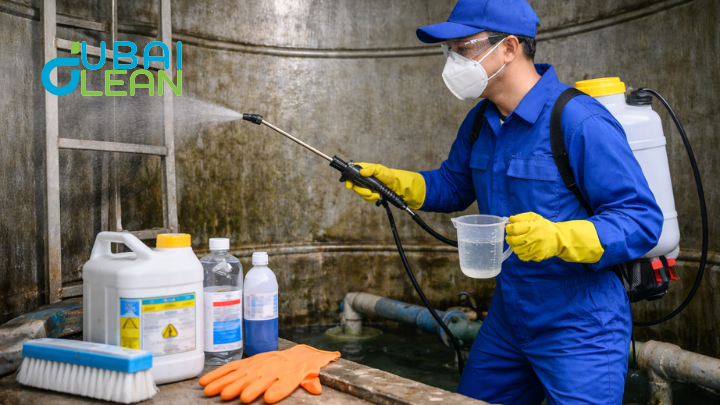



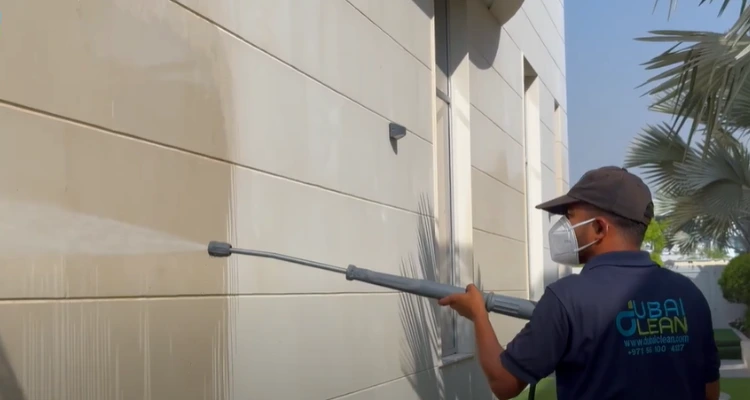
Ever walked past a building and thought, Why does it look dull and dusty? That’s where facade cleaning steps in it’s not just about making things pretty, it’s about protecting your space. In this blog, we’ll quickly show you what facade cleaning is, why it matters, and how it keeps your building looking sharp and standing strong. No technical talk, no long-winded details just clear, helpful info you can actually use. Stick around and you’ll get everything you need in a simple, straight-to-the-point way.
What Is Facade Cleaning?
A facade is the outer-facing side of a building usually the most visible part, like the front exterior. It plays a huge role in first impressions, but it’s also exposed to the harshest elements. Over time, it collects dust, air pollution, water stains, mold, and even bird droppings.
Facade cleaning is the process of safely removing this buildup using specialized tools, cleaning agents, and methods suited to each material type. It’s not just about aesthetics regular cleaning protects the building’s materials, extends lifespan, and improves air quality. In contrast, facade treatment goes a step further by applying protective coatings or performing surface repairs to prevent future damage and staining.
Types of Facade Materials
Every building is different and so are its surfaces. The cleaning method you use depends heavily on what the facade is made of.
Glass and Aluminum Cladding
These modern surfaces are smooth but easily show smudges, watermarks, and dust. They require gentle cleaning methods like water-fed poles, soft washers, or non-abrasive chemicals to prevent scratching or streaking.
Stone, Concrete, and Brick Surfaces
These materials are porous and rough, which makes them a magnet for dirt and pollutants. Pressure washing or steam cleaning works well here but must be done carefully to avoid surface erosion or damage to mortar.
Painted or Coated Exteriors
Found mostly on homes and villas, these facades can peel or discolor if cleaned too aggressively. They benefit from low-pressure washing and pH-neutral cleaning agents that lift dirt without harming the paint or finish.
Benefits of Regular Facade Cleaning
Keeping your building’s exterior clean does far more than improve its looks. Regular facade cleaning plays a major role in protecting your property’s structure, value, and even the well-being of those inside. Here’s why it’s worth the effort.
Improves Building Appearance Instantly
A clean facade makes your building look fresh, well-maintained, and professional. Whether it’s a home, office, or commercial space, a dirt-free exterior creates a strong first impression. It’s one of the simplest ways to boost visual appeal without any construction or renovations.
Prevents Long-Term Structural Damage
Dirt, mold, algae, and pollutants may seem harmless at first, but over time, they can eat away at surfaces, cause discoloration, or weaken the building’s materials. Regular facade cleaning removes this buildup before it leads to cracks, corrosion, or costly repairs.
Supports Health & Hygiene by Removing Pollutants
Exterior walls trap allergens, bacteria, and pollution particles caused by outdoor air especially in busy cities or dusty environments. Cleaning these off not only makes the outside look better but also helps reduce the spread of airborne irritants around windows, doors, and ventilation areas.
Adds Value to Residential and Commercial Properties
Whether you’re trying to sell a home or attract business tenants, a clean, well-maintained exterior adds real value. It shows the property is cared for and reduces the chance of buyers or visitors forming a negative impression based on grime or stains.
Common Facade Cleaning Methods
Not all facades are cleaned the same way and that’s a good thing. The right method depends on the building’s height, material, level of dirt, and even surrounding conditions. Here are the most widely used and effective facade cleaning techniques.
Manual Washing & Water-Fed Pole Cleaning
This method is commonly used for low-rise buildings and accessible surfaces. It involves trained cleaners using extendable poles that spray purified water directly onto the facade. The brushes on these poles gently scrub dirt away without harsh chemicals, making it ideal for glass, aluminum, and smooth surfaces.
High-Pressure Jet Cleaning
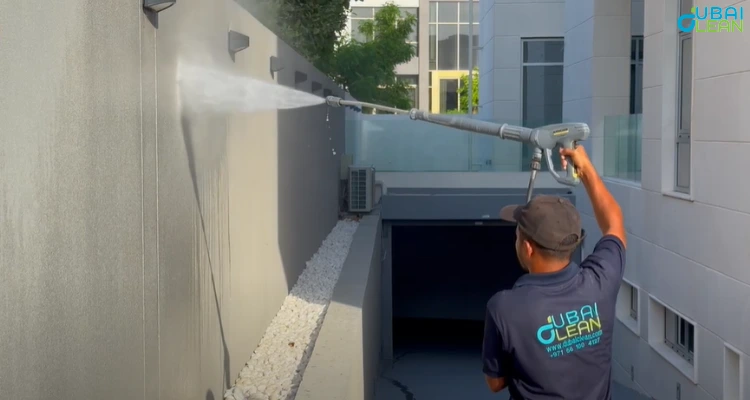
Perfect for stone, concrete, or brick facades, this method uses pressurized water to blast away tough grime, paint residue, and pollutants. While powerful, it must be used carefully especially on older buildings to avoid surface damage or erosion. It’s highly effective for deep cleaning hard, textured surfaces.
Steam Cleaning or Soft Washing
Steam cleaning uses hot vapor to break down biological growth like mold, mildew, or algae without using chemicals. Soft washing, on the other hand, uses low-pressure water combined with gentle detergents. Both are safe for more delicate surfaces like painted facades or historic buildings, where aggressive methods could cause harm.
Rope Access & Aerial Work Platforms (for High-Rise)
For skyscrapers or tall commercial buildings, traditional methods won’t cut it. Rope access involves trained technicians suspended by harnesses, allowing precise cleaning of every corner. Alternatively, aerial work platforms (like cherry pickers or boom lifts) are used when stability or equipment access is required. Both methods require certified professionals and strict safety procedures.
7-Step Facade Cleaning Process (Simplified)
Wondering how professionals clean building facades without missing a spot or making a mess? Here’s a simplified look at the 7 key steps that ensure your exterior gets the care it deserves, whether it’s a villa or a high-rise.
Step 1: Site inspection & safety check
Before any cleaning begins, experts assess the building’s structure, material type, and level of dirt buildup. Safety precautions are also planned especially for rope access or aerial platforms to ensure both the crew and property stay protected.
Step 2: Select cleaning method
Based on the material (glass, concrete, painted surface), cleaners choose the most effective technique be it pressure washing, soft washing, steam cleaning, or water-fed pole systems.
Step 3: Dust & debris removal
Loose dirt, cobwebs, and dry particles are brushed or blown away to prepare the surface for wet cleaning. This step helps avoid streaks and enhances the effectiveness of cleaning agents.
Step 4: Apply cleaning agent
An eco-safe detergent or facade-specific cleaner is applied to break down grime, pollution residue, algae, and stains. The product is left to dwell for a few minutes to work its magic.
Step 5: Gentle scrubbing or pressure cleaning
Depending on the surface and method chosen, technicians either scrub manually with soft brushes or use machines/pressure washers to deep-clean every section of the facade.
Step 6: Rinse & inspect
The entire surface is rinsed with clean water to remove any leftover detergent. A thorough inspection follows to ensure no spots were missed and the finish is even.
Step 7: Final polish or protective coating (if required)
For some facades especially glass, metal, or polished surfaces a protective layer or shine-enhancing polish may be applied. This helps repel future dirt and keeps the facade looking fresh longer.
When Does a Facade Need Cleaning?
While there’s no one-size-fits-all schedule, your building’s facade will often tell you exactly when it needs attention. From visible grime to environmental exposure, these signs and factors can help you time your cleaning for the best results.
Visual Signs to Watch For
The most obvious clue? How your building looks. If you notice stains, discoloration, algae streaks, black mold spots, or bird droppings clinging to the exterior it’s time. These aren’t just eyesores; they can actually degrade the surface over time and affect indoor air quality, especially around windows and ventilation points.
Recommended Frequency Based on Building Type
The type of building you have also plays a big role. Residential villas may only need a deep facade clean every 6–12 months. Apartment buildings or offices in busy areas might require quarterly cleaning, especially if located near main roads. Commercial properties that rely on curb appeal (like hotels, retail stores, or clinics) often schedule monthly or bi-monthly cleaning to maintain their professional image.
Weather & Environmental Factors
In regions like Dubai, sandstorms, humidity, and vehicle pollution can leave facades dusty, stained, and dull in a matter of weeks. Buildings near construction zones or industrial areas also collect more airborne dirt. In these cases, even a quarterly cleaning may not be enough a custom seasonal plan might be more effective.
Can You DIY Facade Cleaning? (And When You Shouldn’t)
Not every facade needs a full crew and industrial tools but that doesn’t mean it’s always a DIY job. Knowing when to handle it yourself and when to call professionals can save you time, effort, and money (and even prevent property damage).
Small Home Exteriors or Villas
If you live in a villa or low-rise home, you can likely manage some facade cleaning on your own. Tools like a water-fed pole, soft-bristle brush, garden hose, and eco-friendly detergents work well for basic dirt removal. However, safety is key always ensure you have secure footing and never reach beyond your comfort zone. Avoid pressure washers unless you’re confident in how to use them, as the wrong setting can damage paint or softer surfaces.
When to Call a Professional Cleaning Company
For multi-story buildings, delicate materials (like glass panels or marble), or heavy staining, it’s best to call in the pros. Professionals are trained in safety protocols and use advanced equipment like rope-access systems, high-reach lifts, or steam washers. They also know which products to use for different surfaces, avoiding damage that a DIY job could cause. If your building is in a high-traffic area, near the sea, or exposed to frequent dust storms, professional help isn’t just convenient it’s smart.
Choosing the Right Facade Cleaning Service
Hiring a professional facade cleaning service can be a game-changer but only if you choose the right one. With so many companies out there, it’s important to know what separates reliable pros from average cleaners. Here’s how to make a smart, confident choice.
What to Look for in a Cleaning Company
Start by checking whether the company is licensed and insured especially for high-rise work, where safety regulations are crucial. Look for trained technicians, specialized equipment, and positive reviews from real customers. Experience with your specific building material (glass, stone, metal, etc.) is a must. Don’t forget to check if the team follows environmental safety standards using non-toxic, biodegradable cleaning agents is a major plus.
Average Prices and Cost Factors
Facade cleaning costs can vary depending on several key factors:
- Building height and accessibility
- Surface material and dirt severity
- Cleaning method required (manual, pressure wash, rope access)
- Frequency of service
On average, smaller villas may cost less, while commercial towers with glass facades can be more expensive due to labor and equipment. Always ask for a detailed quote based on a site visit not just a generic price list.
Questions to Ask Before Hiring
Before hiring any service, ask the right questions:
- What method will you use for my building’s material?
- Is your team trained for rope access or aerial lifts?
- What kind of detergents or products do you use?
- Do you offer guarantees or re-cleaning if results aren’t satisfactory?
These questions help you understand not just the price but the professionalism and quality you can expect.
FAQs About Facade Cleaning
Final Thoughts
So, what is facade cleaning really about? It’s more than just washing walls it’s about protecting your property, boosting its appearance, and preventing long-term damage. In this blog, we’ve broken down everything in a simple, clear way so you understand when, why, and how to clean your building’s exterior properly. Whether you own a home or manage a high-rise, regular facade upkeep keeps your place looking fresh and professional. Now that you know the facts, take a moment to assess your own building and don’t hesitate to bring in the experts when needed.