


Introduction
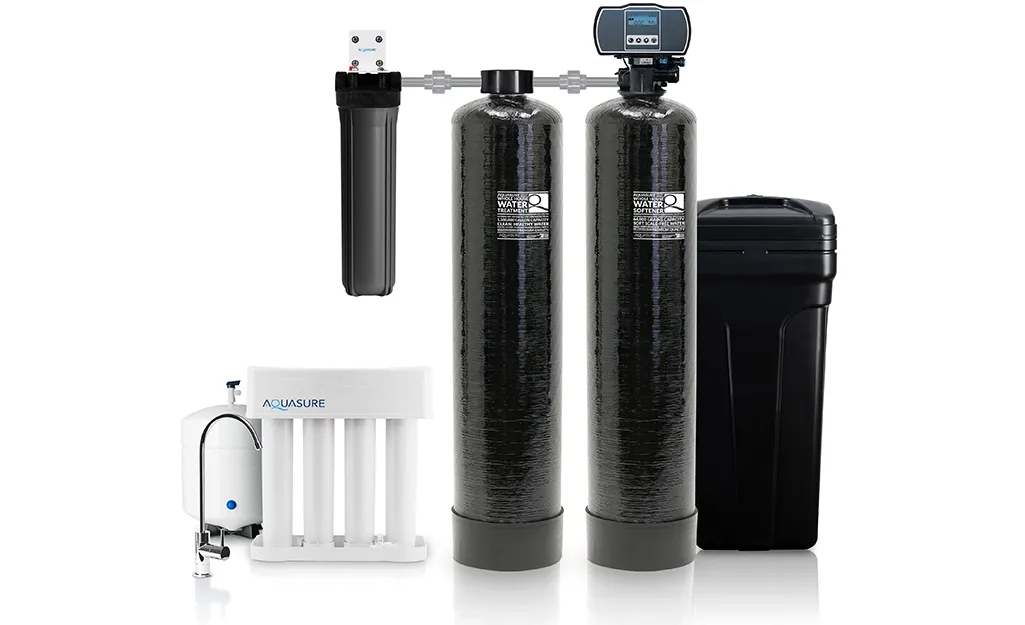
Let me tell you about the brine tank and why it’s so important for your water softener. It helps your system remove minerals like calcium and magnesium from hard water. These minerals can build up in your pipes, appliances, and fixtures, causing damage and making everything less efficient. The tank makes sure your water softener works well by cleaning the resin beads that do the job of softening the water. This keeps water flowing smoothly and stops scaling.
In simple terms, the brine tank stores saltwater, which is used in the softener’s regeneration process. The brine solution helps “clean” the resin beads so they can continue removing hard minerals. If that isn’t maintained properly, your water softener won’t work as it should, which could shorten its life and lower its performance.
In this article, we’ll explore the role of the brine tank, how it works, and how to take care of it. Whether you’re new to water softeners or just want to get the best out of yours, understanding your brine tank is key to having great water quality all year round.
What Is a Brine Tank on a Water Softener?
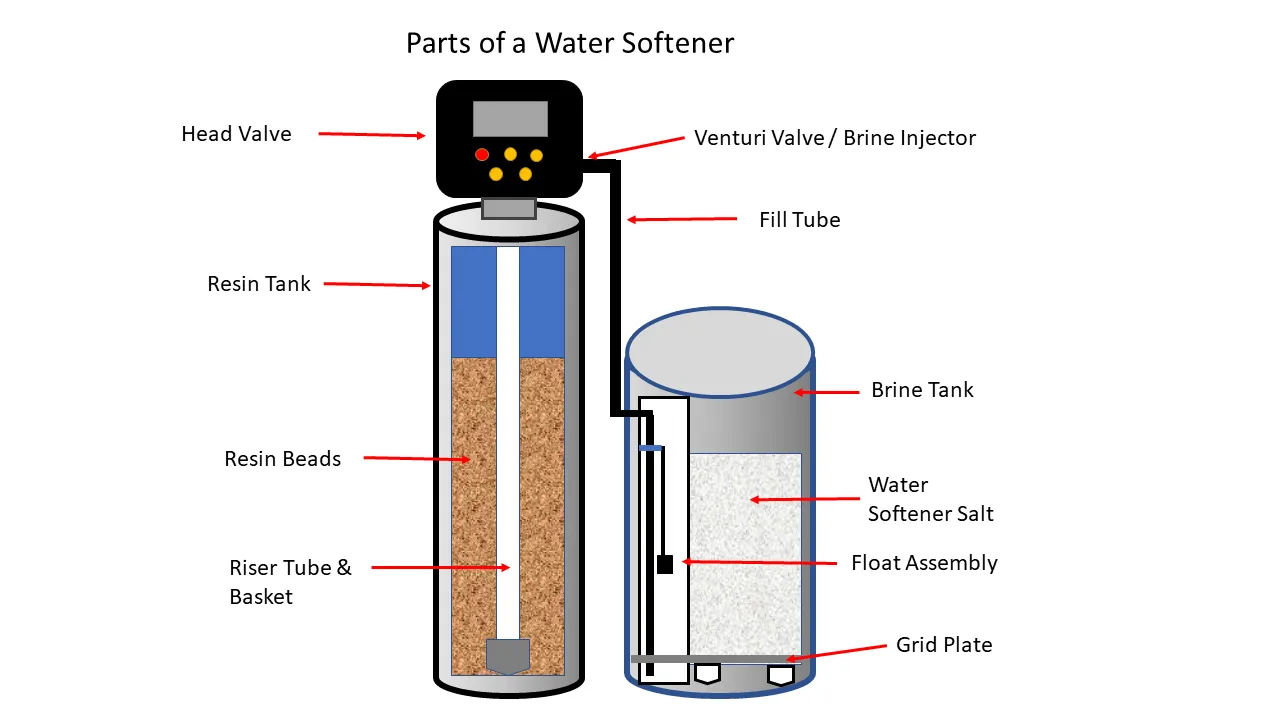
It is a key part of your water softener system. Its job is to store the saltwater solution that’s needed for the regeneration process. Water softeners use resin beads to grab and trap hard minerals, like calcium and magnesium, which make water “hard.” Over time, these beads get full of minerals and need to be cleaned, or “regenerated,” to keep softening the water.
The tank holds salt, usually pellets or crystals. When mixed with water, it forms a brine solution. During regeneration, this brine is drawn into the resin tank, where it helps flush out the minerals stuck in the resin beads. This resets the beads so they can keep effectively softening the water.
The tank is often much bigger and separate from the main resin tank. It’s important to check and refill it with salt regularly. If your tank isn’t working properly, your water softener won’t regenerate as it should, and the water quality will drop.
In short, the tank is crucial to your water softener’s performance, making sure you have soft, clean water for your home or business.
How Does a Brine Tank Work in a Water Softener?
It plays a crucial role in keeping your water softener working at its best. It helps clean and refresh the resin beads that soften the water. Here’s how it works:
Softening Process: When hard water flows through the softener, it passes through a resin tank filled with tiny resin beads. These beads are coated with sodium ions from the tank. The beads attract and bind with the hard minerals, like calcium and magnesium, removing them from the water. This is how the water gets softened.
Saturation of Resin Beads: Over time, the resin beads fill up with calcium and magnesium. When they’re full, they can’t soften the water as well. This is where the brine tank comes in.
Regeneration Process: During the regeneration cycle, the brine solution from the tank is used to clean the resin beads. The system draws in water, mixes it with salt (usually in pellets or crystals), and creates a strong brine solution.
Flushing the Resin Beads: The brine solution is pushed through the resin tank, where it removes the calcium and magnesium ions stuck to the beads. The saltwater “cleans” the beads, replacing the minerals with sodium ions.
Rinse and Recharge: After the brine solution is flushed out, the system rinses the beads with fresh water to remove any remaining salt. The beads are now ready to continue softening the water, and the tank will be refilled for the next cycle.
This cycle of softening, saturating, regenerating, and rinsing keeps your water softener running smoothly. The tank is key to replenishing the sodium needed for the softening process. Keeping the tank in good condition—by checking the salt level and cleaning it regularly—helps ensure your water stays soft and clean.
How to Maintain Your Water Softener’s Brine Tank
Taking care of your water softener’s brine tank is key to keeping your system running smoothly. Without proper maintenance, problems like salt bridging, salt mushing, and bacterial growth can cause the system to fail. Here’s how you can make sure your brine tank stays in good shape:
Check and Refill Salt Regularly
The most important task is to check and refill the salt in your brine tank. If the salt level is too low, the brine won’t be strong enough to regenerate the resin beads. It’s best to check every 4-6 weeks and top up as needed. Keep the salt level about one-third to halfway full, but don’t let it get too high to avoid salt bridging.
Clean the Tank
Over time, dirt, residue, and salt crystals can build up in the tank. It’s essential to clean it to keep things running smoothly. Here’s how:
- Turn off the system and disconnect the power.
- Empty the tank of any leftover salt and brine water.
- Use a mild detergent or vinegar with warm water to scrub the inside of the tank.
- Rinse thoroughly to remove any leftover cleaning solution.
- Refill with fresh salt once cleaned.
Aim to clean the tank once a year or whenever you see excessive build-up.
Avoid Salt Bridging and Mushing
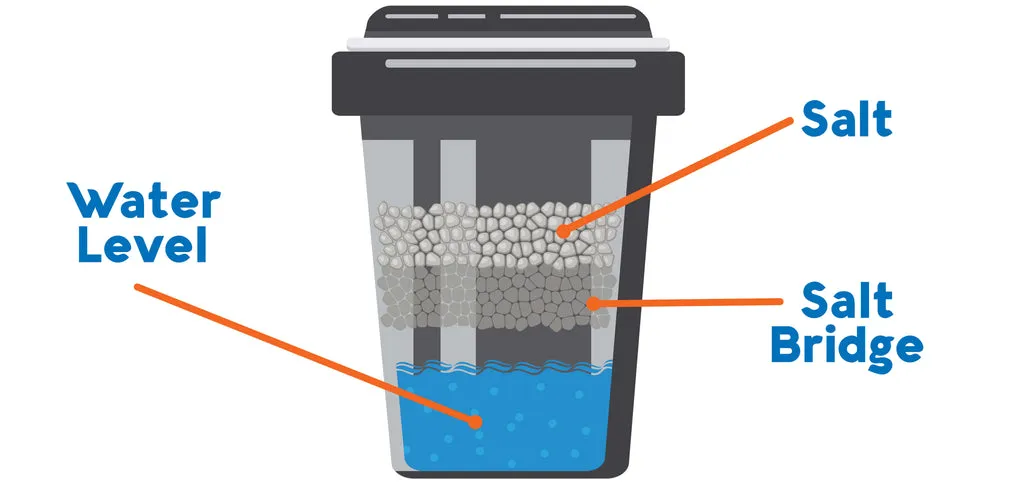
Salt bridging happens when salt hardens into a solid mass, blocking the brine from forming properly. Salt mushing occurs when the salt dissolves too much, turning into a sludge. To avoid these:
- Use high-quality salt pellets that are less likely to form hard clumps or excessive mush.
- Keep the tank humidity-controlled to prevent salt bridging. Make sure the tank is sealed tightly.
- If you notice bridging or mushing, break up the salt or remove the mush, clean the tank, and refill it with fresh salt.
Inspect the Brine Tank for Leaks
Check the tank and surrounding area for any leaks. A leak can cause water damage and affect the regeneration process. If you find a leak, you may need to repair or replace the tank. Also, check the brine valve for leaks, as it can affect the brine flow.
Monitor for Bacterial Growth
Bacteria can grow in the tank, especially if it’s not properly maintained or has standing water. This can cause slimy build-up and reduce the system’s efficiency. To prevent bacteria:
- Clean the tank regularly to avoid build-up that can harbour bacteria.
- Use a brine tank cleaner designed for water softeners to eliminate bacteria and bad smells.
- Make sure the tank is sealed tightly to prevent dirt or debris from getting inside.
Ensure Proper Water Flow
Check the brine line for any clogs or blockages. A blocked brine line can stop the brine from reaching the resin tank during regeneration, leading to poor water softening. Clean the brine line if you notice any blockages.
Set the Regeneration Cycle Properly
Make sure the regeneration cycle is set correctly according to your water usage. For most homes, it’s once a week, but it can vary depending on the hardness of the water and the size of the system. The right regeneration frequency ensures the tank is used properly and your system stays efficient.
By following these simple maintenance steps, you can extend the life of your water softener and enjoy soft, clean water for your home. Regular attention to the brine tank is essential for keeping your water-softening system in top condition.
Common Issues and Troubleshooting for Your Water Softener’s Brine Tank
Even with regular maintenance, your water softener’s brine tank may experience a few issues. Understanding these common problems and knowing how to troubleshoot them can help you prevent further complications and costly repairs. Here are some frequent issues and solutions:
Salt Bridging
Issue: Salt bridging occurs when the salt forms a solid crust on top, leaving a gap between the salt and the brine solution. This prevents the salt from dissolving correctly during regeneration and affects water softening efficiency.
Troubleshooting:
- Break up the bridge: Use a broomstick or a long, blunt object to break up the hardened salt. Avoid sharp objects that might damage the tank.
- Clean the tank: After breaking up the bridge, clean the tank to remove any excess salt build-up.
- Check humidity: Excess moisture in the tank can cause salt bridging. Ensure the brine tank lid is sealed tightly to prevent humidity buildup.
Salt Mushing
Issue: Salt mushing happens when the salt dissolves too much and turns into a thick, sludge-like mixture at the bottom of the tank. This can clog the system and lead to poor regeneration.
Troubleshooting:
- Remove the mush: Drain the tank and remove the mushy salt. Clean the tank thoroughly before refilling with fresh salt.
- Use high-quality salt: Opt for high-purity salt that dissolves slowly to prevent mushing.
- Maintain proper salt levels: Avoid overfilling the tank, which can cause mushing. Keep the salt level about 1/3 to 1/2 full.
Bacterial Growth
Issue: Bacteria can thrive, especially if it is poorly maintained or left with standing water for too long. This can cause slimy build-up and foul odours.
Troubleshooting:
- Clean regularly: Empty and clean the tank at least once a year. Use a mild detergent or vinegar solution to scrub the tank’s interior.
- Use brine tank cleaner: Use specialised cleaning products to eliminate bacteria and prevent odours.
- Check salt quality: Low-quality salt can promote bacterial growth, so use high-purity salt to reduce this risk.
Brine Tank Leaks
Issue: Water around the tank or unusual sounds during regeneration may indicate a leak in the tank or brine line.
Troubleshooting:
- Inspect the brine tank: Check the tank for cracks or holes. If leaking, the tank may need to be replaced.
- Check the brine line: Inspect for cracks or blockages. If damaged, repair or replace the line.
- Replace worn seals or valves: Leaking seals or valves can be replaced to stop the leak.
Water Softener Not Regenerating Properly
Issue: If your water softener isn’t regenerating correctly, the resin beads won’t be cleaned or recharged, leading to inefficient softening of water.
Troubleshooting:
- Check the salt level: Ensure there’s enough salt in the brine tank for regeneration. Refill the tank if necessary.
- Inspect the brine valve: A malfunctioning brine valve can prevent brine from entering the resin tank. Check and clean or replace it as needed.
- Examine control settings: Ensure the regeneration cycle is set correctly for your water usage. Adjust settings if necessary.
Brine Tank Overflow
Issue: If the overflows during or after regeneration, it can create a mess and reduce the system’s efficiency.
Troubleshooting:
- Check the brine float valve: A stuck or damaged float valve can cause an overflow. Clean or replace the valve if needed.
- Inspect the brine line: A blocked brine line can prevent proper drainage. Clear any blockages.
- Check the control valve: A malfunctioning control valve can affect water flow. Inspect and clean or replace the valve if necessary.
Water Softener Producing Hard Water
Issue: If your water softener is still producing hard water, it may be due to issues with regeneration or salt-related problems.
Troubleshooting:
- Ensure proper regeneration: Make sure the system regenerates at the correct intervals.
- Check salt quality and levels: Use high-quality salt and refill the tank to ensure regeneration is effective.
- Examine the resin beads: If the resin beads are damaged or worn out, they may need to be replaced.
By addressing these common brine tank issues with the right troubleshooting steps, you can ensure your water softener operates efficiently and continues to provide soft, clean water. Regular maintenance and quick resolution of problems will help extend the life of your water softener system.
Conclusion
Proper maintenance of your water softener’s brine tank is essential for ensuring that your system runs efficiently and delivers high-quality soft water consistently. By understanding the function and staying on top of regular maintenance tasks, such as checking salt levels, cleaning the tank, and addressing common issues like salt bridging or bacterial growth, you can prolong the life of your system and avoid costly repairs.
If problems arise, identifying the symptoms early and troubleshooting them promptly will help keep your water softener in top condition. With just a little attention and care, your tank will continue to meet your water-softening needs, providing soft, clean water for years to come.
For persistent issues or if you’re unsure about performing maintenance, don’t hesitate to contact a professional. They can help ensure your water softener system is functioning at its best.