



What Happens When Sofas Aren’t Cleaned Regularly

what happens inside sofas when they aren’t cleaned for months

Sofas may look clean on the surface, but over time they silently trap dust, allergens, food crumbs, sweat, and bacteria, turning them into a hotspot for dirt and germs. In a bustling city like Dubai, where dusty conditions and busy lifestyles are common, neglected sofas can quickly accumulate harmful particles that affect your health and home hygiene. According to cleaning experts, regular maintenance is essential not only to preserve your sofa’s appearance but also to ensure a safer, healthier living environment.

1. The Hidden World Inside Your Sofa

Beneath the surface of your sofa: lies a hidden world that most people never see. Dust mites and allergens can multiply rapidly in the soft fabric and cushions, creating an environment that may trigger sneezing, coughing, or other allergy symptoms. Even regular surface cleaning often misses these microscopic invaders that settle deep within.

Over time, sweat, body oils: and everyday odors seep into the fabric and padding, leaving behind a buildup that not only causes unpleasant smells but also weakens the sofa fibers. This invisible accumulation can make your furniture look dull and worn out faster than expected, especially in homes where the sofa is used daily by multiple family members.

Food crumbs, pet hair: and dander add another layer of concern. Crumbs can attract insects and bacteria, while pet hair and skin flakes settle into the fabric, forming a hidden layer of dirt that’s difficult to remove without proper cleaning. Together, these elements create a perfect storm of grime that can compromise both hygiene and comfort in your living space.

2. HOW OFTEN SHOULD YOU CLEAN YOUR SOFA?

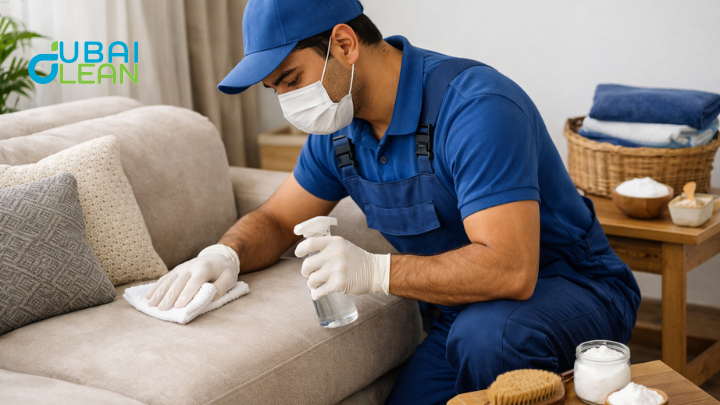
To keep your sofa clean and hygienic, vacuum it regularly and air it out weekly to remove dust and odors. Address spills immediately to prevent stains from setting into the fabric. Perform spot cleaning and sanitize the fabric on a monthly basis for added protection. For a deep and thorough clean, hire professional sofa cleaning services every 6–12 months.

  • Vacuum your sofa at least once a week to remove dust and crumbs.
  • Use a soft brush or upholstery attachment to reach crevices and seams.
  • Air out your sofa regularly by opening windows or using a fan to reduce odors.
  • Wipe down leather or faux leather surfaces weekly to prevent grime buildup.
  • Spot clean spills immediately to prevent stains from setting in.
  • Sanitize fabric monthly using a safe, non-toxic cleaning solution.
  • Rotate cushions regularly to ensure even wear and maintain shape.
  • Deep clean fabric or upholstery professionally every 6–12 months.
  • Steam clean or shampoo extraction can help remove embedded dirt and allergens.
  • Apply fabric or leather protectors after cleaning to extend the sofa’s lifespan.

3. Health Risks of Neglected Sofas

Neglected sofas accumulate dust mites, bacteria, and allergens, increasing the risk of allergies and respiratory problems. They can also cause skin irritation with prolonged contact. Over time, trapped odors reduce indoor air quality, making your home less comfortable and healthy.

Skin Irritation and Bacterial Exposure

Over time, sweat, body oils, and accumulated bacteria seep deep into your sofa’s fabric and cushions. This creates a breeding ground for germs that can irritate sensitive skin. Regular contact with these contaminated surfaces may lead to rashes or minor infections. Children, elderly family members, and those with sensitive skin are especially at risk. Maintaining a clean sofa helps prevent these health issues and keeps your living space hygienic.

Unpleasant Odors and Poor Air Quality

Over time, odors from pets, food, and spills can become trapped deep within your sofa’s fabric and cushions. These lingering smells gradually spread into the surrounding air, making your living space feel less fresh and inviting. Poor indoor air quality caused by these odors can trigger discomfort and breathing issues. Prolonged exposure may affect the overall health and well-being of everyone in your household. Regular cleaning and airing out your sofa helps eliminate these odors and maintain a healthier home environment.

4. Signs Your Sofa Hasn’t Been Cleaned in Months

sofa hasn’t been cleaned in months

One of the easiest ways to tell that your sofa hasn’t been cleaned in months is through visible signs like strong odors, dark patches, and dust clouds that appear when you sit. These indicators show that dirt, oils, and allergens have built up over time, affecting both the appearance and hygiene of your furniture.Another warning sign is how your body reacts to the sofa. Frequent sneezing, itching, or irritation after sitting can indicate the presence of dust mites and allergens. Additionally, sagging or misshaped cushions suggest that dirt and moisture have accumulated inside, weakening the structure and comfort of your sofa.

5. Simple Daily Habits to Keep Your Sofa Cleaner

One of the most effective ways to keep your sofa cleaner is by adopting simple daily habits. Avoid eating or drinking on the sofa to prevent crumbs, spills, and stains from accumulating. Using sofa throws or covers provides an extra layer of protection, making it easier to clean up messes and reducing the buildup of dust, pet hair, and body oils. Even small routines, like giving your sofa a quick vacuum or wipe-down, can make a noticeable difference over time.

Maintaining your sofa also involves taking care of pets and cushions. Regularly grooming and training pets helps minimize hair, dirt, and dander on the furniture, while rotating cushions ensures even wear and prevents sagging. Combining these habits with occasional spot cleaning and airing out the sofa helps maintain hygiene, prolongs the life of the furniture, and keeps your living space fresh, comfortable, and inviting for your family and guests.

6. Months Without Cleaning – How Your Sofa Deteriorates

When sofas aren’t cleaned for months, fabric fibers begin to weaken, and cushions absorb dirt and moisture, causing them to lose shape and comfort. Humid conditions can lead to mold and mildew growth, creating unpleasant odors and health risks. Over time, stains set deep into the fabric, becoming permanent and difficult to remove, shortening the sofa’s lifespan.

IssueWhat HappensImpact on Sofa & Home
Fabric fibers breaking downContinuous dirt and oils weaken fabric threadsSofa looks worn, loses softness and durability
Cushion foam absorbing dirt & moistureSpills, sweat, and dust seep into cushionsCushions become heavy, misshaped, and less comfortable
Mold & mildew growthHumid conditions trap moisture inside paddingCauses unpleasant odors and potential health risks
Stains becoming permanentDirt and spills left untreated settle deep into fabricHard-to-remove marks damage appearance and reduce sofa lifespan

Conclusion 

Regular sofa cleaning is essential not just for maintaining its appearance, but also for ensuring a healthy and comfortable home environment. Neglected sofas harbor dust, allergens, bacteria, and odors that can affect your family’s health and shorten the furniture’s lifespan. By following simple cleaning habits and scheduling professional deep cleans, you can keep your sofa fresh, hygienic, and long-lasting, making your living space safer and more inviting.


FAQS

Share with your friends

David Thompson

Upholstery Care Author & Fabric Specialist
David Thompson is a prominent contributor to the DubaiClean blog, focusing on the science of fabric preservation and restoration. With over a decade of hands-on analysis, David writes comprehensive guides on upholstery maintenance and stain chemistry. He is dedicated to educating property owners on protecting valuable furnishings. Follow his restoration guides to preserve the beauty and hygiene of your home’s fabrics.
Picture of Dubai Clean

Dubai Clean

As a full-service cleaning company in Dubai, we are also offering specialized services for particular occasions. We offer post construction clean-up for newly established or renovated buildings.

Recent Posts

demolition services in dubai
Dubai Demolition Services

Demolition Services: Safe & Professional Building Demolition Guide

Demolition services in Dubai are essential for safely dismantling residential, commercial, and industrial structures. Hiring ...
Read More →
cleaning at home without equipment
Dubai Sofa Deep Cleaning

Professional Tips for Cleaning Your Sofa at Home Without Equipment

Many Dubai households prefer manual sofa cleaning because apartment living often comes with noise restrictions, ...
Read More →
how to remove stubborn grime from chandeliers
DCS Cleaning Services

How to Remove Stubborn Grime from Chandeliers Safely in Dubai Homes

Removing stubborn grime from chandeliers in Dubai requires careful attention to both safety and fixture ...
Read More →
Pest-Related Itchy Skin Reactions - Causes, Symptoms & Care in Dubai Living in Dubai means enjoying a warm climate, modern homes, and an active lifestyle but it also means dealing with pests that thrive in heat and humidity. From bed bugs in apartments to mosquitoes near standing water, pest-related itchy skin reactions are a common yet frustrating problem for residents. That sudden itch, redness, or swelling on your skin is not just uncomfortable, it can signal an underlying pest infestation that needs urgent attention. In this expert guide, we’ll break down what causes pest-related itchy skin reactions, how to identify symptoms, prevention tips tailored for Dubai homes, and when to seek professional care. If you want real answers, long-term relief, and a healthier living environment, you’re in the right place. Why Pest-Related Itchy Skin Reactions Happen Pest-related itchy skin reactions are not random skin problems. They occur when your body responds to bites, allergens, or repeated exposure to household pests that are common in warm climates like Dubai. Understanding the reasons behind these reactions helps in early identification and long-term prevention. Insect Bites Trigger the Body’s Natural Defense System When pests such as bed bugs, mosquitoes, fleas, or mites bite the skin, they inject saliva or venom that contains proteins unfamiliar to the human body. The immune system treats these substances as a threat and releases histamines to protect the skin. This reaction causes itching, redness, swelling, and irritation. In Dubai, where bed bugs and mosquitoes are active throughout the year, these bites often appear overnight and mainly affect exposed areas like the arms, legs, neck, and face. The itching can become intense, especially at night, and scratching may worsen the skin condition or lead to infection. Allergens from Pests Cause Skin Irritation Without Visible Bites Not all pest-related itchy reactions come from direct bites. Many pests release allergens through droppings, shed skin, or microscopic particles that remain in carpets, mattresses, sofas, and air-conditioning systems. Dust mites and cockroaches are common sources of these allergens in Dubai homes, especially in humid indoor environments. When the skin comes into contact with these allergens, it can develop persistent itching, rashes, or dryness without obvious bite marks. This often leads to confusion, as people mistake the reaction for eczema or seasonal allergies. Continuous Exposure Makes Skin More Sensitive Over Time When a pest problem is left untreated, repeated exposure can cause the skin to become increasingly sensitive. Each new bite or contact triggers a stronger reaction than before, leading to chronic itching, inflammation, and sometimes painful sores. In shared residential buildings across Dubai, pests can easily spread between apartments, making repeated exposure more likely. Over time, the skin’s protective barrier weakens, increasing the risk of bacterial infections and scarring. This is why treating the infestation itself is essential, not just managing the skin symptoms. Signs and Symptoms of Pest-Related Itchy Skin Reactions Pest-related itchy skin reactions can look different from person to person, depending on the type of pest, skin sensitivity, and level of exposure. Recognizing the early signs and symptoms is important to prevent discomfort from turning into a long-term skin or health issue. Persistent Itching and Redness on Exposed Skin One of the earliest and most common signs of a pest-related itchy skin reaction is persistent itching accompanied by redness. This usually appears on exposed areas of the body such as the arms, legs, neck, shoulders, or face. The itching may start mild but often becomes more intense over time, especially at night when pests like bed bugs and mosquitoes are most active. In many cases, scratching provides temporary relief but ends up worsening the irritation, causing the skin to become inflamed, swollen, or even cracked. This symptom is especially common in Dubai homes where warm indoor temperatures allow pests to remain active year-round. Red Bumps, Rashes, or Clustered Bite Marks Another clear symptom is the appearance of red bumps, small rashes, or bite marks that may form in clusters or straight lines. Bed bug bites often show up in patterns, while flea bites are commonly found around the ankles and lower legs. Mosquito bites, on the other hand, appear as raised, itchy welts. These marks can vary in size and may darken over time, particularly on sensitive skin. In some cases, blisters or fluid-filled bumps may develop, indicating a stronger allergic reaction. If new marks continue to appear daily, it is often a sign of an ongoing pest infestation rather than a one-time exposure. Swelling, Burning Sensation, or Signs of Infection In more severe cases, pest-related skin reactions can cause noticeable swelling, warmth, or a burning sensation around the affected area. This usually happens when the body has a strong immune response or when repeated scratching damages the skin barrier. Open sores created by scratching can allow bacteria to enter, leading to infection. Symptoms of infection may include pus, pain, increased redness, or fever. In Dubai’s humid climate, these infections can worsen quickly if not treated properly. At this stage, both medical attention and professional pest control become necessary to stop the cycle of irritation and exposure. Myths vs Facts About Pest-Related Itchy Skin Reactions There are many misconceptions surrounding pest-related itchy skin reactions, which often lead people to ignore the real cause or delay proper treatment. Understanding the difference between myths and facts helps you take the right action early and prevent recurring skin irritation and pest infestations. Myth Fact Itchy skin reactions are always caused by allergies or sensitive skin Pest bites and pest allergens are a common cause of itchy skin, especially in warm climates like Dubai where pests are active year-round If there are no visible bite marks, pests are not the problem Many pests, such as dust mites and cockroaches, cause itching through allergens without leaving visible bite marks Bed bugs only exist in dirty homes Bed bugs can infest even clean, well-maintained homes and are often brought in through luggage, furniture, or shared buildings Mosquito bites are harmless and do not need attention Scratching mosquito bites can lead to skin infections, scarring, and prolonged irritation if not treated properly Home remedies alone can permanently solve pest-related skin issues Home remedies may soothe symptoms, but professional pest control is needed to eliminate the root cause Pest problems go away on their own over time Without proper treatment, pest infestations often worsen and cause repeated skin reactions Why DubaiClean Is a Trusted Choice for Pest Control in Dubai Choosing the right pest control service is essential to protect your home and family from recurring itchy skin reactions and infestations. DubaiClean has earned the trust of residents across the city by providing safe, effective, and long-lasting solutions tailored to Dubai’s unique environment. Dubai-Specific Expertise: We understand the pests that are most common in Dubai homes and apartments, from bed bugs to mosquitoes and fleas. Safe and Eco-Friendly Treatments: All our solutions are approved, child-safe, and pet-friendly, ensuring a healthy living environment. Thorough Inspections: Our trained technicians identify hidden infestations, entry points, and high-risk areas before treatment. Targeted Pest Control: We provide pest-specific treatments that eliminate the problem at the source, not just temporarily relieve symptoms. Long-Term Prevention Advice: We educate homeowners on maintaining pest-free spaces with simple, effective measures. Experienced and Professional Team: Our certified technicians are skilled, reliable, and equipped to handle both small and large-scale infestations. Transparent Pricing and Follow-Ups: We offer clear service plans with follow-up inspections to prevent pests from returning. Conclusion Pest-related itchy skin reactions are more than just a minor inconvenience they are a clear signal that pests are affecting your home and your health. From bed bugs and mosquitoes to fleas and dust mites, these tiny invaders can cause persistent itching, rashes, and even infections if left untreated. Preventing and addressing these reactions requires a combination of proper home hygiene, awareness of common symptoms, and professional pest control services. While home remedies can provide temporary relief, only expert solutions can eliminate pests at the source and ensure your home stays safe and itch-free.
Dubai Pest Control

Pest-Related Itchy Skin Reactions – Causes, Symptoms & Care in Dubai

Living in Dubai means enjoying a warm climate, modern homes, and an active lifestyle but ...
Read More →
professional marble floor installation
Dubai Marble Cleaning Services

Professional Marble Floor Installation Benefits, Lifespan & Standards

Marble flooring has long been celebrated for its timeless elegance, durability, and ability to elevate ...
Read More →
Safe chemicals for potable water tank
Dubai Water Tank Cleaning

Water Tank Disinfection & Safe Sanitization: Complete Guide

In the UAE, high-rise residential and commercial buildings rely on clean water for health and ...
Read More →
Contact Us
Scroll to Top