


Introduction
Water is vital to our daily lives, and keeping it clean is key to staying healthy. In Dubai, water is stored in tanks before we use it, so regular tank cleaning is a must to avoid contamination and ensure good water quality. Over time, tanks can collect dirt, algae, bacteria, and other harmful germs, which leads to health problems such as skin irritations, stomach infections, and other waterborne illnesses.
Using water tank cleaning services regularly removes these harmful substances, giving you safe and clean water for your home or business. Dubai Municipality has strict rules for water tank treatment and disinfection to make sure water storage systems stay clean and well looked after.
This guide will explain everything you need to know. You’ll learn why it’s important, how often to clean your tank, the cleaning process, and how to pick the right service. Whether you’re a homeowner or managing a business, understanding the need for clean water storage will help protect your health and meet local hygiene standards.
Why Regular Cleaning is Essential
Clean water is vital for our health, and where many buildings depend on water tanks, it’s important to keep them clean. Over time, water tanks can gather dirt, sediment, algae, and harmful bacteria. This makes regular cleaning essential for both health and safety. Here’s why:
Prevents Health Risks
Dirty water can cause serious health problems, such as:
- Bacterial infections – Harmful bacteria like E. coli and Legionella can grow in unclean water tanks, leading to illnesses like gastroenteritis and Legionnaires’ disease.
- Skin and respiratory problems—Contaminated water in neglected tanks can cause skin rashes, allergies, and even breathing issues caused by mould and fungi.
Ensures Safe and Clean Drinking Water
Even if you drink filtered water, water from contaminated tanks can be used for other purposes, such as washing, bathing, and cooking. If the tank isn’t cleaned regularly, impurities can mix in, causing bad smells, discolouration, and unsafe water.
Prevents Algae, Mold, and Slime Build-up
Water left standing in tanks creates the perfect place for algae and mould to grow. This leads to bad taste, foul odours, and health risks. Professional water tank disinfection removes these harmful elements, ensuring fresh, clean water.
Protects Plumbing Systems and Appliances
Sediment and dirt in the tank can clog pipes, taps, and appliances like water heaters, washing machines, and dishwashers. Regular cleaning can stop this, protecting your plumbing and improving efficiency.
Complies with Dubai Municipality Regulations
They enforce strict water tank treatment and hygiene rules to make sure water remains safe for use. Regular cleaning and disinfection by a certified tank cleaning service help you stay compliant with these rules and avoid fines.
Improves Water Tank Lifespan
Dirt and rust can cause the tank to wear out, leading to leaks and damage. Regular cleaning and maintenance extend the life of your water tank, reducing costly repairs or replacements.
By choosing professional cleaning, you can create a healthier living environment, prevent expensive plumbing problems, and ensure you have safe, clean water every day.
Understanding Water Tank Contaminants
Water tanks are essential for storing water, but without regular cleaning, they can become a breeding ground for harmful contaminants. These impurities not only affect the quality of water but also pose serious health risks. Knowing what types of contaminants can build up in water tanks helps property owners take steps to ensure their water is safe to use.
- Bacteria and Microorganisms: One of the most dangerous types of contamination in unclean water tanks is bacteria. Some common bacteria include:
- E. coli – This bacteria can enter the water from faecal contamination, causing stomach infections and diarrhoea.
- Legionella – Found in warm, stagnant water, it can cause Legionnaires’ disease, a serious lung infection.
- Salmonella – Known for causing food poisoning symptoms when ingested from contaminated water.
- Algae and Fungal Growth: If a tank is poorly maintained or exposed to sunlight for long periods, algae and fungi can grow inside. These contaminants can:
- Change the water’s taste and colour.
- Encourage mould, which can cause allergies and respiratory problems.
- Create a slippery, slimy layer on the tank walls, making it harder to clean.
- Sediments and Rust: Over time, minerals, dust, and other particles settle at the bottom of the tank, forming thick layers of sediment. This can cause:
- Blockages in pipes and filters, reducing water flow and damaging plumbing.
- Rust and corrosion, especially in metal tanks, can lead to leaks and structural damage.
- Insect and Pest Infestation: Stagnant water attracts pests like mosquitoes and cockroaches. These pests bring in contaminants such as:
- Eggs and larvae: Mosquitoes lay eggs in still water, leading to potential disease outbreaks.
- Dead insects and droppings: These can introduce harmful bacteria, making the water unsafe to drink.
- Chemical Contaminants: Water tanks can also be affected by chemical pollutants such as:
- Chlorine byproducts: Though chlorine is used to disinfect, too much of it can cause bad smells and health risks.
- Heavy metals: The corrosion of pipes and metal tanks can release lead, iron, and copper into the water, which can be harmful over time.
- Biofilm Formation: Biofilm is a slimy layer made up of bacteria, fungi, and organic material that forms inside tanks. This:
- Protects bacteria from disinfectants like chlorine.
- Acts as a breeding ground for harmful germs.
- Reduces water quality and increases the risk of contamination.
Why It’s Important to Remove These Contaminants
If left untreated, these contaminants can:
- Cause serious health problems.
- Lower the effectiveness of water filtration systems.
- Damage your plumbing.
- Violate Municipality’s water safety regulations.
Regular cleaning and disinfection remove these harmful substances, ensuring your water is safe to use. Scheduling professional cleaning services in Dubai helps prevent contamination, improves water quality, and protects the health of your household or business.
DIY vs. Professional Water Tank Cleaning: Which is Better?
When it comes to cleaning your water tank, the decision often boils down to whether to do it yourself or hire a professional. While DIY cleaning might seem like a more affordable option, it has limitations compared to a professional service. Here’s a comparison to help you decide which option is best for you. Learn about some unique ways to clean your water tanks.
Equipment and Cleaning Efficiency
DIY Cleaning: Homeowners usually rely on simple tools like scrubbing brushes, buckets, and household cleaners, which may not effectively remove all contaminants, especially stubborn biofilms, sediments, and bacteria.
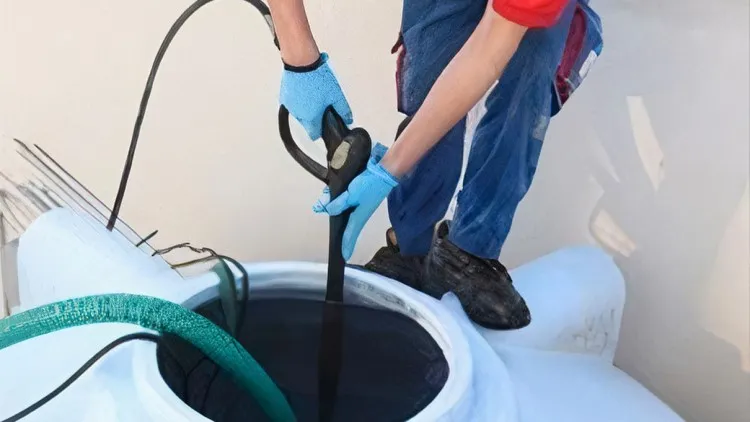
Professional Cleaning: Experts use advanced tools like high-pressure jet cleaners, industrial vacuums, and specialised disinfectants to tackle contamination at all levels, ensuring a deeper clean and removing harmful bacteria, algae, and sediment more effectively.
Time and Effort
DIY Cleaning: Cleaning a water tank can be a labour-intensive process, especially for larger tanks. It requires draining the tank, scrubbing the walls, and ensuring the tank is thoroughly rinsed and disinfected.
Professional Cleaning: A trained team can complete the cleaning quickly and efficiently, ensuring minimal disruption to your water supply, leaving you with more time to focus on other important tasks.
Water Tank Disinfection
DIY Cleaning: Many homeowners use household bleach or vinegar for disinfection, but these may not be strong enough to kill harmful bacteria like E. coli or Legionella.
Professional Cleaning: Certified professionals use Municipality-approved disinfectants, which ensure effective water tank sanitation and prevent harmful bacteria from growing, keeping your water safe to drink.
Safety Considerations
DIY Cleaning: Cleaning a water tank can be dangerous, especially if it’s confined or has poor ventilation. Without the right safety equipment, there’s a risk of slips, falls, and exposure to harmful microorganisms.
Professional Cleaning: Professionals follow strict safety protocols, using protective gear, harnesses, and proper ventilation techniques to clean tanks safely. This ensures both the cleaning team and your property are protected.
Compliance with Dubai Municipality Regulation
DIY Cleaning: Homeowners may not be fully aware of the Municipality’s guidelines for water tank hygiene. This could lead to non-compliance with health and safety standards, which can result in fines or issues with water quality.
Professional Cleaning: Licensed cleaning services are familiar with the regulations and ensure their work meets the standards set by the Municipality. This ensures that your water tank is clean and compliant with local hygiene regulations.
Cost Factor
DIY Cleaning: While DIY cleaning may appear cheaper initially, it can be time-consuming and require purchasing cleaning materials, which might not be as effective.
Professional Cleaning: Although professional cleaning services come with a cost, they offer a thorough and long-lasting clean, reducing the risk of future contamination and costly repairs, saving you money in the long run.
Which Option is Better?
For smaller, lightly contaminated tanks, DIY cleaning might be manageable. However, for a thorough, effective cleaning with proper disinfection and long-term water safety, professional cleaning is the better option. By investing in expert cleaning services, you can ensure your water is safe, clean, and compliant with local hygiene standards, giving you peace of mind and protecting your health.
The Water Tank Cleaning Process
This is crucial for maintaining water hygiene and preventing contamination. Professional cleaning services follow a structured process to ensure effective cleaning and disinfection. Here’s a step-by-step breakdown of the process:
Inspection and Assessment
Before starting the cleaning, the professionals inspect the water tank to:
- Check for sediment buildup, rust, algae, and bacterial contamination.
- Identify any leaks, cracks, or structural damage.
- Assess the water quality and determine the best cleaning method for your tank.
Draining the Water Tank
The tank is completely drained using pumps to remove all the stored water. In some cases, sediment and sludge at the bottom of the tank are extracted separately to prevent clogging during the cleaning process.
Scrubbing and Removal of Contaminants
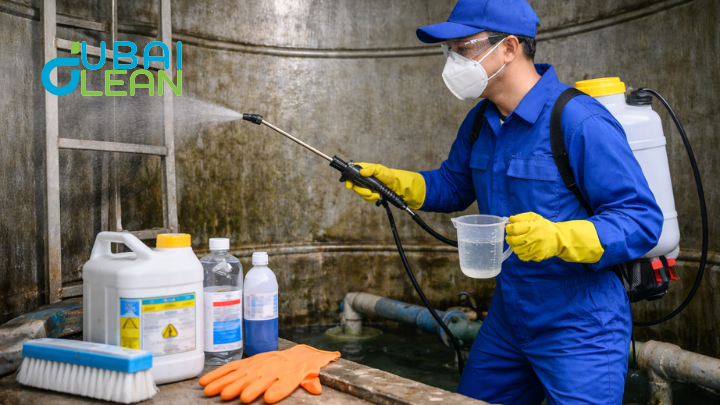
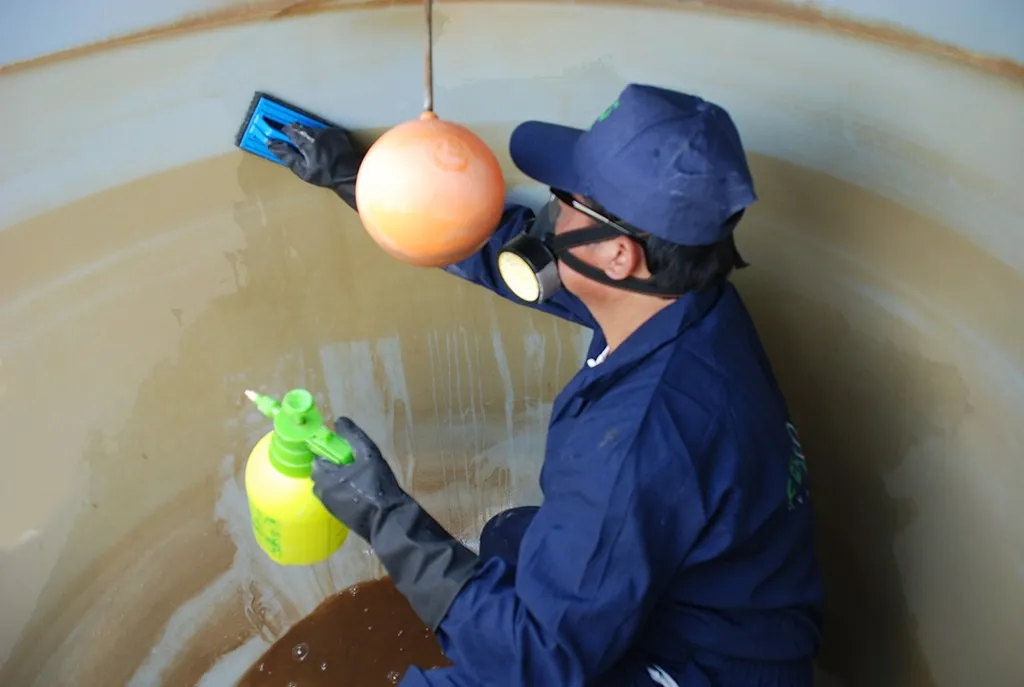
Technicians use high-pressure jet cleaners and scrubbing brushes to thoroughly clean the inner walls, floor, and ceiling of the tank. This process removes dirt, biofilm, algae, and any other contaminants stuck to the tank’s surface.
Sludge and Sediment Removal
Any remaining sludge, rust, or solid debris is vacuumed out to ensure a completely clean surface. In metal tanks, corrosion and rust deposits are treated to prevent further damage.
Disinfection and Water Tank Treatment
The tank is then disinfected using Municipality-approved solutions such as chlorine-based or eco-friendly sanitisers. These disinfectants kill harmful bacteria, viruses, and microorganisms in the tank. The disinfectant is left to sit for a designated period to ensure thorough sanitisation.
High-Pressure Rinsing
The tank is rinsed multiple times using high-pressure clean water to remove any traces of cleaning agents or disinfectants. This ensures that the water in the tank is free of chemical residues and safe for use.
Final Inspection and Refilling
Once cleaning is complete, the tank is inspected to confirm that all contaminants have been removed. Clean water is then refilled into the tank, and the system is tested to ensure that the water is clear, the flow is appropriate, and the tank is hygienic.
Post-Cleaning Water Quality Testing (Optional)
Some professional services offer water quality testing after cleaning to check for bacterial presence and overall safety. This adds an extra layer of assurance that the water is safe for consumption and use.
How Often Should You Clean Your Water Tank?
- Residential Tanks: At least every 6 months.
- Commercial & Industrial Tanks: Every 3 to 6 months, depending on usage and Dubai Municipality regulations.
By following this systematic approach, professional cleaning services ensure that your water remains clean, safe, and in compliance with hygiene standards, protecting the health of your household or business. You can watch DubaiClean’s tank cleaning videos on YouTube by clicking here.
Post-Cleaning Maintenance Tips for Water Tanks
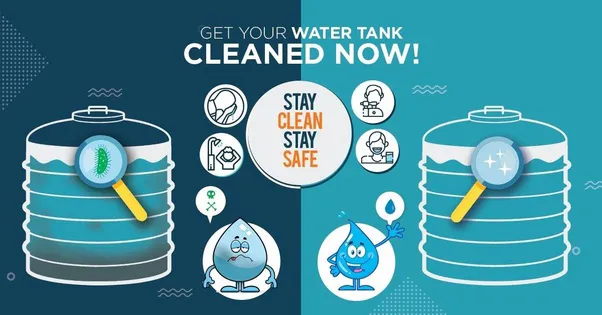
Once your service is done, maintaining cleanliness is vital for long-term water safety and to prevent contamination. Regular upkeep helps extend the life of your tank and ensures the water stays fresh and hygienic. Here are some important post-cleaning maintenance tips to follow:
- Keep the Tank Covered and Sealed: Always ensure the tank lid is tightly closed to stop dust, insects, and debris from entering. Check for cracks or gaps in the cover and seal them properly to avoid contamination.
- Monitor Water Quality Regularly: Pay attention to the colour, smell, and taste of the water. Any unusual changes could suggest contamination. If the water appears cloudy or smells unpleasant, consider testing it for bacteria or chemical impurities.
- Schedule Routine Inspections: Carry out visual checks every 1-2 months to spot sediment buildup, algae growth, or leaks. If you notice rust, mould, or insects, arrange for a professional cleaning service immediately.
- Clean and Flush Pipes and Filters: Pipes and filters can accumulate sediment and bacteria over time. Regularly flush out plumbing lines and replace filters to ensure clean water throughout the system.
- Use Safe Water Treatment Methods: If necessary, use chlorination tablets or UV water purifiers to maintain water hygiene between cleanings. Avoid using too many chemicals, as they can affect the taste and quality of the water.
- Prevent Stagnant Water Accumulation: Make sure water circulates properly by using the tank regularly. Stagnant water can promote bacterial growth and cause bad smells. If the tank remains unused for a long time, consider partially draining and refilling it with fresh water.
- Follow a Regular Cleaning Schedule: Residential tanks should be cleaned at least every 6 months. Commercial and high-usage tanks may need cleaning every 3-6 months to comply with the Municipality hygiene standards.
By following these simple post-cleaning maintenance tips, you can ensure your water tank remains clean and your water stays safe, helping to minimise health risks. Combining regular upkeep with professional cleaning services will maintain top-notch water quality for your home or business.
Conclusion
Regular cleaning is crucial to ensure that the water you use at home or in your business remains clean, safe, and hygienic. Over time, tanks accumulate harmful contaminants like sediment, bacteria, algae, and other pollutants, which can lead to serious health risks if not addressed. Whether you decide to clean the tank yourself or hire professional cleaning services in Dubai, sticking to a proper cleaning schedule is essential for maintaining water safety.
Professional cleaning and disinfection not only eliminate these dangerous contaminants but also help you stay compliant with the Municipality regulations, offering peace of mind. Additionally, following post-cleaning maintenance tips—such as sealing the tank, monitoring water quality, and scheduling regular inspections—can ensure your water remains safe and fresh between cleanings.
For the best outcomes, it’s highly recommended to hire expert cleaners. These professionals use advanced cleaning methods and safe disinfectants to ensure thorough and effective cleaning. By prioritising water hygiene, you protect your health, prolong the life of your tank, and ensure continuous access to fresh, contaminant-free water.