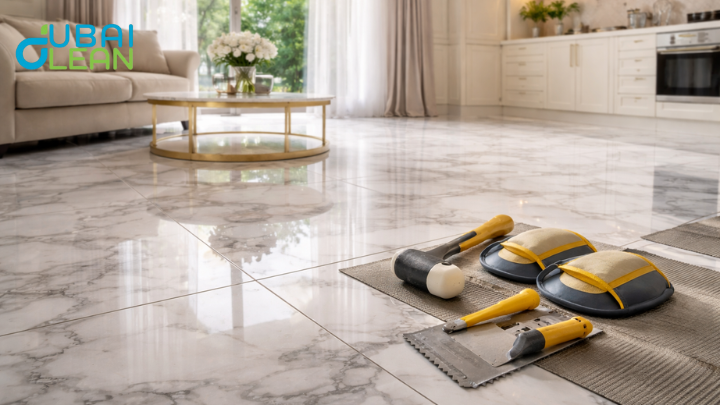



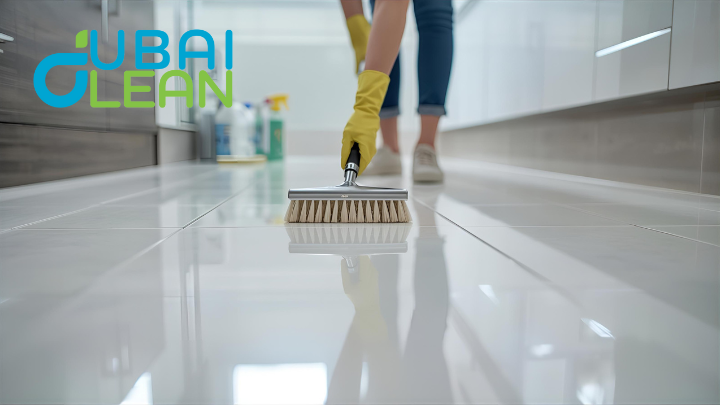
Grout is the substance that fills the spaces between tiles, keeping them firmly in place while providing a seamless, polished finish. Over time, however, grout easily collects dirt, soap scum, mold, and mildew especially in moisture-prone areas like bathrooms and kitchens. Because grout is porous, it absorbs stains and bacteria, making it one of the first places to show signs of wear and tear.
Regular grout cleaning is essential not just for maintaining the beauty of your tiles, but also for ensuring a healthy and hygienic living space. Clean grout brightens up floors and walls, prevents mold-related health issues, and enhances the overall appearance of your home.
In this guide, we’ll focus on practical ways to keep grout looking fresh, with a special emphasis on bathroom grout, floor tile grout, and effective DIY cleaning methods you can try at home.
1. Understanding Grout: Why It Gets Dirty and How to Clean It?
Grout is a cement-based mixture that fills the narrow spaces between tiles, keeping them firmly in place while providing a smooth, polished finish. It not only enhances the overall look of tiled surfaces but also helps prevent dirt and moisture from seeping beneath the tiles.
Though grout is durable, it is porous by nature, making it prone to absorbing liquids, dust, and other substances. Over time, exposure to moisture, soap scum, dirt, mold, and mildew leads to unsightly discoloration. High-humidity areas like bathrooms and kitchens are particularly prone to this problem, as steam and water provide the perfect environment for grime buildup. For professional assistance in keeping your grout spotless, you can check out DubaiClean’s grout cleaning, which specialize in deep cleaning and restoring grout to like-new condition.
Dirty grout is more than just an eyesore. It can harbor bacteria, allergens, and mold spores that may affect indoor air quality and even trigger respiratory problems. On a visual level, stained grout can make even the most beautiful tiles look old, neglected, and unclean, reducing the overall appeal of your space.
2. Best Grout Cleaners: Choosing the Right Product
When it comes to cleaning grout, the right product makes all the difference. From strong chemical solutions to gentle homemade recipes, each option has its own benefits depending on the severity of the stains and the type of surface.
Chemical vs. Natural DIY Solutions
When choosing the right grout cleaner, it’s important to understand the differences between chemical and natural DIY solutions. Chemical cleaners work quickly on tough stains and mold but may contain harsh ingredients requiring gloves and proper ventilation. Natural DIY solutions, like baking soda, vinegar, and hydrogen peroxide, are safer, budget-friendly, and perfect for regular maintenance, though they may need a bit more scrubbing effort.
| Aspect | Chemical Grout Cleaners | Natural DIY Solutions |
| Effectiveness | Cuts through stubborn stains, soap scum, and mold quickly | Effective for light-to-moderate stains; may require more scrubbing |
| Speed | Fast results | Slower results compared to chemical cleaners |
| Safety | May contain harsh ingredients; requires gloves and ventilation | Child and pet-friendly, non-toxic, and safe for use in homes |
| Cost | Generally higher | Cost-effective; uses common household ingredients |
| Ease of Use | Ready-to-use; convenient | Simple to prepare at home |
Popular Commercial Grout Cleaners: Pros and Cons
Many well-known grout cleaners are available in the market, each designed to target specific problems. For example, heavy-duty cleaners can restore heavily discolored grout, while foaming sprays make it easier to tackle vertical surfaces like bathroom walls. The pros include convenience, speed, and powerful stain removal. However, the cons may include strong odors, potential tile damage if overused, and higher costs compared to DIY alternatives.
Eco-Friendly and Safe Alternatives
For households with children, pets, or sensitivity to chemicals, eco-friendly options are the best choice. Plant-based grout cleaners, green-certified sprays, or simple natural mixtures of lemon juice and baking soda can be just as effective for routine cleaning. These options not only minimize exposure to harmful chemicals but also help protect the environment by reducing toxic waste.
3. Bathroom Tile and Grout Cleaner: Targeting Tough Stains
Bathroom grout tends to be one of the most challenging areas to keep spotless. Unlike other areas of the home, bathrooms are exposed to constant humidity, steam, soap residue, and shampoo build-up, which makes grout a breeding ground for mold and mildew. Over time, this leads to stubborn stains that can make your tiles look dull, even when freshly cleaned. For additional tips and real-life advice on tackling tough grout stains, you can check out this Reddit discussion on stubborn grout stains.
Step-by-Step Process with Store-Bought Cleaner
- Start by spraying a commercial bathroom grout cleaner directly onto the stained areas.
- Allow the solution to sit for 5 to 10 minutes, enabling it to penetrate deeply into the grout lines.
- Scrub the stains thoroughly using a stiff-bristled grout brush or an old toothbrush.
- Use a damp sponge or cloth to wipe away any loosened dirt.
- After cleaning, rinse the tiles with fresh water and dry them properly to avoid moisture accumulation.
DIY Bathroom Grout Cleaning Recipes
If you prefer natural methods, several household items can work wonders on bathroom grout:
- Vinegar and Baking Soda Paste: combine baking soda and water, apply it to grout lines, and then spray vinegar on top for enhanced effectiveness. Scrub after fizzing stops.
- Hydrogen Peroxide Solution: blend hydrogen peroxide with baking soda. This mixture is particularly effective for removing mold stains.
- Lemon Juice Cleaner: Natural acidity in lemon juice helps break down light stains while leaving a fresh scent.
4. How to Clean Grout Between Floor Tiles
Floor grout is one of the first areas to show dirt and stains, especially in kitchens, entryways, and other high-traffic zones. Since grout is porous, it traps dust, food particles, and spills, making floors look older and less appealing. With the right tools and cleaning methods, however, you can restore grout to its original brightness.
Tools You’ll Need
- Grout brush or stiff-bristled brush
- Old toothbrush for narrow spaces
- Sponge or microfiber cloth
- Spray bottle for applying solutions
- Warm water and towels for rinsing and drying
Natural vs. Chemical Solutions: For light to moderate stains, natural cleaners like vinegar, baking soda, and hydrogen peroxide are safe and effective. They’re ideal for regular maintenance and households with children or pets. For tougher stains and deeply embedded dirt, chemical grout cleaners or oxygen bleach solutions provide stronger results, though they should be used with gloves and proper ventilation.
Step-by-Step Cleaning Method
- Mix your chosen cleaning solution and pour it into a spray bottle.
- Spray generously onto the grout lines and let it sit for 5–10 minutes.
- Scrub the grout with a grout brush or toothbrush in circular motions.
- Wipe away loosened dirt with a damp sponge.
- Rinse the area with fresh water to eliminate any remaining residue.
- Dry thoroughly to prevent new stains from forming.
Tips for High-Traffic Areas: Grout in kitchens, hallways, and entryways tends to get dirtier faster. To keep these areas looking fresh:
- Sweep and mop floors regularly to minimize buildup.
- For additional protection, apply a grout sealer every 6 to 12 months.
- Place rugs or mats in entryways to reduce tracked-in dirt.
- Perform spot cleaning as soon as spills or stains occur to prevent discoloration.
5. How to Clean Floor Tile Grout Without Damaging Tiles
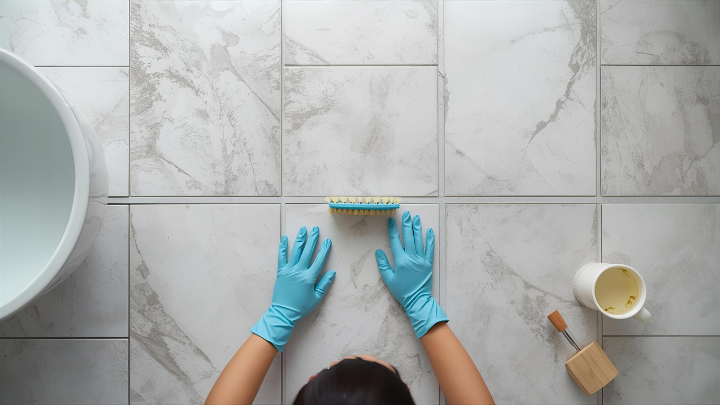
While cleaning grout is essential, it’s equally important to protect your tiles in the process. Using the wrong tools or harsh chemicals can damage tile surfaces, leaving scratches or dull patches that are difficult to fix. With the right approach, you can restore grout without compromising the beauty of your flooring. For professional help, DubaiClean offers expert grout cleaning services that safely restore tiles and grout to like-new condition.
Common Mistakes to Avoid: One of the biggest mistakes homeowners make is using harsh acids like undiluted vinegar or bleach directly on grout. These can erode grout over time and weaken the bond between tiles. Using abrasive tools like steel wool or wire brushes can scratch and damage tile surfaces. Overusing strong chemical cleaners can also strip away protective grout sealers, making grout more vulnerable to future staining.
Best Practices for Safe Grout Cleaning: To safely clean floor grout, always start with mild solutions such as baking soda paste or diluted vinegar, moving to stronger options only when necessary. Use a soft to medium-bristled grout brush instead of overly abrasive tools, and rinse thoroughly with warm water to prevent residue buildup. Cleaning in small sections helps ensure even results while protecting your tiles.
Sealing Grout After Cleaning: Once grout has been deep cleaned, applying a quality grout sealer is one of the best ways to lock in cleanliness. Sealers act as a barrier against moisture, stains, and dirt, making future cleaning easier and less frequent. For high-traffic areas, resealing once or twice a year is highly recommended.
Recommended Frequency for Cleaning and Resealing: For long-lasting results, grout should be spot-cleaned weekly and deep cleaned every 2–3 months depending on foot traffic. Resealing should be done every 6–12 months, or sooner in areas like kitchens, bathrooms, and entryways where grout is more exposed to moisture and dirt.
6. Pro Tips for Long-Lasting Clean Grout
Keeping grout clean doesn’t have to be a constant struggle. By adopting regular maintenance routines, such as sweeping or vacuuming tiled floors and wiping down bathroom tiles after showers, you can prevent moisture buildup, mold, and mildew while prolonging grout life.
Quick daily and weekly habits, like using a microfiber cloth or mop in high-traffic areas and lightly scrubbing grout lines with a baking soda paste or mild cleaner, help maintain brightness, while a toothbrush or small grout brush can tackle stubborn spots safely.
Applying a quality grout sealer or protective coating further shields grout from dirt, moisture, and stains, making future cleaning easier and extending durability, especially in kitchens, bathrooms, and entryways.
However, for deeply discolored grout, persistent mold, or large areas that need resealing, professional grout cleaning services offer specialized tools and solutions to restore grout to like-new condition efficiently and safely.
7. Conclusion
Maintaining clean grout is crucial for both the hygiene and aesthetics of your home. Well-maintained grout not only enhances the beauty of your tiles but also prevents the buildup of mold, mildew, and bacteria that can affect your family’s health.
Whether you choose DIY cleaning methods using natural solutions or opt for professional grout cleaning services for tough stains, maintaining grout regularly ensures a fresher, brighter living space.
Don’t wait for stains and dirt to take over start your grout cleaning today for a fresher, healthier home!