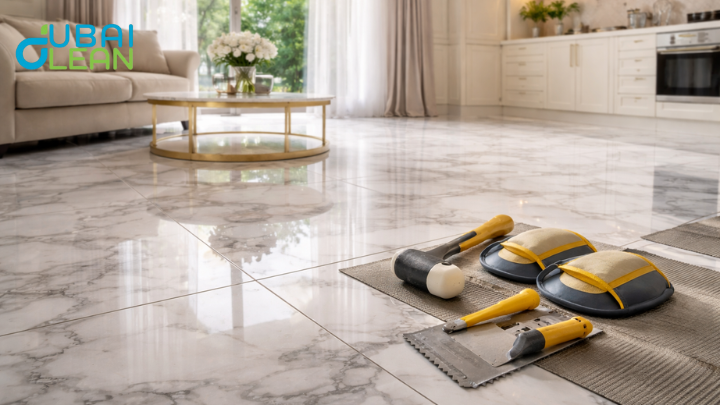


Tiling projects are not just about picking the right design, size, or pattern of tiles-they also depend on the strength of the materials used to hold everything together. Adhesives, grouts, and fillers play a vital role in ensuring that tiles stay firmly in place, resist moisture, and last for years without cracks or gaps. Without the right bonding materials, even the most beautiful tiles can lose their shine and stability over time.
Importance of Adhesives and Fillers in Tiling Projects
Adhesives and fillers act like the invisible backbone of tiling work. They keep tiles secure, prevent water leakage, and give a smooth, polished finish. Using the right adhesive means tiles won’t shift or loosen, while fillers and grout maintain strong joints that stop dust, mold, or dirt from settling in gaps. Simply put, these materials are what make tiling safe, durable, and visually appealing.
Overview of Types: Tile Adhesive, Tile-to-Metal Adhesive, Silicone Grout, and Gap Fillers
There are different bonding and filling solutions available depending on where and how tiles are being used. Tile adhesive is ideal for fixing tiles on walls and floors, ensuring strong grip and flexibility. Tile-to-metal adhesive is specially designed for bonding tiles to non-porous, smooth surfaces like steel or aluminum. Silicone tile grout offers waterproof and mold-resistant protection, especially in bathrooms and kitchens. Finally, tile gap fillers help cover cracks or empty spaces, providing a neat and long-lasting finish. Together, these products guarantee durability and safety in any tiling project.
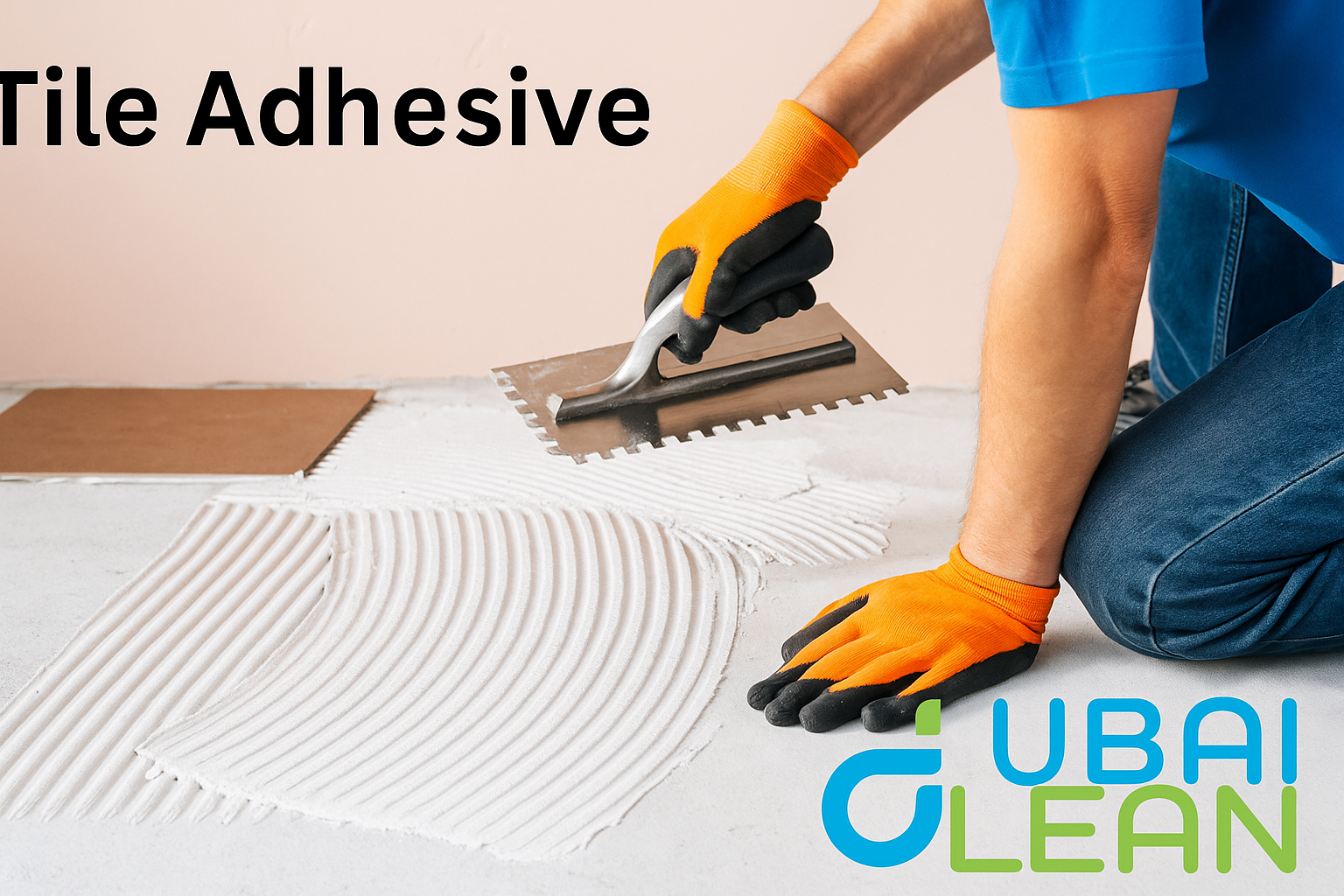
1.Tile Adhesive
Tile adhesive is a specially formulated material used to fix tiles securely onto surfaces such as floors, walls, or countertops. Unlike traditional cement, it provides a stronger bond and allows flexibility, preventing cracks caused by movement or temperature changes. Its purpose is to ensure tiles remain firmly attached while maintaining a neat, professional finish.
Benefits of Using Tile Adhesive
Tile adhesive offers several advantages over regular mortar. It provides strong bonding strength, which ensures tiles stay in place even under heavy use. The easy application process makes tiling faster and cleaner, reducing the mess compared to cement. Moreover, it delivers durability and long-lasting results, resisting moisture and temperature fluctuations, which is essential for Dubai’s climate.
Best Uses of Tile Adhesive
Tile adhesive is versatile and works well in different areas of construction.It is widely used on indoor floors to achieve a smooth and even surface.In bathroom walls, it ensures water resistance while keeping tiles intact in wet conditions. For outdoor areas, its strength and flexibility help tiles withstand weather exposure, making it suitable for patios, terraces, and garden walkways.
2.Tile to Metal Adhesive
Tile to metal adhesive is a specialized bonding material designed to attach tiles securely to non-porous surfaces like steel, aluminum, or other metals. Unlike regular adhesives, it creates a strong grip on smooth finishes where traditional options fail.It delivers superior heat resistance, strong durability, and exceptional flexibility, making it perfect for use in both indoor and outdoor settings. This adhesive is commonly applied in staircases, industrial environments, and decorative panels, ensuring tiles stay in place even under stress or temperature changes. Its strength and reliability make it essential for projects that require a long-lasting bond between tile and metal.
Why Use Tile to Metal Adhesive?
Regular tile adhesives often have difficulty adhering to smooth, non-porous surfaces such as steel or aluminum. Tile to metal adhesive is specially designed to create a strong grip between tiles and metallic surfaces. This makes it the perfect solution for projects where ordinary adhesives fail, ensuring durability and preventing tiles from detaching over time.
Advantages of Tile to Metal Adhesive
Tile-to-metal adhesive offers unique benefits that make it reliable for challenging surfaces. It provides excellent heat resistance, allowing it to perform well in both hot and cold environments. Its strong hold ensures that tiles remain firmly fixed, even under pressure or vibration. The adhesive also delivers flexibility, which helps absorb slight movements between tile and metal, reducing the risk of cracks or breaks.
Applications of Tile to Metal Adhesive
This type of adhesive is widely used in both residential and industrial projects. On staircases, it provides a secure bond where metal meets tile, adding safety and style. In industrial settings, it’s ideal for factories, workshops, and areas exposed to high temperatures or heavy use. For decorative panels, it allows tiles to be mounted onto metal surfaces, creating sleek, modern designs that combine strength with aesthetics.
3.Silicone Tile Grout
Silicone tile grout is a flexible, water-resistant material that seals gaps between tiles, protecting them from moisture damage. Unlike traditional grout, it prevents cracking and adjusts to minor movements, making it perfect for wet or humid areas. Its mold-resistant properties keep tiled areas hygienic and easier to maintain. Commonly used in bathrooms, kitchens, and other wet areas, silicone grout ensures a neat finish while adding durability to tiled surfaces. It’s an essential choice for long-lasting, water-resistant tiling projects.
Benefits of Silicone Tile Grout
Using silicone tile grout comes with several advantages. Its waterproofing ability prevents water from seeping into gaps, reducing the risk of tile damage. The mold resistance feature keeps tiled areas hygienic and clean, especially in humid conditions. Additionally, its flexibility allows it to handle minor tile movement without cracking, ensuring long-term durability.
Common Applications
Silicone tile grout is widely used in bathrooms, where water exposure is high, ensuring tiles stay protected. In kitchens, it seals gaps around counters and backsplashes, keeping the area neat and hygienic. It is also perfect for wet areas such as laundry rooms, swimming pool edges, and outdoor water features, where waterproofing is essential.
4.Tile Gap Filler
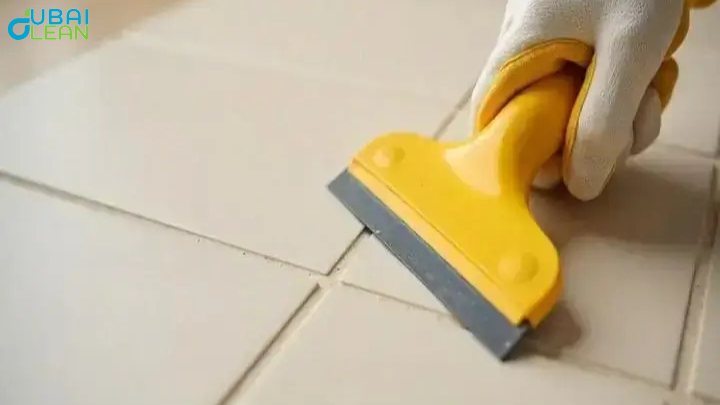
Tile gap filler is a specialized material used to seal cracks and spaces between tiles, ensuring a smooth and even surface. It prevents dust, dirt, and water from seeping into gaps, reducing the risk of mold and tile damage. Ideal for floor joints, wall tiles, and corner edges, it enhances both the appearance and durability of tiled areas. By filling gaps effectively, it provides a polished finish and adds long-term stability to any tiling project.
Benefits of Tile Gap Filler
Using a tile gap filler offers multiple advantages. It delivers a polished finish that improves the overall look of both floors and walls. The filler also prevents dust, dirt, and water seepage from entering gaps, reducing the risk of mold growth and tile loosening. This improves hygiene and adds durability to tiled surfaces
Where to Use Tile Gap Filler
Tile gap filler is versatile and can be applied in many areas. It is commonly used for floor joints to create even surfaces, wall tiles to prevent visible cracks, and corner edges where tiles meet at sharp angles. By sealing these spaces, the filler ensures a polished and long-lasting finish.
5.Maintenance Tips
Proper maintenance is key to keeping tiled surfaces durable and visually appealing. Regular cleaning with mild detergents and soft brushes removes dirt and prevents grime buildup without damaging tiles or grout. Timely repairs with tile gap fillers or adhesives can stop cracked grout or loose tiles from causing further damage. Long-term durability is enhanced by sealing grout lines, avoiding harsh chemicals, and inspecting tiles periodically. Maintaining proper ventilation in humid areas also helps reduce mold and moisture damage. Following these practices ensures that tiles remain strong, hygienic, and long-lasting, preserving both their function and appearance.
Cleaning and Care
Regular cleaning is essential to keep tiled surfaces looking fresh and to maintain the strength of adhesives and grout. Use mild detergents and soft brushes to remove dirt, stains, and residue without damaging tiles or joint materials. Avoid harsh chemicals that can weaken adhesives or discolor grout.
Repairing Damaged Areas
Even the best tiling can develop cracks or loose tiles over time. Quick repairs using appropriate tile gap fillers, silicone grout, or adhesive can prevent further damage. Addressing issues early ensures tiles remain stable and extends the life of your flooring or walls.
Long-Term Durability Practices
To ensure long-lasting performance, periodically seal grout lines and inspect tiles for signs of wear or water damage. Avoid abrasive cleaning tools or harsh chemicals, and maintain proper ventilation in humid areas. These simple practices protect your tiling investment and keep surfaces durable and hygienic.
6.Expert Tips for Best Results
Choosing the right adhesive is essential for a strong and durable tiling project. Always match the adhesive to the surface, whether it’s ceramic, porcelain, or metal, to ensure proper bonding. Apply it evenly, follow the correct mixing ratio, and allow sufficient drying time for the best results. While DIY tiling can work for simple areas, large or complex projects are best handled by professionals to avoid mistakes and ensure safety. Paying attention to these expert tips helps achieve a neat, long-lasting finish and prevents costly repairs in the future.
Choosing the Right Adhesive
Selecting the correct adhesive is crucial for a long-lasting tiling project. Always match the adhesive type to the surface-ceramic, porcelain, or metal-to ensure strong bonding and prevent tiles from loosening over time. Choosing the wrong adhesive may result in surface cracks, peeling tiles, or an uneven finish.
Proper Application Techniques
Correct application ensures tiles stay secure and look professional. Apply the adhesive evenly, maintain the correct mixing ratio, and give it sufficient drying time. By following the manufacturer’s guidelines, you ensure a flawless finish and long-lasting durability.
Professional vs DIY Approach
While many small projects can be done safely at home, some tiling jobs require professional expertise. Hire experts for large-scale installations, complex patterns, or metal surfaces, where precision and safety are critical. DIY approaches are best for simple, straightforward projects with accessible surfaces and small areas.
7.Safety Guidelines (Danger & Risks)
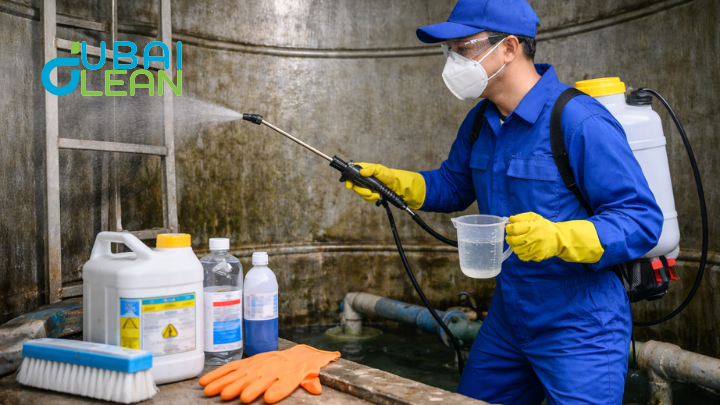
When working with adhesives, silicone grout, and tile gap fillers, safety should always be a top priority. Always wear gloves, masks, and goggles to protect your skin, eyes, and respiratory system from irritation caused by chemicals or dust. Improper application can lead to weak bonding, loose tiles, or slipping hazards, while poorly sealed joints allow water and dirt to damage surfaces. Many adhesives and grouts are flammable or toxic, so always work in well-ventilated areas and follow manufacturer instructions carefully. Taking these precautions ensures both a safe tiling process and a durable, long-lasting finish.
Handling Adhesives and Fillers Safely
When working with adhesives, silicone grout, or tile gap fillers, always use gloves, a mask, and protective goggles. Direct contact can cause skin irritation, rashes, or eye injuries, while inhaling dust or fumes may lead to respiratory discomfort. Proper protective gear ensures safety during the tiling process.
Risks of Improper Application
Incorrect use of adhesives or fillers can result in weak bonding, loose tiles, or cracked grout. Slippery or uneven tiles may cause accidents, and improperly sealed joints can allow water or dust to penetrate, reducing durability and hygiene. Careful application is crucial to prevent these hazards.
Chemical Safety Concerns
Some adhesives and grouts contain chemicals that can be flammable or toxic. Always use them in well-ventilated areas and avoid open flames. Follow manufacturer instructions carefully and store materials safely to minimize health and fire risks.
Conclusion
Adhesives, silicone grout, and tile gap fillers are the backbone of any successful tiling project. They ensure strong bonding, water resistance, and a smooth, long-lasting finish for floors, walls, and metal surfaces. Proper selection, correct application, and timely maintenance are essential to maximize their effectiveness. Additionally, following safety guidelines-using protective gear, working in ventilated areas, and handling chemicals carefully-prevents accidents and ensures a hygienic environment. Whether you choose to DIY simple projects or hire professionals for complex installations, paying attention to these details guarantees durable, visually appealing, and safe tiling results every time.