


Introduction
A fabric sofa is often the heart of a home or office, offering comfort and style. However, it quickly collects dust, stains, and unwanted smells. Keeping it clean helps maintain its look and ensures a healthier space. The big question is: should you clean it yourself using DIY methods, or should you trust a professional upholstery cleaner?
In this article, I’ll share the best way to clean a fabric sofa in Dubai. I’ll compare the pros and cons of DIY cleaning versus hiring a professional sofa cleaning service. Whether you’re dealing with tough stains or just want to freshen up your couch, I’ll guide you to the right cleaning choice for you.
DIY Fabric Sofa Cleaning
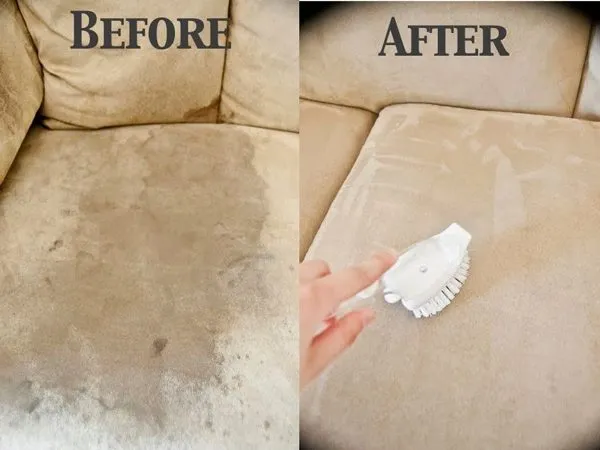
Cleaning your fabric sofa yourself can be a satisfying and affordable way to keep it looking great. With the right tools and methods, you can keep your couch clean and help it last longer. Here’s a simple guide to help you clean your fabric sofa at home:
Benefits of DIY Cleaning
Cleaning your sofa yourself has some clear advantages:
- Cost-Effective: You’ll save money since you don’t need to hire a professional service.
- Convenience: You can clean your sofa whenever you want, without waiting for an appointment.
- Control: You’re in charge of the whole process and can tailor it to your needs.
Step-by-Step Guide to Cleaning Your Fabric Sofa
Vacuuming and Dusting
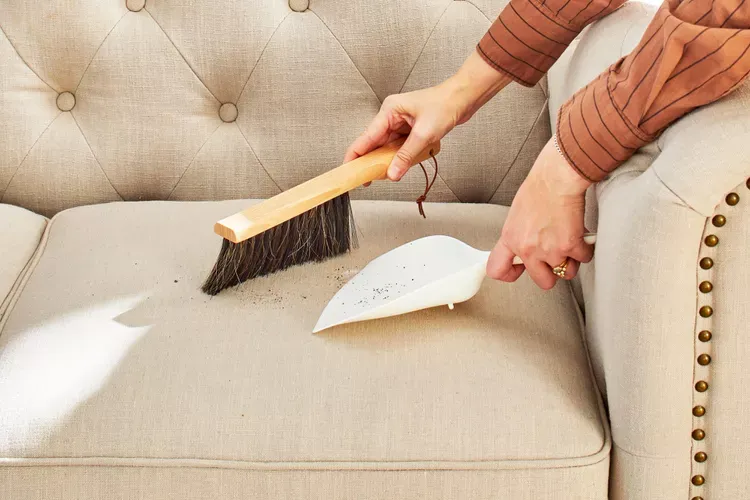
Begin by vacuuming your sofa to get rid of loose dirt, dust, and debris. Use a handheld vacuum or upholstery attachment to reach into the seams and crevices. This is an important first step before spot cleaning, as it prevents dirt from getting rubbed deeper into the fabric.
Spot Cleaning Stains
Tackle stains straight away to prevent them from setting. Here’s how to do it:
- Fabric Cleaner: You can use a store-bought fabric cleaner or make your own by mixing warm water with a small amount of dish soap or laundry detergent.
- Test First: Always test the solution on a hidden area of the sofa to make sure it won’t stain the fabric.
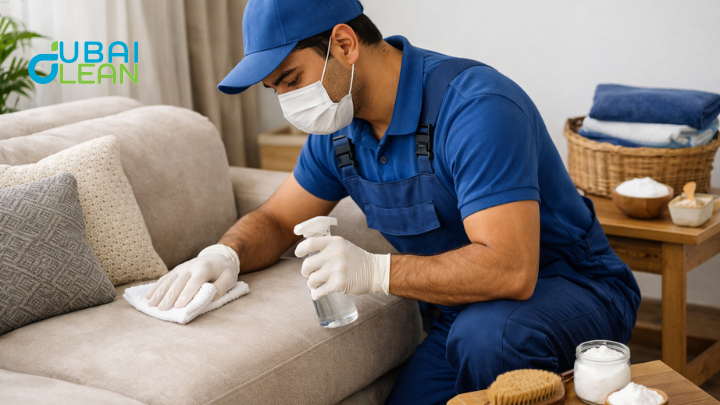
- Apply and Blot: Gently apply the cleaner to the stain with a clean cloth. Blot (don’t scrub!) to lift the stain. For tough stains, you can rub gently in circular motions.
Deodorising Techniques
Fabric sofas can absorb unwanted smells. To freshen yours up, try one of these deodorizing methods:
- Baking Soda: Sprinkle baking soda over the entire sofa or focus on areas with odours. Let it sit for 15-20 minutes, then vacuum it up.
- Fabric Refresher Spray: After vacuuming, lightly spray your sofa with a fabric refresher to get rid of lingering smells and leave a fresh scent.
Deep Cleaning (Optional)
If your sofa needs a more thorough cleaning, consider using a steam cleaner. The steam will lift dirt and kill bacteria without harsh chemicals. Just make sure to follow the manufacturer’s instructions and avoid over-wetting the fabric.
Drying
Let your sofa dry completely before using it again. Open the windows to improve airflow or use fans to speed up the drying. This step is essential to avoid mould or mildew.
By using these simple DIY methods, you can keep your fabric sofa in excellent shape. Regular cleaning will help your couch look great and stay comfortable for years.
Professional Fabric Sofa Cleaning
While DIY methods can help you keep your fabric sofa clean, a professional upholstery cleaner offers deep cleaning expertise that’s hard to match at home. Whether you have stubborn stains, or built-up dirt, or just want a thorough clean, a professional cleaning service can bring your couch back to its original charm. Here’s what you can expect from hiring a professional fabric sofa cleaner:
Advantages of Hiring a Professional Upholstery Cleaner
- Expert Techniques: Professionals know the best methods for different fabric types, ensuring a deep clean without damaging your sofa.
- Advanced Equipment: They use high-quality tools, like steam cleaners and powerful vacuums, to remove dirt, stains, and allergens more effectively than home cleaning.
- Time-Saving: Hiring a professional saves you time and effort, giving your sofa a complete clean much quicker than doing it yourself.
- Longer-Lasting Results: Professional cleaning can extend the life of your fabric sofa, keeping it looking good and feeling comfortable for longer.
What to Expect from Professionals
When you hire a professional upholstery cleaner in Dubai, here’s the process you’ll go through:
Pre-Inspection
Before starting, the technician will inspect your sofa to check its fabric, condition, and any areas that need special attention. This helps them choose the best cleaning method for your sofa.
Vacuuming and Pre-Treatment
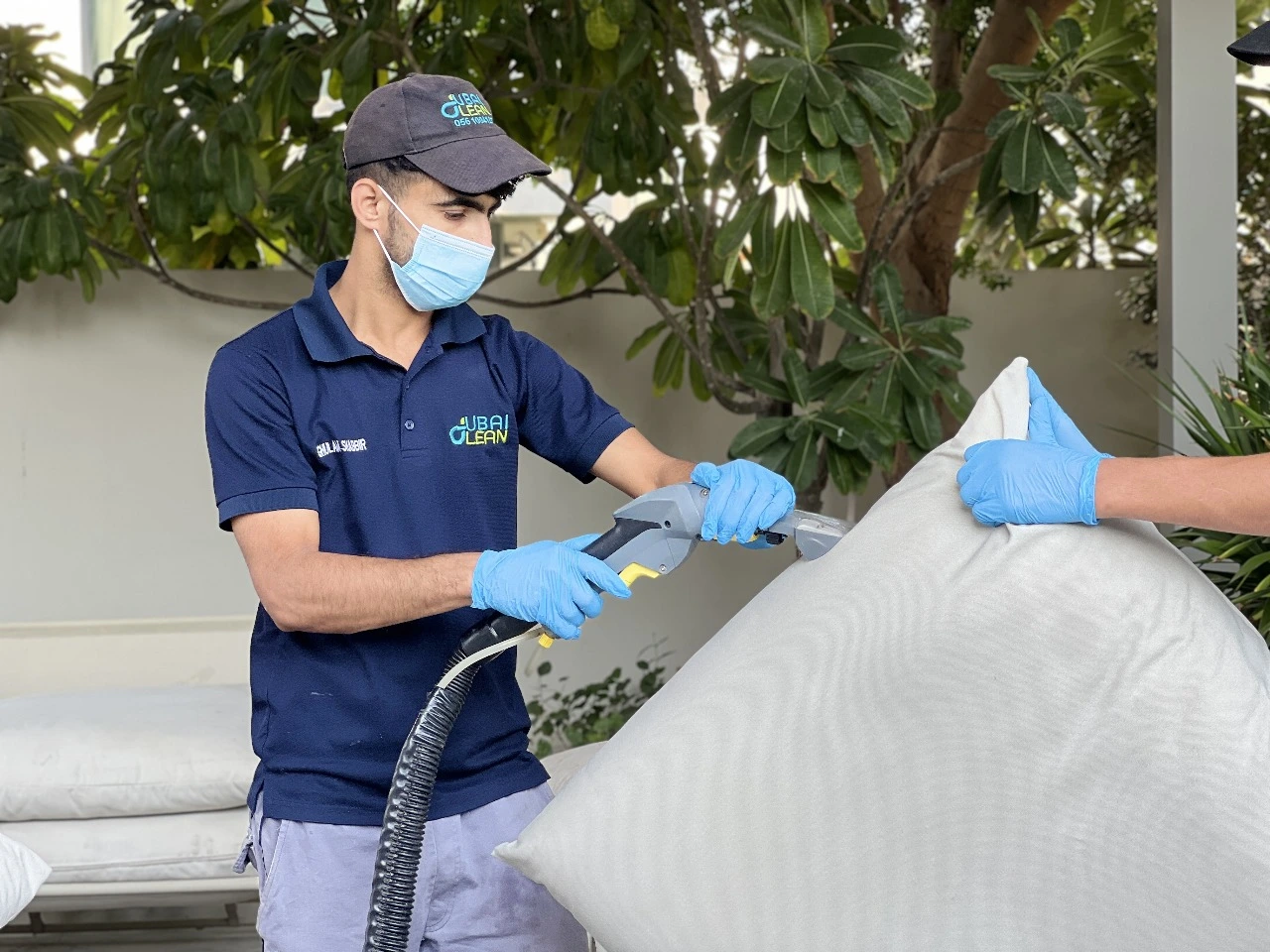
Just like DIY cleaning, professionals will begin by vacuuming the sofa to remove loose dirt. Then, they’ll apply a pre-treatment solution to break down grease and stains, setting the stage for a deeper clean.
Deep Cleaning Using Special Equipment
Professional cleaners use different methods based on your sofa’s fabric and needs:
- Steam Cleaning: High-pressure steam loosens dirt and sanitizes the fabric without chemicals, ideal for deep cleaning and removing allergens.
- Dry Cleaning: For delicate fabrics, dry cleaning methods like foam or solvent-based cleaning are used to avoid water damage.
- Shampooing and Rinsing: Some services use foam shampoo and a rinse to remove dirt and residues, leaving your sofa fresh.
Stain Removal
Tough stains, like food, ink, or pet marks, might need special treatment. Professionals have access to advanced cleaning agents that target tough stains without harming your fabric.
Deodorising
After cleaning, professionals often use deodorising agents to remove any lingering smells, such as pet odours or food smells. This leaves your sofa smelling fresh.
Post-Cleaning Inspection and Recommendations
Once the cleaning is done, the technician will do a final check to ensure your sofa is thoroughly cleaned and dried. They may also offer maintenance tips to help you keep it looking good for longer.
Hiring a professional upholstery cleaner is the best way to care for your fabric sofa. With their skills, advanced equipment, and focus on quality, they’ll leave your sofa looking and feeling like new for years to come. Watch our fabric sofa cleaning video on YouTube.
Comparative Analysis: DIY vs. Professional Cleaning
When deciding between cleaning your fabric sofa yourself (DIY) or hiring a professional upholstery cleaning service, each option presents its own set of benefits. The decision ultimately depends on your personal preferences, the condition of your sofa, and your available time. Here’s a breakdown of the key differences to help guide your choice:
Cost Comparison
- DIY Cleaning: DIY cleaning is more budget-friendly. After purchasing the necessary cleaning supplies, such as fabric cleaners, stain removers, and a vacuum, there are minimal ongoing costs. This makes it a good option for those who want to keep their expenses low.
- Professional Cleaning: Hiring professionals generally comes with a higher cost, typically ranging from AED 200 to AED 600, depending on factors like the sofa’s size, fabric, and cleaning method. While more expensive, professional cleaning provides a high-quality service and is worth the investment, especially for tough stains or deep cleaning.
Time and Effort
- DIY Cleaning: DIY cleaning takes more time and effort. Between vacuuming, spot cleaning, and drying your sofa, you’ll need to commit several hours to complete the job. If you have a busy schedule or dislike cleaning, it can be a tedious task. Additionally, the drying process can take several hours, requiring careful planning.
- Professional Cleaning: Professional cleaning services are much more time-efficient. Experts use specialized tools to clean your sofa quickly, usually completing the job in just an hour or two. They also handle the drying process, allowing you to avoid waiting for your sofa to dry and freeing up your time for other tasks.
Effectiveness and Results
- DIY Cleaning: While DIY cleaning can help maintain the cleanliness of your sofa, it may not remove deeply ingrained dirt, allergens, or tough stains. There’s also a risk of damaging the fabric if the wrong products or methods are used. DIY cleaning is great for light maintenance, but it may not restore your sofa to its original condition.
- Professional Cleaning: Professional cleaners use advanced equipment and cleaning solutions to achieve superior results. Techniques like steam cleaning or hot water extraction are more effective at removing embedded dirt and allergens, and they ensure that your sofa is thoroughly cleaned without damaging the material.
Convenience and Expertise
- DIY Cleaning: With DIY cleaning, you’re in control, but you need to have the right knowledge and skills. If you’re unsure of the best cleaning method for your fabric type or how to handle stains, you might inadvertently damage your sofa. There’s also a risk of over-wetting the fabric or using harsh chemicals, which can cause discolouration or leave residues.
- Professional Cleaning: Professionals bring specialized expertise to the table. They can assess your sofa’s fabric and determine the best cleaning approach to avoid damage. Their experience and training ensure that even delicate materials are cleaned safely, providing you with peace of mind.
Frequency of Cleaning
- DIY Cleaning: DIY cleaning is ideal for regular upkeep, like removing dust or light stains. It’s an excellent choice for frequent maintenance. However, for heavy stains or deep grime buildup, it’s best to call in professionals for a more thorough clean.
- Professional Cleaning: For long-term care, professional cleaning is recommended every 6 to 12 months. This deeper clean removes allergens, bacteria, and tough stains that DIY methods might miss. It helps maintain your sofa’s condition and prolongs its lifespan.
Long-Term Sofa Care
- DIY Cleaning: DIY cleaning can help extend the life of your sofa by addressing spills and stains promptly. However, dirt and grime can accumulate over time, and without the right techniques, the fabric may start to wear out, fade, or lose its texture.
- Professional Cleaning: Regular professional cleaning is a proactive investment in the long-term health of your sofa. Professionals use specialized treatments to preserve the fabric’s texture, colour, and overall quality. Their deep cleaning can prevent wear and tear and help maintain the sofa’s appearance.
Health and Hygiene
- DIY Cleaning: While DIY cleaning methods can tackle surface dirt, they may not address deeper hygiene concerns, such as allergens, dust mites, or bacteria that build up within the fabric. Additionally, DIY cleaning might leave behind residues that could irritate sensitive skin or exacerbate allergies.
- Professional Cleaning: Professional upholstery cleaners use high-quality, often eco-friendly products that sanitize the fabric, removing germs, bacteria, and allergens. This makes professional cleaning especially beneficial for homes with pets, children, or individuals suffering from allergies or respiratory issues.
Conclusion
When it comes to cleaning your fabric sofa, both DIY and professional cleaning have their place, depending on your needs, budget, and desired results. DIY cleaning is an affordable, hands-on option perfect for regular upkeep, such as vacuuming, light spot cleaning, and deodorizing. It’s a great choice for maintaining cleanliness between professional cleanings.
However, professional cleaning services offer expertise, advanced tools, and specialized techniques for a deeper, more thorough cleaning. Whether you’re dealing with tough stains, or embedded dirt, or simply want to prolong the life of your sofa, professionals deliver superior results. They save you time and ensure that your sofa looks and feels as good as new.
Ultimately, the best choice depends on your sofa’s condition and how often you want to invest in a deep clean. For lasting, high-quality results, professional cleaning is the best route. But for routine care, DIY methods are effective and economical. No matter your choice, keeping your fabric sofa clean ensures it remains fresh and comfortable, and looks great for years to come.