

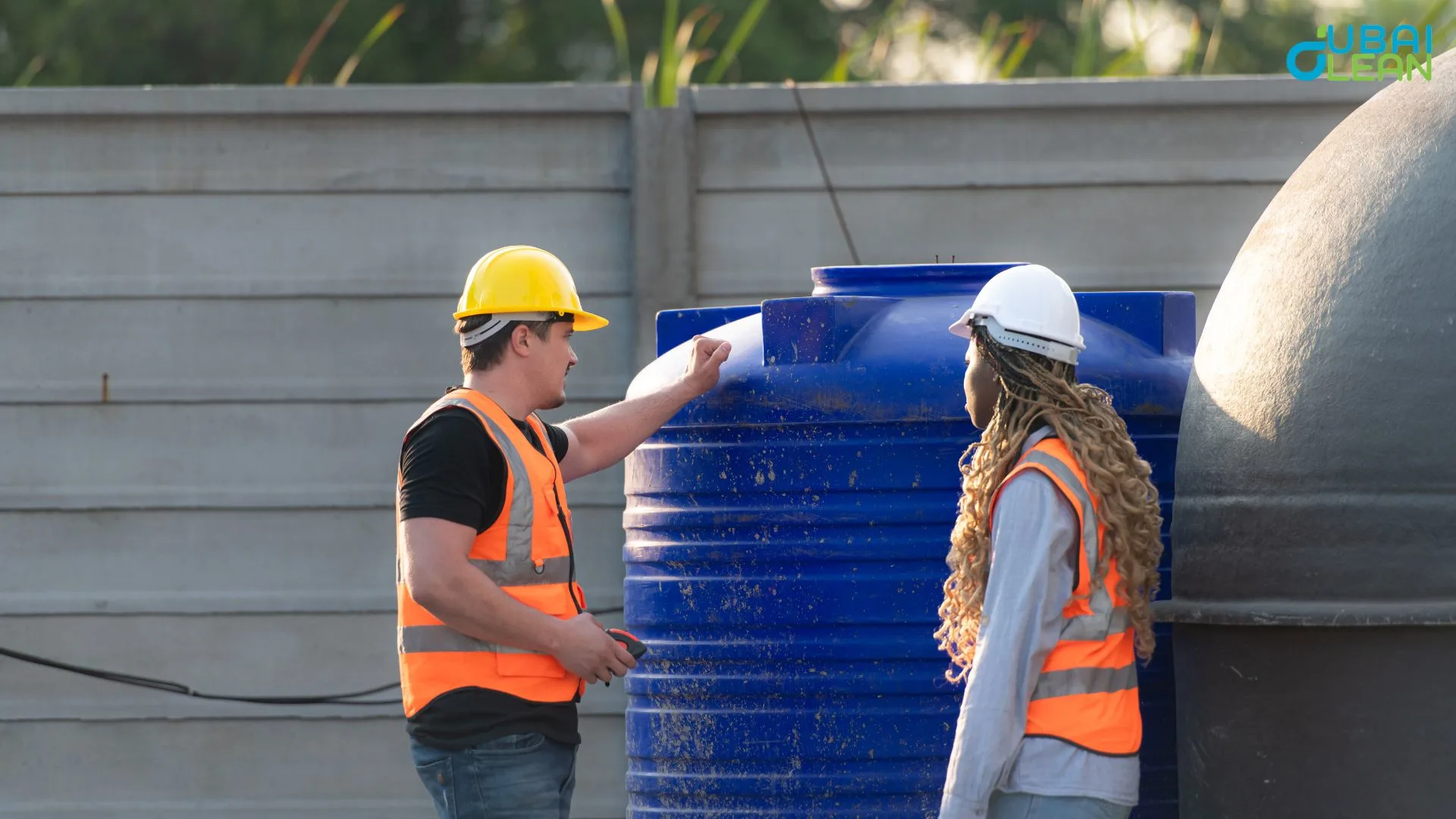
Tank cleaning is a critical maintenance process that ensures safe, hygienic storage systems in Dubai’s demanding climate. Regular cleaning prevents contamination, extends equipment life, and maintains optimal performance across all tank types. This guide provides essential information about effective tank cleaning methods and procedures.
What is Tank Cleaning
Tank cleaning refers to the systematic process of removing contaminants, debris, sediments, and harmful substances from storage tanks. This process involves multiple steps including inspection, draining, physical cleaning, disinfection, and quality testing. The procedure varies depending on the tank type, size, and the substances it stores.
The importance of regular tank cleaning cannot be overstated, especially in Dubai’s hot climate where bacteria and algae can multiply rapidly. Proper cleaning maintains water quality, prevents corrosion, extends equipment life, and ensures compliance with health regulations.
Types of Tank Cleaning
Water Tank Cleaning
Water tank cleaning is the most common type of tank maintenance in Dubai. The process involves draining the tank completely, scrubbing interior surfaces, removing sediments, and disinfecting with appropriate chemicals. Regular cleaning prevents bacterial growth and maintains water quality standards.
The frequency of water tank cleaning depends on usage, water source quality, and environmental conditions. In Dubai’s climate, residential water tanks should be cleaned every 6-12 months to prevent contamination and maintain optimal water quality.
Septic Tank Cleaning
Septic tank cleaning involves removing accumulated sludge and waste materials from the tank system. This process requires specialized equipment and expertise due to the hazardous nature of the materials involved. Regular septic tank maintenance prevents system failures and environmental contamination.
The cleaning process includes pumping out liquid waste, removing solid materials, inspecting tank components, and checking for structural damage. Professional cleaning ensures proper disposal of waste materials according to environmental regulations.
Fuel Tank Cleaning
Fuel tank cleaning removes water, sediments, and microbial growth that can contaminate fuel systems. This specialized cleaning process requires careful handling of flammable materials and adherence to strict safety protocols. Clean fuel tanks ensure optimal engine performance and prevent costly repairs.
The procedure involves draining fuel, removing water and sediments, cleaning interior surfaces, and treating with appropriate biocides. Proper fuel tank maintenance prevents corrosion and extends equipment life significantly.
Tank Cleaning Procedures and Methods
Pre-Cleaning Preparation
Before beginning any tank cleaning procedure, thorough preparation is essential. This includes safety assessment, equipment preparation, and site securing. Workers must wear appropriate protective equipment and follow established safety protocols throughout the process.
The preparation phase involves shutting off power supplies, isolating the tank from connected systems, and ensuring proper ventilation. Emergency procedures should be established, and all safety equipment should be readily accessible during the cleaning process.
Physical Cleaning Methods
Physical cleaning methods include manual scrubbing, high-pressure washing, and mechanical cleaning systems. Manual scrubbing is effective for smaller tanks and areas with stubborn deposits. High-pressure washing removes loose debris and surface contaminants efficiently.
Mechanical cleaning systems use automated equipment to clean large tanks systematically. These systems can reach areas that are difficult to access manually and provide consistent cleaning results. The choice of method depends on tank size, contamination level, and accessibility.
Chemical Cleaning Procedures
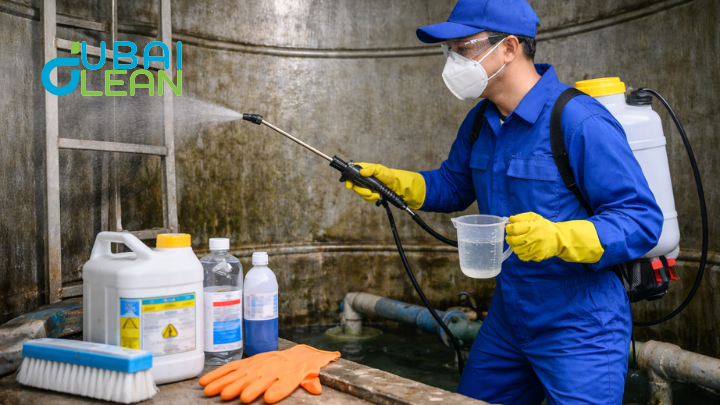
Chemical cleaning involves using specialized detergents, disinfectants, and cleaning agents to remove specific contaminants. Common chemicals include chlorine-based disinfectants, alkaline cleaners, and acid solutions for mineral deposits. Proper chemical selection is crucial for effective cleaning without damaging tank materials.
The chemical cleaning process requires careful application, contact time management, and thorough rinsing. All chemical residues must be completely removed before the tank is returned to service. Safety protocols are critical when handling cleaning chemicals.
Factors Affecting Tank Cleaning Requirements
Tank Size and Complexity
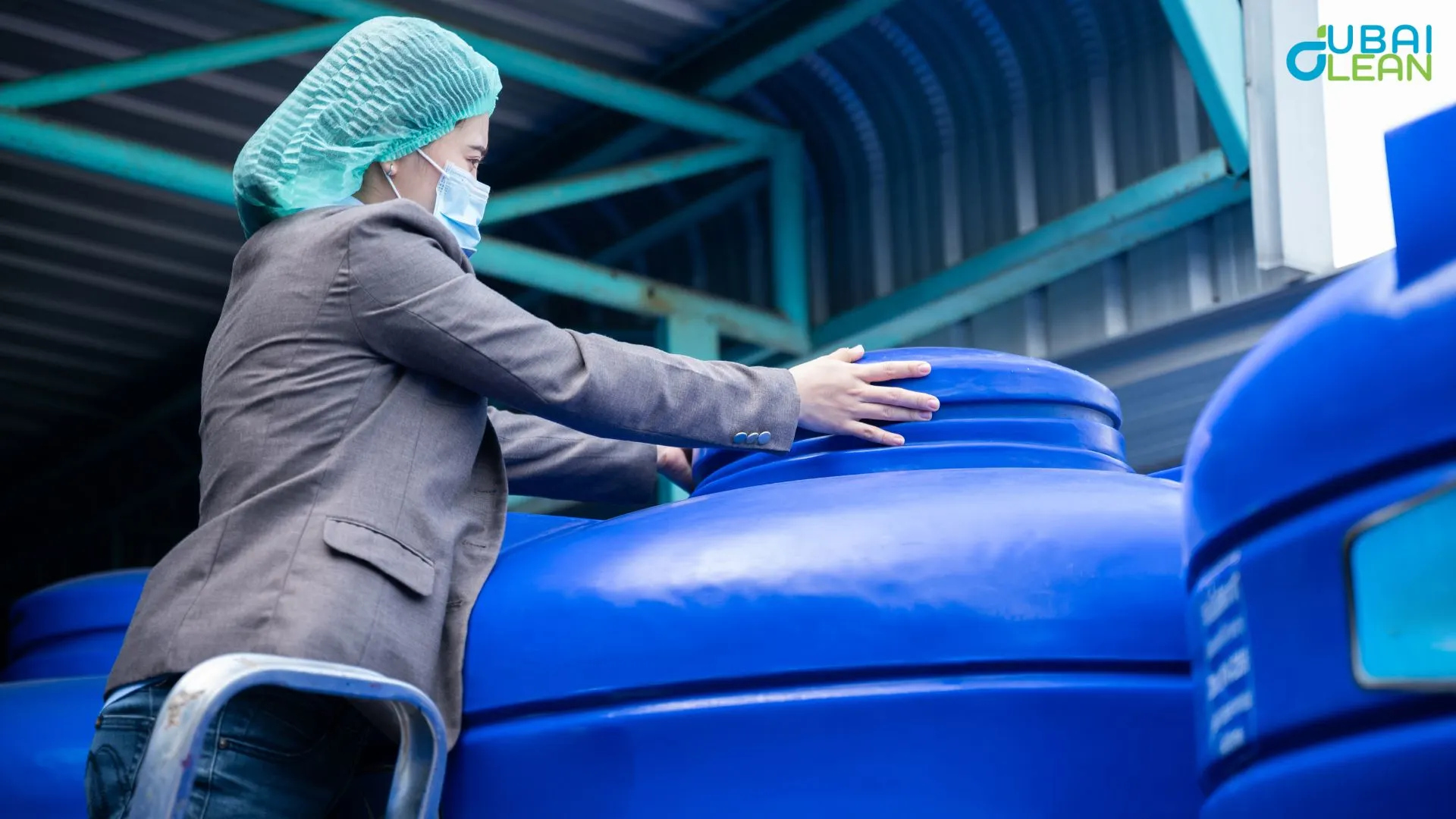
Tank size and complexity significantly influence cleaning requirements and procedures. Larger tanks require more comprehensive cleaning cycles and specialized equipment access. Underground tanks present additional challenges due to limited accessibility and ventilation requirements.
The structural design of tanks affects cleaning methods, with complex internal components requiring detailed attention. Multiple compartment tanks need individual cleaning protocols for each section to ensure complete contamination removal.
Contamination Level Assessment
Contamination assessment determines the appropriate cleaning method and intensity required. Light contamination may require basic cleaning procedures, while heavy contamination demands intensive treatment protocols. Regular assessment helps maintain optimal cleaning schedules.
Different contamination types require specific cleaning approaches and safety measures. Biological contamination needs disinfection protocols, while chemical contamination requires specialized neutralization procedures before cleaning can begin effectively.
Best Practices for Tank Maintenance
Regular Inspection Schedules
Establishing regular inspection schedules is crucial for maintaining tank cleanliness and identifying potential problems early. Visual inspections should be conducted monthly, while comprehensive inspections should occur quarterly. Early detection of issues prevents costly repairs and extensive contamination.
Inspection checklists should include checking for leaks, corrosion, unusual odors, and water quality changes. Documentation of inspection results helps track trends and plan maintenance activities effectively. Professional inspections should be conducted annually for complex systems.
Preventive Maintenance Strategies
Preventive maintenance strategies help extend the time between major cleaning cycles and reduce overall maintenance costs. These strategies include regular water testing, proper tank covering, and monitoring water quality parameters. Preventive measures are more cost-effective than reactive cleaning.
Installing filtration systems, UV sterilizers, and proper ventilation can significantly reduce contamination levels. Regular monitoring helps identify trends and adjust maintenance schedules accordingly. Preventive maintenance also includes updating safety equipment and training personnel.
Quality Control Measures
Quality control measures ensure that cleaning procedures meet established standards and regulations. This includes water quality testing, visual inspections, and documentation of cleaning procedures. Proper quality control prevents recontamination and ensures system reliability.
Testing should include bacterial counts, chemical residue levels, and physical appearance assessments. Results should be documented and compared against established standards. Any deviations from acceptable levels should trigger additional cleaning or investigation procedures.
Safety Considerations
Personal Protective Equipment
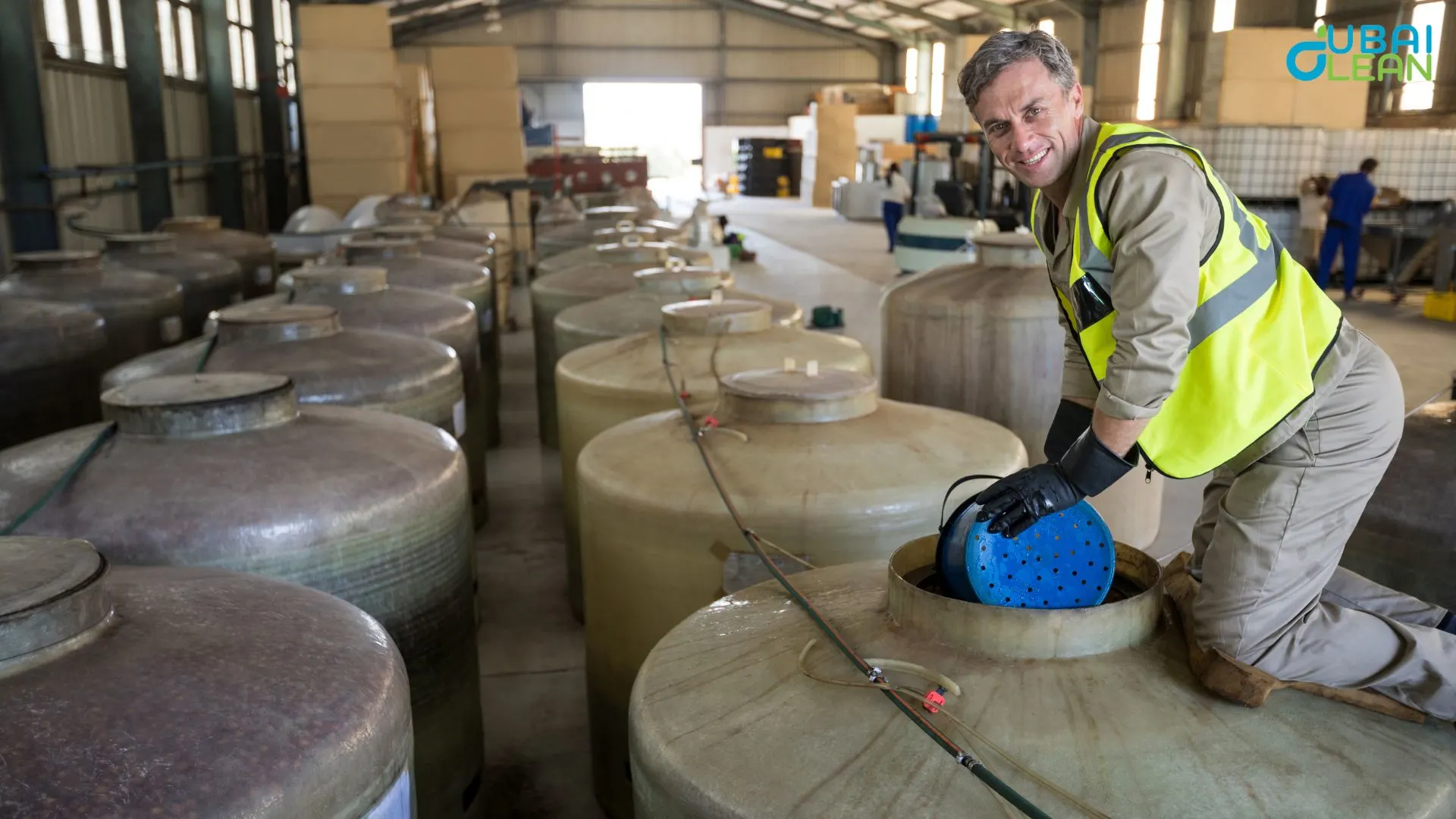
Personal protective equipment (PPE) is essential for all tank cleaning operations. Required equipment includes respirators, protective clothing, safety harnesses, and emergency communication devices. Proper PPE selection depends on the specific hazards present during cleaning operations.
Training on proper PPE use and maintenance is crucial for worker safety. Equipment should be inspected before each use and replaced when damaged or worn. Emergency procedures should be established for PPE failures or accidents.
Confined Space Safety
Many tanks qualify as confined spaces, requiring special safety protocols and equipment. These spaces present risks including oxygen deficiency, toxic gases, and limited escape routes. Proper confined space procedures must be followed to prevent accidents and fatalities.
Safety measures include atmospheric testing, continuous monitoring, emergency retrieval systems, and trained attendants. Entry permits should be issued only after all safety requirements are met. Emergency response procedures should be established and practiced regularly.
Chemical Handling Safety
Chemical handling safety is critical when using cleaning agents and disinfectants. Proper storage, mixing, and application procedures prevent accidents and ensure cleaning effectiveness. Material Safety Data Sheets (MSDS) should be available for all chemicals used.
Training on chemical hazards, first aid procedures, and emergency response is essential for all personnel. Proper ventilation and emergency washing facilities should be available during chemical cleaning operations. Waste disposal must comply with environmental regulations.
Environmental Considerations
Waste Disposal Requirements
Proper waste disposal is essential for environmental protection and regulatory compliance. Different types of waste require specific disposal methods and documentation. Hazardous waste must be handled by licensed disposal companies following strict protocols.
Waste classification determines disposal requirements and costs. Proper documentation includes waste manifests, disposal certificates, and tracking records. Regular audits ensure compliance with environmental regulations and prevent legal issues.
Water Conservation Practices
Water conservation practices reduce environmental impact and operational costs during tank cleaning. These practices include water recycling, efficient cleaning methods, and proper scheduling to minimize water usage. Conservation measures also include leak prevention and proper system maintenance.
Advanced cleaning techniques can reduce water usage while maintaining cleaning effectiveness. Training personnel on conservation practices helps develop environmentally responsible cleaning procedures. Regular monitoring tracks water usage and identifies improvement opportunities.
Technology and Innovation
Automated Cleaning Systems
Automated cleaning systems use robotic technology to clean tanks efficiently and safely. These systems can operate in hazardous environments without exposing workers to risks. Automated systems provide consistent results and detailed documentation of cleaning activities.
Advanced systems include remote monitoring, programmable cleaning cycles, and integrated quality control measures. Investment in automated systems can reduce long-term costs and improve cleaning consistency. Technology continues to evolve, offering new capabilities and improved efficiency.
Monitoring and Control Systems
Modern monitoring systems provide real-time data on tank conditions, helping optimize cleaning schedules and prevent contamination. These systems can detect changes in water quality, tank levels, and system performance. Early warning systems alert operators to potential problems before they become serious.
Integration with building management systems allows centralized monitoring and control. Data analytics help identify trends and optimize maintenance schedules. Remote monitoring capabilities enable prompt response to emergency situations.
FAQs
Conclusion
Regular tank cleaning is essential for maintaining health standards and equipment longevity in Dubai’s climate. Proper procedures ensure effective contamination removal while protecting system integrity. Understanding cleaning methods and costs helps make informed maintenance decisions for optimal tank performance.