


Designing a swimming pool is about more than just its shape it’s the choice of tiles that truly defines its beauty and functionality. Swimming pool tiles not only create a stunning visual effect but also play a crucial role in durability, safety, and maintenance. From classic ceramic pool tiles to luxurious mosaic finishes, the right selection can transform a simple pool into a stylish and elegant retreat.
Beyond aesthetics, pool tiles ensure long-term performance and safety. High-quality materials resist water damage, chemicals, and weather while reducing slip risks for swimmers. Ceramic tiles offer affordability and strength, while mosaic tiles bring vibrant colors and intricate patterns for a premium look. By carefully balancing design and practicality, homeowners can create a pool that is both visually striking and built to last.
1. Understanding Swimming Pool Tiles
Swimming pool tiles are specially designed to withstand constant exposure to water, chemicals, and weather while enhancing the pool’s safety and appearance. Unlike regular tiles, they are non-porous, durable, and easier to maintain, making them essential for both hygiene and design.
What are Swimming Pool Tiles?
Swimming pool tiles are specially designed tiles created to withstand constant exposure to water, pool chemicals, and varying weather conditions. Unlike ordinary tiles, they are manufactured with materials such as ceramic, porcelain, or glass that can endure moisture without deteriorating. Their purpose is not only to line the pool’s surface but also to enhance safety, improve hygiene, and create an appealing look for the pool environment.
Key Differences Between Pool Tiles and Regular Tiles
While regular tiles may look similar, they are not built for long-term exposure to wet conditions. Pool tiles are non-porous, making them resistant to water absorption, which helps prevent mold, mildew, and cracks. They are also designed with a smooth yet slip-resistant surface to ensure swimmers’ safety. Regular floor or wall tiles, on the other hand, can become slippery, absorb water, and lose color or structure over time when exposed to pool conditions. This makes pool-specific tiles the preferred and more durable choice.
Why Pool Tiles Matter for Maintenance, Hygiene, and Design
Investing in proper pool tiles brings multiple benefits. From a maintenance perspective, high-quality pool tiles are easier to clean, resistant to staining, and help reduce algae growth. In terms of hygiene, their non-porous surface prevents bacteria buildup, making swimming safer. From a design standpoint, pool tiles set the tone of the entire pool area whether you prefer the classic charm of ceramic tiles, the elegance of glass mosaics, or modern geometric patterns, the right tiles elevate both style and functionality.
2. Swimming Pool Mosaic Tiles
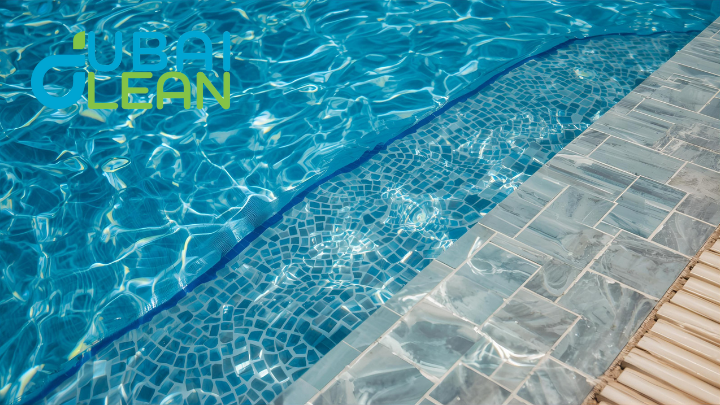
Mosaic pool tiles add elegance and creativity to any swimming pool, with options ranging from glass and patterned designs to artistic layouts. They offer a luxurious look, slip resistance, and versatile styles that can transform pool floors, walls, and borders into stunning visual features.
What are Mosaic Tiles and How They Are Used in Pools: Mosaic tiles are small, decorative tiles usually made from glass, ceramic, or porcelain, arranged in creative patterns or designs. In swimming pools, they are widely used to add character and visual depth, often installed on the pool floor, waterline, steps, or feature walls. Their reflective surface enhances the water’s natural sparkle, giving the pool a vibrant and inviting appearance. Because they come in sheets, mosaic tiles are also easy to install in curved or irregular areas, making them a versatile choice for custom pool designs.
Popular Designs: Glass Mosaics, Patterned Mosaics, Artistic Mosaics: One of the reasons mosaic tiles remain a favorite is the variety of designs available. Glass mosaics create a shimmering effect as they reflect light, ideal for luxury or modern pools. Patterned mosaics combine different shades and shapes to form stylish borders, geometric layouts, or gradient effects. For a truly unique pool, artistic mosaics can depict marine life, abstract art, or custom logos, transforming the pool into a personalized masterpiece. These design options allow homeowners and designers to match the pool’s aesthetic to the surrounding landscape or overall theme.
Advantages: Luxurious Look, Slip-Resistant, Versatile Patterns: Mosaic tiles are known for delivering both beauty and practicality. Their small size allows for greater grip, making them less slippery and safer for swimmers, especially around pool steps and shallow areas. Aesthetically, they offer a luxurious finish that elevates the entire pool environment, whether it’s a classic blue shimmer or a bold, artistic statement. Their versatility in patterns and colors means they can complement almost any design concept, from minimalist elegance to elaborate, decorative styles. Beyond looks, their durability and resistance to chemicals make them a long-lasting investment.
3. Swimming Pool Tiles: Types and Styles
Swimming pool tiles come in different types, finishes, and colors, each influencing the pool’s overall style and functionality. Standard pool tiles are durable, affordable, and commonly available in blue or white for a timeless look, while designer tiles add uniqueness with custom prints, mosaics, or luxury finishes. Finishes also play an important role glossy tiles brighten the water, matte tiles offer a soft, elegant effect, and textured tiles improve safety by reducing slips.
Color and size choices significantly impact the pool’s appearance. Blue tiles create the classic sparkling effect, turquoise adds a tropical vibe, white enhances brightness, and black delivers a dramatic luxury feel. Tile size and layout also shape the design small mosaics work well for patterns and curves, while larger tiles give a seamless, modern finish. Selecting the right combination ensures beauty, safety, and practicality for any pool design.
4. Ceramic Pool Tiles
What Makes Ceramic Tiles Suitable for Pools: Ceramic pool tiles are one of the most widely used options for swimming pools due to their practicality and reliability. Manufactured with a glazed surface, they are highly resistant to water absorption, making them an excellent choice for long-term use. Their smooth finish ensures easy maintenance, while their ability to withstand exposure to sunlight and pool chemicals makes them a dependable option for both residential and commercial pools.
Pros: Affordable, Durable, Easy to Clean: One of the main advantages of ceramic pool tiles is their affordability compared to glass or premium mosaic tiles. They provide excellent durability, capable of handling years of exposure without cracking or fading. Ceramic tiles are also easy to clean, with a non-porous surface that prevents dirt, algae, and bacteria from settling in. For homeowners looking for a balance of cost-effectiveness and functionality, ceramic pool tiles are often the go-to choice.
Cons: Limited in Design Compared to Glass or Mosaic: While ceramic tiles offer durability and practicality, they are more limited when it comes to design flexibility. Unlike glass mosaics that shimmer under water or artistic mosaic patterns that allow for customization, ceramic tiles tend to be simpler in style. Most ceramic pool tiles are available in basic shades and uniform finishes, which may not suit those looking for highly decorative or luxury aesthetics.
When to Choose Ceramic Over Other Materials: Ceramic pool tiles are best chosen when budget, durability, and ease of maintenance are the top priorities. They are ideal for family pools, public swimming facilities, or projects where functionality outweighs luxury. If you prefer a classic, timeless look that is straightforward to maintain, ceramic tiles are an excellent choice. However, for homeowners seeking a more luxurious or custom appearance, glass mosaics or artistic tiles may be a better fit.
5. Glass vs. Ceramic Pool Tiles
Glass and ceramic pool tiles each offer unique benefits. Glass stands out for luxury and long-lasting brilliance, while ceramic provides a more practical and cost-effective solution.
| Feature | Glass Tiles | Ceramic Tiles |
| Durability | Non-porous, chemical-resistant, and long-lasting; less prone to discoloration | Durable but may wear faster under heavy use or extreme weather |
| Cost | More expensive due to premium quality and longevity | Affordable and budget-friendly |
| Style | Reflective, translucent, and highly customizable; creates shimmering effect | Simpler design options, classic look with limited variations |
| Luxury Pools | Best choice adds brilliance, elegance, and upscale appeal | Less suited for luxury, offers more basic aesthetics |
| Budget Pools | Expensive for budget projects | Best option cost-effective, easy to install, maintain, and replace |
6. Pool Tile Installation and Maintenance
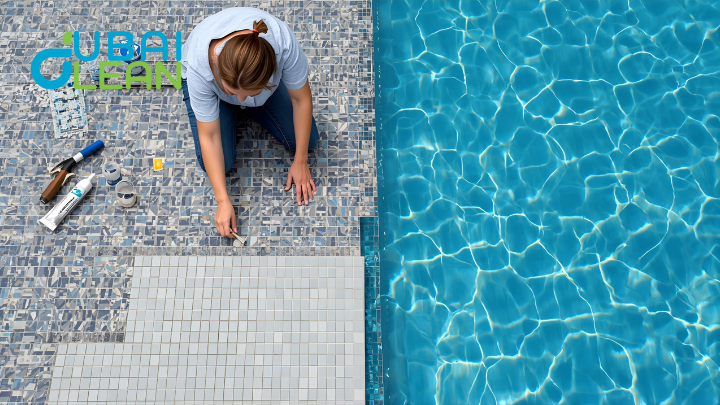
Installing pool tiles requires careful preparation and precision to ensure durability and a flawless finish. The pool surface must be clean, smooth, and free of cracks before applying waterproof adhesive and placing the tiles in the chosen pattern. Once set, grout fills the gaps and seals the surface, and the pool is left to cure before filling with water. Professional installation is highly recommended to avoid common issues like uneven tiles, leaks, or structural damage, ensuring long-lasting safety and performance.
Proper maintenance keeps pool tiles looking new and hygienic. Regular cleaning prevents dirt, calcium deposits, and algae buildup, while sealing grout lines protects against moisture and staining. Maintaining balanced pool chemistry and using pool-safe cleaning solutions also prolong tile life. Damaged or loose tiles should be repaired immediately, with full replacement usually needed after 15–20 years depending on material, installation quality, and care.
7. Choosing the Best Pool Tiles for Your Project
Choosing the best pool tiles involves balancing style, functionality, and budget. Consider factors like pool size, design preference, climate, and safety features such as slip resistance and non-toxic materials. Eco-friendly options are also available for those seeking sustainable solutions. By carefully evaluating these aspects, you can select tiles that enhance the pool’s beauty, durability, and overall swimming experience.
Factors to Consider: Budget, Pool Size, Design Preference, Climate
- Budget: Ceramic tiles are cost-effective, while glass mosaics and designer tiles are more expensive but offer premium aesthetics.
- Pool Size: Larger pools benefit from standard ceramic or porcelain tiles for practicality; smaller or luxury pools can use detailed mosaic patterns for added style.
- Design Preference: Tile color and texture classic blue, tropical turquoise, or modern dark tones shape the pool’s ambiance.
- Climate: Tiles must withstand high heat, UV exposure, or fluctuating temperatures without cracking or fading.
Safety Aspects: Slip-Resistant Surfaces, Non-Toxic Materials
- Slip-resistant tiles reduce accidents around steps, shallow areas, and pool edges.
- Non-toxic materials prevent harmful substances from leaching into the water.
- Pool-specific tiles ensure compliance with safety standards and enhance the swimming experience.
Eco-Friendly Options
- Made from recycled glass or sustainably sourced materials.
- Reduce environmental impact while maintaining aesthetic appeal.
- Many eco-friendly tiles have reflective effects that enhance the pool’s beauty.
- Supports sustainable and responsible construction practices.
8. Conclusion
Selecting the right swimming pool tiles is one of the most important steps in designing a pool that is both visually appealing and built to last. The right choice not only enhances the pool’s style but also ensures safety, durability, and ease of maintenance for years to come.
When deciding between materials, it’s essential to balance style, durability, and budget. Mosaic tiles are perfect for creating luxurious, artistic, and customized designs. Ceramic tiles remain the most practical option, offering affordability and reliability, while glass tiles deliver unmatched elegance and long-term brilliance, making them the preferred choice for high-end pools.
To ensure long-lasting beauty and functionality, homeowners should consider professional installation, regular maintenance, and safety-focused features such as slip-resistant surfaces. Investing in high-quality materials and thoughtful design will not only elevate the swimming experience but also add lasting value to the property. Ultimately, the right swimming pool tiles transform an ordinary pool into a DubaiClean, stylish, and inviting retreat.