


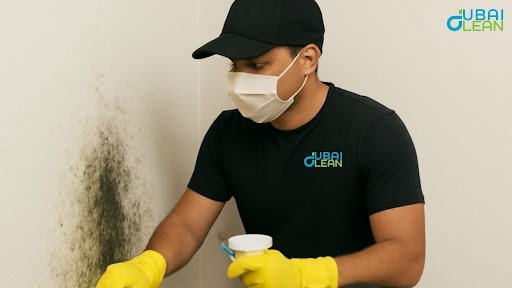
Mold is a type of fungus that thrives in damp, warm environments and can appear in various colors, such as black, green, and white. It’s important to clean mold promptly, as it can negatively affect both your health and your home. Mold can cause respiratory problems, allergies, and damage to surfaces and structures. In this blog, we’ll guide you through different types of mold, how to prevent it, and provide safe, effective methods for cleaning it. Our goal is to help you protect your health and home from the harmful effects of mold.
What is Mold and How Does it Grow?
Mold is a type of fungus that grows in damp, humid environments. It appears in various colors, such as black, green, and white, and thrives on organic materials like wood, drywall, and fabrics. One of the most common types is black mold, which can pose serious health risks if not dealt with properly.
Mold typically grows in areas of your home that are prone to moisture, such as bathrooms, kitchens, basements, and even car interiors. It can spread quickly in spaces that have poor ventilation or high humidity levels. Factors like water leaks, condensation, or flooding create the perfect environment for mold to thrive.
In this guide, we’ll help you understand how mold grows and show you how to protect both your home and your health. By staying vigilant about mold-prone areas and managing moisture, you can prevent mold growth and ensure a healthier living space for you and your family.
Why is It Important to Clean Mold?
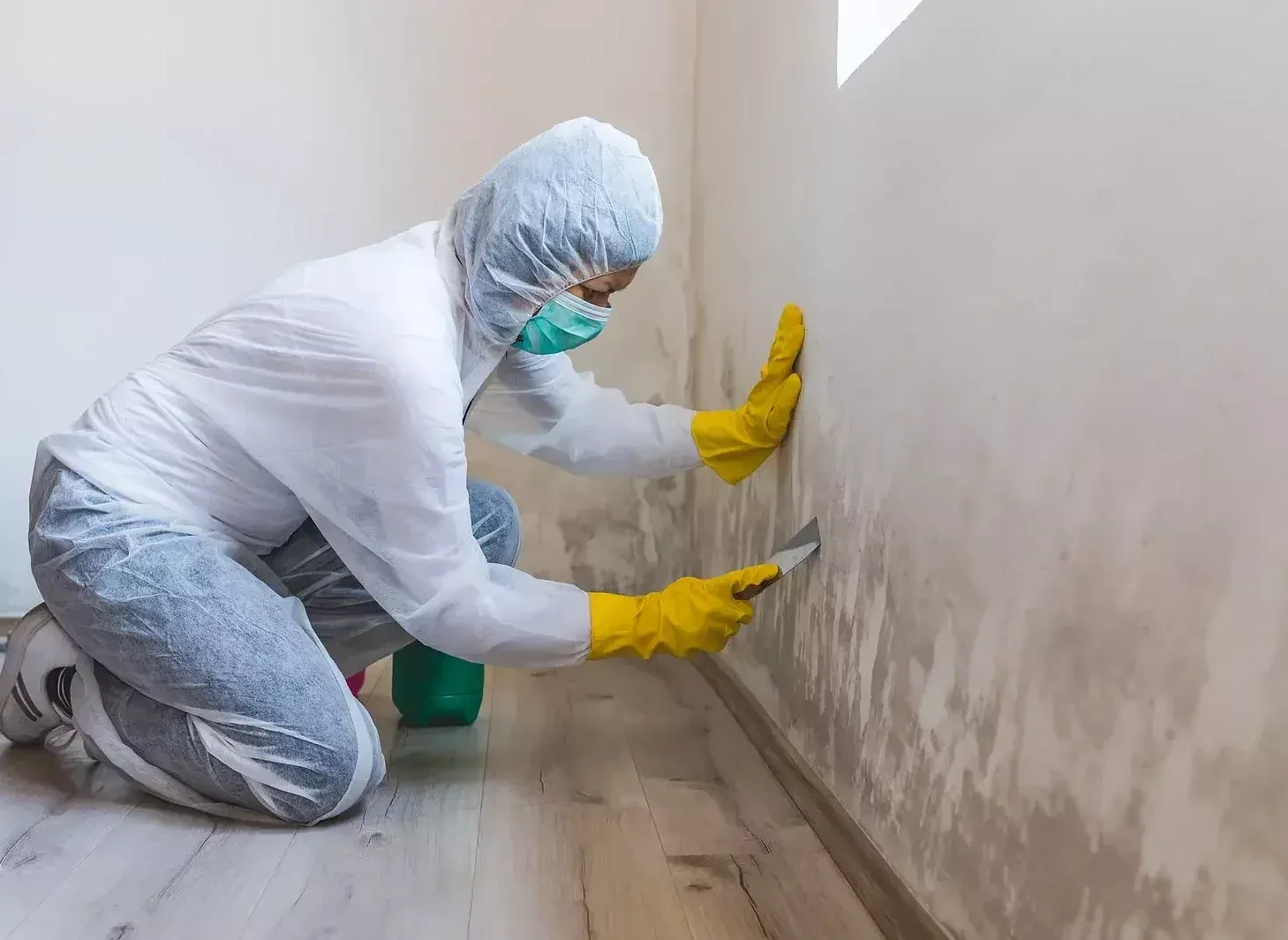
Cleaning mold is essential for maintaining both your health and your home. Mold exposure can lead to a variety of health risks, especially for people with respiratory issues, asthma, or weakened immune systems. Common symptoms of mold exposure include allergies, coughing, sneezing, and even more severe respiratory problems. It’s crucial to address mold growth early to prevent it from worsening and causing long-term health issues.
Aside from health concerns, mold can cause serious damage to your home. It weakens materials like wood, drywall, and carpet, which can lead to costly repairs. Mold can also ruin your clothing, furniture, and personal belongings, making it vital to act fast before it spreads further.
Cleaning mold early is the best way to prevent significant damage and protect your home from the harmful effects mold can have. By tackling mold as soon as you notice it, you reduce the risk of health hazards and minimize the damage to your home, keeping both your living space and your well-being safe.
How to Clean Mold from Different Surfaces
Mold can grow on various surfaces, and the cleaning methods vary depending on the material. Below are the most effective ways to clean mold from different surfaces, using safe and natural solutions.
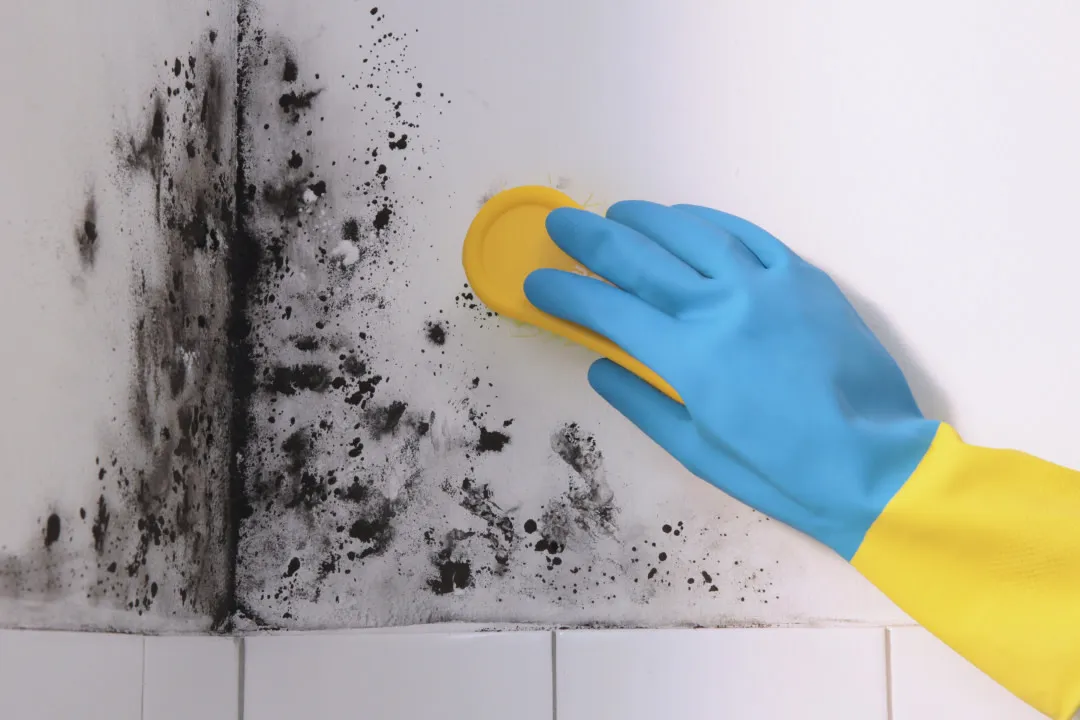
How to Clean Mold Off Walls
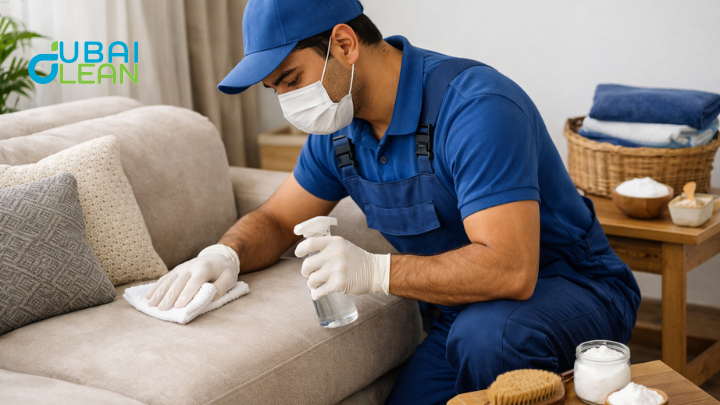
- Use Cleaning Solutions: Start by using cleaning solutions such as vinegar, hydrogen peroxide, or a store-bought mold cleaner. These solutions are effective at killing mold and preventing its return.
- Step-by-Step Cleaning:
- Apply the Solution: Spray the cleaning solution directly on the affected area.
- Scrub the Surface: Use a scrub brush to scrub off the mold. For stubborn patches, let the solution sit for 10-15 minutes before scrubbing.
- Rinse and Dry: After scrubbing, rinse the area with clean water and wipe it dry with a clean towel to avoid moisture buildup.
- Apply the Solution: Spray the cleaning solution directly on the affected area.
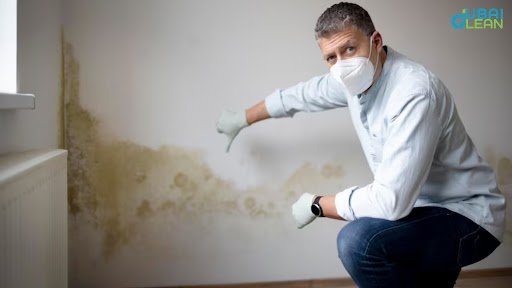
How to Remove Mold from Wood
- Treating Wood Surfaces: Mold on wood, especially green mold or black mold, can be tricky, but it can be cleaned effectively with the right method.
- Use white vinegar or hydrogen peroxide to clean the mold off the wood.
- Apply the solution with a cloth or sponge and scrub the surface.
- Use white vinegar or hydrogen peroxide to clean the mold off the wood.
- Drying the Wood: After cleaning, it’s crucial to dry the wood completely. This prevents the mold from coming back, as wood is a porous material that retains moisture. Use a fan or dehumidifier to ensure thorough drying.
How to Clean Mold Off Carpet
- Baking Soda or Vinegar Solutions: Mold on carpet can be cleaned using baking soda or a vinegar-based solution.
- Sprinkle baking soda directly on the affected area and scrub it into the fibers with a brush.
- Alternatively, mix vinegar with water and apply it to the moldy spots.
- Sprinkle baking soda directly on the affected area and scrub it into the fibers with a brush.
- Stubborn Stains: For stubborn stains or deeply embedded mold, you may need to repeat the cleaning process several times or use a professional carpet cleaner to extract moisture and remove mold thoroughly.
How to Clean Mold in the Bathroom
- Bathroom Mold Focus: Mold often grows in the bathroom, particularly on tiles, grout, and around the bathtub. These areas are typically exposed to moisture, making them mold hotspots.
- Use a combination of baking soda and vinegar to clean moldy surfaces.
- For grout lines, apply hydrogen peroxide or a commercial mold cleaner to remove stubborn mold.
- Use a combination of baking soda and vinegar to clean moldy surfaces.
- Cleaning Shower Curtains and Tiles:
- To clean mold from shower curtains, soak them in vinegar and water for about 30 minutes, then wash them with detergent.
- Clean mold between tiles by scrubbing with a mixture of vinegar and baking soda, followed by a rinse with warm water.
- To clean mold from shower curtains, soak them in vinegar and water for about 30 minutes, then wash them with detergent.
How to Clean Mold from Clothes
- Moldy Clothes: To treat moldy clothes, wash them in hot water with vinegar or borax to kill mold spores.
- For fabrics like cotton or polyester, this method works effectively.
- For fabrics like cotton or polyester, this method works effectively.
- Leather and Fabric Items:
- For leather, gently wipe the surface with a damp cloth soaked in vinegar or rubbing alcohol.
- For delicate fabric items, use a mold and mildew remover designed specifically for fabrics.
- For leather, gently wipe the surface with a damp cloth soaked in vinegar or rubbing alcohol.
How to Clean Mold Off Appliances
- Washing Machines, Dishwashers, Refrigerators: Mold can grow in appliances like washing machines, dishwashers, and refrigerators, especially in rubber seals and water dispensers.
- Washing Machines: Clean mold from the rubber seals by wiping them down with a cloth soaked in vinegar or hydrogen peroxide.
- Dishwashers and Refrigerators: Use a mold cleaner or a vinegar-water solution to scrub the affected areas. Clean the water dispenser in the refrigerator by spraying vinegar into it and letting it sit for a few minutes before wiping it clean.
- Washing Machines: Clean mold from the rubber seals by wiping them down with a cloth soaked in vinegar or hydrogen peroxide.
How to Remove Mold from Hard-to-Reach Places
Mold doesn’t just grow on visible surfaces. It can sneak into corners, behind furniture, and even on your ceiling or under the floor. Here’s how to tackle mold in some of those harder-to-reach spots:
How to Clean Mold from Roofs and Ceilings
- Special Techniques for Cleaning Moldy Ceilings:
Cleaning mold from ceilings, especially popcorn ceilings, can be tricky due to the texture. Start by protecting the floor with a drop cloth or plastic to catch any falling debris. - Mold Cleaning Solution:
Use a mold-cleaning solution like vinegar, hydrogen peroxide, or a store-bought cleaner. Apply the solution to a soft cloth or sponge, then gently scrub the moldy area. Avoid using too much liquid, as it could cause damage to the ceiling. - Safety First:
Always wear a mask and gloves when cleaning ceilings to avoid inhaling mold spores. Work in a well-ventilated area to help reduce exposure.
How to Clean Mold from Under Floors and Tiles
- Handling Mold Under Vinyl Flooring:
Mold can grow under vinyl flooring if there’s been water damage. To clean it, lift the edge of the vinyl carefully, and apply a mold-cleaning solution to the subfloor. Let it sit for a few minutes before scrubbing it with a brush. - Mold on Tile Grout and Hard Plastic Surfaces:
For mold between tiles or on hard plastic surfaces, use a baking soda and vinegar paste. Apply it to the grout and scrub with an old toothbrush. For stubborn mold, hydrogen peroxide works well to break down the growth. - Removing Mold Under Laminate Floor and Tile:
Mold can easily spread under laminate or tile floors, especially if moisture has seeped in. After removing the flooring, use a mold cleaner and scrub the area thoroughly. Drying the area completely is crucial to prevent mold from coming back.
How to Clean Mold from Your Car Interior
- Cleaning Mold from Car Seats:
Mold can grow in your car, especially on seats and carpets, if the vehicle has been exposed to moisture. Vacuum the seats to remove loose mold spores, then use a mold-cleaning solution to scrub the seats. A brush can help get into crevices. - Cleaning Mold on Carpet:
For mold on car carpets, sprinkle baking soda or use a vinegar-water solution. Let it sit for 15-20 minutes before scrubbing it with a brush. Be sure to dry the carpet thoroughly after cleaning to prevent mold from returning. - Cleaning Mold on Leather:
For leather seats or surfaces, use a soft cloth dampened with vinegar or rubbing alcohol. Avoid soaking the leather, as excessive moisture can cause damage. Wipe the surface clean and let it dry naturally. - Preventing Future Mold Growth in Vehicles:
Use a dehumidifier in the car to reduce moisture levels and prevent future mold growth. You can also leave the windows cracked open to allow air circulation, especially after washing the car or during humid conditions.
Safe Methods for Cleaning Mold
When it comes to cleaning mold, it’s crucial to prioritize safety to protect both your health and your home. Mold spores can be harmful, so taking the right precautions is essential. Here’s how to clean mold safely and effectively:
Safety Precautions While Cleaning Mold
- Wear Protective Gear:
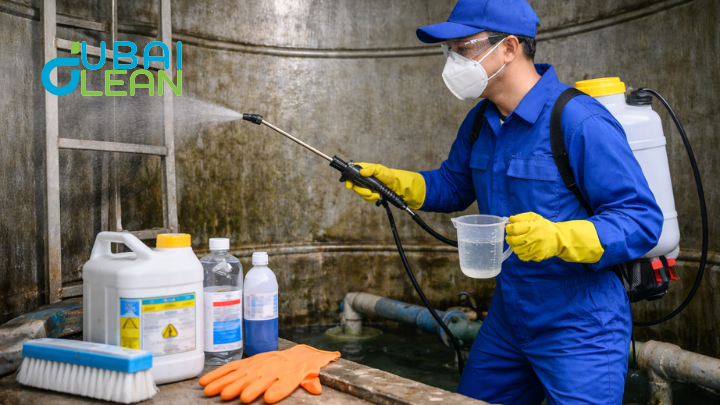
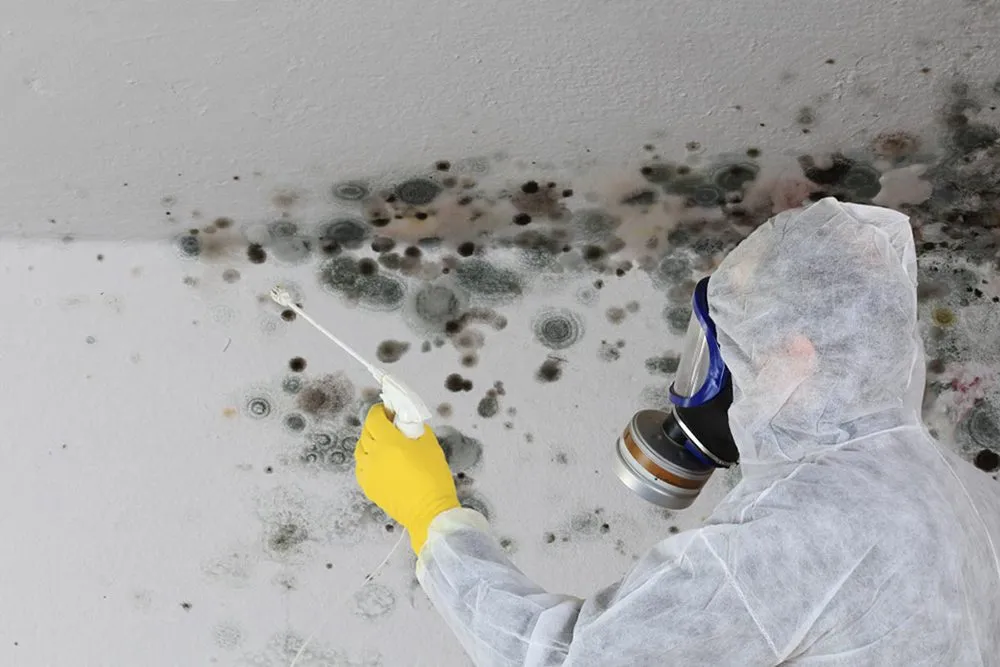
Mold spores can be inhaled and cause respiratory issues, allergies, or more severe health problems. Always wear a mask (preferably an N95 respirator) to filter out mold spores from the air. Gloves are also important to prevent direct contact with mold, which can irritate your skin. - Eye Protection:
Consider wearing goggles to protect your eyes from mold spores, especially when scrubbing surfaces where mold growth is heavy. This will prevent any spores from getting into your eyes and causing irritation. - Keep Molded Areas Contained:
If possible, isolate the area you’re cleaning by using plastic sheets to seal off doors and vents. This will prevent mold spores from spreading to other parts of your home while you clean.
Natural Remedies vs Chemical Cleaners
- Natural Cleaning Solutions:
For those who prefer an eco-friendly approach, natural remedies like vinegar, baking soda, and borax are great alternatives to harsh chemicals. Vinegar kills most mold species and is safe for most surfaces. Baking soda can be used to scrub away mold on tiles and fabrics, while borax is particularly effective on wooden surfaces. - Chemical Mold Cleaners:
If you choose to use commercial mold cleaners, make sure to follow the manufacturer’s instructions carefully. Many commercial products contain strong chemicals that are effective at killing mold but can also be harmful to your health if not used properly. Always wear protective gear and ensure proper ventilation when using these cleaners.
Importance of Proper Ventilation
When cleaning mold in areas with high humidity, like basements, bathrooms, or kitchens, proper ventilation is key. Opening windows, using fans, and running a dehumidifier can help reduce moisture levels and dry out the area quickly. Ventilating the room also prevents mold spores from circulating throughout your home, allowing for a safer cleaning environment.
How to Prevent Mold from Coming Back
Once you’ve cleaned mold from your home, it’s essential to take steps to prevent mold from returning. Mold thrives in areas with moisture, so addressing the root causes and maintaining a dry environment is key to keeping it at bay. Here are some effective tips to ensure mold stays away for good:
1. Mold Prevention Tips
- Use Dehumidifiers:
Mold loves damp environments, so using a dehumidifier can help reduce moisture levels in your home, particularly in basements, bathrooms, and kitchens. Keeping humidity levels under 60% is ideal for preventing mold growth. - Fix Leaks Promptly:
Water leaks from plumbing, windows, or roofs can create the perfect conditions for mold. If you notice any leaks, fix them immediately. Whether it’s a leaky faucet or a roof leak, ensuring your home stays dry will help prevent mold from reappearing. - Improve Ventilation:
Poor airflow contributes to mold growth. Make sure your home is well-ventilated, especially in moisture-prone areas like bathrooms and kitchens. Open windows when possible and use exhaust fans to allow air to circulate and reduce humidity levels.
2. Regular Cleaning of Mold-Prone Areas
To prevent mold from taking hold again, regular cleaning is crucial. Pay special attention to areas where mold is more likely to form, such as bathrooms, kitchens, and basements. Keep these areas dry and clean by:
- Wiping down shower walls and bathroom tiles after use to prevent moisture buildup.
- Using mold-resistant cleaning products to ensure surfaces remain clean.
- Drying wet surfaces like sinks, counters, and tubs immediately after use.
3. Use Mold-Resistant Products
In high-moisture areas like bathrooms and kitchens, using mold-resistant products can greatly minimize the risk of mold growth. These include:
- Mold-resistant paint for walls and ceilings, especially in areas that experience high humidity.
- Mold-resistant drywall and backer boards in bathrooms or areas prone to water exposure.
- Waterproof sealants for tiles, bathtubs, and sinks to create an additional barrier against moisture.
When to Call a Professional Mold Cleaner
If mold infestations are extensive or pose health risks, professional mold cleaning is essential. Mold can spread quickly, and experts are equipped to handle toxic mold like black mold, as well as mold in hard-to-reach areas. They not only remove the mold but also address the root causes, like leaks or poor ventilation, preventing future growth.
In Dubai and Abu Dhabi, professional mold removal services specialize in both residential and commercial properties. They offer complete solutions, from inspection and removal to long-term prevention, ensuring your home stays mold-free and safe. If mold is causing health concerns, don’t hesitate to seek expert help for fast and effective removal.
Conclusion
Cleaning mold effectively and safely requires the right approach, from using proper cleaning solutions to taking the necessary safety precautions. Whether you’re tackling mold on walls, floors, or in bathrooms, early intervention is key to preventing further damage. Don’t wait for mold to spread—take immediate action to protect your home. Regular maintenance, proper ventilation, and moisture control will help keep mold at bay.
If you’re dealing with extensive mold or need professional help, Dubai Clean is your go-to expert in mold removal. As a trusted leader in the industry, Dubai Clean is your ally in keeping your home mold-free, ensuring a healthier and safer living environment for you and your family. Remember, early mold removal and consistent care are essential to maintaining a healthy home.