


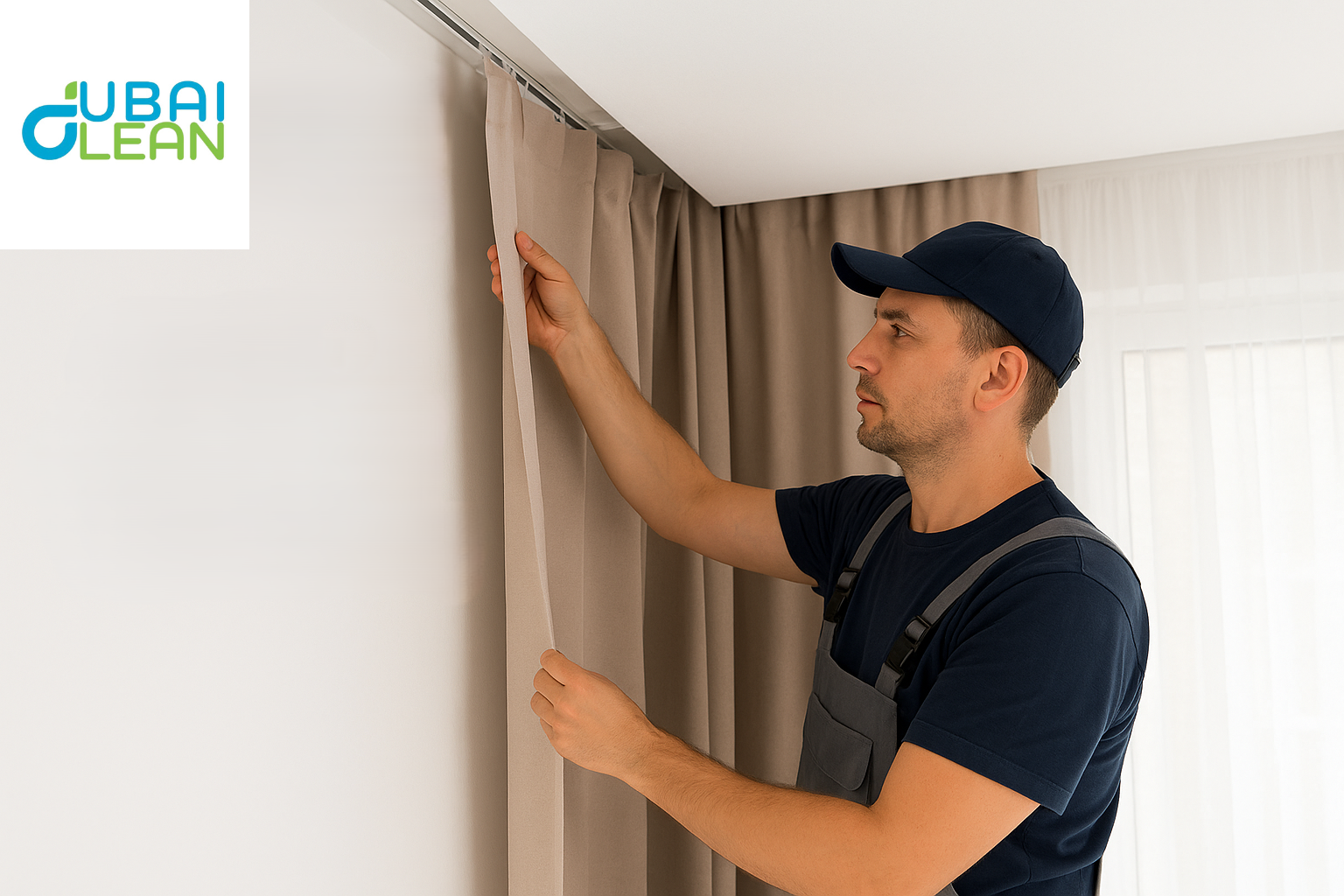
Curtains are no longer just for windows-they have become a smart and versatile solution for dividing spaces. From room divider curtains in apartments to PVC strip curtains in warehouses, they create privacy, control temperature, and improve space efficiency without permanent walls.
Choosing the right type of curtain is important for both comfort and functionality. In homes, they add style and separation between areas. In offices, they help organize workspaces. In industries, PVC and plastic curtains provide hygiene, safety, and easy movement. Selecting the correct option ensures durability, safety, and value for money.
1. Room Divider Curtains
Room divider curtains are a practical and stylish way to separate spaces without building walls. They’re commonly used in homes, offices, and shared spaces to create privacy, enhance décor, or divide large rooms into smaller sections. These curtains come in various fabrics, colors, and designs, making them suitable for modern, traditional, or minimalist interiors.
Different styles include ceiling-mounted tracks, freestanding curtain dividers, and retractable options. Fabrics range from sheer for light separation to blackout curtains for complete privacy. Installation is simple, requiring minimal tools, and the flexibility allows you to change layouts anytime without permanent alterations.
Advantages of Room Divider Curtains
One of the biggest advantages of room divider curtains is their affordability compared to building walls or partitions. They provide a budget-friendly way to transform open layouts into functional zones.
They’re also highly flexible, letting you create privacy zones on demand-perfect for bedrooms, studios, and office setups. With the ability to open, close, or move them around, divider curtains adapt to changing needs effortlessly.
2. Partition Curtains
Partition curtains are widely used in hospitals, gyms, and offices to create temporary yet effective barriers. In healthcare settings, they offer patients privacy and separation without blocking airflow. In gyms, they divide workout areas or group classes, while in offices, they help build flexible work zones.
These curtains are usually made from durable and easy-to-clean materials such as polyester, vinyl, or antimicrobial fabrics. Some are flame-retardant for added safety, while others feature sound-absorbing properties to reduce noise in busy environments. Their design balances practicality with hygiene, making them suitable for both commercial and professional use.
Benefits of Partition Curtains
Partition curtains are easy to install and relocate, often requiring only a track system or portable frame. This makes them a quick solution for dividing spaces without construction work.
They also enhance space organization by creating defined zones, helping maintain order and efficiency in shared environments. Unlike permanent walls, they can be adjusted or removed anytime, giving businesses and institutions maximum flexibility.
3. PVC Curtains
PVC curtains are a popular choice in industrial and commercial spaces because of their strength, flexibility, and versatility. Made from polyvinyl chloride, these curtains are designed to withstand heavy use while providing a practical barrier against dust, noise, and temperature changes.
They are commonly used in factories, warehouses, workshops, and food processing areas. Businesses rely on them to separate work zones, improve hygiene, and maintain climate control without installing solid doors or walls. Their transparency also allows visibility, ensuring safety while keeping areas divided.
Key Features of PVC Curtains
PVC curtains are known for their durability, flexibility, and waterproof properties, making them ideal for demanding environments. They resist wear and tear, handle frequent movement, and are easy to clean.
Another key advantage is their cost-effectiveness. Compared to permanent partitions or automatic doors, PVC curtains offer the same level of functionality at a fraction of the cost, making them a smart investment for businesses looking for efficiency and savings.
4. PVC Strip Curtains
PVC strip curtains differ from full PVC sheets because they consist of overlapping transparent strips instead of one solid curtain. This unique design makes them highly flexible, allowing people, vehicles, and goods to pass through easily while still keeping areas separated.
They are widely used in warehouses, cold storage rooms, and factories where temperature control, hygiene, and efficiency are essential. The strips act as a protective barrier against dust, insects, and outside air, making them especially useful in food industries and logistics facilities.
Benefits of PVC Strip Curtains
One of the biggest advantages of PVC strip curtains is their ability to maintain temperature control, keeping cool air in cold storage or reducing heat loss in busy warehouses.
At the same time, they allow easy movement of people and goods without the need to constantly open or close doors. This balance between accessibility and protection makes them a cost-effective and practical choice for industrial settings
5. Plastic Curtains
Plastic curtains are a lightweight and budget-friendly option often used in homes and temporary setups. Unlike heavier fabrics or industrial PVC, they are simple to install and replace, making them a convenient choice for quick space division or added privacy.
They come in a variety of designs, colors, and transparency levels, from fully clear to frosted or patterned styles. This makes them suitable for decorative as well as functional purposes, allowing homeowners to match them with different interior themes while still enjoying practicality.
Uses of Plastic Curtains
Plastic curtains are commonly used in bathrooms, balconies, kitchens, and outdoor areas. In bathrooms, they act as shower curtains; on balconies, they provide wind and dust protection; in kitchens, they help maintain cleanliness; and outdoors, they serve as weather shields. Their versatility makes them a popular choice for everyday needs.
6. Safety Considerations for Curtains
While curtains serve as convenient dividers, they also come with certain safety risks if not chosen wisely. Fabric and plastic materials can pose fire hazards, especially in busy homes, offices, or industrial spaces. Non-fireproof curtains can catch flames quickly, turning a minor accident into a major danger.
Low-quality PVC or plastic curtains may also release toxic fumes or trigger allergies. Prolonged exposure to such materials can affect indoor air quality, especially in spaces with poor ventilation. Choosing certified and high-quality products reduces these risks significantly.
Fire Resistance & Material Standards
To reduce fire risks, always choose certified fire-retardant materials that comply with safety standards. These curtains are specially treated to slow down flame spread, giving occupants more time to respond in case of an emergency.
It is also important to avoid cheap, unsafe products that might save money initially but compromise long-term safety. Investing in reliable materials ensures both durability and peace of mind.
Indoor Air Quality & Hygiene
PVC and plastic curtains should be used in well-ventilated areas to prevent buildup of odors or fumes. Proper airflow helps maintain a healthier indoor environment, especially in workplaces and kitchens.
Regular cleaning is equally important to prevent mold, dust, and germ accumulation. Neglected curtains can become breeding grounds for bacteria, affecting both health and cleanliness in living and working spaces.
7. Maintenance & Cleaning Tips
Keeping curtains clean is essential not only for appearance but also for hygiene and durability. Whether they are fabric, PVC, or plastic curtains, regular maintenance prevents the buildup of dust, stains, and bacteria. A consistent cleaning routine also helps extend their lifespan, saving money on frequent replacements.
Choosing the right cleaning method depends on the curtain type. Fabric curtains may require washing or dry cleaning, while PVC and plastic curtains need gentler care to avoid damage. Using appropriate products ensures they stay fresh and functional for longer.
How to Clean Fabric Curtains
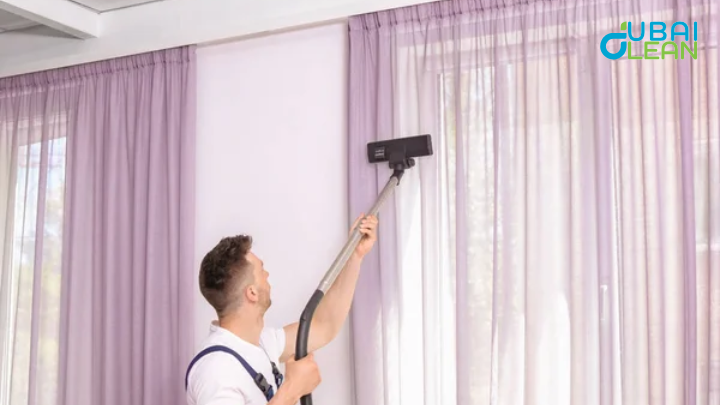
Fabric curtains can be cleaned through washing, steaming, or dry cleaning, depending on the material. Lightweight fabrics are often machine-washable, while heavier or delicate ones may need professional dry cleaning. Steaming is a great option to refresh curtains quickly and remove wrinkles without taking them down.
How to Clean PVC & Plastic Curtains
For PVC and plastic curtains, the best method is wiping with mild soap and warm water. This removes dust, grease, and stains without harming the material. A soft cloth or sponge works best for gentle cleaning.
Avoid using harsh chemicals or abrasive scrubbers, as these can damage the surface, reduce clarity, and shorten the curtain’s lifespan. Regular care keeps them looking clear, fresh, and hygienic.
8. Expert Tips for Long-Lasting Curtains
Curtains last longer and perform better when installed, stored, and maintained correctly. Whether they are room divider curtains, PVC curtains, or plastic curtains, following expert tips helps maximize their durability and efficiency. Proper care also ensures they remain safe and visually appealing for daily use.
Regular inspections and correct handling can prevent minor issues from becoming bigger problems. From ensuring a stable installation to storing curtains the right way, these practices save both time and money in the long run.
Proper Installation Methods for Stability
Always use the right mounting hardware, such as sturdy curtain tracks or brackets, to keep curtains stable. Poor installation can cause sagging, tearing, or even falling hazards. Secure fittings also make daily use smoother and safer.
Storing Unused Curtains Correctly
When not in use, curtains should be cleaned, dried, and folded or rolled properly before storage. Keep them in a cool, dry place to avoid mold, moisture damage, or fading caused by sunlight exposure.
Inspecting Regularly for Wear and Tear
Check curtains regularly for tears, loose fittings, or discoloration. Early detection allows timely repairs and prevents safety risks. For PVC and plastic curtains, look out for cracks or brittleness caused by age or heat exposure.
9. Danger & Risk Section
While curtains provide convenience and style, it’s important to be aware of potential dangers. Improper selection, poor-quality materials, or neglect can lead to serious risks at home, in offices, or industrial spaces. Beyond safety, ignoring maintenance or choosing the wrong type of curtain can also affect hygiene, indoor air quality, and even energy efficiency.
From fire hazards to chemical exposure, and from hygiene issues to installation-related injuries, being informed helps you make smarter choices. Understanding these risks ensures that your curtains remain not only functional and stylish but also safe for everyone who uses the space.
Fire Hazards
Curtains made from non-fireproof fabrics or plastics can spread flames quickly, especially in kitchens, offices, or areas with electrical equipment. Choosing fire-retardant materials significantly reduces the risk of accidents.
Chemical Exposure
Low-quality PVC or plastic curtains may release harmful chemicals when heated. Prolonged exposure can cause respiratory irritation or allergic reactions. Always opt for certified, high-quality materials to ensure safety.
Hygiene Risks
Uncleaned curtains can accumulate dust, germs, and mold, which can trigger allergies or respiratory problems. Regular cleaning and proper ventilation are essential to maintain a healthy environment.
Injury Hazards
Improperly installed curtains or weak mounting hardware can fall unexpectedly, causing injury. Secure installation and regular inspection are key to preventing accidents, especially in high-traffic areas or where children are present.
Conclusion
Curtains are a versatile solution for dividing spaces, offering functionality, style, and convenience. From room divider curtains and partition curtains to PVC, PVC strip, and plastic curtains, each type serves a unique purpose in homes, offices, and industrial settings. Understanding their features helps you choose the right curtain for your specific needs.
It’s equally important to prioritize safety, durability, and maintenance. Selecting fire-retardant materials, high-quality PVC or fabric, and keeping them clean ensures that your curtains remain both practical and safe.
Ultimately, the key is to balance style, safety, and functionality. A well-chosen curtain not only enhances your space visually but also creates privacy, maintains hygiene, and provides long-lasting performance. With proper care and smart choices, your curtains can transform any area efficiently and safely.