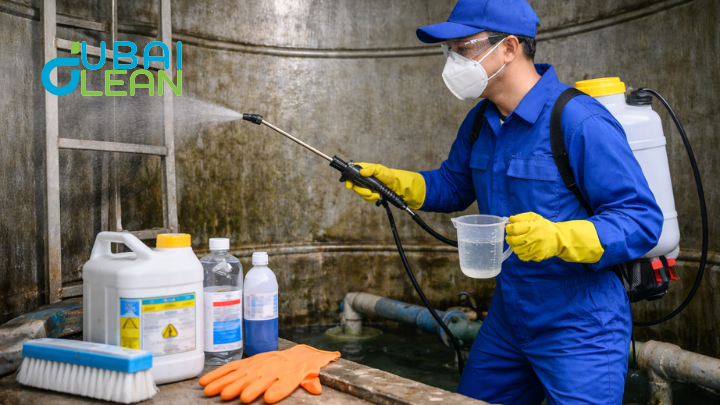



Dubai’s hot and humid weather can make home cleaning a real challenge. Moisture in the air leads to mold, musty smells, and fast-growing dust. Without proper care, humidity can damage your furniture, flooring, and even the air quality in your home. That’s why it’s important to follow cleaning methods that are made for humid conditions. By using the right tools, habits, and cleaning products, you can keep your home fresh, dry, and healthy matter how high the temperature or humidity gets.
1. Understanding the Impact of Humidity on Your Home
Humidity can silently damage many parts of your home. When the air holds too much moisture, it creates the perfect environment for mold and mildew to grow on walls, ceilings, and in hidden corners. Wood furniture may swell or warp, and metal surfaces can begin to rust. High humidity also makes dust and allergens stick to surfaces, leading to poor indoor air quality. Over time, this can affect your family’s health and cause damage that is expensive to fix. That’s why controlling humidity and cleaning regularly is so important in a climate like Dubai’s.
How moisture affects indoor air, walls, and furniture.
Moisture in the air can quietly damage your home over time. In humid weather, excess moisture makes the air feel heavy and uncomfortable. It can also lead to musty odours and poor air quality, which may cause allergies or breathing problems. Walls absorb moisture easily, especially if there’s poor ventilation. This can cause paint to peel, wallpaper to bubble, and mold to grow in corners. Wooden furniture is also at risk-humidity can cause wood to swell, warp, or crack. That’s why controlling moisture is key to keeping your home fresh and damage-free.
Common humidity-related issues: mould, mildew, musty smells.
In a humid environment like Dubai, excess moisture in the air can lead to several common problems inside your home. One of the most serious is mould growth-a black or green fungus that often appears in damp corners, behind furniture, or on bathroom tiles. Mildew is another issue, usually showing up as a white or grey powdery layer on walls, fabrics, or ceilings. Both mold and mildew not only damage your surfaces but can also affect your health by causing allergies and breathing problems. Another frequent issue is musty smells.
2. Daily Residential Cleaning Habits to Reduce Moisture
In a humid climate like Dubai’s, daily cleaning habits play a big role in keeping your home dry and fresh. Start by wiping down surfaces that collect moisture, such as bathroom counters, kitchen sinks, and window sills. Always keep bathroom doors open after a shower to let steam escape, and turn on exhaust fans to remove damp air. Using microfiber cloths for dusting and mopping helps absorb extra moisture instead of spreading it around. Avoid leaving wet clothes or towels inside rooms hang them in open areas to dry faster. Simple actions like these, done every day, can prevent mold, bad smells, and moisture buildup in your living space.
The importance of ventilation and airflow.
Good ventilation and proper airflow are key to keeping your home clean and healthy, especially in Dubai’s humid climate. When air doesn’t move, moisture builds up in rooms like bathrooms, kitchens, and closets. This can lead to mold, mildew, and bad smells. By opening windows at the right times and using fans or exhaust systems, you help remove damp air and bring in fresh air. This keeps humidity levels low, prevents dust from settling, and helps your home feel cooler and more comfortable.
How to manage indoor humidity with simple habits.
Managing indoor humidity doesn’t have to be difficult. Start by opening windows during cooler hours, like early morning or late evening, to let fresh air flow through your home. Use exhaust fans in bathrooms and kitchens to remove steam and moisture after cooking or showering. Keep furniture a few inches away from walls to allow air to circulate and prevent damp spots. You can also place small bowls of baking soda or activated charcoal in closets and corners to absorb excess moisture. These simple daily habits can make a big difference in keeping your home dry and comfortable.
3. Cleaning Tips for Humid-Prone Areas of the House
Some parts of your home, like the bathroom, kitchen, and closets, collect more moisture than others. These humid-prone areas need extra care to prevent mould, mildew, and bad smells. Start by keeping these spaces dry with good airflow. Open windows when possible or use exhaust fans to remove steam and moisture.
Focus on the kitchen, bathroom, and closets.
In humid climates like Dubai, the kitchen, bathroom, and closets are the most vulnerable areas for moisture buildup and mold growth. These spaces often have limited airflow and are exposed to water regularly, creating the perfect environment for dampness. It’s important to clean these areas frequently and thoroughly. Wipe down surfaces, use mold-resistant cleaners, and make sure to dry wet spots quickly. Keeping these key areas clean helps prevent bad odors, protects your belongings, and maintains a healthier home environment.
Safe and effective cleaning routines using natural products.
Using natural products for cleaning is a safe and effective way to keep your home fresh, especially in Dubai’s humid climate. Natural cleaners like vinegar, baking soda, and lemon not only remove dirt and stains but also help prevent mold and mildew without harmful chemicals. These products are gentle on surfaces and better for your health, reducing the risk of allergies or irritation. Regular use of natural cleaners can protect your home from moisture damage while keeping the air clean and fresh. Plus, they are easy to find and cost-effective, making them a smart choice for everyday cleaning.
4. Importance of Air Conditioning Maintenance
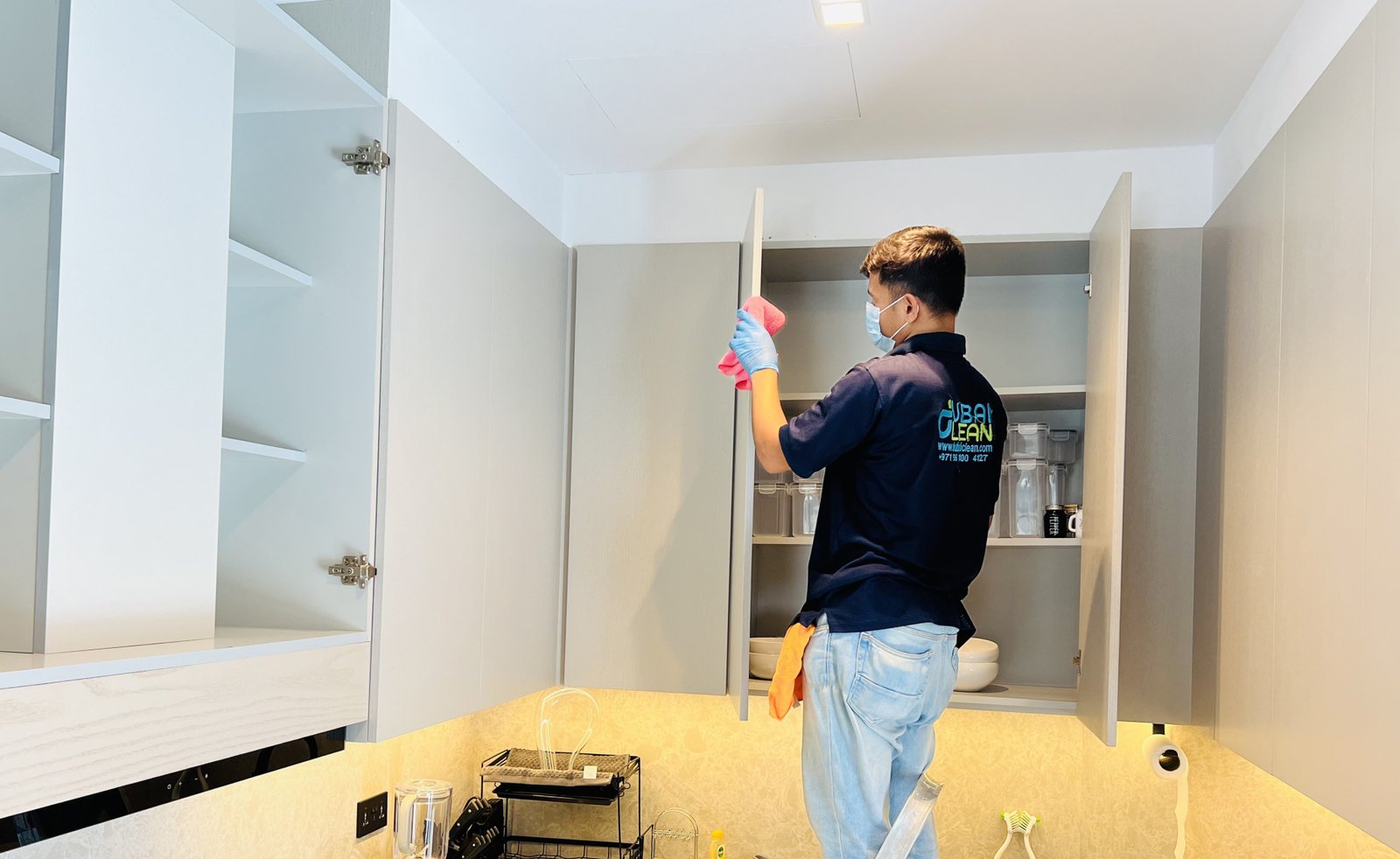
In Dubai’s humid climate, air conditioning is not just for comfort it plays a key role in keeping your home clean and healthy. When air conditioners are not maintained properly, their filters and coils can collect dust, dirt, and moisture. This buildup creates a perfect environment for mold and bacteria to grow, which can then spread through the air inside your home. Regular maintenance, including cleaning and replacing filters, helps your AC work efficiently and improves indoor air quality.
Dirty AC filters can spread moisture and dust.
Dirty air conditioning (AC) filters are a common problem in humid climates like Dubai. When filters are clogged with dust and dirt, they cannot work properly to remove moisture from the air. Instead, they can become a source of moisture buildup inside your home. This trapped moisture creates a perfect environment for mold and bacteria to grow. Additionally, dirty filters fail to trap dust effectively, causing dust particles to circulate in your living space. This can lead to poor indoor air quality and may cause allergies or respiratory problems.
AC cleaning schedule in Dubai’s climate
In Dubai’s humid climate, air conditioning is not just for comfort-it plays a key role in keeping your home clean and healthy. When air conditioners are not maintained properly, their filters and coils can collect dust, dirt, and moisture. This buildup creates a perfect environment for mould and bacteria to grow, which can then spread through the air inside your home. Regular maintenance, including cleaning and replacing filters, helps your AC work efficiently and improves indoor air quality. Keeping your air conditioning system in good shape also prevents costly repairs and extends its lifespan, making it an essential part of home care in humid weather.
5. Seasonal Deep Cleaning for Long-Term Results
Seasonal deep cleaning is essential, especially in Dubai’s humid climate. Regular cleaning helps, but a thorough deep clean every few months can remove hidden dirt, mould, and dust that build up over time. This kind of cleaning targets hard-to-reach places like behind furniture, under carpets, and inside vents, where moisture can cause damage. By investing time in seasonal deep cleaning, you protect your home from long-term problems like mould growth and material decay. It also keeps your living space fresh, healthy, and comfortable all year round.
Why humid months demand extra care.
Humid months bring extra moisture into your home, which creates the perfect environment for mould and mildew to grow quickly. This moisture can also cause unpleasant odours and damage to walls, furniture, and fabrics. Because of this, regular cleaning is not enough during humid times—you need extra care to prevent these problems. Taking additional steps like improving ventilation and using the right cleaning products helps protect your home and keeps it safe and comfortable throughout the year.
Tips for quarterly deep cleaning routines.
Doing a deep cleaning every three months helps keep your home fresh and prevents problems caused by humidity. During these deep cleans, focus on areas that often get overlooked, like behind furniture, under sinks, and inside closets. Clean walls, baseboards, and vents to remove dust and moisture buildup. Use mould-resistant cleaners on bathroom tiles and kitchen surfaces to stop mould from growing. Regular deep cleaning also helps protect your furniture and keeps the air inside your home healthy. By sticking to a quarterly deep cleaning routine, you reduce the risk of damage and create a more comfortable living space.
6. Laundry & Fabric Care in High Humidity
High humidity in Dubai can make drying clothes and fabrics difficult, often leaving them damp and causing unpleasant odours. To keep your laundry fresh, it’s best to dry clothes in well-ventilated areas or use a dehumidifier or air conditioner to speed up the drying process. Avoid leaving wet clothes inside for too long, as this can lead to mould and bacteria growth. Using drying racks instead of piling clothes helps air circulate better. For added freshness, consider using fragrance beads or fabric sprays that fight moisture and odours. Proper fabric care in humid conditions helps protect your clothes and keeps your home smelling clean and comfortable.
How to dry clothes and linens effectively indoors.
Drying clothes and linens indoors in Dubai’s humid climate requires some smart steps to prevent damp smells and mold growth. First, always use a well-ventilated area with good airflow, such as near a window or under a ceiling fan. Avoid overcrowding the drying rack to allow air to circulate freely around each item. Using a dehumidifier or air conditioner in the room can help speed up drying by reducing moisture in the air. Rotate clothes regularly to expose all sides to the air.
Preventing damp smells and bacteria in wardrobes.
Wardrobes can easily develop damp smells and bacteria in humid climates like Dubai. This happens because moisture gets trapped inside, creating a perfect environment for mold and bacteria to grow. To prevent this, it’s important to keep your wardrobe well-ventilated by leaving the doors open regularly or using moisture absorbers like silica gel packs. Also, avoid storing damp clothes or shoes inside, as they add extra moisture. Cleaning your wardrobe with a mild disinfectant every few weeks helps remove bacteria and keeps your clothes smelling fresh and clean.
Conclusion
Keeping your home clean in Dubai’s humid climate requires extra care and smart cleaning habits. Humidity can cause mold, bad smells, and damage if not managed properly. By following the right cleaning tips and regularly maintaining your space, you can protect your home and enjoy a fresh, healthy environment. Simple changes like improving ventilation, using the right products, and paying attention to moisture-prone areas make a big difference. Staying consistent with these steps will help your home stay comfortable and safe all year round.