


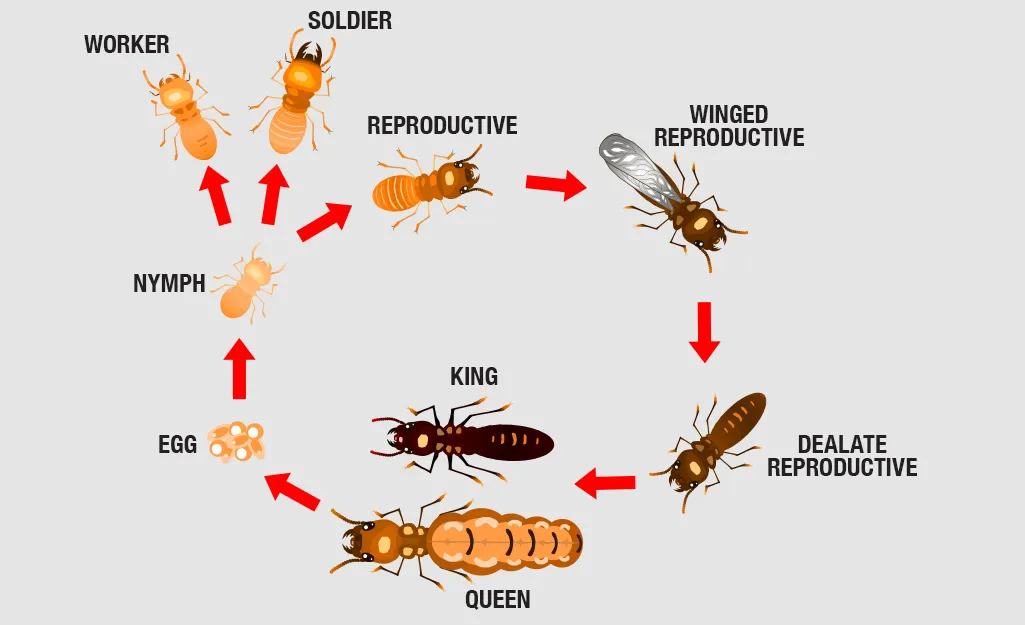
Termites are one of the most dangerous pests that can sneak into your Dubai home, causing huge damage before you even know they’re there. These tiny creatures love warm, humid places, and Dubai provides the perfect environment for them. The worst part? You might not notice them until the damage is already done. That’s why spotting them early and taking quick action is so important to avoid expensive repairs.
In this article, I’ll show you how to spot the signs of a termite problem, answer the question, “Can I treat bed bugs by myself?” and explore the best ways to get rid of them. By learning the risks and the most effective methods, you’ll be able to protect your Dubai home from these sneaky pests.
Signs of Termite Infestation
Termites are sneaky little pests, and by the time you notice the damage, it could already be too late. But don’t worry, some clear signs can help you catch them early and save your Dubai home from serious harm.
Mud Tubes and Tunnels
Termites build mud tubes to travel from their colonies to food sources, keeping them hidden from view. You might find these tubes along walls, cracks in the foundation, or wooden structures. These tubes protect termites from the light and any predators. If you spot mud tubes on your walls or foundation, it’s a sure sign of termites.
Hollowed or Damaged Wood
Termites love to munch on wood, and as they do, they leave behind hollowed-out areas. You can often hear these soft spots when you tap on them. If you find weak or soft spots in wooden beams, floors, or furniture, termites could be the culprit.
Swarming Behaviour
When termites swarm, they’re usually looking to reproduce and start new colonies. This happens mostly in the warmer months, and you might spot winged insects around windows, doors, or lights. You may even find discarded wings around your home, which is another sign termites have been active.
Frass (Termite Droppings)
Termites feed on wood and leave behind small, pellet-like droppings called frass. You may find these droppings near termite entry points, usually around the base of wooden furniture or structures. If you spot fine dust or tiny pellets around wooden surfaces, termites could be nearby.
Pinpoint Holes in Wood or Paint
As termites burrow through wood, they create tiny holes in the surface. These holes might appear in walls or ceilings and can be paired with powdery residue or peeling paint. While these signs can be confused with other pest damage, if you notice them alongside other signs of termites, it’s time to investigate further.
Sagging or Buckling Floors
As termites feast on the wood beneath your floors, the structure can weaken, causing the floorboards to sag or buckle. This is especially noticeable in areas with high moisture. If you notice uneven floors or visible damage, termites might be to blame.
By keeping an eye out for these signs, you can act fast and stop further damage. If you see any of these signs, it’s a good idea to call a professional pest control service to inspect your home thoroughly.
Can I Treat Termites Myself?
When you discover termites in your home, the idea of tackling the problem yourself might seem appealing to save a few dirhams. But before you grab that DIY kit, it’s important to think carefully about the risks and the challenges of treating termites on your own.
Effectiveness of DIY Methods
There are many DIY termite treatments out there, like sprays, baits, and dust. However, these methods usually only provide temporary relief. They often miss the root cause because termite colonies can be hidden deep inside walls or underground. DIY treatments might kill some of the termites, but they rarely wipe out the entire colony, which means the problem could come back.
Safety Concerns
Some termite treatment products contain harsh chemicals that can be harmful to both humans and pets. If you don’t use them correctly, they can pose serious health risks. Professional treatments are usually safer because experts have the right equipment and know-how to apply these chemicals properly, without putting your family or pets at risk.
Limited Access and Knowledge
Termites are masters at hiding, and DIY methods can’t always reach them where they live. While you may treat visible termites, there’s a good chance you’ll miss the ones tucked away in hard-to-reach places, like under floors or inside walls. Pest control professionals have specialised tools, such as infrared cameras, that allow them to find termites wherever they’re hiding. Plus, they know how to identify the species and choose the best treatment for your home.
Long-Term Effectiveness
The biggest downside of DIY termite treatments is that they’re often short-lived. Termite problems don’t just disappear after one treatment. They require ongoing care and monitoring to keep them at bay. Professionals usually offer follow-up services and warranties, ensuring your home stays safe from future infestations. With DIY methods, there’s no guarantee of long-term protection.
Cost vs. Damage
At first, DIY treatments might seem cheaper, but the damage termites cause can quickly make up for any savings. Termites can destroy your home’s structure, furniture, and even electrical systems. The cost of repairs can add up quickly, making professional treatment a better investment in the long run.
In the end, while you can try to treat termites yourself, it’s not the best idea unless you have the right expertise. For lasting, safe, and effective results, it’s best to call a professional pest control service. They can take care of the current infestation and make sure your Dubai home stays protected from future termite issues.
What Kills Termites the Fastest?
If you’re dealing with a termite infestation, you probably want to get rid of them as fast as possible. There are several ways to treat termites, but some methods work quicker than others. Here are the fastest and most effective options for getting rid of these destructive pests:
Liquid Termiticides
Liquid termiticides are one of the quickest ways to kill termites. These chemicals are applied around your home’s foundation or directly to areas where termites are active. When termites come into contact with the treated areas, they die almost immediately or within a short time. Popular options like fipronil and imidacloprid create a protective barrier, stopping termites from getting to your home. This method is especially effective for subterranean termites that live underground.
Termite Bait Systems
Bait systems are slower but can be very effective in the long run. These stations, placed around your property, contain chemicals that termites carry back to their colony. The bait kills the termites gradually, but it can take weeks to wipe out the entire colony. This method is great for long-term termite control and monitoring, even though it’s slower than other treatments.
Nematodes (Beneficial Worms)
Nematodes are tiny worms that naturally hunt termites. When introduced to the soil, they find and infect termite colonies, killing them quickly. Nematodes are an eco-friendly option and a good alternative to chemical treatments, but they aren’t as fast as liquid termiticides. They do require the right conditions for maximum effectiveness.
Direct Chemical Sprays
If you spot active termites in a specific area, you can spray them directly with a chemical insecticide. Products with pyrethroids, like permethrin, kill termites immediately upon contact.
This is a fast method, but it only works on visible pests and may not eliminate the whole colony.
Heat Treatment
Heat treatment works by raising the temperature in the affected area to around 120°F (49°C), which is deadly to termites. This method is chemical-free and non-toxic, making it an eco-friendly option. It kills termites quickly by damaging their internal systems. However, heat treatment needs professional equipment and expertise, and it’s most effective for small, localised infestations rather than large-scale ones.
Fumigation
Fumigation is one of the most thorough treatments for termites. The process involves sealing your home and releasing a gas that penetrates every area, killing termites in no time. It’s highly effective for dry wood termites and can wipe out entire colonies in just a few hours. However, fumigation requires professional help and you’ll need to vacate your home during treatment due to the use of toxic gases.
In summary, while liquid termiticides and fumigation are among the fastest methods, the best option depends on your specific infestation. It’s always best to consult a professional to decide which treatment is right for your home.
Best Practices for Termite Prevention
Preventing termites is the key to safeguarding your home and avoiding the costly damage that comes with a full-scale infestation. Here are the best practices to keep your Dubai home safe from termites:
1. Seal All Cracks and Gaps in Your Home’s Structure
Termites can sneak into your home through the tiniest cracks and gaps in the walls, foundation, or around doors and windows. Regularly inspect your home for visible cracks, holes, or gaps and seal them using caulk or weatherstripping. Pay special attention to areas around pipes and wires entering the home, as these are common entry points for termites.
2. Keep Wood Away from Direct Ground Contact
Termites feed on wood, so it’s important to keep wooden structures, furniture, and firewood away from the soil. Store firewood, lumber, and wood debris at least 15-20 feet away from your home. Ensure wooden decks, fences, and other structures are elevated above the ground to prevent termites from easily accessing them.
3. Maintain Proper Drainage Around Your Home
Excess moisture can attract termites and create a favourable environment for them. Make sure your property has proper drainage to avoid water accumulation near the foundation. Clean your gutters regularly, and ensure downspouts direct water away from your home. Landscaping should slope away from your house to reduce moisture buildup near the foundation.
4. Inspect and Treat Wooden Structures
Inspect wooden structures in and around your home, such as beams, flooring, and furniture, for signs of termite activity. If you live in an area with a high termite risk, consider treating the wood with liquid termiticides or preservatives. Additionally, treat the soil around your foundation with termiticides to create a protective barrier that prevents termites from entering.
5. Eliminate Moisture Sources
Termites are drawn to moisture-rich environments, so fix any plumbing leaks and damp areas inside your home. Promptly repair leaking pipes, faucets, or AC units to avoid creating ideal conditions for termites. Ensure crawl spaces and basements are well-ventilated and dry, using dehumidifiers when needed.
6. Trim Trees and Shrubs Regularly
Overgrown trees and shrubs can provide pathways for termites to reach your home. Regularly trim back trees and shrubs, keeping them well-maintained and away from your home’s exterior. This prevents termites from finding access through branches or roots that come into contact with wooden structures.
7. Install Termite Bait Stations Around Your Property
Termite bait stations are a useful preventive measure that can help detect and control termite activity. These stations are placed around the perimeter of your property and attract termites, killing them slowly. The termites take the bait back to their colony, eventually eliminating the entire group. Regular monitoring of bait stations is essential for continued effectiveness.
8. Schedule Regular Professional Inspections
Scheduling annual inspections with a professional pest control service is one of the best ways to prevent termite infestations. Termites can go undetected for months or even years, and a trained technician can spot early signs of an infestation that might be invisible to the untrained eye. Regular inspections can prevent significant damage and expensive repairs in the future.
9. Avoid Using Mulch Near the Foundation
While mulch is popular in landscaping, it can be a prime environment for termites, especially when placed too close to your home’s foundation. Mulch retains moisture, making it an attractive nesting material for termites. If you use mulch, keep it at least 15 inches away from the foundation and consider using cedar mulch, which has natural oils that repel termites.
10. Use Metal or Concrete for Foundations
If you’re building or renovating your home, consider using materials like metal or concrete for foundations and support beams in areas prone to termite activity. These materials are resistant to termites, offering an additional layer of protection against infestations.
By following these preventive measures, you can effectively protect your Dubai home from termites, minimizing the risk of infestations and potential damage.
When to Seek Professional Help
While DIY treatments can handle minor termite issues, there are certain situations where professional intervention is essential to ensure effective and long-lasting protection against infestations. Here are key signs and scenarios where you should contact a termite control expert:
1. Visible Signs of a Large Infestation
If you notice significant damage to wooden structures, or if you observe large numbers of termites swarming inside or outside your home, it’s time to call a professional pest control service. Large termite colonies are difficult to manage with DIY methods, and the longer you wait, the more damage they can cause. Experts have the tools and knowledge to eliminate the infestation at its source, preventing costly repairs.
2. Damage That’s Difficult to Access
Termites often infest hard-to-reach areas such as inside walls, crawl spaces, or beneath floors. If you’re unsure about the extent of the infestation or can’t access certain parts of your home, professionals can use specialized equipment like moisture meters, infrared cameras, and borescopes to detect termite activity in hidden areas. This allows them to treat the infestation more effectively and comprehensively.
3. When DIY Methods Fail
If you’ve tried over-the-counter products such as sprays, baits, or other DIY treatments, and termite activity continues, it’s clear that the infestation is too extensive for these methods. Professional pest control services use stronger, more targeted solutions that can eliminate the entire colony, ensuring long-term results and preventing re-infestation.
4. Multiple Termite Species Present
In Dubai, different types of termites, like subterranean and dry wood termites, can infest homes. Each species requires a specific treatment approach. If you’re unsure about the type of termites in your home, a professional pest control expert can identify the species and provide the appropriate treatment. They also have access to advanced methods such as fumigation, which DIY solutions can’t replicate, especially for dry wood termites.
5. Ongoing Moisture Problems
Persistent moisture issues, whether from plumbing leaks, poor drainage, or high humidity, create a perfect environment for termites. A professional pest control company can not only treat the infestation but also address the underlying moisture problem. They may work with plumbers or contractors to resolve the issue completely, preventing future infestations.
6. Home’s Structural Integrity is at Risk
If termites have caused significant damage to structural elements like support beams, flooring, or foundations, it’s crucial to call in a professional immediately. Termites can compromise the safety of your home, and delayed treatment may result in costly repairs or structural failure. A professional will assess the damage and implement a targeted treatment plan to minimize further risk and protect your home.
7. If You Are Selling or Buying a Property
Termite inspections are often required during real estate transactions. If you are buying or selling a property, it’s wise to hire a professional pest control company to conduct a thorough inspection before the sale. If termites are found, treatment can be arranged before the deal proceeds, preventing complications. Additionally, a professional inspection for sellers can reassure potential buyers that the property is free from infestations.
8. Termite Prevention Services
Even if you don’t currently have a termite problem, living in an area prone to termite activity makes it worth considering professional prevention services. Experts can conduct regular inspections and apply preventive treatments, such as liquid termiticides or bait stations, to create a protective barrier around your home. This proactive approach can help prevent future infestations and damage.
By seeking professional help in these situations, you ensure that your home remains safe from termites, avoiding further damage and costly repairs.

Conclusion
Termites are silent but highly destructive pests that can cause significant damage to your home if left unchecked. Early recognition of the signs of infestation, combined with effective preventive measures, is key to protecting your property. While DIY treatments may help with minor issues, professional assistance is often the most reliable and thorough solution, especially for large infestations, difficult-to-reach areas, or ongoing termite problems. Professional pest control experts in Dubai have the necessary expertise, tools, and treatments to eradicate termites quickly and effectively, ensuring long-term protection for your home. By staying vigilant and addressing termite concerns promptly, you can avoid costly repairs and preserve the structural integrity of your property for years to come.