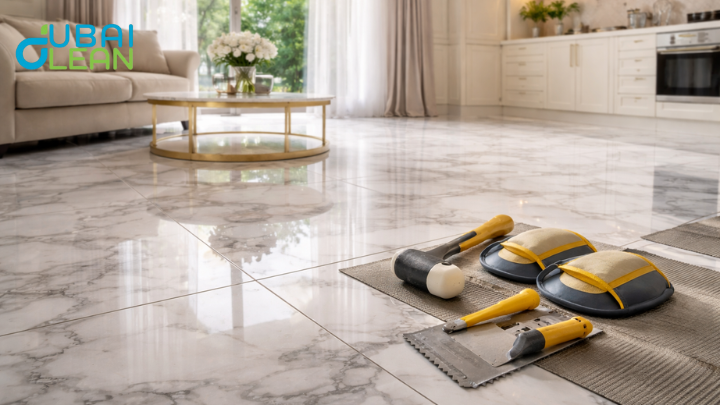



In Dubai, where modern architecture and luxury spaces define the city, the appearance of your tiles plays a big role in your home or office’s appeal. Grout, the material filling the gaps between tiles, keeps surfaces looking neat and polished. Over time, grout can become discoloured, cracked, or develop mould, affecting the overall look of your space. Tile regrouting restores these gaps with fresh grout, enhancing both beauty and hygiene. In this article, we’ll explore tips for choosing a professional and maintaining your grout effectively.
1. A Deeper Dive Tile Regrouting
When it comes to tile regrouting in Dubai, selecting the right grout is key for both durability and appearance. Epoxy grout is highly durable, resistant to stains, and repels moisture, making it ideal for high-traffic areas and wet spaces. Silicone grout is flexible and perfect for humid areas like bathrooms and kitchens, as it can handle movement without cracking. Cement-based grout is the most common choice due to its affordability and reliable performance in most standard installations.
Even with quality grout, problems can develop over time if not properly maintained. Efflorescence, for example, creates white, powdery mineral deposits on the surface, while cracking and chipping can occur from poor installation, heavy weight, or shifts in the building structure.
Mould and mildew are another common concern, especially in damp or shaded areas. These not only cause unsightly stains but can also pose health risks if left untreated. Regular cleaning, proper ventilation, and timely regrouting help prevent these issues, keeping your tiles looking fresh, hygienic, and visually appealing.
2. Step-by-Step Guide of cleaning
Tile regrouting is a precise process that requires skill and careful attention to detail. It involves removing old grout, cleaning the surfaces, applying fresh grout, and finishing the joints for a smooth, polished look. Proper sealing at the end ensures long-lasting protection against stains, moisture, and wear.
The Regrouting Process
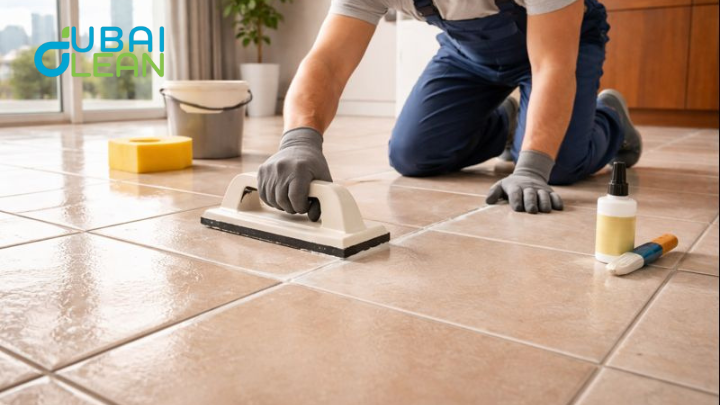
The first step in regrouting is carefully removing the old grout using specialised tools. Once the joints are clear, the tiles are thoroughly cleaned to eliminate any dirt, debris, or leftover residue. Fresh grout is then applied with a rubber float, filling each joint evenly and ensuring a professional finish.
Natural Finishing and Protection
After application, excess grout is wiped away with a damp sponge, and the joints are smoothed to create a neat appearance. Finally, a grout sealer is applied to protect against moisture, stains, and wear, helping your tiles stay beautiful and functional for years.
3. Factors to Consider a Professional
Choosing the right tile regrouting professional is crucial to ensure high-quality results and long-lasting grout. Experience, specialised skills, and proven expertise can make a significant difference in the outcome of your project. Licensing and certifications also provide assurance that the professional meets industry standards and follows best practices. Checking references and past work can help you make a confident, informed decision.
| Factor | Details to Consider |
|---|---|
| Experience | Number of years in business; expertise with different grout types and challenging projects. |
| Specialised Skills | Knowledge of epoxy, silicone, or cement-based grout; handling high-traffic or wet areas. |
| References | Feedback from previous clients to gauge quality, professionalism, and reliability. |
4. Customer Reviews and Testimonials
Before hiring a tile regrouting professional, it’s important to consider feedback from previous clients. Checking online platforms, such as review websites and social media, can give you insight into their work quality and reliability. Additionally, word-of-mouth recommendations from friends, family, or neighbours can help you find trusted professionals with a proven track record.
DubaiClean’s regrouting service completely transformed our kitchen tiles. The team was professional, efficient, and paid attention to every detail. We were impressed with the quality of the grout and how long it has lasted highly recommended.
5. NATURAL Longevity Guide for maintaining grout
Once your grout has been professionally finished, proper maintenance is key to extending its lifespan and keeping your tiles looking fresh. Regular care helps prevent discolouration, cracks, and mould growth while protecting your investment. Addressing minor issues promptly ensures they don’t develop into bigger problems. When in doubt, consulting a professional can save time, money, and effort.
- Clean grout regularly using mild, non-abrasive cleaners to remove dirt and stains.
- Avoid harsh chemicals that can weaken or discolor grout over time.
- Wipe up spills immediately to prevent staining, especially on cement-based grout.
- Use a soft brush to scrub grout lines gently, keeping them free of debris.
- Ensure proper ventilation in bathrooms and kitchens to reduce moisture buildup.
- Seal grout periodically to protect against water, stains, and wear.
- Inspect grout lines regularly for cracks, chips, or signs of mould.
- Address minor issues promptly to prevent further damage.
- Consult a professional for advice or repair if you’re unsure how to fix a problem safely.
CONCLUSION
Proper tile regrouting not only revitalizes the appearance of your tiles but also provides essential protection against moisture, mould, and long-term wear and tear. By selecting an experienced professional and using high-quality materials, you can prevent common issues such as cracking, discolouration, and efflorescence. Regular maintenance, timely repairs, and periodic sealing further extend the lifespan of your grout, keeping your tiled surfaces hygienic and visually appealing. Investing in professional regrouting.