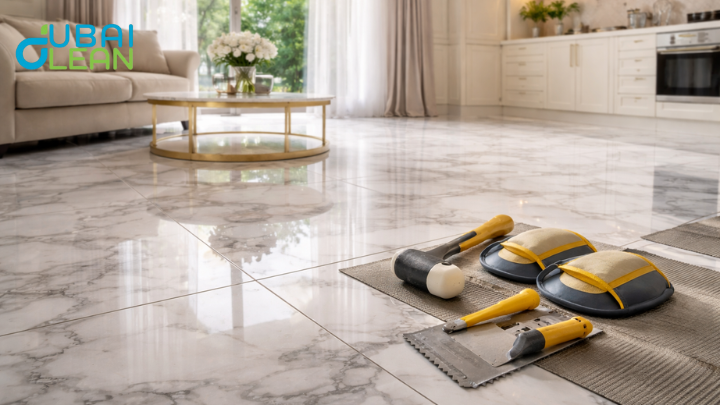




Marble looks beautiful—but keeping it that way in Dubai’s climate takes more than just a quick wipe. Between dust storms, heat, foot traffic, and moisture, marble surfaces—indoors and out—can wear down fast without proper cleaning and sealing.
Whether you have marble floors in your villa, a countertop in your kitchen, or a polished outdoor patio, the key to long-lasting beauty is regular care. And no—it doesn’t have to be complicated or expensive.
In this guide, we’ll break down how to safely clean marble, why sealing is a must in Dubai, how often you should do it, and what tools and products actually work. Let’s get into it.
Why Marble Needs Special Care in Dubai
Dubai’s environment is tough on natural stone. Marble is elegant but porous, which means it absorbs dirt, moisture, oils, and even cleaning products if not protected.
Here’s why cleaning and sealing are essential in Dubai:
- Heat and UV
Direct sunlight can cause discoloration or fading, especially on white or light-colored marble surfaces.
- Dust and Sand
Fine particles act like sandpaper, scratching marble and dulling its natural shine.
- Moisture and Humidity
In kitchens, bathrooms, and near pools, unsealed marble can absorb water and develop stains, mold, or mildew.
- High Foot Traffic
Villas, apartments, hotels, and commercial properties see a lot of daily use, making regular maintenance non-negotiable.
The Two-Part Process: Cleaning and Sealing
Cleaning and sealing are separate but equally important parts of marble care. Here’s what each involves:
Step 1: Marble Cleaning
Purpose: Remove dirt, grime, stains, and surface buildup without damaging the stone.
What You’ll Need:
- pH-neutral marble cleaner
- Warm water
- Soft microfiber cloth or mop
- Soft-bristled brush (for grout or textured areas)
- Spray bottle (optional)
How to Clean Marble (Step-by-Step)
- Remove loose dust and debris.
Use a microfiber mop or vacuum with a brush attachment. Avoid dry sweeping—sand can scratch. - Apply the cleaner.
Use a pH-neutral stone cleaner diluted with warm water. Avoid acidic products (like vinegar or lemon juice), which can etch the marble. - Wipe gently.
Use a soft cloth or mop, not abrasive pads. For stains, let the cleaner sit for a few minutes before wiping. - Rinse with clean water.
Always rinse after cleaning to remove product residue. - Dry thoroughly.
Don’t air-dry—use a dry cloth or mop to prevent water spots and streaks.
Step 2: Marble Sealing
Purpose: Create a protective barrier to block stains, moisture, and wear.
When to Seal Marble:
- After installation
- Every 6 to 12 months, depending on usage
- After deep cleaning or polishing
Signs Your Marble Needs Resealing:
- Water doesn’t bead on the surface
- Stains are more frequent
- The finish looks dull or patchy
What You’ll Need:
- High-quality penetrating marble sealer
- Soft applicator pad or clean microfiber cloth
- Protective gloves
- Ventilated space
How to Seal Marble (Step-by-Step)
- Start with a clean, dry surface.
Never apply sealer to dirty or damp marble—it traps moisture and causes damage. - Apply the sealer evenly.
Pour a small amount onto the cloth or pad and spread it over the surface in sections. - Let it sit.
Leave it for 10–15 minutes (or as per product instructions) to soak into the stone. - Wipe off excess.
Buff the surface with a dry cloth to remove any leftover sealer before it dries. - Let it cure.
Avoid using or walking on the area for at least 24 hours.
Where to Apply Marble Sealer
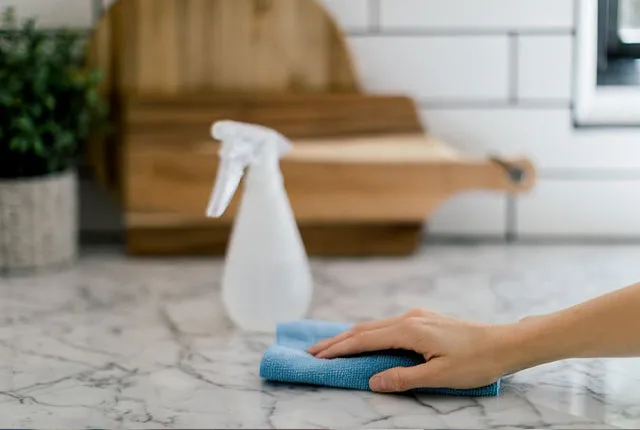
Sealing isn’t just for floors—it’s important for all marble surfaces, including:
- Kitchen countertops
- Bathroom vanities
- Shower walls
- Dining tables
- Outdoor steps and patios
- Entrance foyers
Basically, if it’s marble and gets touched, wet, or walked on—it should be sealed.
Marble Cleaning Mistakes to Avoid
If you want your marble to last, avoid these common errors:
- Using vinegar, lemon juice, or bleach
- Scrubbing with scouring pads or steel wool
- Using regular floor cleaners or detergents
- Letting water pool or air-dry
- Ignoring small stains until they set in
How Often Should You Clean and Seal Marble?
| Task | Frequency (Dubai) |
| Light Cleaning | 1–2 times per week |
| Deep Cleaning | Monthly |
| Sealing | Every 6–12 months |
| Professional Polishing | Every 12–24 months (if needed) |
Tip: Outdoor marble may need more frequent sealing due to Dubai’s sun and sand exposure.
Best Products for Marble Care in Dubai
Always choose products made for natural stone or marble surfaces. Some recommended brands include:
- Fila Marble Cleaner
- Stonetech Revitalizer
- Granite Gold Sealer
- Lithofin MN Easy-Clean
Avoid anything labeled “multi-surface” or “all-purpose” unless it specifically mentions marble.
Professional Marble Cleaning & Sealing: Is It Worth It?
Absolutely—especially for:
- Large floor areas
- Stained or dull surfaces
- Annual sealing and polishing
- Commercial or high-traffic spaces
Professionals use industrial-grade tools, polishers, and high-quality sealants that last longer and protect better than over-the-counter options.
Cost of Marble Cleaning and Sealing in Dubai
Here’s a rough estimate for residential and commercial spaces:
| Service Type | Approx. Cost |
| Deep Cleaning | 10–20 per sq.m. |
| Sealing Only | 15–25 per sq.m. |
| Cleaning + Sealing | 20–35 per sq.m. |
| Polishing & Resealing | 30–50 per sq.m. |
Prices vary based on surface size, condition, and access.
FAQs
Conclusion
Marble is one of the most elegant materials you can have in your home or business—but only if it’s cared for properly. In Dubai, where the weather, dust, and foot traffic take a toll, routine cleaning and regular sealing are non-negotiable.
With the right products and a little consistency, you can maintain your marble’s shine, prevent damage, and keep it looking brand new for years.
If you’d rather leave it to the pros, DubaiClean offers expert marble cleaning, sealing, and polishing services across Dubai—quick, affordable, and done right the first time.