


Leather sofas are a beautiful and long-lasting addition to any home, offering both comfort and style. But keeping them in great condition takes a little effort and the right cleaning techniques. In Dubai, with its hot, dusty weather, it’s especially important to know what works—and what doesn’t—when cleaning leather furniture. Many people make simple mistakes that can harm their sofas, leading to a loss of shine, texture, and durability. In this guide, I’ll share common cleaning errors to avoid, offer tips on how to clean leather couches naturally and show you how to keep your leather furniture looking stunning for years.
Common Leather Sofa Cleaning Mistakes to Avoid
Cleaning leather sofas can be trickier than it seems. It’s easy to make mistakes that might damage your sofa over time. Leather is a delicate material, so it needs careful attention to keep it looking good. Here are some common cleaning mistakes I’ve seen many people make and how to avoid them:
Using Harsh Chemicals
One of the biggest mistakes is using strong chemicals or cleaning products that aren’t meant for leather. Household cleaners, like bleach, ammonia, or alcohol, are often used, but they can damage the leather. These harsh chemicals can strip the leather of its natural oils, which are important to keep it soft and flexible. Over time, this can cause the leather to dry out, crack, and lose its colour.
Instead, always use a cleaner specifically made for leather. If you don’t have one, you can mix a mild soap with water, but make sure the soap doesn’t contain any strong chemicals. Before using any cleaner on the whole sofa, test it on a hidden part of the leather first to make sure it doesn’t cause any damage.
Over-Wetting the Leather
Leather is a natural material, so too much water can harm it. If the leather gets too wet, it can lose its shape, swell up, or even develop water stains that are hard to remove. In places where the weather is hot and humid, the moisture can also cause mould and mildew to grow inside the leather.
To avoid this, use a cloth that is just slightly damp—not wet or soaked. After cleaning, let the leather dry naturally. Never use a hairdryer or place the sofa near heat, as this can dry out the leather too much, causing it to crack. If you’re in a hurry, you can use a fan to help it dry faster, but keep it away from heat.
Applying Heat Directly to the Leather
It’s tempting to speed up the drying process by using direct heat, like a hairdryer or putting the sofa next to a radiator. But this is a big mistake. Leather is sensitive to heat, and too much heat can cause it to dry out, crack, or fade in colour.
Instead, let your sofa air dry naturally at room temperature. If you need it to dry quicker, use a fan to circulate the air around the sofa. Never place your leather furniture under direct sunlight, as the sun can also cause the leather to fade and dry out.
Using Baking Soda or Other Abrasive Substances
Baking soda is often recommended as a great cleaner, but it’s not the best choice for leather. While it can help absorb smells, leaving it on the leather for too long can dry out the material. Plus, baking soda has a slightly rough texture, which can scratch the surface of the leather, causing it to lose its smooth finish.
If you want to use baking soda for odour removal, sprinkle it lightly on the sofa and vacuum it off after a short time. However, for regular cleaning or stain removal, it’s much better to use a cleaner made of leather or a natural solution like mild soap mixed with water.
Scrubbing Stains or Spills Aggressively
When something spills on your leather sofa, you might think that scrubbing it will help. But leather is delicate, and scrubbing can damage it. It can leave marks, scratches, or wear down the smooth surface.
If you spill something on the sofa, don’t scrub it. Instead, gently blot the stain with a clean, soft cloth. Press down gently to soak up the spill, but don’t rub it in. For tougher stains, use a cleaner designed for leather or ask a professional for advice on how to treat it.
Neglecting Regular Maintenance
Sometimes, people forget to clean their leather sofas regularly. Dust, dirt, and oils from your skin can build up on the leather, and if you leave it for too long, it can cause the leather to discolour or get scratched. Regular maintenance is key to keeping your leather sofa looking good.
To prevent this, dust your leather sofa at least once a week using a soft, lint-free cloth. This will help stop dirt from building up. Also, use a leather conditioner every few months to keep the leather soft and prevent it from drying out or cracking, especially in a hot climate.
Using the Wrong Leather Conditioner
Leather conditioners are important because they keep the material soft and moist. However, not all conditioners are the same, and using the wrong one can cause damage. Some conditioners can leave a greasy residue or darken the leather, which isn’t ideal.
Make sure you choose a conditioner that is suitable for the type of leather you have. Apply it carefully, following the instructions. Don’t use too much, as over-conditioning can lead to a sticky or oily surface. Conditioning your sofa regularly will help prevent cracking and fading, especially in hot climates like Dubai’s.
Ignoring Professional Help When Needed
Sometimes, no matter how careful you are, your leather sofa might need professional attention. If there are deep stains, cracks, or other serious problems, trying to clean it yourself might make it worse.
If your leather sofa has stains you can’t remove or is looking worn out, it’s a good idea to contact a professional leather cleaner. They have special products and techniques to restore the sofa without causing further damage.
How to Clean Your Leather Sofa Naturally
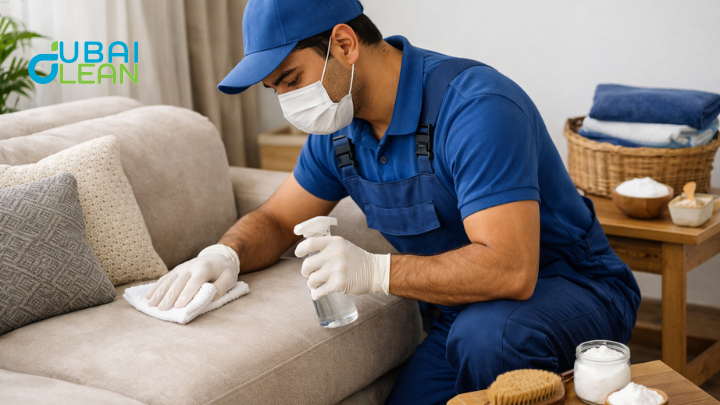
Taking care of your leather sofa at home doesn’t have to be difficult. By using simple, natural methods, you can keep it looking great without the risk of harsh chemicals that can cause long-term damage. Here are step-by-step instructions on how to clean your leather sofa naturally.
Dust and Vacuum Regularly
Before cleaning, make sure to remove any dust and debris that can build up over time. Dust particles can cause friction and scratch the leather if not removed.
- Use a Soft Cloth: Gently wipe down the surface of your leather sofa using a dry, soft microfiber cloth. Microfiber works well to trap dust without leaving scratches.
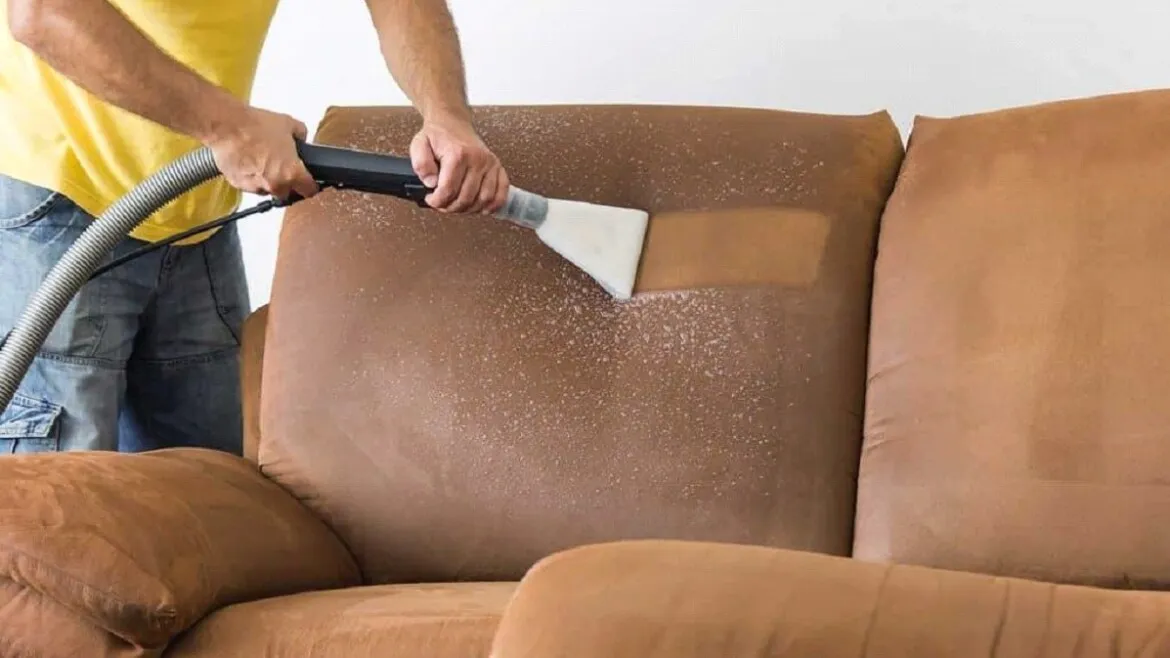
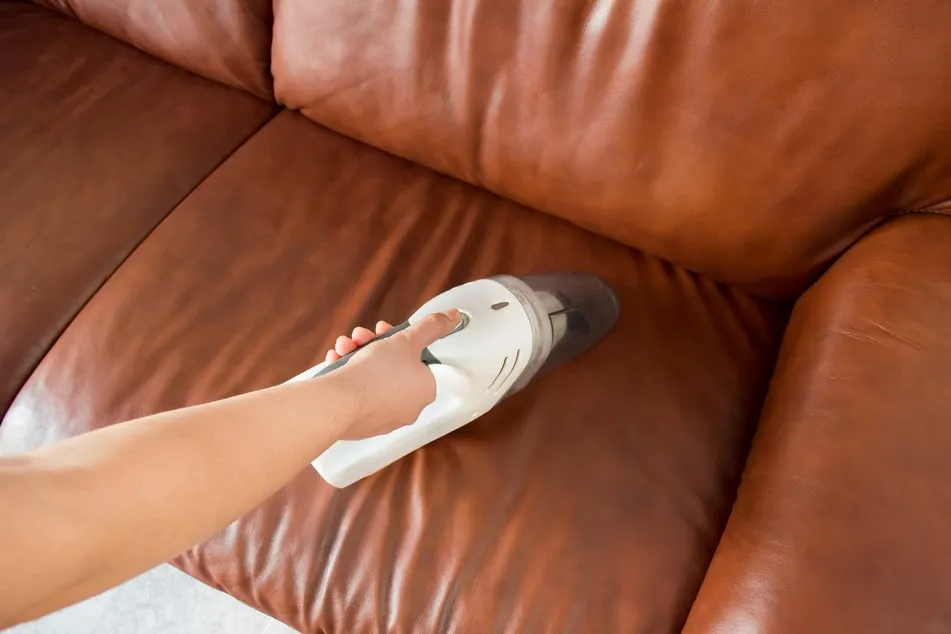
- Vacuum the Crevices: Use the upholstery attachment on your vacuum cleaner to remove dirt from seams and cracks. This helps get into those hard-to-reach spots.
Regular dusting prevents dirt from building up, making your deeper cleaning sessions quicker and easier.
Clean with a Mild Soap and Water Solution
A mild soap solution is a safe and effective way to clean your leather sofa without damaging it.
- Mix Soap and Water: In a small bowl, mix a few drops of mild dish soap with lukewarm water. Avoid using harsh detergents or heavily scented soaps.
- Dampen a Cloth: Dip a clean, lint-free cloth into the soapy solution and wring it out so it’s damp, not soaking wet.
- Wipe the Sofa: Gently wipe the leather in circular motions, focusing on the areas that get more use (like the armrests and seat cushions).
- Dry Immediately: Use a dry cloth to wipe away any remaining moisture.
This method is great for light cleaning and minor stains. For tougher stains, you may need to try additional treatments.
Remove Stains with Natural Remedies
For tougher stains like ink, coffee, or grease, you can use natural home remedies before turning to commercial cleaners.
- Ink Stains: Dab a cotton ball with rubbing alcohol or a vinegar-water mix (1:1) and gently blot the stain. Don’t rub—this can spread the stain. Afterwards, wipe the area with a damp cloth and dry it.
- Grease Stains: Sprinkle cornstarch or talcum powder on the greasy spot. Let it sit for a few hours to absorb the grease, then vacuum it up. If the stain remains, use the mild soap solution for further cleaning.
- General Stains: Make a paste with baking soda and water, apply it to the stain, and gently wipe it off after a few minutes.
Always test the solution on a small, hidden part of the sofa before applying it to a larger area.
Condition the Leather with Natural Oils
Leather can dry out over time, which causes it to crack and lose its softness. Conditioning it regularly helps keep it supple and hydrated.
- Create the Oil Mixture: Mix a small amount of olive oil (or coconut oil) with a few drops of vinegar to make a natural leather conditioner. You can also use almond oil if preferred.
- Apply the Oil: Use a soft cloth to rub the oil into the leather, working in small circles. Pay attention to areas that look dry or cracked.
- Buff the Leather: Once applied, buff the leather with a clean cloth to remove excess oil and achieve a nice, shiny finish.
Be cautious not to over-apply oil—use just a small amount to avoid a greasy look. Conditioning your leather every 2-3 months is usually sufficient.
Use Vinegar and Water for Deep Cleaning
Vinegar is a great natural disinfectant that also helps eliminate odours from your leather sofa. However, make sure to dilute it to avoid damage.
- Mix the Solution: Combine one part white vinegar with two parts water.
- Apply the Solution: Dampen a soft cloth with the vinegar-water mixture and gently wipe down your sofa, focusing on areas that need extra attention.
- Dry and Condition: Once you’ve cleaned the sofa, dry it with a clean cloth, then apply a leather conditioner to keep the material moist.
Regular Maintenance and Protection
In addition to cleaning, regular maintenance helps ensure your leather sofa stays in great condition.
- Avoid Direct Sunlight: Prolonged exposure to sunlight can cause the leather to fade and crack. Keep your sofa out of direct sunlight or use curtains to block the UV rays.
- Keep Away from Heat: Heat can dry out leather, so avoid placing your sofa near heaters, fireplaces, or other hot surfaces.
- Protect from Spills: While spills are inevitable, act fast. If something spills on your sofa, blot the area immediately with a clean cloth to prevent the liquid from soaking in. Avoid rubbing the stain.
By following these simple steps and maintaining your leather sofa properly, you can ensure that it stays beautiful and durable for years to come—even in harsh climates.
Professional Leather Sofa Cleaning Services in Dubai
While maintaining your leather sofa with natural cleaning methods is a great start, sometimes it’s best to rely on professional leather cleaning services to ensure thorough care. Professional cleaners have the expertise, specialised tools, and products to restore your leather furniture, making it look as good as new. Whether you’re dealing with tough stains, wear and tear, or just want to keep your sofa looking pristine, hiring a professional sofa cleaning service ensures lasting results.
Why Choose Professional Sofa Cleaning?
Expert Knowledge and Experience
Leather is a delicate material, and improper cleaning can lead to irreversible damage. Professional cleaning services have years of experience with various types of leather furniture. They understand the unique characteristics of different leather types—whether it’s aniline, semi-aniline, or pigmented leather—and know the correct cleaning techniques and products to apply for each.
Deep Cleaning for Stubborn Stains
Tough stains like ink, grease, or food spills can be tough to tackle with DIY methods. Professional leather sofa cleaners use advanced stain-removal techniques that deeply clean the leather, lifting dirt, oil, and grime without causing damage to the surface. They also have access to premium leather cleaners specifically formulated to address even the most stubborn stains without affecting your sofa’s colour or texture.
Restoring Leather’s Natural Shine
Over time, leather can lose its shine, especially in dry climates. Professional cleaning services can restore your sofa’s natural lustre through conditioning and polishing. This not only revitalises the leather’s rich appearance but also helps prevent cracking and drying out, extending its longevity.
Protection Against Future Damage
Many professional leather cleaning services offer a protective treatment after cleaning. These protective coatings create a barrier that shields your leather sofa from future stains, spills, and UV damage. Given intense sun, these treatments help prevent fading and cracking, allowing you to enjoy your leather furniture for years to come.
Efficient and Convenient
Cleaning a leather sofa properly can be time-consuming, especially if you’re not familiar with the best methods. Professional cleaners eliminate the hassle, saving you time and effort while delivering top-quality results. They come fully equipped with all the necessary tools and products, so you don’t have to worry about sourcing the right materials yourself.
What Does a Professional Sofa Cleaning Service Include?
Initial Inspection
The cleaning process begins with a thorough inspection of your leather sofa. The cleaner will assess the type of leather, the extent of any damage or stains, and any areas that require special attention. This helps them choose the best cleaning method and products to use.
Dusting and Vacuuming
Before cleaning, the technician will carefully dust and vacuum your sofa. This step removes surface dirt, dust, and debris that could cause friction or scratches during the cleaning process.
Deep Cleaning
Using leather-safe cleaning solutions and soft brushes, the technician will gently clean your sofa. This step removes oils, dirt, and impurities from all parts of the leather, including seams, crevices, and under the cushions.
Stain Treatment
If your leather sofa has stains, the professional will use specialised products to treat them. Ink stains, grease marks, or food spills often require unique cleaning solutions to remove them without damaging the leather.
Conditioning and Polishing
Once the sofa is clean, the technician will apply a conditioning treatment to restore moisture and flexibility to the leather. Polishing will follow to bring back the leather’s smooth texture and natural shine, making it look fresh and revitalised.
Protective Treatment (Optional)
To further protect your leather sofa, some cleaning services offer an optional protective treatment. This creates a protective layer that repels spills, stains, and dust while also shielding the leather from harmful UV rays that could cause sun damage.
Final Inspection
After the cleaning process is complete, a final inspection ensures that the entire sofa has been addressed. The technician will check for any remaining stains or missed areas and resolve them before finishing the service.
Why Dubai Residents Trust Professional Leather Sofa Cleaning
The combination of intense heat, humidity, and dust can take a toll on leather furniture. Professionals understand the unique challenges that come with maintaining leather in such an environment. Using the right products and techniques, these experts can ensure your leather sofa remains in excellent condition, extending its life and enhancing comfort.
Additionally, given the fast-paced lifestyle, many people prefer professional cleaning services to save time while ensuring a high-quality result. By choosing professional cleaners, you can have peace of mind knowing that your leather furniture is in capable hands.
Conclusion
Maintaining a leather sofa requires a careful balance of regular care and professional cleaning. While natural cleaning methods help keep your sofa fresh and free from daily dirt, professional leather sofa cleaning services provide a deeper, more thorough clean that preserves the leather’s integrity and restores its natural beauty.
In Dubai, where heat, humidity, and dust can significantly affect furniture, expert leather cleaners ensure your sofa stays in top condition. They offer protection against stains, fading, and wear, ensuring your leather furniture remains vibrant and durable.
By choosing professional services, you’re not only preserving the aesthetic appeal of your leather sofa but also extending its lifespan for years to come. Whether you’re dealing with tough stains or dry patches or simply want to maintain the luxurious look of your leather furniture, professional cleaning ensures your investment stays as good as new.