



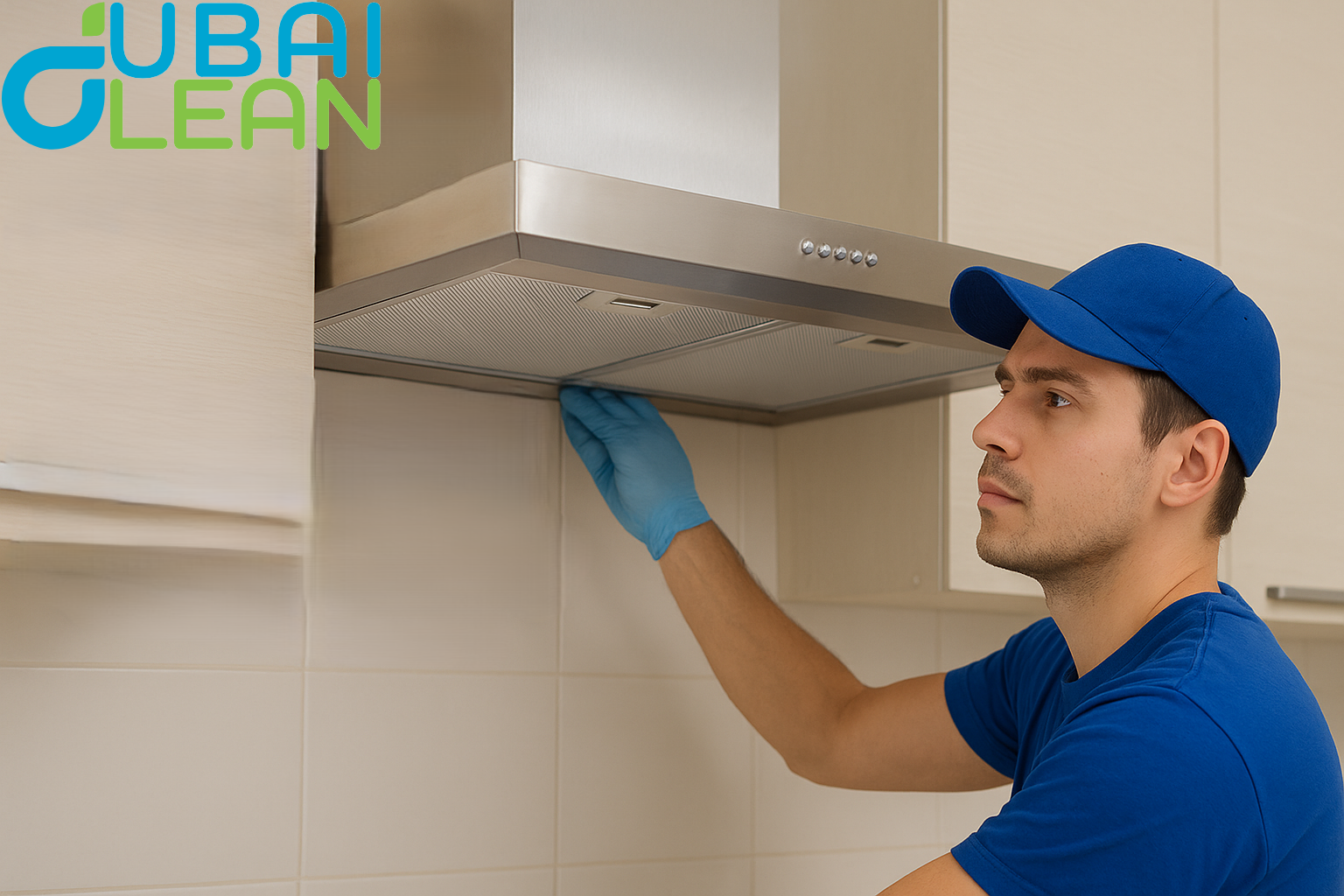
A kitchen exhaust system is more than just a convenience-it’s a necessity for modern homes in Dubai. Cooking with strong spices, grilling, or deep-frying can quickly fill the house with smoke, steam, and lingering odors. Without proper ventilation, these particles stick to walls, cabinets, and ceilings, leaving behind stains and an uncomfortable smell.
A high-quality kitchen exhaust system solves this problem by efficiently pulling out smoke, grease, and hot air while allowing fresh air to circulate. This not only keeps the kitchen cleaner but also protects your health by reducing exposure to harmful fumes. Families benefit from a fresher, cooler cooking space, while the home stays free from long-term damage caused by moisture and grease buildup.
1. Kitchen Exhaust
A kitchen exhaust is a vital system that removes smoke, grease, steam, and odors produced during cooking. It keeps the kitchen fresh, prevents sticky buildup on walls and cabinets, and maintains better air quality indoors. In Dubai’s warm climate, where homes often stay closed to keep cool, a kitchen exhaust ensures proper ventilation. It also helps reduce heat and moisture, protecting your kitchen from mold and long-term damage. By improving comfort and hygiene, it makes everyday cooking healthier and more enjoyable.
What is a Kitchen Exhaust and Why It’s Essential
A kitchen exhaust is a ventilation system designed to remove heat, smoke, steam, grease, and odors produced during cooking. It usually consists of an exhaust hood, fan, and ductwork that together pull out polluted air and replace it with cleaner airflow. In Dubai’s climate, where homes are often closed to keep out the heat, this system becomes even more essential to prevent indoor air from becoming stale or polluted. Without it, kitchens can quickly turn into uncomfortable, greasy spaces that affect the entire home.
Benefits of Proper Ventilation in Cooking Spaces
Proper ventilation is like giving your kitchen a breath of fresh air. A well-functioning exhaust system keeps the cooking area cool, reduces the spread of strong odors, and minimizes greasy buildup on walls, cabinets, and appliances. It also helps in maintaining better indoor air quality, which is crucial for family health and comfort. By controlling moisture and heat, the exhaust system also prevents mold growth and protects your home’s interior from long-term damage, making it a must-have feature in every modern kitchen.
2. Kitchen Exhaust Hood
A kitchen exhaust hood is an essential part of any modern cooking space, designed to capture smoke, grease, and odors before they spread across the home. It works with fans and filters to keep the air clean and fresh while reducing excess heat from cooking. Different types of hoods, such as wall-mounted, island, and under-cabinet models, are available to match various kitchen layouts. Choosing the right hood not only improves ventilation but also adds style and functionality to your kitchen.
Functions of a Kitchen Exhaust Hood
A kitchen exhaust hood works as the first line of defense against smoke, grease, and strong odors in your cooking space. It pulls polluted air through filters and vents it outside or recirculates cleaner air back into the kitchen. This not only keeps the air fresh but also reduces heat, protects kitchen surfaces, and makes cooking more comfortable.
Types of Kitchen Exhaust Hoods
Kitchen exhaust hoods come in different styles to suit various kitchen layouts. Wall-mounted hoods are fixed above stoves along the wall, while island hoods are perfect for open kitchens with central cooking areas. For smaller spaces, under-cabinet hoods offer a practical, space-saving solution without compromising ventilation.
- Wall-Mounted Hoods – Fixed against the wall above the stove, ideal for open kitchen designs.
- Island Hoods – Installed above kitchen islands, offering strong ventilation for central cooking areas.
- Under-Cabinet Hoods – Compact and space-saving, designed to fit neatly under kitchen cabinets.
3. Best Kitchen Exhaust Hood
The best kitchen exhaust hood offers strong suction power, quiet performance, and durable filters that keep the air clean and fresh. It should have adjustable fan speeds, energy-efficient operation, and an easy-to-clean design for daily convenience. In Dubai homes, stainless steel models are highly preferred for their sleek look and durability. Compared to standard options, top-rated hoods provide better airflow, stronger grease control, and long-lasting performance, making them a smart investment for a healthier and more comfortable kitchen.
Features to Look for in the Best Kitchen Exhaust Hood
The best exhaust hoods are designed to provide powerful suction, trap grease efficiently, and operate with minimal noise. Key features to consider include multiple fan speeds, energy-efficient motors, durable stainless steel filters, and easy cleaning options. A stylish design that matches your kitchen interior is also a plus.
Comparison of Top-Rated Exhaust Hoods for Homes
Top-rated kitchen exhaust hoods stand out because of their superior airflow and advanced filtration systems. Wall-mounted hoods are great for open kitchens, island hoods offer strong coverage for central cooking spaces, while under-cabinet hoods are perfect for compact kitchens. Premium models provide better performance, durability, and long-term value compared to basic exhaust systems.
4. Kitchen Hood and Exhaust Fan
A kitchen hood and an exhaust fan may seem similar, but they serve different purposes in ventilation. The hood is designed to capture smoke, grease, and odors directly from the stove, while the exhaust fan helps push stale air outside. When used together, they create an efficient system that improves airflow, reduces heat, and keeps the kitchen fresher. This combination not only enhances comfort but also protects walls and ceilings from moisture and grease buildup, ensuring a healthier cooking environment.
Difference Between a Kitchen Hood and an Exhaust Fan
A kitchen hood is a complete system designed to capture smoke, grease, and odors directly from the cooking surface, while an exhaust fan is a simple device that helps push out stale air. The hood comes with filters and ducts for proper air circulation, whereas the fan mainly provides basic ventilation.
How Both Work Together for Efficient Ventilation
When used together, the kitchen hood traps grease and smoke at the source, and the exhaust fan helps remove hot air and odors more quickly. This combination improves overall air quality, reduces moisture, and ensures a cooler, fresher cooking environment in the kitchen.
5. Kitchen Exhaust Duct Requirements
A kitchen exhaust duct plays a key role in ensuring proper ventilation and system efficiency. The duct size should usually be 6 to 8 inches, depending on the exhaust hood’s power, and it must be installed with the shortest, straightest path to the outside. Proper duct placement prevents airflow blockages, reduces noise, and improves overall suction. If installed incorrectly, ducts can cause grease buildup, backflow of smoke, and even fire risks. A well-planned duct system ensures safety, energy efficiency, and long-lasting performance for your kitchen exhaust.
Standard Duct Size and Placement Guidelines
The duct size of a kitchen exhaust system is crucial for smooth airflow and efficient ventilation. Typically, ducts should be at least 6 to 8 inches wide, depending on the hood’s capacity. Placement should ensure the shortest and straightest route to the outside to minimize resistance and maximize performance.
Importance of Proper Duct Installation for Safety and Efficiency
Correct duct installation prevents backflow of smoke, reduces noise, and avoids grease buildup inside the system. Poorly installed ducts can lead to weak suction, fire hazards, and higher energy consumption. A well-planned duct system ensures safety, efficiency, and long-term durability of your kitchen exhaust setup.
6. Standing Exhaust Fan for Kitchen
A standing exhaust fan is a convenient option for kitchens that do not have built-in hoods or advanced ventilation systems. It helps remove smoke, steam, and cooking odors while improving overall airflow in the room. Since it is portable, it can easily be moved and installed without major changes to the kitchen structure. For maximum efficiency, the fan should be placed close to the cooking area and slightly higher to capture rising smoke. Positioning it near a window or ventilation outlet ensures better circulation and a fresher kitchen environment.
Advantages of Using a Standing Exhaust Fan
A standing exhaust fan is a practical solution for kitchens that lack built-in hoods or duct systems. It helps remove smoke, heat, and odors quickly while improving air circulation. Portable and easy to install, it’s also cost-effective and suitable for small apartments or temporary setups.
Best Placement for Maximum Airflow
For best results, a standing exhaust fan should be placed near the cooking area but slightly higher to capture rising smoke and steam. Positioning it close to a window or ventilation point enhances airflow and ensures that heat and odors are effectively pushed outside.
7. Maintenance & Tips for Kitchen Exhaust Systems
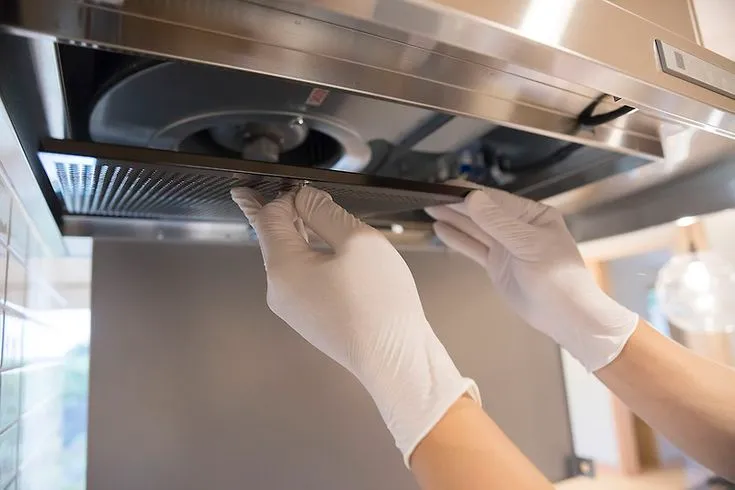
Proper maintenance of a kitchen exhaust system is essential for safety, efficiency, and long-term performance. Regular cleaning of filters and ducts prevents grease buildup, improves airflow, and reduces fire risks. Filters should be washed every few weeks, while ducts need professional servicing at least once or twice a year. Calling experts ensures deep cleaning of hidden areas and keeps the system running smoothly. Maintenance contracts are also a smart choice as they provide scheduled care and extend equipment life. To save energy, always use the right fan speed for your cooking needs, turn off the hood when not required, and consider energy-efficient models for lower electricity costs.
Regular Cleaning
Keeping your kitchen exhaust clean is vital for smooth performance and safety. Filters collect grease and dust quickly, which can block airflow and increase fire risks if ignored. Washing filters every two to three weeks and scheduling duct cleaning at least once or twice a year helps maintain strong suction power. Regular cleaning not only improves air quality but also extends the life of your exhaust system.
Why Cleaning Filters and Ducts is Essential
Grease, smoke, and dust build up inside filters and ducts over time, reducing the exhaust system’s efficiency. If not cleaned, this buildup can also become a fire hazard and lead to poor air quality in your home.
How Often to Clean for Best Performance
For best results, filters should be cleaned every 2–3 weeks, while ducts and vents need professional cleaning every 6–12 months, depending on cooking frequency and style.
Professional Servicing
Even with regular cleaning, your kitchen exhaust needs professional servicing to stay in top condition. Experts can deep clean ducts, motors, and hidden parts that are difficult to maintain at home. Scheduling expert service once or twice a year prevents breakdowns, improves efficiency, and ensures your kitchen remains safe and well-ventilated.
When to Call Experts for Deep Cleaning
If you notice weak suction, unusual noise, or persistent odors, it’s time to call a professional. Experts have the tools and knowledge to thoroughly clean hidden areas and restore efficiency.
Benefits of Regular Maintenance Contracts
Maintenance contracts ensure scheduled servicing, prevent costly repairs, and extend the life of your exhaust system. They also give peace of mind that your kitchen is always safe and well-ventilated.
Energy-Saving Tips
Using your kitchen exhaust wisely can save both energy and money. Always adjust the fan speed based on the type of cooking-low for light meals and high for frying or grilling. Covering pots and pans helps reduce steam, while turning off the exhaust when not needed avoids unnecessary power use. Choosing an energy-efficient model further lowers electricity costs while keeping ventilation effective.
Choosing the Right Fan Speed
Always adjust the fan speed according to your cooking. Light cooking may only need a low setting, while frying or grilling requires high suction for effective ventilation.
Reducing Energy Consumption While Cooking
Cover pots and pans to reduce steam, turn off the exhaust when not needed, and choose energy-efficient models to save electricity without compromising performance.
8. Dangers & Safety Risks of Poor Kitchen Exhaust Maintenance
Neglecting kitchen exhaust maintenance can lead to serious problems for both health and safety. Grease buildup inside filters and ducts is highly flammable, increasing the risk of dangerous kitchen fires. Smoke and harmful fumes that remain in the air may cause respiratory issues, allergies, and discomfort for family members. Over time, excess moisture and grease can also damage walls, ceilings, and ducts, leading to costly structural repairs. Regular cleaning and servicing are essential to avoid these risks and keep your kitchen safe.
Fire Hazards
Grease buildup inside filters and ducts is highly flammable and can easily ignite when exposed to heat. Poorly maintained exhaust systems are one of the leading causes of kitchen fires, making regular cleaning a safety necessity.
Health Risks
Without proper ventilation, smoke, fumes, and grease particles linger in the air, which can irritate the lungs and cause respiratory problems over time. Prolonged exposure may also trigger allergies and discomfort for family members.
Structural Damage
Excess moisture and grease that accumulate in an unmaintained exhaust system can seep into walls, ceilings, and ducts. This not only causes stains and odors but also weakens structural materials, leading to costly repairs.
Conclusion
A kitchen exhaust system is not just about convenience, it is a crucial investment in your family’s health, home safety, and overall comfort. By effectively removing smoke, steam, and lingering odors, it keeps your kitchen fresh while preventing grease buildup that could lead to fires or costly damage. Regular cleaning of filters and ducts, along with timely professional servicing, ensures that the system continues to work at its best. In a city like Dubai, where indoor air quality is vital, having the right kitchen exhaust solution makes a noticeable difference in daily living. Investing in proper maintenance today means enjoying a cleaner, safer, and more comfortable cooking environment for years to come.