


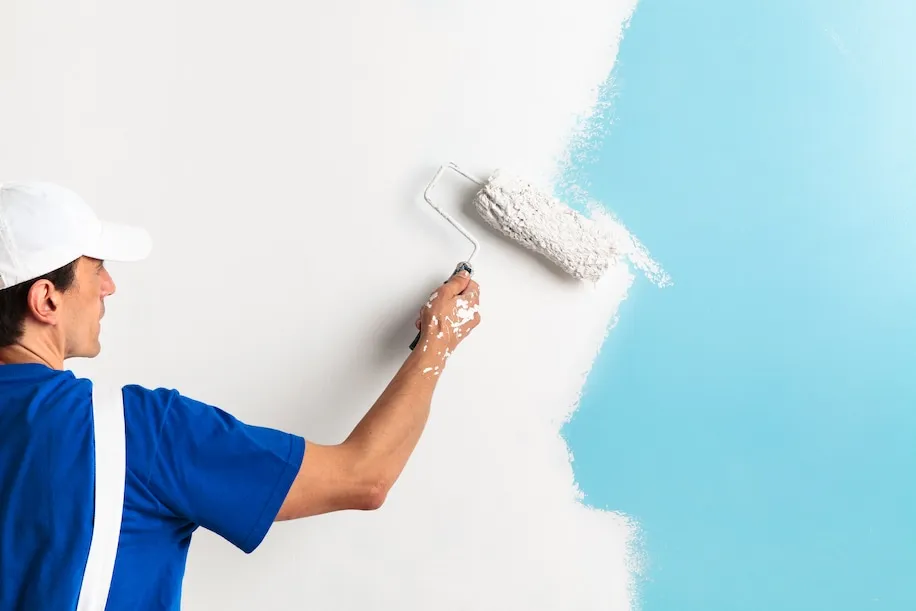
Introduction
Interior painting is a brilliant way to completely transform your living space, bringing in new colours, warmth, and character. Whether you’re giving a room a fresh look or redecorating your entire home, achieving a professional finish goes beyond simply brushing paint onto the walls. The secret lies in the right preparation, tools, and techniques that can truly elevate the final look.
In this easy-to-follow guide, we’ll share essential tips and tricks to help you paint your home like a pro. From selecting the perfect paint to perfecting your application skills, you’ll discover everything you need to know for stunning results. Whether you’re taking on a DIY project or simply curious about the process, this guide will help ensure your home gets the attention it deserves. Let’s explore the world of interior painting and bring your home’s interior to life with these expert tips.
Understanding Interior Paint
Before grabbing your paintbrush, it’s important to get a clear understanding of interior paint. The right paint can make all the difference in your project’s outcome, affecting not only the look of your walls but also their durability and upkeep. Let’s take a closer look at the key components of interior paint and how to pick the best one for your home.
What is Interior Paint Made Of?
Interior paint typically contains four main ingredients:
- Pigment: This is responsible for the paint’s colour and opacity. Pigments can be natural or synthetic, and they affect the final shade and texture of the paint.
- Binder: The binder keeps the pigment particles together and ensures the paint sticks to surfaces. Common binders in interior paints are latex (water-based) and oil-based resins.
- Solvent: The solvent thins the paint, making it easier to apply. For water-based paints, water is the solvent, while oil-based paints use solvents like mineral spirits or turpentine.
- Additives: These are added to enhance the paint’s performance, such as improving drying time, adding mildew resistance, or enhancing texture.
What Paint is Best for Interior Painting?
Choosing the right paint depends on the room, the finish you want, and how durable you need it to be. The most common types of interior paints include:
- Latex (Water-Based) Paint: This is the most popular option for interior walls. It’s easy to apply, dries quickly, and has a low odour. It’s also washable and eco-friendly.
- Oil-Based Paint: Known for its smooth finish and extra durability, oil-based paints are ideal for high-traffic areas or spots that need extra protection. However, they take longer to dry and have a stronger smell.
- Enamel Paint: This type of paint offers a hard, glossy finish and is commonly used for trim, doors, and cabinetry. It’s highly durable and easy to clean.
Is Interior Paint Washable?
Yes, most modern interior paints, especially those that are latex-based, are washable. This means you can wipe them clean with soap and water, which is perfect for areas that see a lot of action like kitchens, hallways, and kids’ rooms. When choosing paint, look for terms like “washable” or “scrubbable” for added ease of cleaning and durability.
Choosing the Right Finish
The finish of your paint affects both the look and the longevity of your walls. The most common finishes for interior walls include:
- Flat/Matte: This finish has no shine and is excellent at hiding imperfections, making it a great choice for ceilings or low-traffic areas.
- Eggshell: With a slight sheen, eggshells are more durable than flat paint and are perfect for living rooms and bedrooms.
- Satin: This finish offers a soft, velvety texture with a bit of shine, making it ideal for spaces that need more durability, like kitchens and bathrooms.
- Semi-Gloss and Gloss: These highly durable and washable finishes are best for trim, doors, and cabinets.
Understanding the components and types of interior paint will help you choose the best product for your project, ensuring you achieve great results.
How Do You Prepare for Home Interior Painting
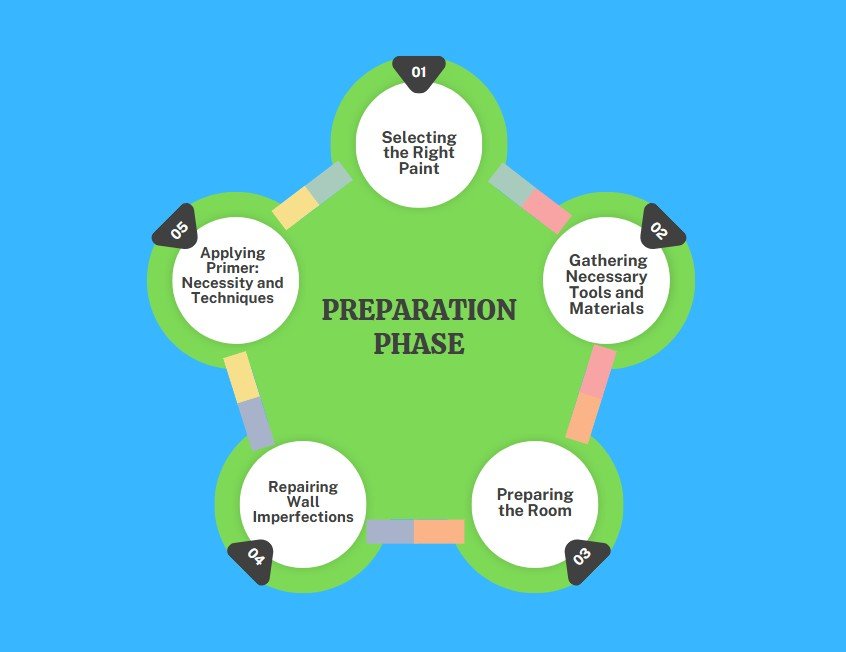
Proper preparation is key to achieving a successful interior painting project. Taking the time to prepare properly ensures your paint adheres well, dries evenly, and lasts longer. This phase involves setting up the room, gathering the necessary tools, and fixing any imperfections in the walls. Here’s how you can get ready for a smooth painting experience:
1. Selecting the Right Paint
Choosing the right paint is crucial for achieving a professional finish. Keep the following in mind when making your selection:
- Colour: Pick a colour that complements your room’s décor and lighting. Try out small samples on your walls to see how they look in different lighting before making your final decision.
- Finish: As mentioned earlier, the finish (matte, eggshell, satin, semi-gloss, etc.) affects both the appearance and durability of your walls. Select a finish that meets your needs—glossy finishes work well in high-traffic areas, while matte finishes are ideal for ceilings.
- Type of Paint: Choose water-based latex paint for easy application, quick drying times, and low odour. If you’re covering a darker shade or need more durability, oil-based paints could be a better option.
2. Gathering Necessary Tools and Materials
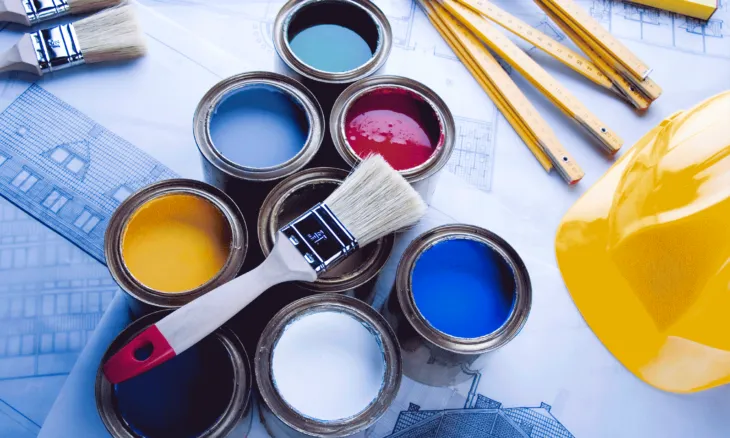
Make sure you have the right tools and materials for the job. Here are some essential items you’ll need:
- Paint Brushes: Use a variety of sizes to handle edges and smaller areas. A high-quality angled brush is perfect for cutting around corners.
- Paint Rollers: Rollers cover large areas quickly. Choose the right nap length depending on your wall texture—a short nap for smooth walls and a longer nap for textured walls.
- Paint Tray and Liners: A tray helps load your roller, while liners make cleaning up much easier.
- Drop Cloths or Plastic Sheets: Protect your furniture and floors by covering them with drop cloths or plastic sheets to avoid paint splatters.
- Painter’s Tape: Tape off edges, baseboards, and trim to ensure clean lines and prevent paint from spilling onto areas you want to keep paint-free.
- Ladder or Step Stool: Have a sturdy ladder or step stool to reach high areas like ceilings and the tops of walls.
- Paint Primer: Primer ensures better adhesion, especially when painting over dark colours or raw surfaces. It also helps smooth out imperfections and cover stains.
3. Preparing the Room
Before you start painting, it’s essential to prepare the room to protect both your furniture and the paint job:
- Clear the Space: Move as much furniture as possible out of the room. For larger pieces that can’t be moved, shift them to the centre and cover them with drop cloths.
- Cover the Floors: Use drop cloths or plastic sheets to protect your floor from spills and splatters.
- Tape Off Trim and Edges: Use painter’s tape to mask off baseboards, window frames, and doorframes. Ensure the tape is pressed firmly to avoid any paint seepage underneath.
- Remove Light Fixtures and Outlet Covers: For a cleaner finish, remove light switch covers, outlet plates, and any other hardware that may obstruct the painting.
- Ventilation: Open windows and doors to improve airflow. This helps the paint dry faster and reduces exposure to fumes, especially if you’re using oil-based paints.
4. Repairing Wall Imperfections
For the best results, your walls should be smooth and free from defects. Take these steps to prepare your wall surface:
- Clean the Walls: Dust, dirt, and grease can prevent paint from sticking. Clean the walls thoroughly with mild soap and water, and let them dry completely before moving on.
- Patch Holes and Cracks: Small holes from nails, screws, or cracks should be filled with spackle or joint compound. Use a putty knife to spread the filler evenly, then sand it smooth once it’s dry.
- Sand the Walls: After patching, lightly sand the walls to create a smooth surface for painting. If you’re painting over glossy or satin finishes, light sanding will help the new paint adhere better.
- Prime the Walls: Apply a coat of primer to any patched areas or porous surfaces. Primer improves paint adhesion and ensures an even finish.
5. Applying Primer: Necessity and Techniques
While not always necessary, primer can be beneficial for a more durable, professional-looking finish. It’s particularly important if:
- You’re painting over dark colours or stains.
- You’re covering new drywall or textured surfaces.
- You’re working with glossy or oil-based finishes.
Apply the primer the same way you would the paint: use a roller for large areas and a brush for corners and edges. Allow the primer to dry completely before applying your first coat of paint.
Painting Techniques For Pro-Level Finish
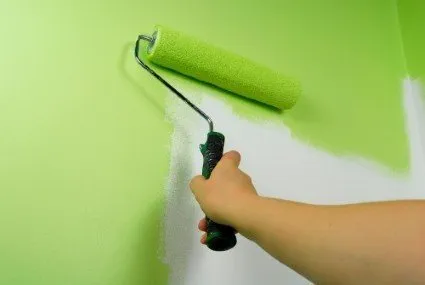
Once the room is properly prepped and your materials are gathered, it’s time to dive into painting! The technique you use is essential to achieving a smooth, professional finish on your interior walls. Here’s a breakdown of key painting techniques that will help you get the best results.
1. Cutting In
Cutting in refers to painting the edges of walls, corners, and trim, which requires precision. Here’s how to get it right:
- Use an Angle Brush: A 2.5 to 3-inch angled brush offers better control for edges, corners, and trim.
- Dip and Tap: Load the brush by dipping it a third of the way into the paint. Tap off any excess to prevent drips.
- Start Slowly: Paint along the edges with smooth, even strokes. Don’t overload the brush with paint, and work in sections of about 2-3 feet.
- Blend into the Roller Section: After cutting in a section, immediately use a roller to blend the edges with the surrounding area for a seamless look.
2. Rolling the Walls
Rolling is the most efficient method for covering large areas. Here’s how to achieve an even coat:
- Choose the Right Roller: Select the appropriate nap length for your wall texture. Use a short nap (3/8-inch to 1/2-inch) for smooth surfaces, and a longer nap (3/4-inch to 1-inch) for textured or porous surfaces.
- Load the Roller: Saturate the roller, then roll it back and forth on the tray’s slope to remove excess paint.
- Apply Paint in a “W” or “M” Pattern: This pattern helps spread the paint evenly. Once the pattern is created, fill in the gaps with horizontal strokes.
- Work in Small Sections: Paint one section at a time and overlap the edges slightly for smooth transitions.
3. Feathering the Edges
Feathering helps blend painted sections for a flawless finish. Here’s how to do it:
- Work While the Paint is Wet: Feather the edges immediately after applying the paint to ensure a smooth transition between sections.
- Use Light Pressure: Apply light pressure with the roller to soften the edges and avoid harsh lines or streaks.
4. Two-Coat Application
For full coverage and a professional finish, apply two coats of paint. Here’s the process:
- Let the First Coat Dry: Allow the first coat to dry completely before applying the second. Drying times typically range from 1-2 hours for latex paints.
- Roll in the Opposite Direction: For the second coat, roll the paint in the opposite direction to help eliminate streaks and ensure even coverage.
5. Smoothing Out Paint Drips
Drips can occur when working on edges or ceilings, but they are easy to fix:
- Catch Drips While Wet: If you spot a drip, smooth it out immediately with your brush in the direction of the paint’s flow.
- Fix After Drying: If a drip has dried, lightly sand the area with fine-grit sandpaper and reapply paint to blend the area.
6. Texture Techniques for Special Finishes
If you’re looking for a textured finish or unique effect, try these techniques:
- Brushed Pearl Finish: Use a dry brush technique with metallic or pearl paint for a soft, brushed effect.
- Sponging: A damp sponge can be used to apply a glaze over a base coat for a soft, textured finish, ideal for living rooms or bedrooms.
- Rag Rolling: Use a fabric-covered roller to apply a glaze for a textured look that mimics leather or suede.
7. Final Touches
After your paint has dried, ensure the walls look perfect with these final steps:
- Touch Up: Inspect the walls for missed spots or imperfections and touch them up with a small brush or roller.
- Remove Painter’s Tape: Once the paint is dry to the touch, peel off the painter’s tape at a 45-degree angle to reveal clean, sharp lines.
- Clean Up: Clean your brushes, rollers, and trays immediately after use to prevent the paint from drying on your tools.
By mastering these painting techniques, you can ensure a flawless, professional finish on your interior walls. Whether you’re tackling a single accent wall or the entire house, following these steps will give your space a fresh, polished look that rivals professional painters.
Benefits of Professional Interior Painting Services in Dubai
Choosing professional interior painting services guarantees a high-quality finish and offers several other benefits that ensure your investment lasts for years:
- Attention to Detail: Professional painters know how to pay attention to even the smallest details, ensuring that every edge, corner, and surface is perfectly painted. This attention to detail helps achieve a crisp, flawless appearance.
- Efficient Workflow: When you hire professionals, they come equipped with the right tools and techniques to handle the job efficiently. Whether it’s specialized brushes, rollers, or spray equipment, they have everything needed to achieve a smooth and even application.
- Colour Consultation: If you’re unsure about which colours will complement your space or design vision, professional painters can offer expert advice on colour selection and finishes. They can provide insights into the best options for lighting, room size, and the overall mood you want to create.
- Long-Term Value: A high-quality paint job adds value to your home or office by improving its appearance and preserving the condition of your walls. This is especially important for homes or businesses that might be on the market for sale or lease.
- Minimal Disruption to Your Routine: With professional interior painting services, you don’t have to worry about disrupting your daily activities. Experts can work around your schedule, ensuring that the painting is completed promptly and with minimal disturbance to your home or office life.
Why Choose DubaiClean for Your Interior Painting Needs?
At DubaiClean, we are committed to delivering superior painting services that meet the highest standards. Here’s why you should trust us with your next interior painting project:
- Highly Experienced Team: Our skilled painters have years of experience in the industry and are adept at handling every type of interior painting task, from simple wall painting to intricate designs and textures.
- Quality Assurance: We use only the best paints and materials to ensure a lasting, durable finish that looks stunning. Our team also takes great care in surface preparation to make sure the paint adheres properly, reducing the risk of damage over time.
- Customer Satisfaction: We believe in putting our customers first. From the initial consultation to the final inspection, we are dedicated to meeting your expectations. Our team works with you every step of the way to ensure your vision comes to life.
- Timely Project Completion: We understand that time is valuable, so we complete all projects on schedule without compromising on quality. We provide clear timelines and ensure that your space is ready to use as quickly as possible.
- Competitive Pricing: We offer high-quality services at competitive rates, ensuring that you get exceptional value for your investment. Our transparent pricing ensures there are no hidden costs, and we provide a detailed quote before starting any work.
Conclusion
Interior painting is an effective and cost-efficient way to enhance the aesthetic appeal and atmosphere of any space, whether it’s your home, office, or commercial property. By choosing professional interior painting services in Dubai, you ensure a flawless, durable finish that improves the overall ambience of your environment. With the expertise of professionals, every step— from careful preparation to expert application— is handled with precision to deliver exceptional results that stand the test of time.
Investing in professional painting services means entrusting your project to skilled painters who use the best materials and techniques, giving you the confidence that your investment will endure. With a fresh coat of paint, you not only improve the visual appeal of your space but also create an environment that reflects your style and enhances functionality.
FAQs
What is the best type of paint for interior walls?
The best paint type depends on your specific needs. For most rooms, high-quality latex or acrylic paint is ideal due to its durability, ease of cleaning, and low VOC levels. For kitchens and bathrooms, consider moisture-resistant or washable paints. Matte, satin, or eggshell finishes are popular for living spaces, while semi-gloss or gloss finishes are ideal for high-traffic areas.
How long does it take to paint a room?
The time required to paint a room depends on the size of the room, the condition of the walls, and the type of finish being applied. Typically, a professional team can complete a standard room in 1-2 days, which includes prep work, priming, and drying time between coats.
Is interior paint washable?
Yes, most modern interior paints, especially those with satin or semi-gloss finishes, are washable. These paints are more durable and resistant to stains and scuffs, making them easier to clean. However, ensure the paint is fully cured before cleaning the walls.
What are the steps for interior painting?
The steps for interior painting include:
- Preparation: Clean and repair the walls, move or cover furniture, and tape off areas to protect them from paint.
- Priming: Apply primer to help the paint adhere, especially when painting over darker colours or raw drywall.
- Painting: Apply the first coat of paint, followed by a second coat for an even finish.
- Touch-ups: After the paint dries, inspect for areas that may need touch-ups.
- Post-paint care: Clean the area, remove painter’s tape, and let the paint cure.
How much does interior painting cost in Dubai?
The cost of repairs or priming. On average, the cost ranges from AED 20 to AED 40 per square meter. For an accurate estimate, it’s best to request a free consultation and quote from a professional painting service.
Is it necessary to prime the walls before painting?
Yes, priming is important, particularly when painting over a darker colour, raw drywall, or stains. Primer improves paint adhesion, ensures even coverage, and enhances the finish’s durability. It’s particularly crucial in high-moisture or high-traffic areas.
Can I paint my interior myself, or should I hire a professional?
While DIY painting is an option, hiring a professional ensures a flawless finish. Professionals have the tools, experience, and techniques to complete the job quickly and efficiently. They also handle the preparation and cleanup, saving you time and effort.
What type of finish is best for interior painting?
The finish you choose depends on the room and the desired look:
- Matte or flat finish: Ideal for low-traffic areas like bedrooms or ceilings.
- Eggshell or satin finish: Suitable for most living areas, offering a slight sheen and easy cleaning.
- Semi-gloss or gloss finish: Best for kitchens, bathrooms, and high-traffic areas due to its durability and washability.
How long does the paint take to dry and cure?
Most interior paints dry to the touch within a few hours, but full curing can take 2-4 weeks, depending on the type of paint and environmental factors. It’s important to avoid heavy contact with the walls during the curing period to prevent damage.
Do you offer eco-friendly painting options?
Yes, we offer eco-friendly painting solutions that use low-VOC (volatile organic compounds) paints. These are safer for the environment and your health, making them an excellent choice for those seeking a more sustainable option. Contact us for more details on our eco-friendly offerings.