


Dubai’s scorching heat and dusty environment make air conditioners an essential part of every home and office. With constant exposure to sand, dust particles, and humidity, indoor AC units can quickly accumulate dirt on coils, filters, and vents. This buildup reduces cooling efficiency, increases electricity consumption, and can even cause unpleasant odors. Regular indoor AC cleaning not only keeps your unit running smoothly but also ensures healthier indoor air, preventing respiratory problems caused by dust, mold, or bacteria. In a city where ACs are used almost year-round, maintaining a clean unit is crucial for comfort, energy savings, and long-term durability.
What is an AC Indoor Cleaning Bag?
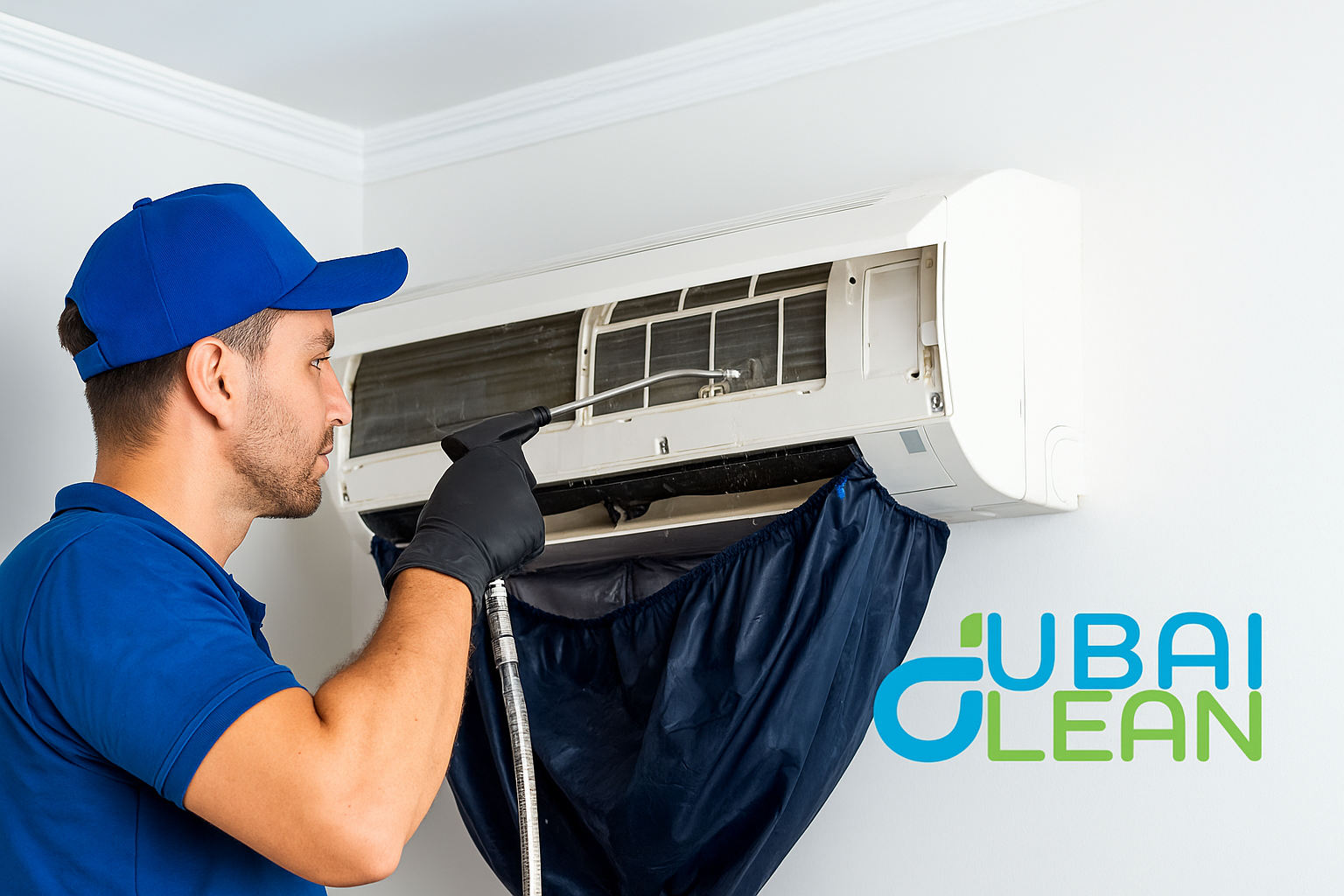
An AC indoor cleaning bag is a specialized waterproof bag designed to fit under the indoor unit of an air conditioner. Its main purpose is to catch water, dust, and debris that comes off the coils and filters during cleaning, preventing mess and protecting your home.
By using this bag, you can clean your AC unit safely and efficiently. It ensures that dirt, mold, and cleaning water don’t spill onto the floor, walls, or furniture. This makes it especially useful in dusty cities like Dubai, where indoor AC units tend to accumulate grime quickly.
Indoor AC Cleaning Basics
Indoor AC cleaning is essential to ensure your air conditioner runs efficiently and provides clean, cool air. Regular cleaning removes dust, dirt, and mold from filters, coils, and vents, improving airflow and energy efficiency. In cities like Dubai, where dust accumulates quickly, following basic cleaning practices helps maintain comfort, reduce electricity bills, and extend the lifespan of your AC unit.
Why Indoor AC Cleaning is Important
Regular indoor AC cleaning is essential to keep your air conditioner running efficiently and your home comfortable.
- Better cooling efficiency: Dust and dirt on coils and filters reduce airflow, making your AC work harder. Cleaning ensures stronger cooling and faster temperature control.
- Improved air quality: Over time, dust, mold, and bacteria accumulate inside the unit. Cleaning removes these pollutants, providing healthier indoor air for you and your family.
- Energy saving: A clean AC consumes less electricity. By maintaining the unit, you reduce energy bills while keeping your system in top condition.
How Often Should You Clean Your AC Unit Inside?
In dusty climates like Dubai, it’s important to clean your indoor AC unit regularly to maintain performance and air quality. Ideally, filters should be cleaned every 2–3 weeks, while a full indoor unit cleaning can be done every 4–6 weeks. Frequent maintenance prevents dust buildup, reduces energy consumption, and keeps your home cool and healthy.
- Recommended cleaning frequency in Dubai: Due to the city’s dusty climate, it’s ideal to clean indoor AC units every 4–6 weeks. Filters can be washed more frequently, every 2–3 weeks, depending on usage.
- Signs your AC needs cleaning: Reduced cooling, unusual odors, increased energy bills, and visible dust or mold on vents are clear indicators that your indoor unit requires cleaning.
How to Clean AC Unit Inside
Cleaning your indoor AC unit involves a few simple steps to keep it running efficiently. First, switch off the power for safety, then set up an AC indoor cleaning bag to catch dirt and water. Spray a coil cleaner on the evaporator coils and gently flush with water, ensuring all debris is collected. Using the right tools and protective gear makes the process safe, quick, and effective.
Step-by-Step Cleaning Process
Cleaning your AC unit is simple if you follow the right steps. Start by switching off the power, then place an AC indoor cleaning bag to catch water and debris. Spray a coil cleaner on the evaporator coils, gently scrub if needed, and flush with water. This method ensures a thorough clean while keeping your space safe and mess-free.
- Switch off power supply: Always turn off the AC and disconnect electricity to avoid electric shocks.
- Set up the AC indoor cleaning bag: Place the bag securely under the unit to catch water, dust, and debris.
- Spray coil cleaner: Apply a suitable AC coil cleaner on the evaporator coils to remove dirt, dust, and mold.
- Flush with water: Rinse the coils gently, allowing the cleaning bag to collect the dirty water. Ensure no water enters the electrical components.
Tools & Materials Needed
To clean your indoor AC unit effectively, you need a few basic tools. An AC cleaning bag prevents spills, while a coil cleaner spray removes dust and grime from the coils. Use a soft brush or microfiber cloth for gentle scrubbing, and always wear protective gloves and goggles to stay safe from chemicals and debris.
- AC cleaning bag: To prevent spills and mess.
- Coil cleaner spray: Specifically designed for indoor AC units.
- Soft brush & microfiber cloth: For scrubbing dirt and wiping surfaces.
- Protective gloves & goggles: To protect your hands and eyes from chemicals and debris.
How to Clean Daikin AC Indoor Unit
Cleaning a Daikin indoor AC unit requires careful handling due to its sensitive components and unique design. Start by removing and washing the filters, ensuring they are completely dry before reinstalling. Use an AC indoor cleaning bag to safely clean the coils with a suitable coil cleaner, collecting all water and debris. Finally, dry the unit thoroughly and reassemble it carefully to maintain optimal performance and prevent damage.
Special Features of Daikin ACs
Daikin ACs are designed with advanced cooling technology and unique coil layouts, which differ from many other brands. Their indoor units often include sensitive electronic components and high-efficiency filters, so extra care is needed during cleaning. Proper handling ensures that the coils, filters, and sensors remain undamaged and the unit continues to perform efficiently.
Cleaning Daikin AC Step-by-Step
To clean a Daikin AC indoor unit, start by carefully removing and washing the filters. Next, place an AC indoor cleaning bag under the unit and spray the coils with a suitable cleaner to remove dust and grime. After rinsing, allow all components to dry completely before reassembling the unit. This step-by-step process ensures safe, efficient cleaning and keeps your AC performing at its best.
- Removing and washing filters: Take out the filters carefully and wash them with mild water or a recommended cleaning solution. Allow them to dry completely before reinstalling.
- Cleaning coils with AC cleaning bag: Place an AC indoor cleaning bag under the unit, spray a coil cleaner on the coils, and rinse gently to remove dust and dirt.
- Drying and reassembling safely: After cleaning, let all components dry thoroughly. Reassemble the unit carefully, ensuring all parts are properly secured before switching the AC back on.
Safety Tips for Indoor AC Cleaning
Safety is essential when cleaning your indoor AC unit. Always turn off the power to avoid electric shocks, and wear protective gear like gloves, goggles, and masks to shield yourself from dust, mold, and chemicals. Handle cleaning solutions carefully, using eco-friendly products whenever possible, and avoid direct contact with your skin. By following these steps, you can ensure a safe and thorough AC cleaning.
Electrical Safety
Always switch off your AC and disconnect the power before cleaning. This simple step prevents electric shocks and keeps you safe while handling the unit. Never attempt to clean the AC while it is still connected to electricity.
Protective Gear
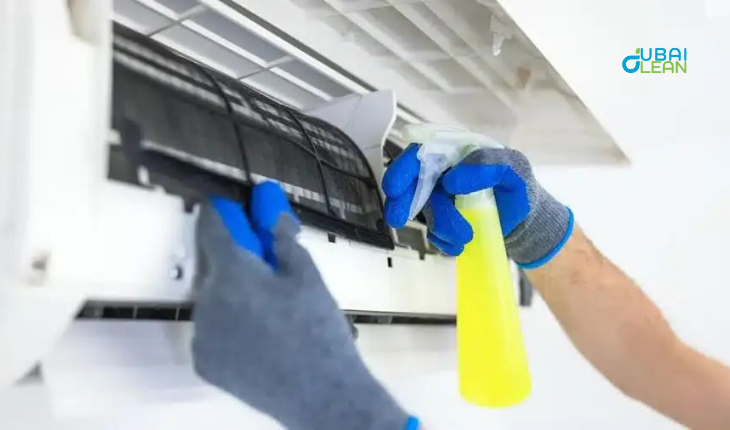
Wearing gloves, goggles, and a mask is essential during AC cleaning. These protect your hands, eyes, and lungs from dust, mold, and chemical exposure. Proper gear ensures you can clean thoroughly without risking your health.
Proper Handling of Chemicals
Use AC coil cleaners and other cleaning solutions with caution. Avoid direct contact with your skin and eyes, and whenever possible, choose eco-friendly, non-toxic products. Safe handling minimizes health risks while keeping your AC clean.
Maintenance & Preventive Care
Regular maintenance is key to keeping your indoor AC unit efficient and long-lasting. Schedule professional servicing at least twice a year and clean the filters every 2–3 weeks to remove dust and debris. Keep the surrounding area tidy and avoid blocking vents to ensure proper airflow. These simple preventive steps help reduce energy bills, prevent damage, and maintain healthy indoor air quality.
Regular AC Servicing
Schedule professional AC check-ups at least twice a year. Regular servicing ensures that all components, including coils, filters, and electronics, remain in good condition, preventing costly repairs and maintaining efficient cooling.
Filter Care
Clean or wash your AC filters every 2–3 weeks, especially in dusty environments like Dubai. Well-maintained filters improve airflow, enhance cooling performance, and keep indoor air clean and healthy.
Long-Term Maintenance Tips
Keep the area around your AC unit clean and free from dust or debris. Avoid blocking air vents with furniture or curtains, as this can reduce efficiency and put extra strain on the system over time.
Practical Cleaning & Maintenance Tips
Maintaining your AC regularly keeps it efficient and extends its lifespan. Simple tasks like cleaning filters and using an AC indoor cleaning bag can be done at home, while deep cleaning or handling sensitive units may require professional help. Preventing dust buildup, rust, and mold ensures better cooling, healthier air, and fewer repairs over time.
DIY vs Professional Cleaning
Some AC cleaning tasks can be done at home, such as washing filters or wiping dust from vents. However, for deep cleaning of coils or handling sensitive units like Daikin, it’s best to hire professional technicians to avoid damage and ensure thorough cleaning.
Extending AC Lifespan
Using an AC indoor cleaning bag regularly and keeping filters clean helps prevent dust and water damage. Additionally, controlling humidity and preventing rust or mold buildup ensures your air conditioner remains efficient and lasts longer, reducing maintenance costs over time.
Dangers & Risks of AC Indoor Cleaning
Cleaning an indoor AC unit comes with certain risks if not done carefully. There is a chance of electric shock if the power isn’t turned off, and over-spraying water can damage delicate coils and electronics. Dust, mold, and chemical fumes may also cause respiratory problems or allergic reactions. Following proper safety precautions and using the right tools helps minimize these risks.
Electrical Hazards
Cleaning an AC unit while it is still connected to electricity can cause serious electric shocks. Always ensure the power is completely switched off and unplugged before starting any cleaning task to prevent accidents.
Damage to AC Unit
Using too much water or spraying directly on sensitive components can damage the coils and electronics of your AC. Proper technique and tools, like an AC cleaning bag, help protect your unit while cleaning.
Health Risks
Dust, mold, and chemical fumes released during cleaning can cause respiratory issues or allergic reactions. Wearing protective gear and using safe, eco-friendly cleaning products reduces these health risks significantly.
Conclusion
Regular indoor AC cleaning is essential for maintaining efficient cooling, improving air quality, and extending the lifespan of your unit, especially in dusty climates like Dubai. Using an AC indoor cleaning bag makes the process safer, cleaner, and more convenient, protecting your home from water and debris. By combining proper maintenance, regular filter cleaning, and professional servicing when needed, you can ensure your AC runs smoothly, saves energy, and provides fresh, healthy air all year round.