



Introduction
A leather couch adds a touch of elegance to any home, but over time, it can start to lose its charm. Stains, fading, and wear can make it look old and tired. Dubai’s hot and humid weather is tough on leather, causing cracks, dryness, and discolouration. Even high-quality leather sofas can begin to show signs of age without proper care.
But don’t worry, restoring your leather couch is not as hard as it seems. With the right products, techniques, and routine care, you can bring back its shine and keep it looking fresh. Whether your sofa has stains, scratches, or faded areas, I’ll guide you through easy ways to clean, repair, and condition it. You’ll be amazed at how new it can look.
Are you ready to restore your leather couch? Let’s explore the best methods for making it shine again and stay beautiful for years.
Assessing the Condition of Your Leather Couch
Before you begin restoring your leather couch, it’s important to take a good look at its condition. Knowing how worn it is and where the problems are will help you choose the right cleaning and repair methods.
- Identifying Signs of Wear and Tear
In a hot and humid climate, leather furniture is especially vulnerable to damage. Keep an eye out for these common signs that your couch may need some attention:
- Fading and Discoloration – Sunlight can cause leather to lose its colour over time.
- Cracks and Peeling – Dry leather often cracks, particularly in areas like armrests and seat cushions.
- Stains and Spills – Liquids, ink, and oil can leave marks, making the leather look dull and dirty.
- Sagging and Wrinkles – Leather may stretch with use, causing wrinkles or sagging in certain spots.
- Evaluating the Type of Leather
Different types of leather need different care. Knowing what kind of leather your couch is made of will help you choose the best products and restoration techniques.
- Full-Grain Leather – This high-quality leather ages beautifully but needs regular conditioning.
- Top-Grain Leather – More resistant to stains but still needs proper cleaning and moisturising.
- Bonded or Faux Leather – Synthetic leather that can peel and requires special care.
- Checking for Structural Damage
If your couch has more serious issues, like a weak frame or sagging cushions, cleaning alone won’t fix it. Look out for:
- Loose or broken frame joints that might need professional repair.
- Flattened cushions that could require re-stuffing or extra support.
By carefully assessing your leather couch, you can decide how best to clean, repair, and restore it to its original beauty.
Essential Tools and Products for Leather Restoration
Restoring a leather couch requires the right tools and products to get the job done properly. Using the wrong materials could damage the leather, so it’s important to choose high-quality solutions that match your sofa’s needs. Here’s a list of must-have items for a successful restoration.
Recommended Leather Cleaners and Conditioners
A good leather cleaner lifts dirt, stains, and oil without harming the leather, while a conditioner keeps it soft and prevents cracks. Look for:
- pH-balanced leather cleaners – These clean without stripping natural oils.
- Leather conditioning creams – Help moisturise and restore leather that’s dry or ageing.
- DIY cleaning solutions – A simple mix of white vinegar and water can work for light cleaning.
Best Leather Cleaners for Sofas in Dubai:
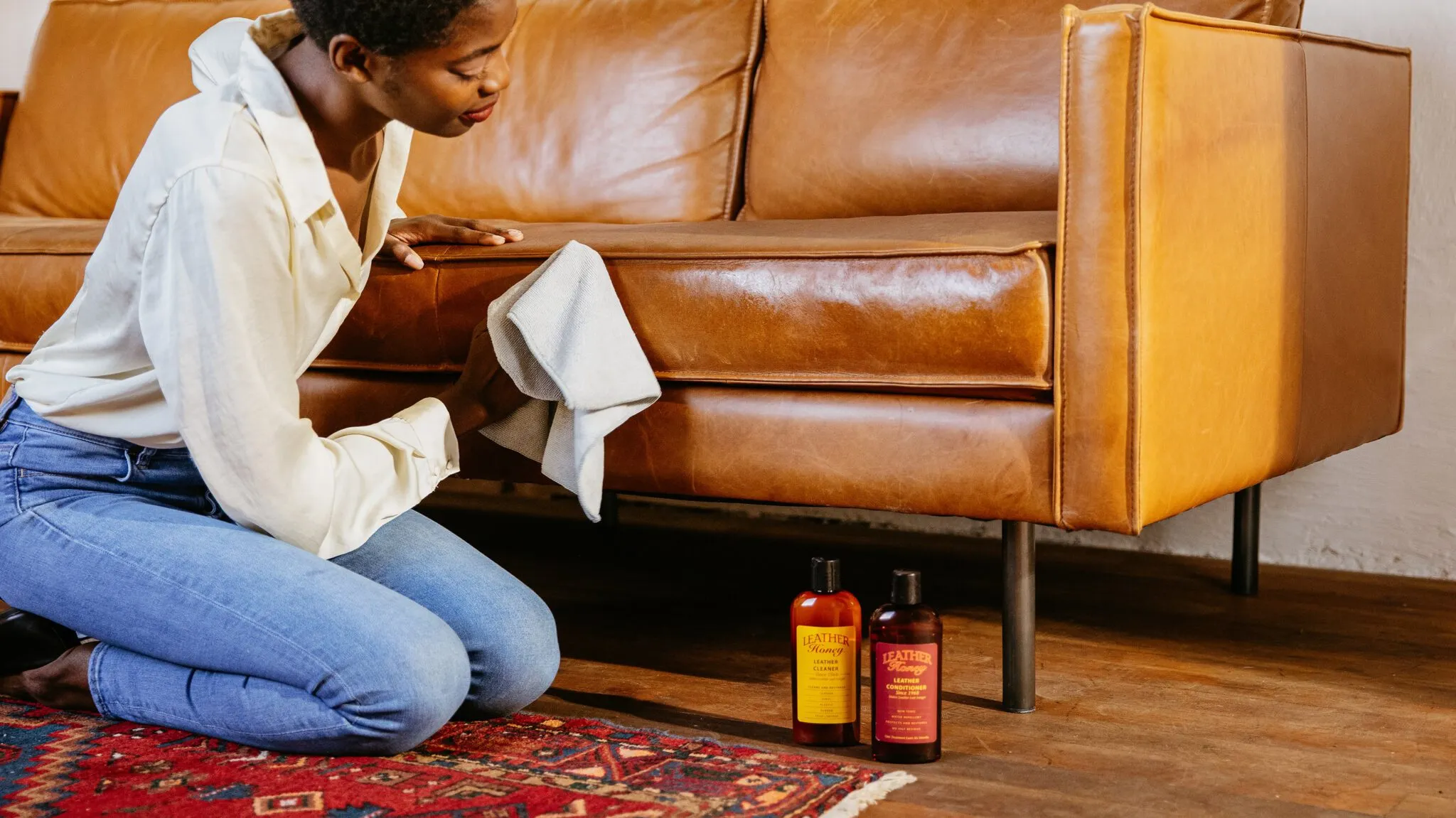
- Leather Honey Cleaner
- Weiman Leather Cleaner & Conditioner
- Chemical Guys Leather Cleaner
Selecting the Right Leather Repair Kits
For scratches, cracks, or fading, a leather repair kit is essential. These usually include:
- Leather filler – Helps repair deep cracks and scratches.
- Leather dye or colour restorer – Revives faded areas and blends with the original shade.
- Adhesive patches – Fix peeling or torn sections.
Top Leather Couch Cleaner Machines Available in Dubai
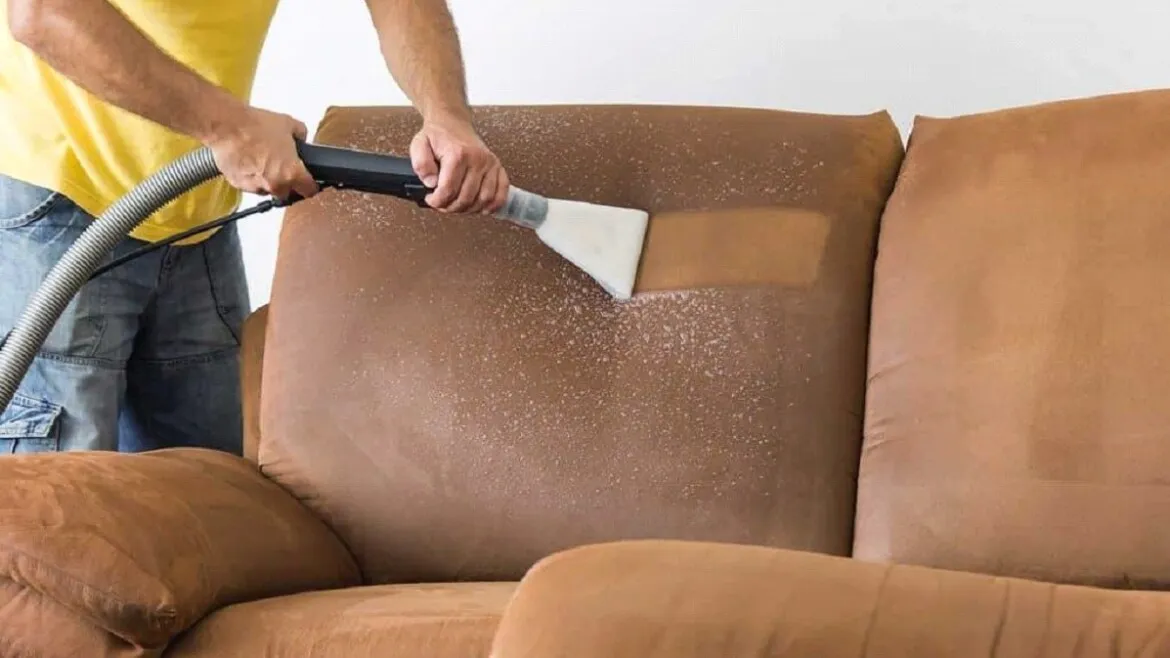
For a deeper clean and better stain removal, a leather-friendly upholstery cleaner machine can make a big difference. Popular choices include:
- Bissell SpotClean Pro – Great for targeting stains.
- Karcher SE 4001 – A powerful extraction cleaner for sofas.
- Hoover ONEPWR Spotless – Compact and effective for home use.
Soft Cleaning Tools to Prevent Damage
Using the right tools will clean effectively without scratching or damaging the leather. Essential items include:
- Microfiber cloths – Perfect for gentle cleaning and applying conditioner.
- Soft-bristled brush – Removes dirt from textured or grained leather.
- Cotton swabs – Great for reaching small cracks and crevices.
By using quality cleaners, repair kits, and the right tools, you can restore your leather couch and make it last longer. Next, we’ll take you through the step-by-step restoration process. Check out the best leather cleaners and how to use them.
Step-by-Step Guide to Restoring Your Leather Couch
Restoring your leather couch is all about cleaning, repairing, and rejuvenating it carefully without causing harm. Follow these simple steps to bring your sofa back to life and make it look as good as new.
Step 1: Deep Cleaning the Leather Surface
Before you start repairing or conditioning, give your leather couch a good clean to remove dirt, oils, and stains.
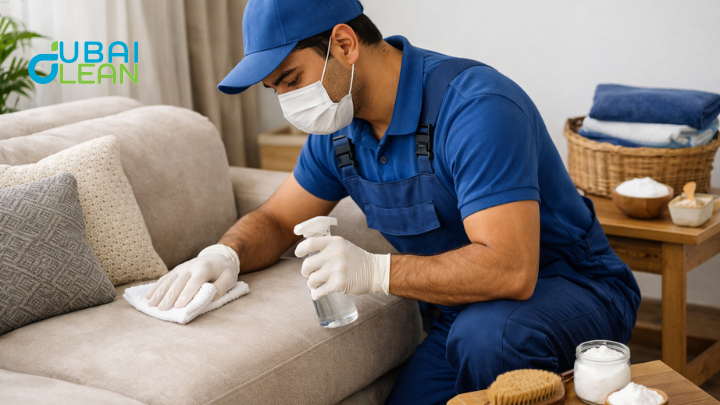
Vacuum the Surface – Use a soft brush attachment to remove dust and debris from all areas, even the crevices.
Apply a Leather Cleaner – Use a pH-balanced leather cleaner, or make a DIY mix with equal parts water and white vinegar to wipe down your sofa.
Use a Microfiber Cloth – Gently rub the cleaner in circular motions to lift dirt from the leather.
Dry with a Clean Cloth – Wipe away any excess moisture and let the leather air dry completely.
Step 2: Removing Stains and Discoloration
If there are stubborn stains, treat them with the right methods for each type of stain:
- Ink Stains: Dab rubbing alcohol on a cotton swab and gently rub the stain.
- Grease or Oil Stains: Sprinkle baking soda on the area, leave it for a few hours, then wipe it away.
- Dark Stains on Light Leather: Mix lemon juice and cream of tartar to create a natural stain remover.
Step 3: Repairing Cracks, Peeling, and Scratches
For minor cracks or peeling, a leather repair kit will help smooth out the surface.
Fill in Cracks and Scratches – Use leather filler with a spatula to apply, smooth it out, and allow it to dry.
Blend with Leather Dye – Use a matching leather dye to restore the colour of repaired areas.
Buff the Surface – Gently polish with a soft cloth for a smooth finish.
Step 4: Conditioning the Leather
Leather needs moisture to stay soft and avoid cracking. Conditioning your couch helps restore its shine.
Apply a Leather Conditioner – Rub a high-quality conditioning cream into the leather with a microfiber cloth.
Let It Absorb – Leave the conditioner to soak in for at least 30 minutes.
Buff to Shine – After it has absorbed, use a dry cloth to buff the leather and bring out the shine.
Step 5: Protecting and Maintaining Your Restored Leather Couch
To keep your leather sofa looking new for longer, follow these simple maintenance tips:
- Keep It Away from Direct Sunlight – UV rays can fade and crack the leather.
- Dust and Wipe Weekly – Use a soft cloth to prevent dirt from settling into the leather.
- Reapply Conditioner Every 3–6 Months – Helps maintain flexibility and shine.
- Use a Leather Protector Spray – Adds extra protection against spills and stains.
By following these steps, your leather couch will regain its original beauty and stay in great condition for years.
Preventative Measures to Keep Your Leather Sofa Looking New
Once you’ve restored your leather couch, it’s important to maintain it with regular care to keep it looking great. Here are some easy preventative measures to help preserve your sofa’s beauty for years.
1. Clean and Dust Regularly
Over time, leather gathers dust, dirt, and oils, which can make it look dull and cause stains.
Wipe down weekly using a soft, dry microfiber cloth to remove dust.
Use a damp cloth with mild leather cleaner every month for a deeper clean.
Vacuum crevices using a brush attachment to get rid of hidden dirt.
2. Keep It Away from Direct Sunlight and Heat
The intense sun can cause the leather to fade, dry out, and crack.
Position your sofa away from windows and direct sunlight.
Use curtains or blinds to block UV rays.
Avoid placing it near air conditioners or heaters, as temperature changes can weaken the leather.
3. Apply Leather Conditioner Regularly
Leather needs moisture to stay soft and avoid cracks.
Condition your sofa every 3–6 months with a high-quality leather conditioner.
Use a small amount to prevent buildup and avoid greasiness.
Buff with a clean cloth to restore a shiny finish.
4. Protect Against Spills and Stains
Leather can absorb spills quickly if not cleaned right away.
Use a leather protector spray to create a stain-resistant layer.
Blot spills immediately with a dry cloth—don’t rub, as this can spread the stain.
Avoid harsh chemicals like bleach or ammonia, which can damage the leather.
5. Prevent Scratches and Wear
Sharp objects and rough use can lead to scratches and scuffs.
Trim pets’ nails to prevent scratches if they sit on the sofa.
Don’t place sharp objects like keys or jewellery on the leather.
Use soft throws or covers in high-traffic areas for extra protection.
6. Maintain Even Wear
Over time, certain areas of the couch may wear more than others.
Rotate seat cushions regularly to ensure even usage.
Encourage everyone to change seating spots to avoid putting pressure on the same area.
By following these simple steps, you’ll extend your leather couch’s life and keep it looking fresh. Proper care enhances its appearance and protects your investment in quality furniture.
Professional Leather Sofa Cleaning Services in Dubai
While regular maintenance helps, professional cleaning is crucial for restoring the original look and prolonging the life of your leather sofa. Expert cleaning services offer deep cleaning, stain removal, and conditioning, ensuring your sofa remains soft, supple, and flawless.
1. Why Choose Professional Leather Cleaning?
Professional leather cleaning goes beyond basic dusting and wiping. Experts utilise industry-grade products and methods to:
Remove deep-seated dirt, body oils, and stains
Restore the leather’s natural colour and shine
Prevent cracking, peeling, and fading.
Apply protective treatments for lasting durability
2. Services Offered by Leather Cleaning Experts
Professional cleaning companies offer a comprehensive range of services to care for your leather furniture:
- Deep Leather Cleaning – Uses leather-safe solutions to break down grime and oils.
- Stain and Spot Removal – Specialised treatments for ink, food, and oil stains without damaging the leather.
- Leather Conditioning & Moisturizing – Restores softness and prevents cracking or dryness.
- Color Restoration & Polishing – Revives faded or discoloured leather areas.
- Leather Protection Treatment – Adds a protective layer to shield against spills and UV damage.
3. How to Choose the Best Leather Cleaning Service
To ensure you’re choosing the right professionals, keep these factors in mind:
Experience & Reputation – Choose companies with a solid reputation and expertise in leather restoration.
Use of Safe Products – Ensure they use pH-balanced, non-toxic cleaners.
Pricing & Packages – Compare rates for services such as deep cleaning, conditioning, and repairs.
Customer Reviews – Look for positive feedback on platforms like Google, Facebook, or local forums.
4. How Often Should You Get Professional Leather Cleaning?
For the best results, consider professional leather cleaning every 6–12 months to maintain its luxurious look. If your sofa sees heavy use or frequent spills, quarterly cleaning may be beneficial.
5. Cost of Leather Sofa Cleaning in Dubai
The cost of professional sofa cleaning depends on the sofa’s size, condition, and services needed. Here’s an average breakdown:
1-seater leather chair: AED 80–150
2-seater leather sofa: AED 150–250
3-seater leather sofa: AED 200–350
Full set (5-seater or more): AED 400+
Investing in professional leather sofa cleaning not only enhances the appearance of your furniture but also extends its life, saving you money on repairs or replacements in the long run.
Conclusion
Restoring and maintaining your leather couch doesn’t have to be a complicated task. Following the right cleaning methods, using high-quality leather care products, and implementing preventative measures, you can keep your sofa looking brand new for years. Regular dusting, conditioning, and avoiding harsh elements like direct sunlight or spills will help preserve the leather’s natural beauty and durability.
For deeper cleaning and restoration, professional leather sofa cleaning services in Dubai offer expert care, ensuring your couch stays in top shape. Whether you prefer DIY methods or professional services, a well-maintained leather sofa adds elegance, comfort, and lasting value to your home.
By investing time and effort in proper care today, you can enjoy the luxury of a spotless and supple leather couch for years to come. Ready to give your sofa a fresh new look? Start restoring and protecting it today!