


HVAC ductwork is essential for distributing air in Dubai’s homes and commercial buildings, ensuring clean indoor air and system efficiency. Over time, ducts can accumulate dust, mold, and allergens, making safe removal critical for health and regulatory compliance. Improper removal poses respiratory risks and legal issues, so hiring certified professionals ensures safety, compliance, and long-term system performance.
1. Understanding HVAC Ductwork and Its Risks
HVAC ductwork consists of a network of channels that distribute conditioned air from your air conditioning or heating system to different areas of a building. In Dubai, where temperatures often exceed 40°C in summer, HVAC systems play a vital role in maintaining comfortable and healthy indoor environments. Over time, ducts can deteriorate or become contaminated, making professional cleaning or replacement essential to maintain air quality and comply with building regulations.
Health Risks
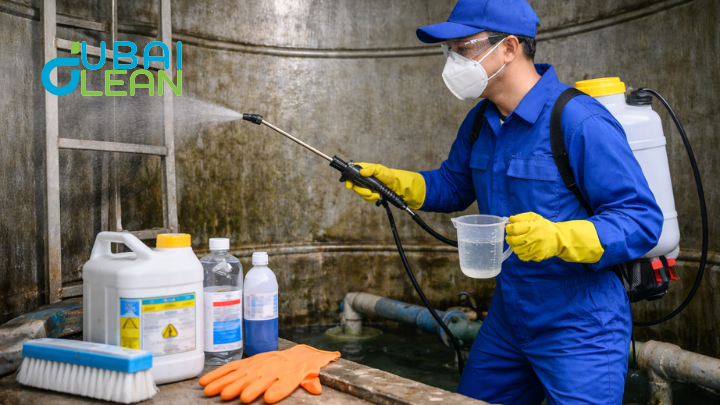
Neglecting HVAC ducts can lead to serious health hazards. Dust, mold, bacteria, and other allergens can accumulate inside ducts, compromising indoor air quality and triggering respiratory issues, allergies, or infections. In Dubai’s humid climate, mold growth is particularly common, making safe and thorough duct removal essential to protect residents’ health.
Structural & Mechanical Risks
Improper removal of ductwork can damage AC coils, fans, or structural components of a building. Dents, punctures, or misaligned ducts can reduce airflow efficiency, increase energy consumption, and lead to costly repairs. Ensuring that ducts are removed using certified techniques helps prevent system failures and structural damage.
Regulatory Risks
Dubai has strict building and safety regulations regarding HVAC systems. The Dubai Municipality (DM) Code of Practice and DEWA guidelines outline proper handling, maintenance, and disposal of HVAC components. Non-compliance can result in fines, insurance complications, and safety violations. For commercial buildings, adhering to these regulations is legally mandatory, while for residential properties, compliance ensures safety and system efficiency.
2. Safety Precautions Before HVAC Duct Removal
Before removing HVAC ductwork in Dubai, safety must be the top priority. Following proper precautions and referring to duct cleaning and indoor air quality guidelines helps protect occupants and workers from dust, mold, and chemical exposure, prevents system damage, and ensures compliance with Dubai Municipality regulations. Adhering to these standards makes the removal process efficient, controlled, and legally compliant.
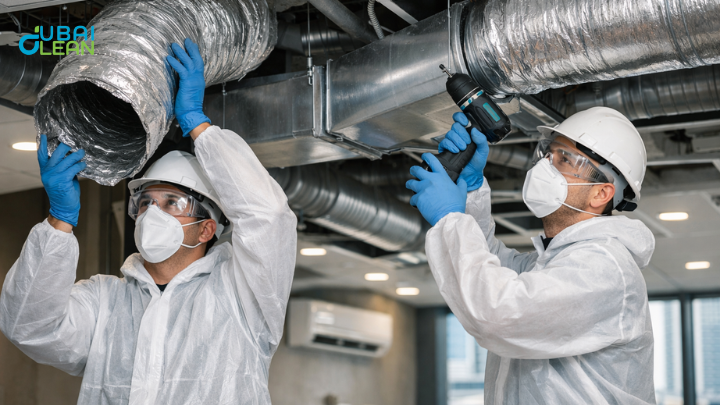
Personal Protective Equipment (PPE): Anyone handling ductwork should wear respirators, gloves, goggles, and protective clothing to minimize exposure to contaminants. Proper PPE prevents respiratory issues, skin irritation, and eye injuries during the removal process.
Air Quality Testing: Conducting air quality testing before starting ensures that ducts contaminated with mold, bacteria, or dust mites are safely managed. Testing helps implement containment measures to reduce airborne contamination in indoor spaces.
Shutting Down HVAC Systems Safely:Always turn off HVAC units, lock controls, and ventilate the area to prevent accidents and limit dust or debris spread. These steps protect workers and maintain indoor air quality during the removal process.
Environmental Considerations: Duct materials should be sorted and disposed of responsibly following Dubai Municipality guidelines. Proper disposal avoids fines, prevents environmental harm, and ensures documentation for compliance audits.
3. Tools and Equipment Needed
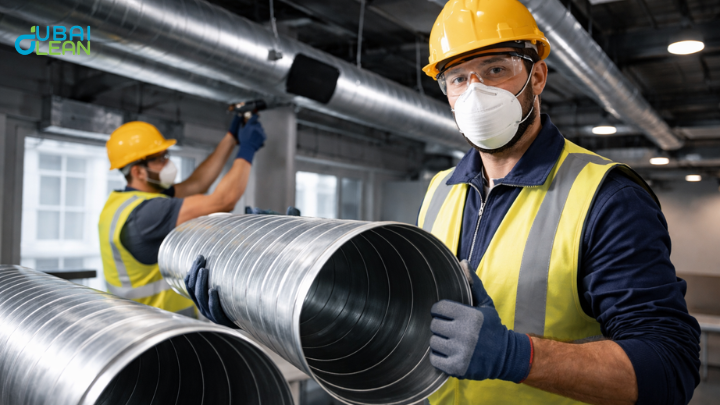
Removing HVAC ductwork safely in Dubai requires specialized tools and equipment to protect health, prevent damage, and comply with local regulations. Using the correct tools ensures efficiency and minimizes the risk of accidents or contamination. Certified HVAC professionals recommend these tools to guarantee safe, compliant, and effective duct removal.
Essential Tools for Safe HVAC Duct Removal
Using the right tools is crucial to safely remove HVAC ducts in Dubai without damaging the system or spreading contaminants. These tools help professionals work efficiently while maintaining health and regulatory compliance.Certified HVAC professionals recommend the following equipment:
- Screwdrivers and Power Drills: For safely loosening duct screws, brackets, and fasteners without damaging the structure.
- Pliers and Shears: To cut and manipulate metal duct sections or insulation safely.
- Ladders or Scaffolding: For accessing elevated ductwork in multi-story buildings while maintaining stability and safety.
- Industrial Vacuum Systems: Designed to remove dust, debris, and contaminants as ducts are disassembled.
- Air Filtration Units: Portable HEPA filtration devices prevent airborne contaminants from spreading during removal.
Safety Checklist for Equipment
Before starting HVAC duct removal, ensure all tools and equipment are in good condition and comply with UAE safety standards. Proper checks help prevent accidents, protect workers, and maintain indoor air quality.Before starting any work, ensure:
- All tools are in good condition and free from defects.
- Electrical equipment is tested and compliant with UAE safety standards.
- Protective guards are in place on cutting or drilling tools.
- Air filtration and containment systems are positioned correctly to maintain healthy indoor air quality.
Using tools recommended by certified HVAC professionals not only protects the health and safety of workers but also ensures that the duct removal process complies with Dubai Municipality (DM) and DEWA guidelines. Following professional standards reinforces credibility and reduces liability risks for both residential and commercial projects.
4. Step-by-Step Guide to Remove HVAC Ductwork
Removing HVAC ductwork is a complex and high-risk process, especially in Dubai’s residential and commercial buildings. The steps below are informational only and are not a DIY recommendation. Always hire certified HVAC technicians to ensure health, safety, and compliance.
Step 1: Identify Ducts for Removal: Start by mapping the HVAC system to determine which ducts need removal. Focus on sections showing contamination, corrosion, or damage, especially vertical shafts in multi-story Dubai buildings that may need extra support.
Step 2: Isolate the Duct Sections: Turn off the HVAC system completely and lock all electrical controls to prevent any accidental operation during duct removal. Seal off unaffected areas using plastic barriers or temporary partitions to contain dust, debris, and contaminants. Proper isolation ensures the safety of workers and occupants while maintaining indoor air quality throughout the process.
Step 3: Disconnect Duct Joints and Fasteners: Carefully loosen screws, clips, and brackets without damaging the HVAC system or building structure. Use appropriate hand and power tools, supporting ducts to avoid drops or injuries. Ensure each duct section is handled steadily and monitored for safety throughout the removal process.
Step 4: Minimize Dust and Contamination: Set up effective containment measures, including plastic sheeting, negative air pressure units, and HEPA filtration systems, to prevent dust, mold, and allergens from spreading. Ensure workers remain in full PPE, including masks, gloves, goggles, and protective clothing. Proper containment and protection help maintain safe indoor air quality and reduce health risks during duct removal.
Step 5: Label and Remove Contaminated Sections: Clearly mark ducts containing mold or hazardous debris and transport them to licensed disposal or recycling centers. Avoid dragging ducts to prevent contaminant spread and comply with Dubai regulations.
Step 6: Inspect Remaining System: After removal, inspect all remaining ducts, vents, and HVAC components for hidden mold, damage, or loose connections. Document the findings for compliance records, especially in commercial or public buildings.
Attempting duct removal without professional training can cause health risks, system damage, and legal issues. Always hire certified HVAC technicians following DM and DEWA standards in Dubai.
5. Health and Environmental Considerations
Proper health and environmental practices are essential during HVAC duct removal in Dubai. Using HEPA vacuums, containment measures, and full PPE protects workers and residents from dust, mold, and chemical residues. Safe disposal of metals, insulation, and contaminated ducts ensures compliance with Dubai Municipality regulations and maintains indoor air quality.
After removal, conduct air quality testing and inspect the HVAC system before reinstalling new ducts. Implement ventilation or purification measures if needed to protect health and prevent long-term system damage.
6. Compliance with Dubai Regulations
HVAC duct removal must comply with Dubai Municipality and DEWA regulations to ensure safety and legal protection. Certified technicians, proper permits for commercial properties, and adherence to energy efficiency and air quality standards are required. Maintaining records of removal activities, air quality tests, and waste disposal helps demonstrate compliance and protects property owners from fines or liability issues.
7. Hiring Professionals vs DIY
Choosing between hiring certified HVAC contractors or attempting DIY duct removal in Dubai has major health, safety, and legal implications. Professionals bring expertise, proper tools, and regulatory knowledge, while DIY attempts can lead to system damage, exposure to contaminants, and fines. For safe and compliant HVAC ductwork removal, relying on trained technicians is strongly recommended.
Pros of Hiring Certified HVAC Contractors in Dubai
Certified professionals ensure safe, efficient, and compliant duct removal. They follow strict PPE, containment, and air quality protocols, carry insurance, and adhere to Dubai Municipality and DEWA regulations, protecting both health and property.
Risks of DIY HVAC Duct Removal
DIY removal exposes residents and workers to dust, mold, and chemical hazards. It can also damage ducts, AC components, or building structures and violate DM regulations, potentially leading to fines or costly repairs.
8. Post-Removal Recommendations
After HVAC ductwork removal in Dubai, it’s essential to clean and sanitize the remaining system, conduct air quality testing, and schedule regular inspections. Proper post-removal care prevents dust, mold, and allergens from affecting residents, ensures efficient system performance, and extends HVAC lifespan. Regular monitoring also helps identify issues early, maintaining energy efficiency and compliance with Dubai Municipality regulations. Documenting these steps adds credibility and supports regulatory audits.
Conclusion
Safe and compliant HVAC ductwork removal in Dubai protects occupant health, maintains system efficiency, and ensures adherence to DM and DEWA regulations. Following professional protocols, proper PPE, and air quality monitoring prevents dust, mold, and structural damage. Hiring certified HVAC technicians is the safest way to guarantee compliance, efficiency, and a healthier indoor environment.