


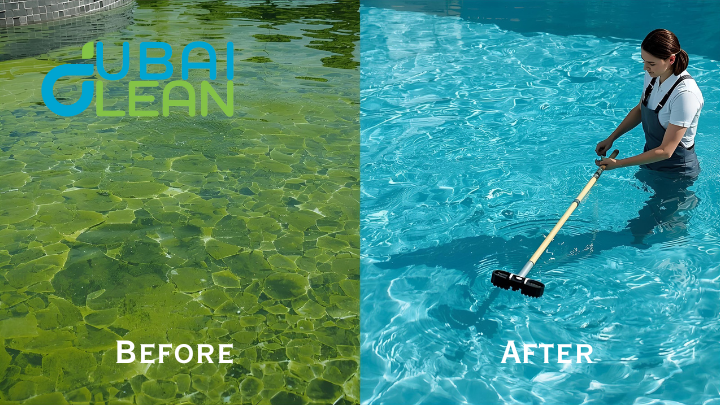
Keeping a swimming pool clean and properly maintained is not just a luxury; it’s crucial for a safe and pleasant swimming experience. Regular care keeps the water sparkling, prevents the buildup of harmful bacteria, and extends the life of the pool’s structure and equipment. Beyond the visual appeal, proper pool care directly impacts safety, comfort, and the overall swimming environment.
Balanced water chemistry, routine cleaning, and preventive care play a vital role in keeping the pool hygienic and free from issues such as algae growth or murky water. In this guide, we’ll cover everything you need to know about swimming pool cleaning, ongoing pool maintenance, effective algae removal, and simple DIY tips. Whether you’re a homeowner or managing a commercial pool, these insights will help you maintain a pool that’s safe, healthy, and always ready for a refreshing dip.
1. Swimming Pool Cleaning: Why It Matters
Health and Safety Benefits of Regular Pool Cleaning: Maintaining your pool regularly is essential for ensuring the health and safety of all its users. Pools can quickly collect dirt, debris, and microorganisms that thrive in warm, untreated water. Regular cleaning reduces the risk of skin irritations, eye infections, and respiratory issues, ensuring swimmers can enjoy the water without health concerns.
Preventing Bacteria Growth and Waterborne Illnesses: Without proper cleaning, swimming pools can become breeding grounds for bacteria and harmful pathogens. Contaminated water increases the likelihood of waterborne illnesses such as ear infections, gastrointestinal problems, and rashes. Maintaining the correct chlorine levels and routinely cleaning surfaces prevents bacteria buildup, keeping your pool safe and hygienic.
Enhancing Pool Appearance and Water Clarity: A clean pool is more inviting and visually appealing. Cloudy or discolored water not only discourages swimmers but also signals poor maintenance. By regularly vacuuming, skimming debris, and maintaining proper water chemistry, you can keep your pool water crystal-clear and the overall structure looking pristine.
Cleaning Frequency for Residential vs. Commercial Pools
Regular pool cleaning schedules vary depending on how often the pool is used and the number of swimmers it serves. Residential pools usually require less frequent maintenance compared to commercial pools, which see higher traffic and need more rigorous care. The table below outlines the recommended cleaning frequency to keep both types of pools safe, hygienic, and in top condition year-round.
| Pool Type | Skimming | Vacuuming & Brushing | Water Testing | Deep Cleaning |
| Residential Pools | Daily (for leaves & debris) | Weekly | Weekly | Every 1–2 months |
| Commercial Pools | Multiple times daily | 2–3 times per week | Daily | Weekly or as needed (high use) |
2. Essential Pool Maintenance Practices
Regular pool maintenance is key to keeping water clean, safe, and inviting. From skimming and vacuuming to balancing water chemistry and ensuring proper filtration, consistent care prevents costly repairs and extends the life of your pool.
2.1 Regular Skimming and Vacuuming
One of the simplest yet most important pool care habits is removing dirt, leaves, and other debris that accumulate on the water’s surface. Skimming daily keeps your pool looking fresh and prevents debris from sinking and clogging the filtration system.
For deeper cleaning, vacuuming is necessary. Manual pool vacuums allow you to target problem areas and corners, while automatic vacuums save time by cleaning the pool floor efficiently without much effort. The best cleaning solution will depend on factors like pool size, your budget, and your personal cleaning preferences.
2.2 Water Circulation and Filtration
Pool pumps and filters work together to keep water moving, preventing stagnation where bacteria and algae can thrive. For most pools, it is advised to run the pump for a minimum of 8-12 hours each day.
Filters also need regular attention. Backwashing the filter reversing the water flow to flush out trapped debris ensures smooth operation and longer filter life. Cartridge filters should be rinsed or replaced as needed, while sand and DE (diatomaceous earth) filters may require periodic replacement.
2.3 Balancing Pool Water Chemistry
Achieving crystal-clear water requires maintaining the correct chemical balance. The ideal pH level for a swimming pool is between 7.2 and 7.6, while chlorine should stay within 1–3 ppm to effectively kill bacteria without irritating swimmers.
Using pool testing kits allows homeowners to monitor pH, chlorine, and alkalinity levels easily. For more precise adjustments or complex issues, professional pool technicians can provide treatments to restore water balance quickly and effectively.
2.4 Seasonal Pool Maintenance
Seasonal changes demand adjustments in pool care routines. During summer, pools are used more frequently, requiring regular chemical checks, cleaning, and filtration. In contrast, winter pool care often involves reducing water levels, adding winterizing chemicals, and covering the pool to prevent debris buildup.
Preparing your pool for seasonal transitions not only protects the water quality but also extends the lifespan of pool equipment, saving you from costly repairs in the long run.
3. Pool Algae Removal: Step-by-Step Guide
Algae growth is one of the most common pool problems, but with the right approach, it’s easy to control. Understanding the causes, identifying algae types, and using effective removal methods ensure your pool stays clear, healthy, and swim-ready.
3.1 Causes of Pool Algae
Algae growth is one of the most common problems pool owners face. It usually occurs due to poor water circulation, insufficient chlorine levels, or warm temperatures that encourage rapid algae development. Pools exposed to direct sunlight or lacking routine maintenance are especially vulnerable to algae blooms. For additional insights, you can also explore resources like how to maintain a swimming pool at home to understand preventive measures better.
3.2 Types of Pool Algae
Knowing the various types of algae aids in selecting the most effective removal method:
- Green algae: The most common type, causing the water to become cloudy and making pool surfaces slippery
- Black algae: A tougher variety that clings to pool walls and surfaces, forming dark spots that are hard to remove.
- Mustard algae: Yellowish in color and often mistaken for sand or pollen; it resists normal chlorine levels and requires stronger treatments.
3.3 Effective Algae Removal Techniques
Brushing and Vacuuming: Scrubbing the pool’s walls, steps, and floor helps dislodge algae and prevents it from spreading. Vacuuming the pool after brushing eliminates dead algae and other debris from the water.
Shock Treatment and Algaecides: Shocking the pool with a high dose of chlorine destroys algae at its source. For stubborn cases, algaecides are used to target specific algae types, ensuring complete elimination.
Preventive Measures to Stop Algae Regrowth: Once the algae is gone, prevention is key. Maintaining proper chlorine levels, ensuring good water circulation, and cleaning filters regularly will stop algae from coming back. Covering the pool when not in use and scheduling routine maintenance also help keep algae under control.
4. DIY Pool Cleaning Tips
Taking care of your pool doesn’t always require professional help. With the right tools, simple homemade solutions, and regular upkeep, you can manage most cleaning tasks yourself while saving money and keeping your pool sparkling clean.
4.1 Must-Have Tools for Home Pool Care
Every pool owner should have a basic toolkit for routine cleaning. Skimmers are essential for removing leaves, insects, and floating debris, keeping the water surface clear. Pool brushes help scrub walls, steps, and corners where dirt and algae often accumulate. Testing kits are another must-have, allowing you to monitor chlorine levels, pH balance, and water hardness to ensure a safe swimming environment.
4.2 Homemade Cleaning Solutions
For light cleaning tasks, household ingredients can be surprisingly effective. Baking soda works as a gentle scrub for pool tiles and grout, while white vinegar can help remove calcium deposits and stains. These natural alternatives are safe, affordable, and eco-friendly, making them perfect for small maintenance jobs between professional treatments.
4.3 DIY vs. Professional Pool Cleaning
When it comes to pool care, some tasks can be managed easily at home, while others require professional expertise. Knowing when to handle cleaning yourself and when to call in experts ensures your pool remains both cost-effective to maintain and safe for swimmers.
Table Comparison:
| Aspect | DIY Pool Cleaning | Professional Pool Cleaning |
| Best For | Regular upkeep (skimming, brushing, basic water tests) | Complex issues (algae infestations, major repairs) |
| Cost | Low – saves money on labor | Higher – service fees apply |
| Tools/Equipment | Basic tools like skimmers, brushes, and test kits | Advanced tools and professional-grade cleaning systems |
| Water Chemistry | Simple adjustments with home kits | Accurate balancing and treatments |
| Time & Effort | Requires personal time and effort | Saves time – handled by trained experts |
| Recommended Approach | Weekly maintenance at home | Scheduled servicing for deep cleaning & problem-solving |
5. Common Mistakes to Avoid in Pool Cleaning
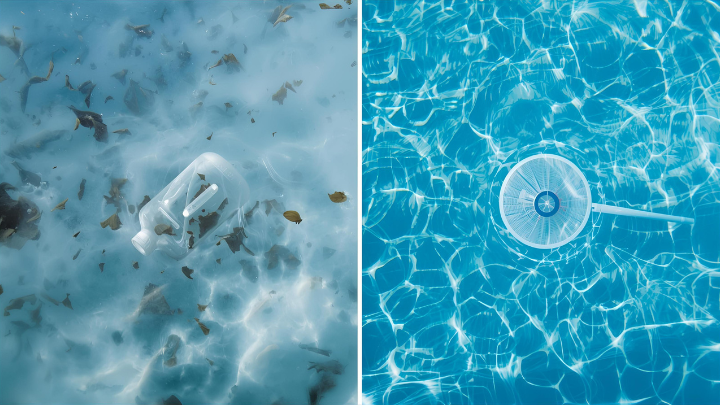
Many pool owners make the mistake of overusing chemicals, assuming that extra chlorine will keep the water cleaner for longer. In reality, excessive chemical use can irritate swimmers’ skin and eyes while damaging pool surfaces and equipment, making balanced water chemistry essential. Another common issue is ignoring filter maintenance when filters aren’t cleaned or replaced regularly, debris builds up, circulation suffers, and water quickly becomes cloudy or unsafe. Skipping routine checks is equally problematic, as neglecting weekly cleaning, water testing, and equipment inspections often turns small maintenance tasks into costly repairs. By avoiding these mistakes and sticking to a consistent cleaning routine, you can keep your swimming pool safe, clear, and well-maintained all year round.
6. Conclusion
A clean and well-maintained swimming pool is essential for both enjoyment and safety. Regular cleaning not only enhances water clarity and appearance but also protects swimmers from harmful bacteria and waterborne illnesses.
Consistent maintenance plays a crucial role in preventing algae growth, avoiding chemical imbalances, and reducing the risk of costly repairs to your pool’s structure and equipment. By staying on top of cleaning, water testing, and seasonal care, you ensure that your pool remains in top condition year-round.
While DIY pool cleaning methods like skimming, brushing, and testing kits are effective for everyday upkeep, professional services bring the expertise and equipment needed for deeper cleaning and complex issues. A combination of both approaches offers the best results keeping your swimming pool safe, sparkling, and always ready for a refreshing swim.