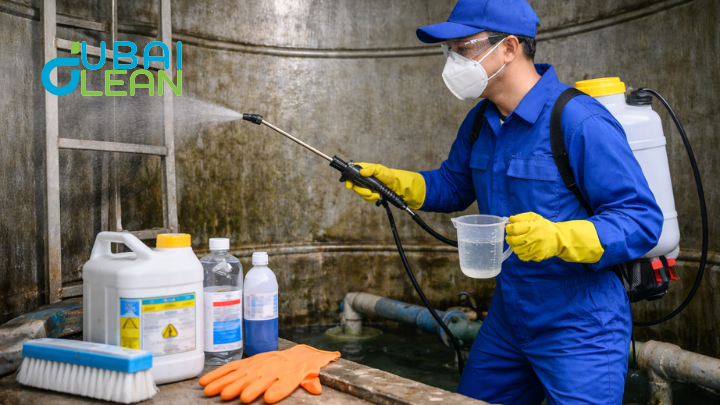



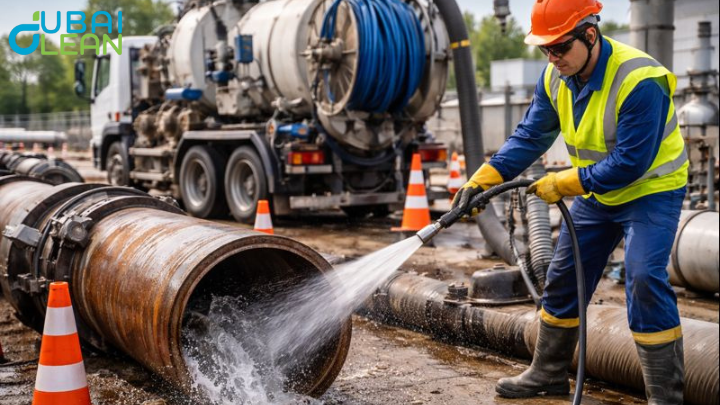
Pipelines play a vital role in residential, commercial, and industrial systems, safely transporting water, gas, and other essential fluids. Over time, they can develop blockages, corrosion, and biofilm, which may compromise efficiency, safety, and hygiene. At DubaiClean, our certified experts use advanced techniques to prevent these issues and ensure long-lasting pipeline health. This guide provides trusted, professional insights to maintain clean, safe, and fully functional pipelines for years to come.
1. Importance of Pipeline Cleaning
Regular pipeline cleaning is essential for ensuring safe and clean water. By removing bacteria, mold, and other contaminants, clean pipelines protect the health of residents, employees, and customers while maintaining the highest water quality standards. This preventive approach reduces the risk of waterborne illnesses and ensures safe consumption and use.
Over time, pipelines accumulate corrosion, scale, and biofilm that can weaken materials and reduce flow efficiency. Routine cleaning not only removes these harmful buildups but also helps maintain smooth water or gas flow. This improves operational efficiency, lowers energy consumption, and extends the lifespan of your pipelines, saving both time and money.
Neglecting pipeline maintenance can lead to blockages, leaks, and major system failures that require expensive emergency repairs or full replacements. Regular cleaning minimizes these risks, ensuring reliable performance and reducing the likelihood of unexpected downtime. Investing in professional pipeline care is a cost-effective strategy for long-term safety and efficiency.
2. Regular Inspection for Long-Term Health
Routine pipeline inspections are vital to catch early signs of damage, blockages, or contamination before they escalate into costly repairs. By proactively monitoring pipelines, you can identify corrosion, leaks, and microbial growth while maintaining optimal efficiency and water quality. Scheduled inspections also help extend the lifespan of your pipelines and ensure the safety of residents, employees, and industrial operations. Professional inspection services provide accurate assessments and actionable insights to keep your pipelines running smoothly.
| Property Type | Recommended Inspection Frequency | Key Focus Areas |
|---|---|---|
| Residential | Every 6–12 months | Rust, corrosion, leaks, water pressure |
| Commercial | Every 3–6 months | Scale buildup, microbial growth, efficiency |
| Industrial | Every 1–3 months | Cracks, weak spots, material-specific checks |
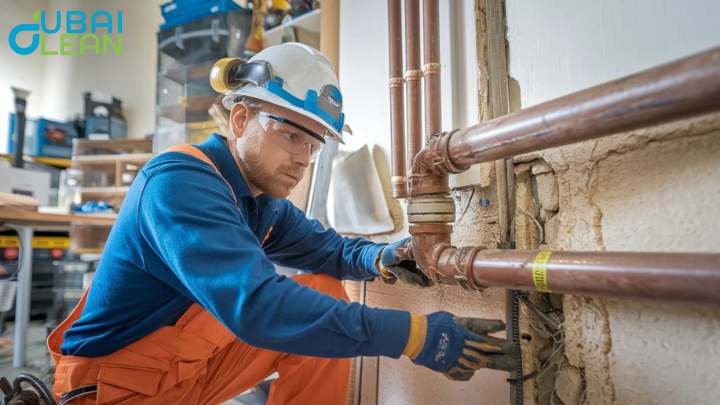
3. The Key to Long-Term Maintenance
While DIY cleaning can address minor clogs and surface-level debris, professional pipeline cleaning ensures a thorough, deep clean that safeguards your system for the long term. Experts use advanced techniques to remove stubborn dirt, grease, and buildup that typical home methods cannot reach, preventing blockages, corrosion, and microbial growth.
Hydro jetting removes tough deposits with high-pressure water, while safe chemical solutions dissolve biofilm and rust. Mechanical tools and pigs scrub and clear scale and debris, and eco-friendly biological treatments break down organic waste without harming the environment. These expert approaches protect the pipeline’s internal surfaces, ensuring efficiency, durability, and water quality over time
4. Understanding Common Pipeline Problems
Pipelines are constantly exposed to factors that can compromise their integrity, efficiency, and water quality. Understanding these common issues helps homeowners, businesses, and industries take timely action. Early detection and preventive care can save money, reduce downtime, and extend the life of your pipelines.
- Corrosion and Rust – Metal pipes degrade over time, causing leaks and weakened structures.
- Biofilm and Bacterial Growth – Harmful bacteria, mold, and fungi can accumulate, contaminating water.
- Scale and Mineral Deposits – Hard water leaves calcium and magnesium buildup, restricting flow.
- Blockages and Clogs – Grease, debris, and food particles can obstruct pipelines completely.
- Leaks and Cracks – Small cracks can turn into major leaks, leading to water loss and costly repairs.
- Pressure Fluctuations – Inconsistent water pressure can indicate underlying pipeline issues.
- Pipe Material Degradation – Plastic or older pipes may become brittle, reducing efficiency and safety.
5. Key Factors for Choosing Cleaning Method
Not all pipelines require the same cleaning approach, and selecting the right method depends on several factors. The type of pipeline whether water, gas, or industrial dictates the techniques used, while the material, such as PVC, metal, or concrete, determines the appropriate cleaning tools. The level of contamination is also important, as heavily clogged pipes may need high-pressure cleaning, whereas mild buildup can be treated with gentle chemical solutions. Environmental considerations, including eco-friendly treatments, help prevent water pollution, and budget and maintenance frequency play a role in cost-effectiveness. Choosing the proper cleaning method ensures your pipelines remain safe, efficient, and durable for years to come.
Conclusion
Maintaining clean pipelines is key to ensuring efficient water flow, protecting health, and reducing costly repairs. By combining regular inspections, professional cleaning techniques, and the right maintenance solutions, you can extend the life of your pipelines and keep them operating smoothly. At DubaiClean, our certified experts provide top-quality residential, commercial, and industrial pipeline cleaning services, ensuring long-term efficiency and safety. Contact DubaiClean today to keep your pipelines clean, reliable, and problem-free for years to come.