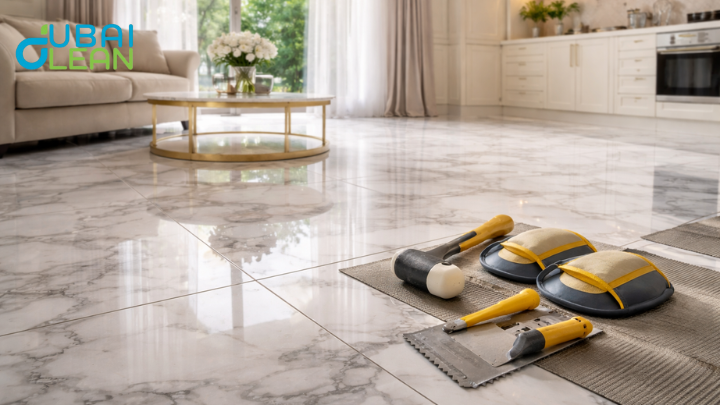



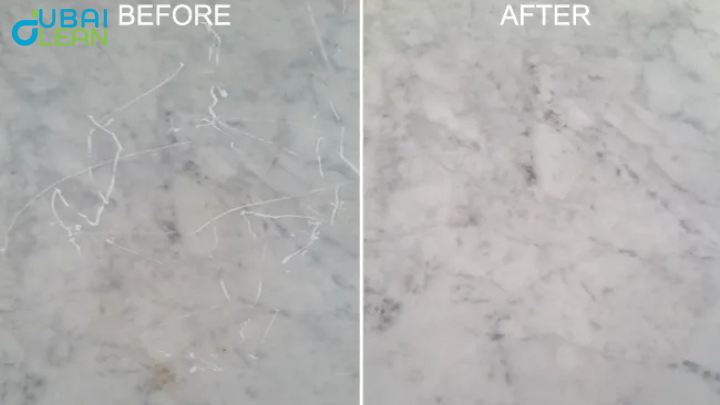
Marble floors add luxury and sophistication to homes and offices, elevating any space with their timeless appeal. Despite their durability, marble is prone to scratches and scuffs from foot traffic, furniture, or daily use, which can mar its flawless appearance. The good news is that with expert-backed methods, scratches can be safely repaired to restore the polished, gleaming finish marble is known for. This guide covers proven techniques from simple DIY solutions to professional restoration while answering common questions like, “Is it possible to remove scratches from marble?” We also provide tips to prevent future damage, helping Dubai property owners maintain pristine, long-lasting marble floors.
1. Understanding Marble Scratches
Marble is renowned for its elegance and durability, yet it can still fall victim to scratches. Gaining an understanding of what causes marble to scratch, as well as the types of scratches it can endure, is key to knowing how to address and prevent them effectively.
Why Does Marble Scratch So Easily?
Although marble is a hard stone, it is softer and more porous compared to other materials like granite. Its smooth, glossy surface is prone to damage from abrasive substances, heavy objects, and even sharp edges. The stone’s porous nature means that it can trap dust, dirt, and grit, which can scratch the surface when moved across it. This combination of marble’s delicate composition and exposure to everyday wear makes it especially vulnerable to scratching, particularly in areas with heavy foot traffic.
Types of Scratches Surface vs Deep
Scratches on marble vary in severity. They generally fall into two categories: surface scratches and deep scratches. Surface scratches affect only the top layer and can often be polished out with proper care, while deep scratches penetrate the stone and may require professional restoration. Understanding the type of scratch is essential to choosing the safest and most effective repair method, preserving both the beauty and value of your marble floors.
| Scratch Type | Description | Repair Approach / Tips |
|---|---|---|
| Surface Scratches | Minor abrasions affecting only the marble’s outer layer, often caused by dirt or grit under shoes or furniture. | Usually light and can be removed with DIY methods like buffing or polishing. |
| Deep Scratches | Extend beyond the surface layer, often caused by dragging heavy objects or severe impacts. | Require professional polishing or filling with specialized resin for safe and effective repair. |
| Why It Matters | Recognizing the type of scratch helps determine the best repair approach. | Proper identification ensures preservation of marble’s beauty and value, whether it’s a surface mark or a deeper flaw. |
2. DIY Methods for buff out Minor marble scratches
If your marble floors only have light surface scratches, you can often repair them yourself using a few straightforward methods. These DIY solutions are affordable and can help bring back the shine of your marble without needing professional help. Here’s how you can tackle minor scratches on your marble floors:
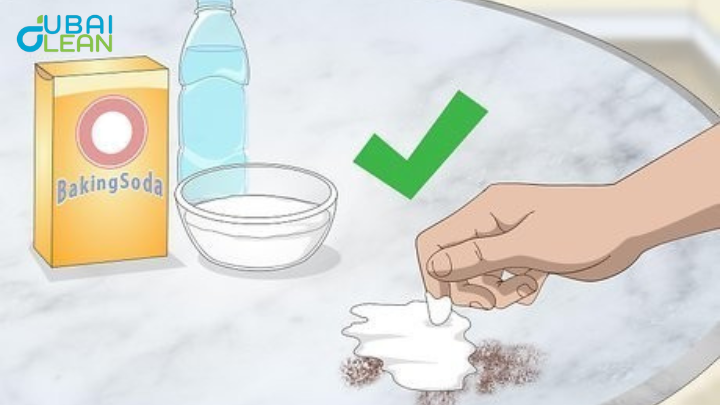
Clean the Area First Before you begin repairing any scratches, it’s important to clean the affected area thoroughly to remove any dirt, dust, or debris that could worsen the damage. Use a soft microfiber cloth along with a gentle marble cleaner or a mix of water and mild dish soap. Avoid harsh chemicals or abrasive cleaners, as they can harm the marble’s surface.
Buff the Scratches Out Buffing is one of the best DIY methods for light scratches. Take a soft cloth or microfiber towel and gently buff the scratched area. If the scratch is shallow, this might be enough to smooth it out and restore the marble’s shine.
Try Baking Soda Paste Baking soda is a gentle abrasive that can help eliminate minor scratches without damaging your marble. Mix a small amount of baking soda with water to create a paste. Apply the paste to the scratched area and gently rub it with a soft cloth in a circular motion. The paste will help smooth the surface and remove the scratch. Afterwards, wipe the area with a damp cloth and dry it properly.
By following these simple DIY methods, you can effectively repair minor scratches on your marble floors and keep them looking shiny and new. Remember, these techniques are best for surface scratches, and any significant damage may require professional attention.
3. Professional Solutions for Deep Scratches
While minor scratches on marble floors can often be handled with DIY methods, deeper scratches require more advanced techniques. These scratches go beyond the surface and may not be fully removed with basic home treatments. In these cases, professional restoration services offer the most effective solutions. Here are some professional methods for repairing deep marble scratches:
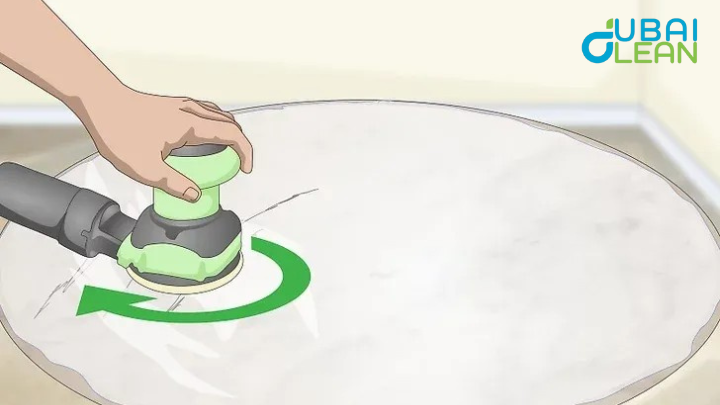
Professional :Marble polishing is a powerful technique for restoring the natural shine and smoothness of marble, particularly when dealing with deep scratches. Professionals use specialised equipment and techniques to smooth the surface of the marble, which can reduce or eliminate deep scratches. This process typically involves grinding away the damaged layer, followed by polishing with finer compounds to restore the glossy finish. Experienced technicians will assess the severity of the scratches and choose the best polishing method for optimal results. This approach is ideal for stubborn, deep scratches that DIY methods can’t fix. Read more about the 4 DIY methods to polish marbles.
Marble Restoration and Refinishing: can bring your marble floors back to their original condition. This process involves removing the top layers of the marble to eliminate deep scratches, chips, and stains. Restoration is particularly helpful if the floor has multiple scratches or an uneven surface. Professionals use advanced techniques such as diamond honing or resurfacing to smooth the marble and create a uniform, flawless appearance. The refinishing process may also include applying a protective sealant to preserve the floor and prevent future damage.
Filling Deep Scratches with Resin: when a scratch penetrates deeply into the marble, it may need to be filled with a specialised resin. This method repairs larger, more visible scratches that go beyond the surface. The resin is carefully applied to the damaged area, filling the scratch and bonding with the marble to create a smooth, seamless surface. Once the resin sets, the area is polished to blend with the surrounding marble, restoring the floor’s consistent look. This technique is ideal for deep scratches or chips that can’t be buffed out and ensures a long-lasting repair.
Conclusion
Marble floors are a timeless investment, adding elegance and luxury to any home or office, but they require proper care to stay flawless. Minor surface scratches can be treated with DIY methods like buffing, baking soda paste, or marble scratch removers, while deeper imperfections often need professional polishing by dubaiclean, resin filling, or grinding. Prevention is key using floor mats, furniture pads, sealing marble, avoiding harsh chemicals, and lifting heavy objects can minimize damage. Regular cleaning and mindful practices, such as trimming pet nails, further protect your marble surfaces. By addressing scratches promptly and following expert-backed care tips, your marble floors can maintain their shine and beauty for years, enhancing both the aesthetic and value of your space.