


Introduction
Mosquitoes aren’t just annoying—they carry serious diseases like dengue, malaria, and the West Nile virus. In Dubai, the hot weather and stagnant water make it easy for these pests to breed. This is why controlling mosquitoes is a must for both homeowners and businesses. While sprays and repellents can give temporary relief, getting rid of mosquitoes permanently needs a more thorough approach. This means targeting their breeding areas and interrupting their life cycle.
In this guide, I’ll share expert strategies on how to get rid of mosquitoes permanently. From using natural repellents and managing your environment to advanced mosquito control chemicals and professional extermination services, we’ll look at the most effective way to control mosquitoes and keep them away for good.
Understanding Mosquito Behaviour
To get rid of mosquitoes, it’s important to know how they behave, where they breed, and how their life cycle works. In the warm climate, mosquitoes thrive, especially since even a small amount of stagnant water is enough for them to breed.
Common Mosquito Species in Dubai
Dubai is home to several types of mosquitoes, but the most troublesome ones are:
- Aedes Aegypti – These mosquitoes are known for spreading diseases like dengue, Zika, and chikungunya. They bite aggressively during the day.
- Anopheles Mosquitoes – The main carriers of malaria, these mosquitoes are most active at night and in the evening.
- Culex Mosquitoes – These mosquitoes transmit the West Nile virus. They prefer breeding in polluted water sources.
Mosquito Life Cycle and Breeding Habits
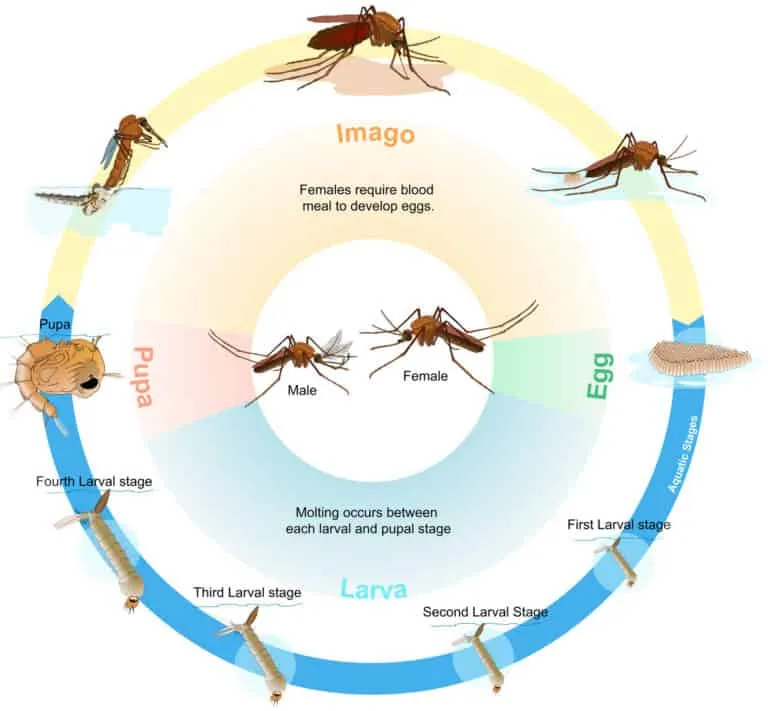
Mosquitoes go through four life stages: egg, larva, pupa, and adult. In the warm climate, they can complete their life cycle in just 7 to 10 days.
- Egg Stage – Female mosquitoes lay their eggs in stagnant water, and they hatch within 24 to 48 hours.
- Larval Stage – The larvae, or “wrigglers,” live in water and feed on organic matter for several days.
- Pupal Stage – The pupae turn into adults within 2-3 days and emerge as fully grown mosquitoes.
- Adult Stage – Adult mosquitoes search for blood to feed on and reproduce, continuing the cycle.
Where Do Mosquitoes Breed?
Mosquitoes breed in places like:
- Stagnant water in plant pots, drains, and construction sites
- Unclean swimming pools and fountains
- Water storage tanks with poor seals
- Trash and debris that collect rainwater
Understanding mosquito behaviour can help us break their breeding cycle and prevent infestations. The next sections will show you the most effective way to control mosquitoes and keep them away for good.
Preventive Measures
The secret to permanently getting rid of mosquitoes is to stop them from breeding in the first place. Since mosquitoes lay their eggs in stagnant water and love warm environments, the best approach is to eliminate breeding grounds and make the surroundings less inviting for them.
Eliminate Standing Water
Mosquitoes need water to reproduce, so removing potential breeding spots is key. Regularly check and empty:
- Plant saucers, birdbaths, and pet water bowls
- Clogged gutters and drains
- Open water storage containers and tanks
- Unused tyres, buckets, and any items that collect rainwater
Maintain a Clean and Dry Surrounding
A tidy environment discourages mosquitoes from settling in. Keep your space clean by:
- Regularly mowing the grass and trimming overgrown bushes
- Properly disposing of waste to prevent water buildup
- Ensuring outdoor drains and sewage lines stay clear
Use Window Screens and Mosquito Nets
Physical barriers like screens and nets are simple yet effective in keeping mosquitoes out. Install:
- Window and door screens with fine mesh to block entry
- Mosquito nets over beds for extra protection at night
- Self-closing doors to limit indoor access
Install Outdoor Fans and Proper Ventilation
Mosquitoes are weak fliers, and a strong breeze can keep them away. Use:
- Ceiling fans and standing fans in outdoor areas
- Good ventilation in enclosed spaces to reduce humidity levels
Use Natural Mosquito Repellents
There are several natural ways to repel mosquitoes, including:
- Planting mosquito-repellent plants like citronella, lavender, and basil around the house
- Using essential oils like eucalyptus, tea tree, and peppermint
- Burning mosquito-repellent incense or candles for extra protection
Regularly Treat Water Sources with Larvicides
For water sources you can’t remove, such as ponds and fountains, applying mosquito larvicides can stop larvae from maturing. Some effective larvicides include:
- Bacillus thuringiensis israelensis (BTI) – A natural bacteria that kills larvae but is safe for humans and pets
- Methoprene – A growth regulator that prevents larvae from becoming adults
Following these preventive measures can greatly reduce the mosquito population and ensure a mosquito-free environment. However, if you have a severe infestation, professional pest control may be needed to fully eliminate the mosquitoes.
Natural Mosquito Repellents and Solutions
If you want to get rid of mosquitoes without using harsh chemicals, natural repellents and eco-friendly solutions are a great option. These methods are safe for your family, pets, and the environment while still being effective at keeping mosquitoes away.
Mosquito-Repelling Plants
Some plants naturally produce scents that mosquitoes dislike. Planting them around your home can act as a natural barrier. Some of the best mosquito-repellent plants include:
- Citronella – A famous mosquito repellent found in candles and sprays
- Lavender – Its strong floral scent repels mosquitoes and smells pleasant
- Basil – Great for cooking and also helps keep mosquitoes away
- Peppermint – A strong repellent that mosquitoes can’t stand
- Marigolds – Contain pyrethrum, a natural compound used in mosquito repellents
Essential Oils for Mosquito Control
Essential oils, which are extracted from plants, can be used as natural mosquito repellents. You can use them in diffusers, and sprays, or apply them to your skin (when diluted). Effective oils include:
- Eucalyptus Oil – Known for its strong scent that confuses and repels mosquitoes
- Tea Tree Oil – Contains natural insecticidal properties
- Lemongrass Oil – Its citrusy scent drives mosquitoes away
- Neem Oil – A natural insecticide with both repelling and larvicidal effects
- Cedarwood Oil – Interferes with mosquito pheromones, making it hard for them to find you
👉 How to Use: Mix 10-15 drops of essential oil with water or a carrier oil (like coconut or olive oil) and apply to exposed skin, or use in a spray bottle around your home.
DIY Mosquito Repellent Sprays
Making your mosquito spray is easy and effective. Here are two simple recipes:
- Vinegar and Essential Oil Spray
- 1 cup apple cider vinegar
- 10 drops citronella oil
- 10 drops eucalyptus oil
Mix in a spray bottle and apply around windows, doors, and outdoor areas.
- Garlic and Lemon Spray
- 3-5 crushed garlic cloves
- Juice of 1 lemon
- 2 cups water
Let it sit overnight, strain, and spray around mosquito-prone areas.
Mosquito Traps and Natural Barriers
- DIY Sugar & Yeast Trap – Mix 1 cup warm water, ¼ cup brown sugar, and 1 teaspoon yeast in a plastic bottle. Cut the bottle in half, invert the top, and place it in mosquito-infested areas. The mosquitoes are attracted to the CO₂ and will get trapped.
- Mosquito Netting – Use nets on windows, doors, and over beds to create a physical barrier.
Natural Mosquito Larvicides
For standing water you can’t remove, like ponds or fountains, natural larvicides can stop mosquitoes from breeding:
- Bacillus thuringiensis israelensis (BTI) – A natural bacterium that kills mosquito larvae but is safe for humans, pets, and wildlife.
- Coffee Grounds – Sprinkling coffee grounds over standing water prevents mosquito eggs from hatching.
Using these natural solutions can reduce the mosquito population without relying on chemicals. For serious infestations, combining natural methods with professional services can provide lasting relief.
Professional Pest Control Services in Dubai
While DIY methods and natural repellents can help reduce mosquito populations, they may not always be enough to eliminate a severe infestation. In these cases, professionals provide the most effective and long-lasting solutions for mosquito eradication.
Comprehensive Mosquito Inspection
Professional pest control companies begin with a thorough inspection of your property to:
- Identify mosquito breeding grounds, such as stagnant water sources and hidden areas
- Assess the level of infestation and determine high-risk zones
- Recommend the most appropriate treatment plan based on your environment
Advanced Mosquito Control Chemicals and Treatments
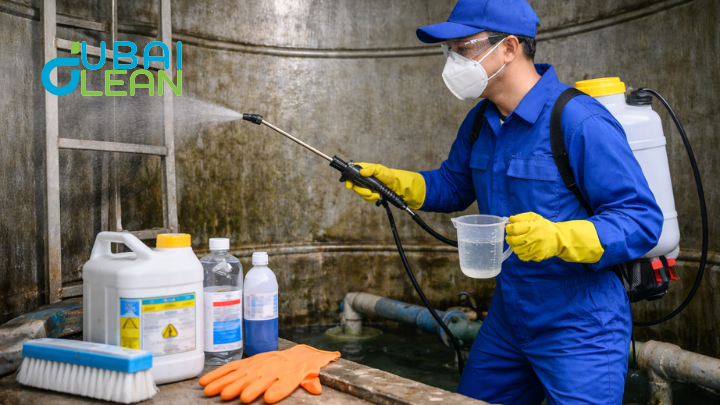
Experts use safe, approved mosquito control chemicals to eliminate mosquitoes at all stages of life. Common treatments include:
- Residual Spraying – Insecticides are applied to walls, ceilings, and outdoor areas to repel and kill adult mosquitoes.
- Thermal Fogging – A highly effective technique where insecticide fog is dispersed in outdoor spaces to eliminate mosquitoes in the air.
- Larvicidal Treatment – Larvicides like Bacillus thuringiensis israelensis (BTI) and methoprene are used in standing water to prevent larvae from maturing.
- ULV (Ultra-Low Volume) Misting – Fine mist treatment targets both adult mosquitoes and larvae, ensuring long-term control.
Eco-Friendly Mosquito Control Solutions
For those who prefer chemical-free alternatives, many companies offer eco-friendly solutions, such as:
- Biological Control – Introducing natural mosquito predators like fish into water bodies.
- Essential Oil-Based Treatments – Using plant-derived insecticides that are safe for humans and pets.
- Mosquito Traps and Barrier Control – Installing UV light traps and mosquito netting to create physical protection.
Regular Mosquito Control Maintenance
Mosquito control is an ongoing process. Many companies offer:
- Monthly or Seasonal Mosquito Treatment Plans – Ensure long-term protection against mosquito infestations.
- Follow-Up Inspections and Reapplications – Monitor effectiveness and address any new issues.
- Preventive Recommendations – Help homeowners and businesses keep mosquitoes away year-round.
Choosing the Best Pest Control Company
When selecting a service, ensure they:
✔️ Are licensed by Dubai Municipality for pest control operations
✔️ Use approved, non-toxic chemicals safe for children and pets
✔️ Employ experienced professionals trained in effective mosquito extermination
✔️ Offer customised solutions tailored to your property’s specific needs
Get Professional Mosquito Control Today!
If you are dealing with a mosquito infestation, professionals offer the safest and most effective way to eliminate mosquitoes permanently. By combining expert treatments with preventive measures, you can ensure a mosquito-free home or business throughout the year.
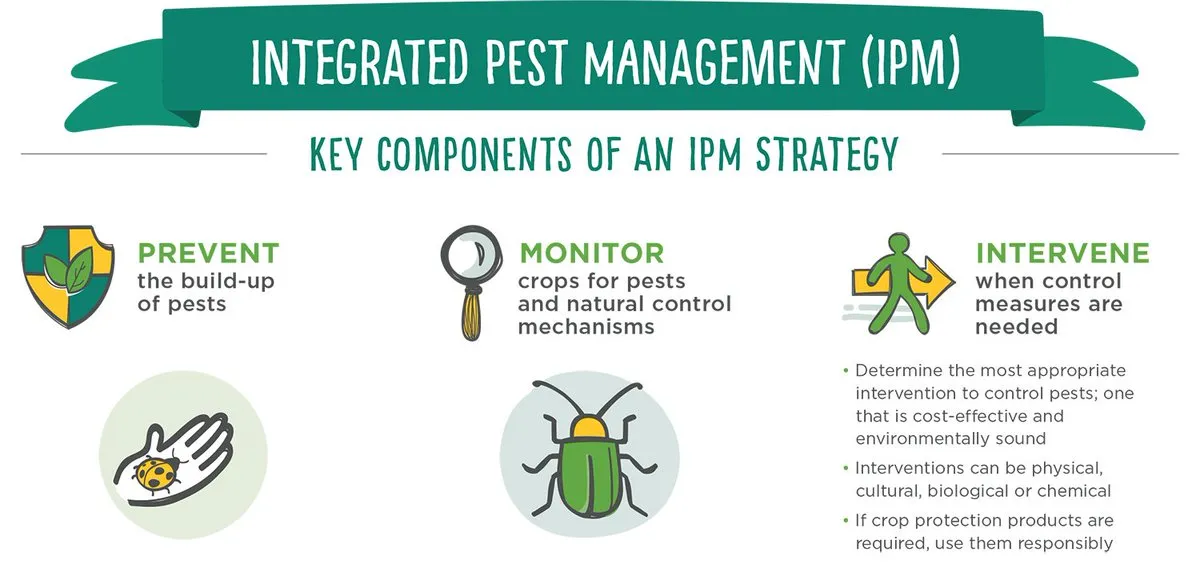
Integrated Pest Management (IPM) Approach
Integrated Pest Management (IPM) is a comprehensive and sustainable mosquito control strategy that combines multiple techniques to reduce mosquito populations while minimising the use of chemical treatments. This approach is used by professionals to ensure long-term mosquito management with minimal environmental impact.
Identifying and Monitoring Mosquito Activity
The first step in IPM is to assess and monitor mosquito activity through:
- Inspection of Breeding Sites – Regularly check for standing water in gardens, drains, and containers where mosquitoes can breed.
- Tracking Mosquito Populations – Using traps and surveys to determine the levels of mosquito activity and infestation.
- Analyzing Mosquito Species – Identifying specific mosquito species to apply targeted treatments, as different species may require different control methods.
Eliminating Breeding Grounds (Habitat Control)
Since mosquitoes lay their eggs in stagnant water, IPM focuses on reducing breeding grounds by:
- Draining or covering standing water in plant trays, buckets, and open containers.
- Cleaning and maintaining drainage systems to prevent water accumulation.
- Introducing larvicides, such as Bacillus thuringiensis israelensis (BTI), in ponds and water storage tanks to kill mosquito larvae before they mature.
Biological Mosquito Control
IPM promotes eco-friendly biological control methods, such as:
- Using Natural Predators – Introducing fish (like guppies) into water bodies to feed on mosquito larvae.
- Deploying Microbial Larvicides – Applying bacteria-based treatments that kill mosquito larvae without harming humans, pets, or wildlife.
Non-Chemical Mosquito Prevention Measures
To reduce mosquito attraction and prevent them from settling in, IPM includes:
- Installing mosquito screens and nets on windows and doors to block entry.
- Using outdoor fans to create air circulation that mosquitoes struggle to withstand.
- Planting natural repellents like citronella, basil, and lavender to act as a barrier against mosquitoes.
Targeted Use of Chemical Treatments
While IPM minimises chemical reliance, there may be situations where pesticide use is necessary for severe infestations. In these cases, Dubai Municipality-approved insecticides are applied strategically:
- Residual Spraying – Treating high-risk areas with safe, long-lasting insecticides that help repel and kill mosquitoes.
- Thermal Fogging – Dispersing controlled insecticide fog to eliminate adult mosquitoes in outdoor spaces.
- ULV Misting – A fine mist application that targets mosquitoes while minimising human exposure to the chemicals.
Regular Monitoring and Preventive Measures
IPM is an ongoing process that ensures continued protection from mosquitoes. It includes:
- Routine property inspections to identify and address new mosquito risks.
- Adjusting strategies based on seasonal changes and mosquito population levels.
- Educating residents and businesses on how to maintain a mosquito-free environment through simple, preventive practices.
Why Choose the IPM Approach?
✔️ Environmentally Friendly – Reduces chemical use and promotes sustainable, eco-friendly methods.
✔️ Long-Term Effectiveness – Focuses on prevention and long-term solutions rather than temporary fixes.
✔️ Safe for Families and Pets – Uses natural and non-toxic control methods that are safe for children and pets.
✔️ Cost-Efficient – Helps prevent recurring infestations, saving money on repeated treatments.
By implementing the IPM approach, property owners can enjoy a long-lasting, mosquito-free environment with minimal impact on health and nature. Professional companies specialising in IPM offer tailored mosquito management solutions to suit your needs.
Conclusion
Getting rid of mosquitoes permanently requires a comprehensive approach that combines preventive measures, natural repellents, and professional pest control services. You can significantly reduce mosquito populations in your home or business by understanding mosquito behaviour, eliminating breeding grounds, and using effective mosquito control chemicals.
For long-term protection, adopting an Integrated Pest Management (IPM) approach ensures sustainable mosquito control while minimising environmental impact. While DIY solutions can help, professionals offer the most reliable and effective treatments to eliminate mosquitoes permanently.
Don’t let mosquitoes disrupt your comfort—take proactive steps today and enjoy a mosquito-free environment all year round! If you’re facing a severe infestation, consult with a licensed expert for customised solutions that guarantee lasting results.