


Introduction
Carpenter ants are a pesky problem that can seriously damage wooden structures if you don’t act fast. Unlike termites, they don’t eat wood; instead, they carve it out to build their nests, slowly weakening your home. In Dubai’s hot and humid climate, these ants thrive, making it even more important for homeowners to spot the signs early and deal with the issue quickly.
If you’ve seen sawdust-like bits, heard strange noises in your walls, or spotted big black ants around your property, you might have carpenter ants. But don’t stress—getting rid of them is possible. In this guide, I’ll show you how to spot them, tell them apart from black ants, and share the best ways to get rid of them and stop them from coming back.
Section 1: Understanding Carpenter Ants
They are one of the most harmful pests to have around your home, especially if you’ve got wooden structures. Unlike termites, they don’t eat the wood; instead, they tunnel through it to make nests, which can lead to serious damage over time. To deal with them, it’s important to understand their behaviour, how they differ from other common ants, and what draws them to your home.
Identification: What Do Carpenter Ants Look Like?
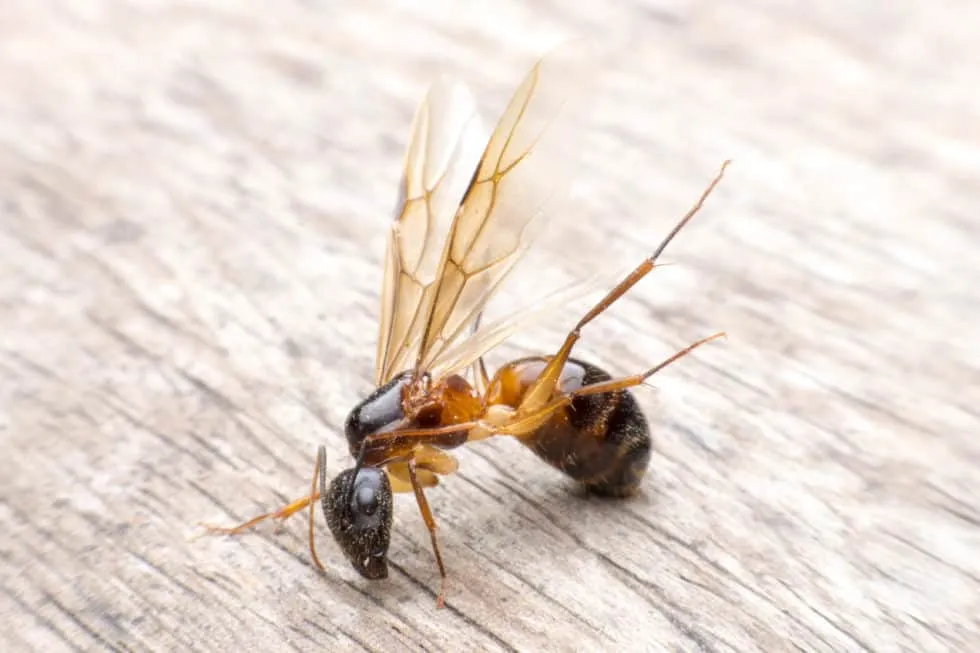
They are bigger than most ants you’ll find at home, usually ranging from 6 to 12 mm in size. Here’s how to identify them:
- Colour: Usually black, but some may have reddish or yellowish shades.
- Body Structure: They have three body parts with a narrow waist.
- Wings (Reproductive Ants Only): Winged carpenter ants, also known as swarmers, appear during mating season and are often confused with termites.
- Mandibles (Jaws): Their strong jaws are built for tunnelling through wood.
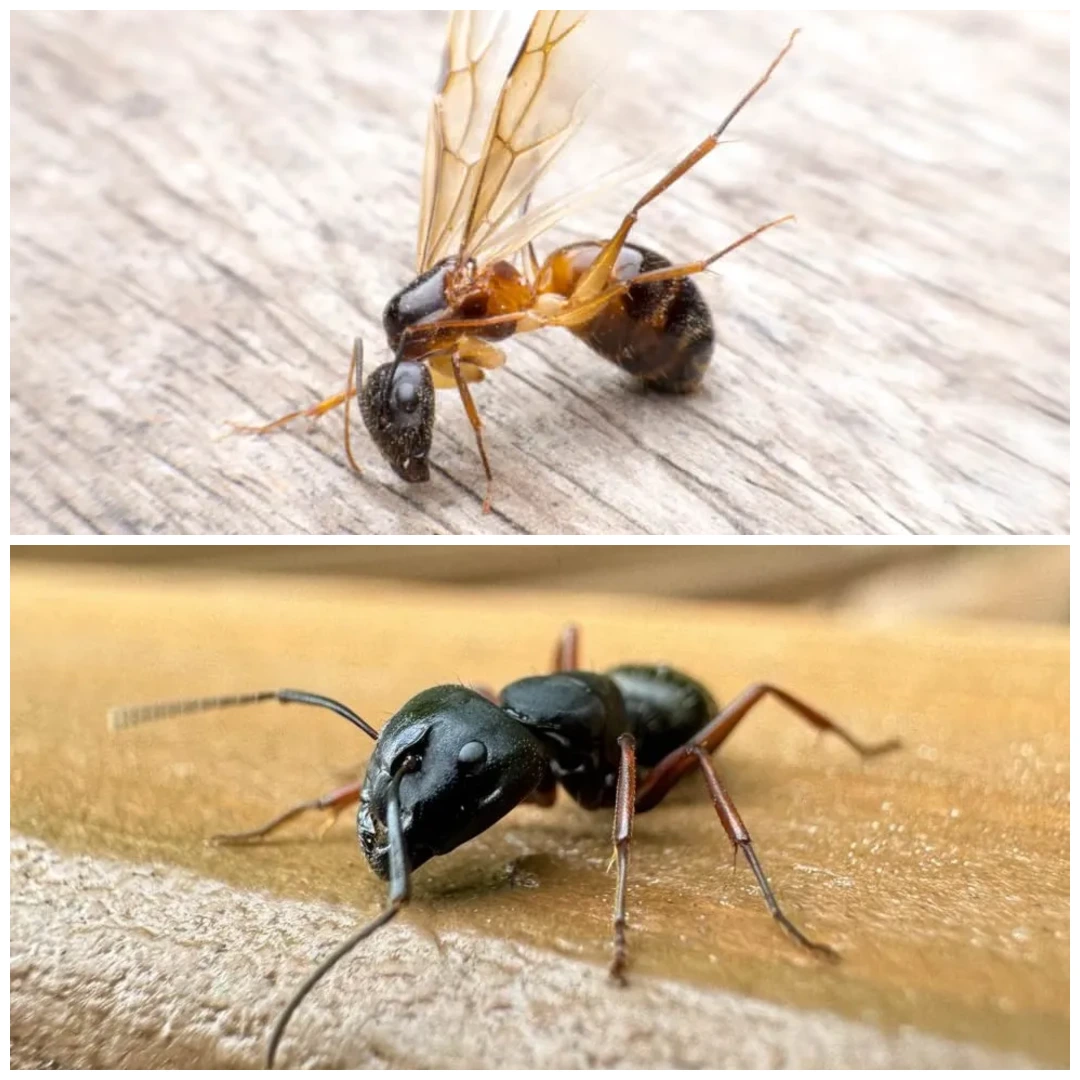
Carpenter Ants vs. Black Ants: Key Differences
It’s easy to mix up carpenter ants with black ants, but there are some important differences:
| Feature | Carpenter Ants | Black Ants |
| Size | Larger (6-12mm) | Smaller (2-5mm) |
| Nesting | Tunnels into wood | Nests in soil or small crevices |
| Diet | Likes sugary and protein-rich foods | Prefers sugary foods |
| Damage to Property | Can cause structural damage | Does not harm structures |
If you see large black ants, especially near wooden furniture or walls, they are probably carpenter ants, not just regular black ants.
Why Are Carpenter Ants Attracted to Homes?
They are on the lookout for food, moisture, and shelter. Here are a few reasons they might invade your Dubai home:
- Damp or decaying wood: Leaky roofs, damaged wooden furniture, or rotting window sills make great nesting spots.
- Food sources: They love sugary foods, proteins, and grease.
- Water leaks and humidity: Dubai’s climate is perfect for moisture buildup, making homes more appealing to carpenter ants.
- Unsealed entry points: Cracks in walls, doors, and windows give them easy access.
By knowing what attracts carpenter ants, you can take action to stop them from coming into your home. In the next section, we’ll look at how to spot the signs of an infestation, so you can catch the problem early.
Section 2: Signs of Carpenter Ants in Your House
Catching a carpenter ant’s problem early can save you from costly repairs and serious damage. Unlike termites, they don’t eat wood, but they tunnel through it to make nests, which weakens the structure over time. Knowing the warning signs is essential for quick action. Here are the main indicators to watch out for:
- Sawdust-Like Debris (Frass): One of the easiest ways to spot them is by noticing frass—tiny, sawdust-like bits around wooden structures. As these ants dig into wood, they push out debris, which includes wood shavings, bits of insect bodies, and waste. If you find small piles of frass near furniture, baseboards, or windowsills, you’ve likely got an infestation.
- Rustling Sounds Inside Walls: If you hear faint rustling or tapping noises coming from inside your walls, ceilings, or wooden beams, it could be carpenter ants moving through their tunnels. These sounds are most noticeable at night when the ants are most active.
- Large Black Ants Crawling Around: Seeing large black ants, especially in kitchens, bathrooms, or near wooden furniture, is another clear sign. They are bigger than regular black ants and usually move in a more organised way. If you spot winged carpenter ants indoors, it likely means there’s a mature colony nearby.
- Hollow or Damaged Wood: They hollow out wood to make nests, which can leave it weak. If you tap on a wooden surface and hear a hollow sound, it could be a sign of tunnelling. In more serious cases, you might notice cracked or warped wood due to the damage inside.
- Winged Ants (Swarmers) Near Windows and Doors: When it’s mating season, they (also known as swarmers) leave their nests in search of new places to settle. If you see winged ants near windows, doors, or light sources, it’s a sign of an active infestation. Unlike termites, they have unequal wings, with the front pair being bigger than the back.
- Discarded Wings: Once the swarmers have mated, they shed their wings. If you find discarded wings on the floor, windowsills, or near entry points, it means the ants have already established a colony inside your home.
- Increased Ant Activity at Night: They are most active at night when they leave their nests to find food. If you spot trails of ants in your kitchen, pantry, or near garbage bins in the evening, it’s another sign that a colony is nearby.
What to Do If You Notice These Signs?
If you spot any of these signs in your home, it’s time to act fast to prevent further damage. In the next section, I’ll share expert tips on how to get rid of carpenter ants once and for all.
Section 3: How to Get Rid of Carpenter Ants
Getting rid of them requires a mix of tracking down their nests, applying the right treatments, and making your home less inviting to them. Since these ants can cause serious damage to your home over time, acting fast is key. Here are expert-approved solutions to tackle carpenter ants in your home.
- Locate the Carpenter Ant Nest – The first step in getting rid is finding where they’re nesting. Here’s how you can track them down:
- Follow the ants – Watch their movement, especially at night when they’re busiest. This will help you trace them back to their nest.
- Look for sawdust piles – They push out frass, or sawdust, from their tunnels. Finding these piles can guide you to their nest.
- Tap on wooden structures – If you hear a hollow sound or rustling noise, it’s a sign there might be a nest inside.
- Use Ant Baits for Effective Control– Rather than spraying ants, which only kills those you see, use ant baits to target the whole colony.
- Place sweet or protein-based bait near where you’ve seen the ants.
- The worker ants will carry the bait back to the nest, poisoning the entire colony over time.
- Gel or liquid baits are the most effective as they mimic the ants’ natural food sources.
- Apply Insecticidal Dust or Sprays – For more direct treatment, insecticidal dust or sprays can be effective:
- Diatomaceous Earth (DE) – A natural, non-toxic powder that dehydrates and kills ants on contact.
- Boric Acid – A slow-acting poison that disrupts the ants’ digestive system.
- Residual insecticides – Sprays containing pyrethroids or fipronil can be applied inside wall voids or nest openings.
- Remove Moisture Sources– They love damp, decaying wood, so reducing moisture in your home can make it less inviting to them.
- Fix leaky pipes, roofs, and faucets to eliminate excess moisture.
- Use dehumidifiers and improve ventilation in areas like bathrooms and kitchens.
- Seal cracks and crevices where water might accumulate.
- Seal Entry Points– Prevent new carpenter ant invasions by sealing any entry points:
- Use silicone caulk to fill gaps around doors, windows, and walls.
- Trim trees and shrubs touching your home, as they provide easy access.
- Keep firewood and wooden debris away from your house.
- Use Natural Repellents– If you prefer eco-friendly methods, try natural repellents:
- Vinegar and Water Spray – Mix equal parts vinegar and water, then spray around ant trails and nest openings.
- Cinnamon and Peppermint Oil – These scents can repel carpenter ants. Apply around baseboards and windows.
- Citrus Peels – The acidity of citrus can deter ants. Place peels near entry points.
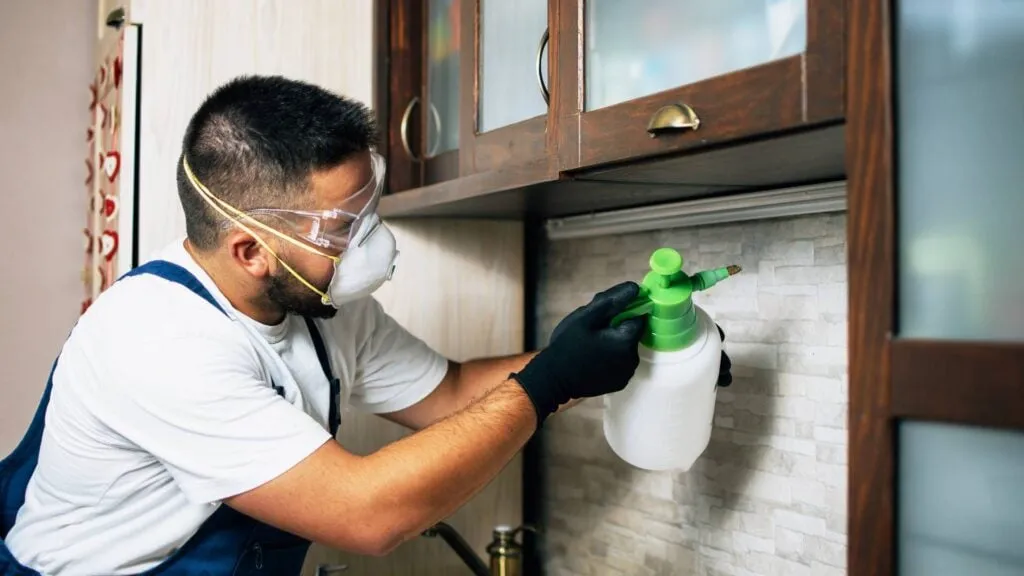
- Call Professional Pest Control Services– If the infestation is serious or DIY methods aren’t working, call the professionals. Expert pest control services can eliminate carpenter ants using advanced treatments such as fumigation, baiting systems, and chemical barriers.
Prevent Future Infestations
Once you’ve gotten rid of them, take steps to prevent them from returning:
- Schedule regular pest inspections to catch problems early.
- Keep food sealed and dispose of garbage properly to avoid attracting ants.
- Check wooden structures regularly for early signs of damage.
By following these expert tips, you can eliminate carpenter ants and stop them from coming back. In the next section, we’ll discuss when it’s time to call a professional pest control service for long-term protection.
Section 4: Preventing Future Infestations
Once they have been successfully eliminated from your home, it’s crucial to take preventive steps to ensure they don’t return. These pests are attracted to humid environments and wooden structures, so long-term prevention revolves around eliminating food sources, sealing entry points, and maintaining a dry, well-protected home. Here’s how to keep them from invading your Dubai home again:
Eliminate Moisture and Fix Wood Damage
They are drawn to damp and decaying wood, so reducing moisture is key to preventing their return:
- Fix leaks: Inspect and repair any leaky pipes, roofs, or faucets to reduce excess moisture.
- Improve ventilation: Use dehumidifiers in damp areas like bathrooms, basements, or kitchens to control humidity levels.
- Replace damaged wood: Remove and replace any rotting or water-damaged wooden structures that might serve as potential nesting sites.
Seal All Possible Entry Points
Blocking access to your home is one of the most effective ways to prevent them from entering:
- Seal cracks and crevices: Use silicone caulk to fill gaps around doors, windows, and walls.
- Install weather stripping: Add weather stripping to doors and windows to seal any gaps.
- Trim overhanging tree branches: Ensure that tree branches or shrubs that touch your house are trimmed, as these can act as bridges for ants to enter your home.
Store Firewood and Wooden Materials Properly
They often nest in decaying wood outside before making their way indoors. To prevent them from getting too close to your home:
- Keep firewood, logs, and wooden debris at least 3-4 meters away from your house.
- Store wood on elevated racks to keep it off the ground and away from ants.
- Regularly inspect outdoor wooden structures like fences, decks, and sheds for signs of ant activity.
Maintain a Clean and Pest-Free Environment
A clean home with minimal food sources is less inviting to carpenter ants:
- Store food in airtight containers and clean up any crumbs or spills immediately.
- Take out garbage regularly and ensure trash bins are tightly sealed.
- Clean countertops and floors daily, especially in high-traffic areas like the kitchen and dining rooms.
Use Natural Repellents to Keep Ants Away
Certain natural remedies can help deter carpenter ants from entering your home:
- Vinegar solution: Wipe down surfaces with a 50/50 mixture of vinegar and water to repel ants.
- Cinnamon and peppermint oil: Apply these strong-smelling natural repellents around windows, doors, and baseboards to discourage ants.
- Diatomaceous earth: Sprinkle this natural powder around potential entry points to kill any ants that may invade.
Schedule Regular Pest Inspections
Even if no signs of infestation are visible, it’s a good idea to schedule annual pest inspections:
- Hire professional pest control services to inspect your home and apply preventive treatments.
- If you live in a high-risk area or have had past infestations, consider routine pest control maintenance to keep your home protected year-round.
Final Thoughts
Preventing carpenter ants from returning involves consistent maintenance and vigilance. By addressing moisture issues, sealing entry points, and keeping your home clean, you can protect your property from future infestations. However, if you suspect a hidden colony or notice frequent ant activity, it’s best to consult a professional pest control service in Dubai for long-term protection.
Conclusion
Carpenter ants can cause significant structural damage to your home if left unchecked, weakening wooden elements and compromising the integrity of your property. Early detection is key, and recognising signs such as sawdust piles, rustling noises, and visible ant trails can help you act quickly. By implementing effective DIY solutions—such as using ant baits, insecticidal treatments, and controlling moisture—you can eliminate existing infestations and prevent further damage.
However, long-term success in keeping carpenter ants at bay relies on consistent preventive measures, including sealing entry points, removing damp wood, and maintaining a clean, dry environment.
If the infestation persists or becomes severe, professional pest control services in Dubai can provide specialized solutions to eliminate carpenter ants once and for all. Taking these proactive steps now will not only safeguard your home but also prevent future infestations, ensuring your living space remains pest-free and well-maintained.