


How to Ensure Proper Drainage in AC Maintenance: Expert Tips for Efficient Performance

AC Maintenance & Indoor Air Quality | Dubai Clean

Keeping your AC in top shape isn’t just about cooling it’s also about getting rid of the water it collects. Proper drainage in AC maintenance in Dubai helps prevent water leaks, mold, and even system breakdowns. If your unit isn’t draining well, it could lead to bigger and more expensive problems at home. In this guide you’ll find simple and practical tips to spot drainage issues early. Fix them fast, and keep your air conditioner running smoothly without surprises or stress.

Why Proper Drainage in AC Maintenance Matters

Common Problems Caused by Poor Drainage

When an air conditioner cannot drain water properly, it can cause more trouble than most people realize. Water can start leaking around the unit if the drain line gets blocked, leading to stains on your walls, soaked floors, and even damage to nearby furniture. Over time, the constant moisture can cause rust inside the system and weaken parts that are supposed to last for years. In some cases, mold and mildew may begin to grow in the damp areas, creating unpleasant smells and potential health concerns, especially for people with allergies or breathing issues. Fixing AC water leaks early helps avoid all these problems.

How Drainage Affects AC Efficiency and Longevity

Poor drainage does not just create messes. It can quietly reduce your air conditioner’s performance. When water cannot flow out properly, the system needs to work harder to cool your space. This puts stress on the components, increases electricity usage, and may even cause the AC to shut off on its own. By making sure your unit drains well, you can help it run more smoothly, use less power, and last much longer without needing major repairs. Simply put, proper drainage in AC maintenance service in Dubai is one of the easiest ways to protect your comfort and your wallet.
proper drainage in ac maintenance
Proper Drainage in AC Maintenance

Key Components of the AC Drainage System

What Is a Condensate Drain Line?

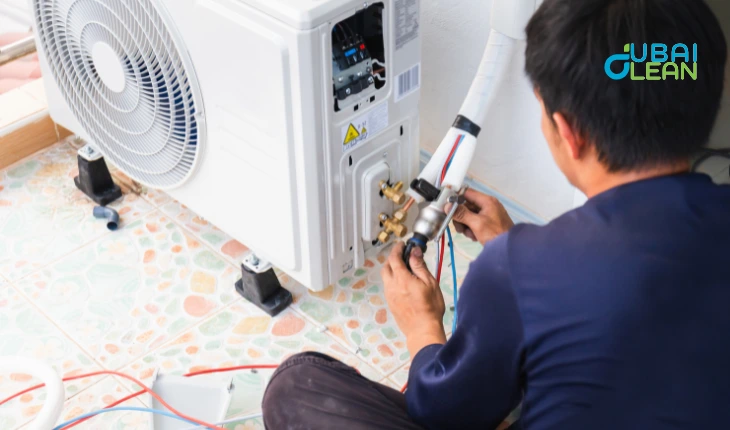
The condensate drain line is a simple but important part of your AC system in Dubai. It carries the extra moisture your air conditioner pulls from the air and sends it safely outside your home. Over time, this pipe can get blocked by dust, dirt, or even mold. When that happens, the water has nowhere to go and may start leaking. Cleaning the drain line regularly is one of the easiest ways to avoid these problems and keep things running smoothly.

Role of the Drain Pan and Condensate Pump

Just below the cooling coil is a shallow tray called the drain pan. Its job is to catch the moisture before it flows out through the drain line. If this pan gets cracked or tilted, water can spill out and cause damage around the unit. In some air conditioners, especially those installed in tight spaces, a small pump is used to push the water out. This is called a condensate pump. Making sure both the pan and pump are clean and working properly helps your AC drain water the way it should.

Signs Your AC Has a Drainage Issue

Water Leaks or Pooling Around the Unit

If you notice water pooling around your indoor unit, it’s often a sign that the drain line is either blocked or has come loose. These leaks can damage flooring and promote mold if left untreated. This is one of the most obvious signs that your system needs immediate AC water leakage fix or professional inspection.

Musty Odors or Mold Growth

In Dubai when water isn’t drained properly, it creates a humid environment that’s perfect for mold growth. Musty smells spreading through your vents are a red flag of excess moisture trapped in your system.

AC Shutting Down Unexpectedly

Modern AC systems have safety switches that shut down the unit when the drain line backs up. If your system powers off without warning, a drainage issue could be the culprit. Proper drainage prevents such inconvenient interruptions.

How to Maintain Proper Drainage in Your AC System

Step-by-Step Guide to Cleaning the Drain Line

1. Turn off the AC unit

Before doing anything, always switch off your air conditioner at the thermostat and the main power switch. This keeps you safe and prevents the system from running while you work on it.

2. Locate the condensate drain line

Look for a small white or gray PVC pipe near the indoor unit, usually close to the evaporator coil. This is the line that drains the moisture your AC pulls from the air.

3. Use a wet or dry vacuum to remove clogs

Attach the vacuum hose to the end of the drain line outside your home. Seal it well with a towel or duct tape to get strong suction, then run the vacuum for 1 to 2 minutes to clear out any dirt, algae, or debris blocking the flow.

4. Slowly pour a blend of vinegar and water into the drain line.

Mix equal parts of white vinegar and warm water in a cup. Slowly pour it into the access point near the air handler. This helps kill any bacteria or buildup inside the pipe.

5. Let it sit for 30 minutes, then flush with clean water

Give the solution time to break down gunk inside the line. After about half an hour, pour clean water into the line to rinse everything out. You should see water flowing freely from the outside end.

6. Repeat this process every 1 to 3 months

Doing this simple AC drain line cleaning regularly helps prevent clogs and keeps your system draining properly. It’s one of the easiest ways to ensure proper drainage in AC maintenance without needing professional help.

Inspecting and Flushing the Drain Pan

Check the pan for standing water or cracks. Clean it using a damp cloth and mild detergent. If you notice rust or damage, replace it to prevent leaks and keep your air conditioner drainage system functional.

Tips for Preventing Drain Clogs

  • Install a float switch to detect water buildup
  • Use condensate drain tablets monthly
  • Ensure the drain line exits downward to support gravity flow
  • Keep the area around the indoor unit clean and dust-free
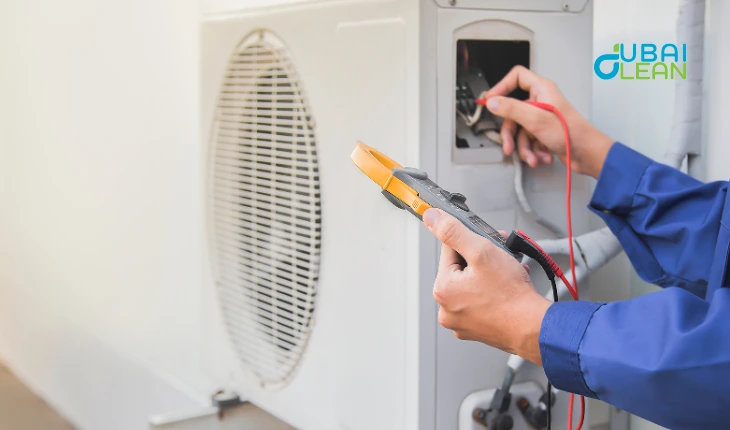
drainage in ac maintenance
Drainage in AC Maintenance

Tools and Products That Help With AC Drainage Maintenance

Recommended Drain Line Cleaning Tools

  • Wet/dry vacuum
  • Flexible drain brush
  • Pipe cleaner
  • Portable pump for hard-to-reach systems

These tools simplify maintenance and help users easily fix or prevent AC water leakage.

Best Condensate Drain Tablets and Solutions

  • Pan tablets that dissolve slime and prevent algae
  • Vinegar-based or enzymatic cleaners
  • Bleach solutions (with caution, not suitable for all units)

Using the right products regularly supports proper drainage in AC maintenance and prevents long-term issues.

When to Call a Professional for Drainage Issues

Warning Signs You Shouldn’t Ignore

  • Repeated water leakage despite cleaning
  • Strong mold smell
  • AC shutting off frequently
  • Excessive humidity inside the home

These may indicate deeper issues that DIY can’t fix and require an HVAC expert.

How HVAC Experts Fix Severe Drainage Problems

Professionals may use high-pressure water jets, pipe replacements, or electrical diagnostics to resolve the root cause. They also perform a full inspection of your air conditioner drainage system to identify hidden issues affecting performance.

Preventive Maintenance Tips for Long-Term AC Health

How Often to Clean the Drain Line

Clean the drain line at least once every 3 months. In humid areas, monthly cleaning may be necessary to maintain proper drainage in AC maintenance and prevent mold buildup.

Seasonal Maintenance Checklist

  • Spring: Clean drain lines, inspect drain pan, check for clogs
  • Summer: Monitor for leaks, test float switches
  • Fall: Flush the system before storage or reduced use
  • Winter: Cover or protect exposed units, inspect drainage paths

These steps ensure your AC water leakage fix efforts are proactive, not reactive.

Final Thoughts

Maintaining proper drainage in AC maintenance is vital for keeping your air conditioning system efficient, clean, and long-lasting. With regular cleaning, the right tools, and timely professional help, you can prevent water leaks, mold, and unnecessary damage. Following the tips outlined above will ensure your air conditioner drainage system stays in peak condition year-round.

Want to keep your AC running smoothly? Don’t miss our expert tips on drainage cleaning.

Frequently Asked Questions

Share with your friends

James Edwards

HVAC Editorial Lead & Climate Performance Analyst
James Edwards is a senior technical writer at DubaiClean, specializing in HVAC efficiency and indoor climate health. With a career dedicated to mechanical analysis, James authors deep-dive articles on AC performance and energy optimization. His work helps Dubai residents bridge the gap between technical mechanics and home comfort. Follow his research-backed tips to maximize your cooling system’s lifespan.
Picture of Dubai Clean

Dubai Clean

As a full-service cleaning company in Dubai, we are also offering specialized services for particular occasions. We offer post construction clean-up for newly established or renovated buildings.

Recent Posts

demolition services in dubai
Dubai Demolition Services

Demolition Services: Safe & Professional Building Demolition Guide

Demolition services in Dubai are essential for safely dismantling residential, commercial, and industrial structures. Hiring ...
Read More →
cleaning at home without equipment
Dubai Sofa Deep Cleaning

Professional Tips for Cleaning Your Sofa at Home Without Equipment

Many Dubai households prefer manual sofa cleaning because apartment living often comes with noise restrictions, ...
Read More →
how to remove stubborn grime from chandeliers
DCS Cleaning Services

How to Remove Stubborn Grime from Chandeliers Safely in Dubai Homes

Removing stubborn grime from chandeliers in Dubai requires careful attention to both safety and fixture ...
Read More →
Pest-Related Itchy Skin Reactions - Causes, Symptoms & Care in Dubai Living in Dubai means enjoying a warm climate, modern homes, and an active lifestyle but it also means dealing with pests that thrive in heat and humidity. From bed bugs in apartments to mosquitoes near standing water, pest-related itchy skin reactions are a common yet frustrating problem for residents. That sudden itch, redness, or swelling on your skin is not just uncomfortable, it can signal an underlying pest infestation that needs urgent attention. In this expert guide, we’ll break down what causes pest-related itchy skin reactions, how to identify symptoms, prevention tips tailored for Dubai homes, and when to seek professional care. If you want real answers, long-term relief, and a healthier living environment, you’re in the right place. Why Pest-Related Itchy Skin Reactions Happen Pest-related itchy skin reactions are not random skin problems. They occur when your body responds to bites, allergens, or repeated exposure to household pests that are common in warm climates like Dubai. Understanding the reasons behind these reactions helps in early identification and long-term prevention. Insect Bites Trigger the Body’s Natural Defense System When pests such as bed bugs, mosquitoes, fleas, or mites bite the skin, they inject saliva or venom that contains proteins unfamiliar to the human body. The immune system treats these substances as a threat and releases histamines to protect the skin. This reaction causes itching, redness, swelling, and irritation. In Dubai, where bed bugs and mosquitoes are active throughout the year, these bites often appear overnight and mainly affect exposed areas like the arms, legs, neck, and face. The itching can become intense, especially at night, and scratching may worsen the skin condition or lead to infection. Allergens from Pests Cause Skin Irritation Without Visible Bites Not all pest-related itchy reactions come from direct bites. Many pests release allergens through droppings, shed skin, or microscopic particles that remain in carpets, mattresses, sofas, and air-conditioning systems. Dust mites and cockroaches are common sources of these allergens in Dubai homes, especially in humid indoor environments. When the skin comes into contact with these allergens, it can develop persistent itching, rashes, or dryness without obvious bite marks. This often leads to confusion, as people mistake the reaction for eczema or seasonal allergies. Continuous Exposure Makes Skin More Sensitive Over Time When a pest problem is left untreated, repeated exposure can cause the skin to become increasingly sensitive. Each new bite or contact triggers a stronger reaction than before, leading to chronic itching, inflammation, and sometimes painful sores. In shared residential buildings across Dubai, pests can easily spread between apartments, making repeated exposure more likely. Over time, the skin’s protective barrier weakens, increasing the risk of bacterial infections and scarring. This is why treating the infestation itself is essential, not just managing the skin symptoms. Signs and Symptoms of Pest-Related Itchy Skin Reactions Pest-related itchy skin reactions can look different from person to person, depending on the type of pest, skin sensitivity, and level of exposure. Recognizing the early signs and symptoms is important to prevent discomfort from turning into a long-term skin or health issue. Persistent Itching and Redness on Exposed Skin One of the earliest and most common signs of a pest-related itchy skin reaction is persistent itching accompanied by redness. This usually appears on exposed areas of the body such as the arms, legs, neck, shoulders, or face. The itching may start mild but often becomes more intense over time, especially at night when pests like bed bugs and mosquitoes are most active. In many cases, scratching provides temporary relief but ends up worsening the irritation, causing the skin to become inflamed, swollen, or even cracked. This symptom is especially common in Dubai homes where warm indoor temperatures allow pests to remain active year-round. Red Bumps, Rashes, or Clustered Bite Marks Another clear symptom is the appearance of red bumps, small rashes, or bite marks that may form in clusters or straight lines. Bed bug bites often show up in patterns, while flea bites are commonly found around the ankles and lower legs. Mosquito bites, on the other hand, appear as raised, itchy welts. These marks can vary in size and may darken over time, particularly on sensitive skin. In some cases, blisters or fluid-filled bumps may develop, indicating a stronger allergic reaction. If new marks continue to appear daily, it is often a sign of an ongoing pest infestation rather than a one-time exposure. Swelling, Burning Sensation, or Signs of Infection In more severe cases, pest-related skin reactions can cause noticeable swelling, warmth, or a burning sensation around the affected area. This usually happens when the body has a strong immune response or when repeated scratching damages the skin barrier. Open sores created by scratching can allow bacteria to enter, leading to infection. Symptoms of infection may include pus, pain, increased redness, or fever. In Dubai’s humid climate, these infections can worsen quickly if not treated properly. At this stage, both medical attention and professional pest control become necessary to stop the cycle of irritation and exposure. Myths vs Facts About Pest-Related Itchy Skin Reactions There are many misconceptions surrounding pest-related itchy skin reactions, which often lead people to ignore the real cause or delay proper treatment. Understanding the difference between myths and facts helps you take the right action early and prevent recurring skin irritation and pest infestations. Myth Fact Itchy skin reactions are always caused by allergies or sensitive skin Pest bites and pest allergens are a common cause of itchy skin, especially in warm climates like Dubai where pests are active year-round If there are no visible bite marks, pests are not the problem Many pests, such as dust mites and cockroaches, cause itching through allergens without leaving visible bite marks Bed bugs only exist in dirty homes Bed bugs can infest even clean, well-maintained homes and are often brought in through luggage, furniture, or shared buildings Mosquito bites are harmless and do not need attention Scratching mosquito bites can lead to skin infections, scarring, and prolonged irritation if not treated properly Home remedies alone can permanently solve pest-related skin issues Home remedies may soothe symptoms, but professional pest control is needed to eliminate the root cause Pest problems go away on their own over time Without proper treatment, pest infestations often worsen and cause repeated skin reactions Why DubaiClean Is a Trusted Choice for Pest Control in Dubai Choosing the right pest control service is essential to protect your home and family from recurring itchy skin reactions and infestations. DubaiClean has earned the trust of residents across the city by providing safe, effective, and long-lasting solutions tailored to Dubai’s unique environment. Dubai-Specific Expertise: We understand the pests that are most common in Dubai homes and apartments, from bed bugs to mosquitoes and fleas. Safe and Eco-Friendly Treatments: All our solutions are approved, child-safe, and pet-friendly, ensuring a healthy living environment. Thorough Inspections: Our trained technicians identify hidden infestations, entry points, and high-risk areas before treatment. Targeted Pest Control: We provide pest-specific treatments that eliminate the problem at the source, not just temporarily relieve symptoms. Long-Term Prevention Advice: We educate homeowners on maintaining pest-free spaces with simple, effective measures. Experienced and Professional Team: Our certified technicians are skilled, reliable, and equipped to handle both small and large-scale infestations. Transparent Pricing and Follow-Ups: We offer clear service plans with follow-up inspections to prevent pests from returning. Conclusion Pest-related itchy skin reactions are more than just a minor inconvenience they are a clear signal that pests are affecting your home and your health. From bed bugs and mosquitoes to fleas and dust mites, these tiny invaders can cause persistent itching, rashes, and even infections if left untreated. Preventing and addressing these reactions requires a combination of proper home hygiene, awareness of common symptoms, and professional pest control services. While home remedies can provide temporary relief, only expert solutions can eliminate pests at the source and ensure your home stays safe and itch-free.
Dubai Pest Control

Pest-Related Itchy Skin Reactions – Causes, Symptoms & Care in Dubai

Living in Dubai means enjoying a warm climate, modern homes, and an active lifestyle but ...
Read More →
professional marble floor installation
Dubai Marble Cleaning Services

Professional Marble Floor Installation Benefits, Lifespan & Standards

Marble flooring has long been celebrated for its timeless elegance, durability, and ability to elevate ...
Read More →
Safe chemicals for potable water tank
Dubai Water Tank Cleaning

Water Tank Disinfection & Safe Sanitization: Complete Guide

In the UAE, high-rise residential and commercial buildings rely on clean water for health and ...
Read More →
Contact Us
Scroll to Top