


Introduction
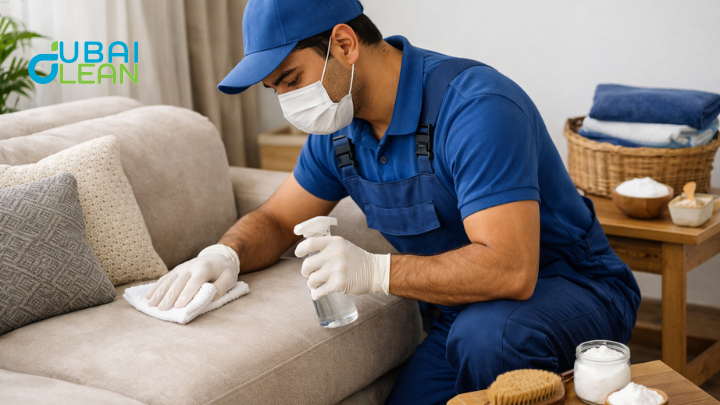
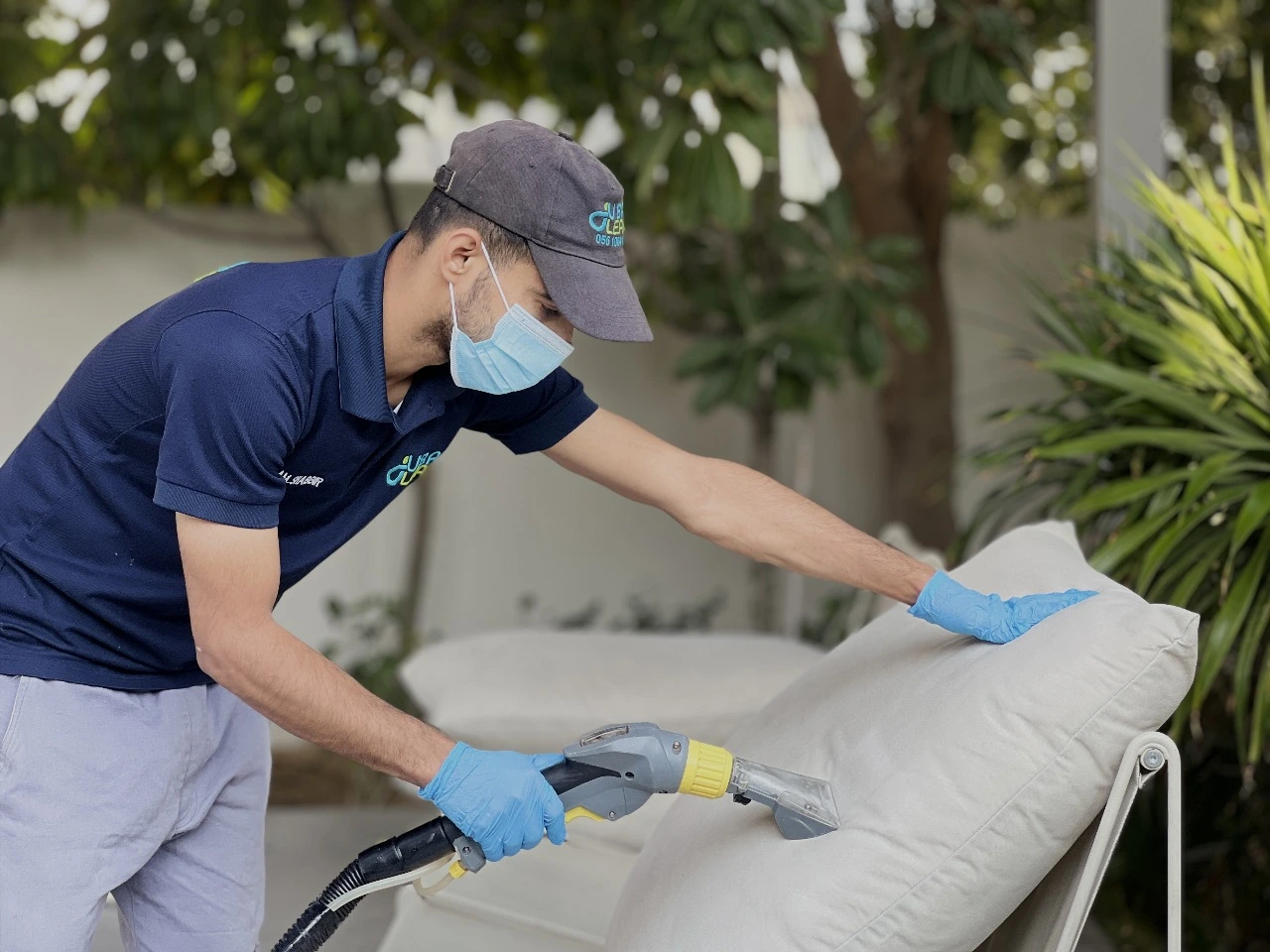
My sofa is one of the most used items in my home, and I’m sure yours is too. It’s where I relax, entertain guests, and sometimes even nap. But with all that use, it can easily collect dust, dirt, allergens, and stains. Regular sofa deep cleaning is key to keeping it fresh, clean, and in good condition. Whether it’s from everyday use, spills, or pet hair, a deep clean helps maintain its hygiene and lifespan. In Dubai, where dust is common, sofa cleaning is even more important for a healthy living environment.
You might be asking, “How can I deep clean my couch at home?” Well, the good news is with the right tools, techniques, and cleaning products, you can clean your sofa without needing a professional. However, if the stains are tough, or the dirt is deeply embedded, or if your sofa is made of delicate material, professional sofa cleaning in Dubai can make all the difference. Check out the comprehensive tips and tricks to clean your sofa, carpets, and mattress.
In this guide, I’ll walk you through a simple, step-by-step process for deep cleaning your sofa, whether it’s fabric, leather, or microfiber. From vacuuming to stain removal, steam cleaning, and tips for maintaining it, you’ll have everything you need to keep your sofa looking spotless.
Understanding Your Sofa Material
Before I start cleaning my sofa, I always check the material it’s made of. Knowing this is crucial because each type of fabric needs a different cleaning method. If I use the wrong technique, I risk ruining the colour, damaging the fabric, or even causing shrinkage.
Identifying Fabric Types for Effective Upholstery Cleaning
Most sofas can be placed into one of these categories:
- Fabric Sofas (Cotton, Linen, Polyester, Velvet)
These sofas can easily gather dust, stains, and spills. To deep clean them, I usually go for sofa shampooing or steam cleaning. Water-based cleaning products work well, but I always avoid using too much water, as it can damage the fabric. - Leather Sofas (Genuine, Faux, or Suede Leather)
Leather is more sensitive to water and strong chemicals. I use special leather cleaners and conditioners to keep the sofa looking shiny and prevent cracking. Steam cleaning is a no-go for leather, as it can dry it out. - Microfiber Sofas
Microfiber is great at resisting stains but can trap dust and pet hair. For this, I prefer dry cleaning solvents or mild water-based solutions, as these work best. - Velvet Sofas
Velvet is a delicate fabric, so I treat it with extra care. I always use dry cleaning instead of water-based cleaning methods and never scrub the fabric to avoid damaging its texture.
Special Considerations for Leather Sofa
Cleaning a leather sofa is different from fabric ones. Here’s how I do it:
- I start by using a microfiber cloth to wipe off the dust from the surface.
- Then, I apply a gentle leather cleaner using a soft brush or cloth.
- To keep the leather soft and prevent cracks, I moisturise it with a leather conditioner.
Understanding my sofa’s material allows me to choose the right cleaning method, ensuring it stays in perfect condition. In the next part, I’ll share the essential tools and cleaning products I use to deep clean my couch at home.
Essential Tools and Cleaning Solutions
To get my sofa clean, I know it’s all about using the right tools and cleaning solutions. Whether I’m tackling dust, stubborn stains, or lingering odours, using the right equipment makes a huge difference and helps protect my sofa from damage.
Must-Have Equipment for Deep Cleaning Your Couch at Home
Before I get started, I always make sure I’ve got these essential tools:
- Vacuum Cleaner with Upholstery Attachment – This is a must to remove dust, dirt, and pet hair from the surface and all those little crevices.
- Soft-Bristle Brush – I use this to loosen dirt from the fabric and to get deep-seated dust out of textured upholstery.
- Microfiber Cloths – These are perfect for wiping surfaces without leaving lint or streaks behind.
- Steam Cleaner (Optional) – If I want to go the extra mile, this is great for deep sanitisation, killing bacteria, dust mites, and allergens.
- Spray Bottle – I find this useful for applying cleaning solutions evenly, whether it’s homemade or shop-bought.
- Rubber Gloves – These protect my hands from harsh chemicals and detergents.
Choosing the Right Cleaning Products for Sofa Stain Removal
The cleaning solution I use depends on the fabric of my sofa:
- For Fabric Sofas
- I mix mild dish soap with warm water for general cleaning.
- White vinegar and baking soda work wonders for stain removal and odour control.
- If needed, I use store-bought upholstery cleaners, but I always check they’re fabric-safe.
- For Leather Sofas
- I use special leather cleaners and conditioners to prevent drying and cracking.
- For light cleaning, I mix a little mild soap with distilled water.
- Sometimes, I use olive or coconut oil sparingly to add some extra shine.
- For Microfiber Sofas
- I use rubbing alcohol for water-safe microfiber.
- Mild detergent with warm water is perfect for general cleaning.
- A soft brush helps to fluff up the fibres after cleaning.
- For Velvet Sofas
- I go for a dedicated velvet upholstery cleaner.
- Dry foam cleaners are best to avoid using too much moisture.
- A soft brush helps restore the texture after it’s dried.
By choosing the right tools and products, I can deep clean my sofa at home with confidence, knowing I’m protecting it from damage. Next, I’ll walk you through the step-by-step process of deep cleaning your sofa.
Step-by-Step Guide to Deep Cleaning Your Sofa
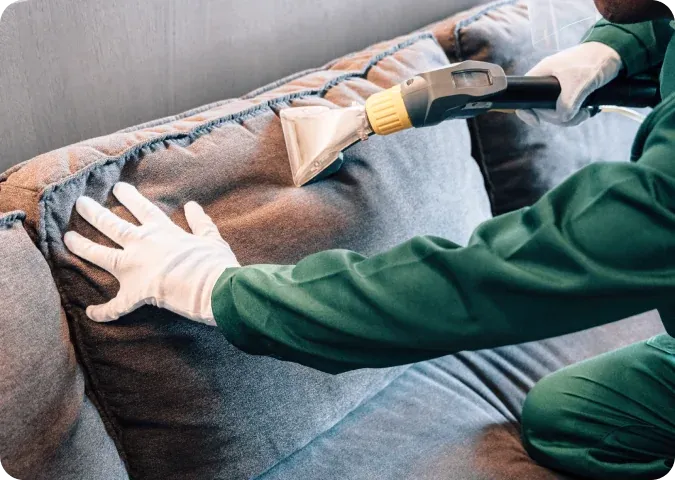
Deep cleaning my sofa not only keeps it looking fresh but also removes dirt, stains, and allergens, helping to maintain a hygienic home. Here’s my step-by-step guide to cleaning my couch properly while preserving its quality.
Remove Loose Dust and Debris
Before I start with any cleaning solutions, I always remove dust and dirt:
- I use a vacuum cleaner with an upholstery attachment to clean the entire sofa, including the cushions and crevices.
- For pet hair, I find a lint roller or a rubber glove works best to lift fur from the fabric.
- If my sofa has removable covers, I shake them outside and wash them separately if possible.
Check the Sofa’s Cleaning Code
Many sofas come with a cleaning code that helps me know the best way to clean it:
- W – Water-based cleaning solutions are safe.
- S – Only use solvent-based cleaners (no water).
- WS – Both water and solvent-based cleaners are okay.
- X – Vacuum only; professional cleaning is recommended.
I always check the label, usually found under the cushions or on the sofa frame.
Spot Clean Stains
Next, I tackle any stains:
- Fabric Sofas: I mix mild dish soap with warm water and gently blot stains with a microfiber cloth. For tougher stains, I use a mixture of white vinegar and baking soda to break down grime. I avoid oversaturating the fabric as excess moisture can lead to mildew.
- Leather Sofas: I wipe stains with a soft cloth and a mild soap solution. I make sure not to use harsh chemicals or too much water, as this can damage the leather. After cleaning, I apply a leather conditioner to keep the surface soft and crack-free.
- Microfiber Sofas: I use rubbing alcohol for water-safe microfiber upholstery. I blot stains with a sponge and let them air dry. Afterwards, I gently brush the flowers to restore their texture.
Deep Clean the Entire Sofa
Once the stains are dealt with, I deep clean the whole sofa:
- For fabric sofas, I use a steam cleaner to sanitise and remove deep-seated dirt.
- For leather sofas, I wipe down the surface with a damp cloth and apply a conditioner to keep it soft.
- For velvet sofas, I avoid using excess moisture and instead use a dry foam cleaner or a soft brush to lift dirt.
Dry and Deodorise Your Sofa
I speed up drying by opening windows or using a fan. Then:
- I sprinkle baking soda over the sofa and let it sit for 15–20 minutes to neutralise any odours.
- After the time is up, I vacuum up the baking soda, leaving my sofa fresh and clean.
Maintain Your Sofa for Long-Lasting Cleanliness
To keep my sofa looking great for longer, I:
- Vacuum it weekly to prevent dust buildup.
- Use sofa covers to protect it from stains and wear.
- I also schedule professional cleaning in Dubai every 6–12 months for a deeper cleaning.
By following these steps, I ensure my sofa stays spotless and well-maintained. In the next section, I’ll share when to consider professional cleaning services for even better results.
DIY vs. Professional Sofa Cleaning Services in Dubai
When it comes to sofa deep cleaning, I have two options: cleaning my couch at home using DIY methods or hiring professional sofa cleaning services. Both have their advantages, but the best choice depends on my sofa’s condition, fabric, and how deep a clean it needs.
DIY Cleaning: Pros & Cons
✅ Pros:
- Cost-effective – I save money by using household cleaning supplies.
- Convenient – I can clean my sofa at my own pace, whenever it suits me.
- Eco-friendly options – I can use natural cleaners like vinegar and baking soda.
❌ Cons:
- Time-consuming – Deep cleaning takes effort and patience.
- Limited equipment – Household vacuum cleaners and brushes may not remove deeply embedded dirt or allergens.
- Risk of damage – If I use the wrong cleaning solution, I could discolour or shrink the fabric.
DIY cleaning is great for regular upkeep and light stains. However, when it comes to stubborn stains, lingering odours, or deep-seated dirt, professional cleaning is the better choice.
Professional Cleaning Services: Pros & Cons
✅ Pros:
- Advanced cleaning methods – Experts use steam cleaning, shampooing, and hot water extraction for a thorough cleaning.
- Safe for all fabrics – Professionals assess my sofa’s material and apply the right techniques.
- Removes allergens and bacteria – Industrial-grade equipment eliminates dust mites, pet dander, and bacteria.
- Time-saving & hassle-free – I don’t need to spend hours scrubbing and drying.
❌ Cons:
- Higher cost – Professional cleaning is more expensive than DIY.
- Scheduling required – I need to book an appointment in advance.
When to Choose Professional
I should consider hiring professionals if:
- My sofa has tough stains that won’t budge with DIY methods.
- I suffer from allergies or respiratory issues and need a deeper, more thorough cleaning.
- My sofa is made of delicate material like velvet or suede that requires special care.
- I want to extend my sofa’s lifespan and ensure it looks its best with expert cleaning techniques.
While DIY sofa cleaning is handy for light cleaning, professional deep cleaning ensures a healthier, fresher living space. Read more about the cost of professional cleaning.
Maintaining Your Sofa Post-Cleaning
After a thorough sofa deep cleaning, maintaining its cleanliness and appearance is key to preserving its beauty and extending its lifespan. With the right upkeep, you can keep your sofa looking fresh for longer. Here are some essential post-cleaning tips for maintaining your sofa:
1. Vacuum Regularly To Prevent Dust Build-Up
Dust and debris can quickly accumulate on your sofa, making it appear dull. To maintain its freshness:
- Use a vacuum cleaner with an upholstery attachment at least once a week.
- Focus on crevices, seams, and under the cushions where dirt tends to hide.
- For fabric sofas, lightly brush the upholstery to prevent the fibres from matting.
2. Protect Your Sofa with Covers and Throws
Prevent spills, dirt, and pet hair from reaching your couch by using protective covers or throw blankets:
- Choose washable covers that are easy to clean.
- Rotate and fluff cushions and pillows regularly to maintain their shape and ensure even wear.
3. Address Spills and Stains Immediately
Quick action is essential to prevent stains from setting in:
- Blot spills with a clean cloth instead of rubbing to avoid pushing the stain deeper.
- Use a mild cleaning solution suitable for your sofa’s material.
- For tough stains, consider consulting a professional cleaning service rather than using harsh chemicals that could damage the fabric.
4. Keep Your Sofa Smelling Fresh
Keeping your sofa smelling pleasant is an important part of its upkeep:
- Sprinkle baking soda over the surface and vacuum it off after 15–20 minutes to absorb odours.
- Use fabric fresheners or lightly mist the sofa with diluted essential oils for a refreshing scent.
- Ensure proper air circulation in the room to avoid musty smells.
5. Avoid Direct Sunlight and Excess Moisture
Exposure to the elements can damage your sofa:
- Keep your sofa out of direct sunlight to prevent fabric fading or leather cracking.
- Use curtains or blinds to shield it from harmful UV rays.
- Avoid placing your sofa near humid areas to prevent mould growth and material deterioration.
6. Schedule Professional Cleaning Periodically
Even with regular care, dirt and allergens can accumulate over time. Professional sofa cleaning can help maintain its cleanliness:
- Schedule cleaning every 6–12 months for general maintenance.
- More frequent cleaning may be necessary if you have pets, children, or allergies.
By following these simple maintenance tips, you can keep your deep-cleaned sofa looking fresh, comfortable, and in excellent condition for years to come, ensuring a pleasant and hygienic living environment.
Conclusion
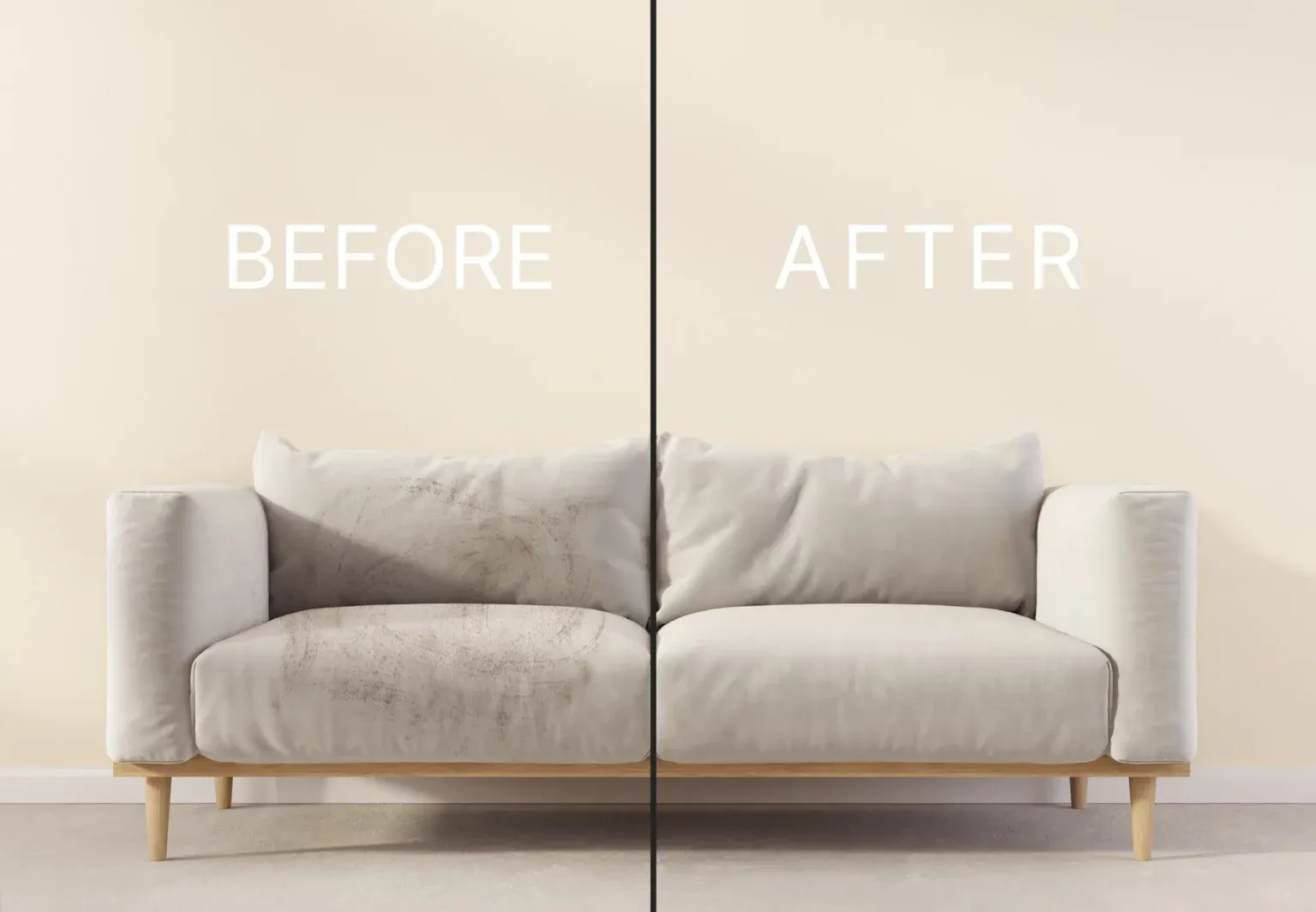
A clean and well-maintained sofa not only elevates the aesthetic of your living space but also promotes a healthier environment. By following the step-by-step guide to deep cleaning your sofa, you can effectively remove dust, stains, and allergens, all while prolonging the lifespan of your furniture.
While DIY cleaning is perfect for regular maintenance, tough stains and deeply embedded dirt may require the expertise of professional cleaning services. Incorporating routine upkeep, such as regular vacuuming, stain removal, and using protective covers, will help keep your sofa looking fresh and inviting.
To achieve the best results, consider scheduling professional sofa cleaning every 6–12 months to ensure your furniture remains spotless and hygienic. Whether you opt for a DIY approach or enlist expert services, a well-maintained sofa guarantees comfort and cleanliness for years to come.