


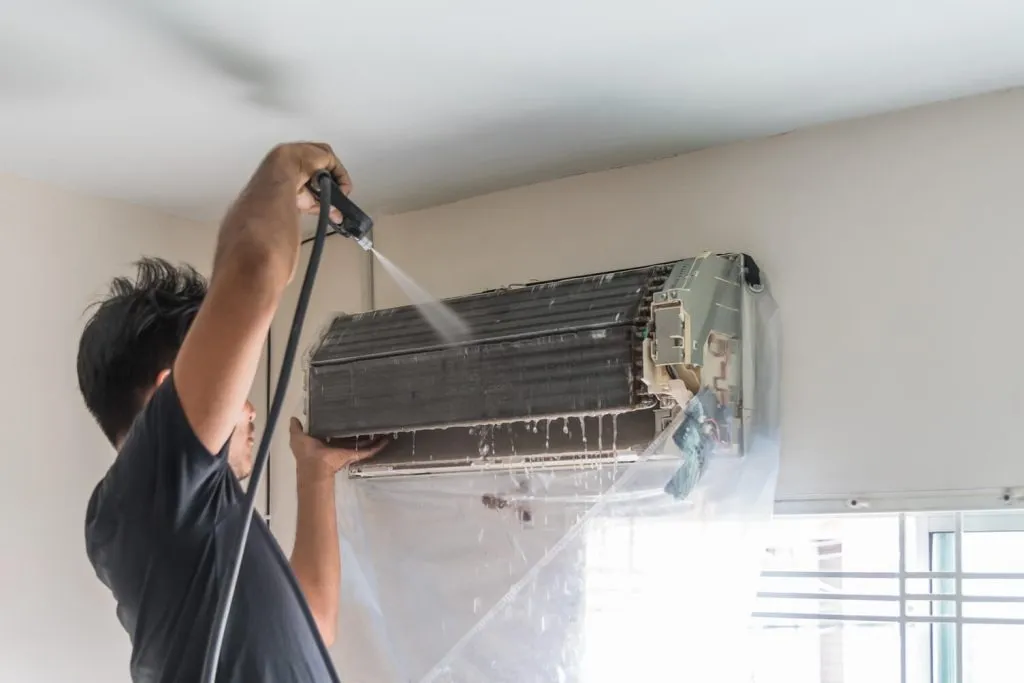
Mold growing on air conditioner coils is a common problem in humid places like Dubai. These dark, damp areas inside your AC unit create the perfect spot for mold to grow. Over time, mold can spread through the air, affecting your health and making your home smell musty. If not cleaned properly, it can also lower your AC’s performance and increase electricity bills. Cleaning mold from air conditioner coils is important to keep your air clean, your system running smoothly, and your family safe. In this guide, Dubai Clean will show you step-by-step how to safely remove mold and keep it from coming back. Whether you’re doing it yourself or calling in a professional, this is an essential part of home maintenance.
What Causes Mold to Grow on AC Coils?
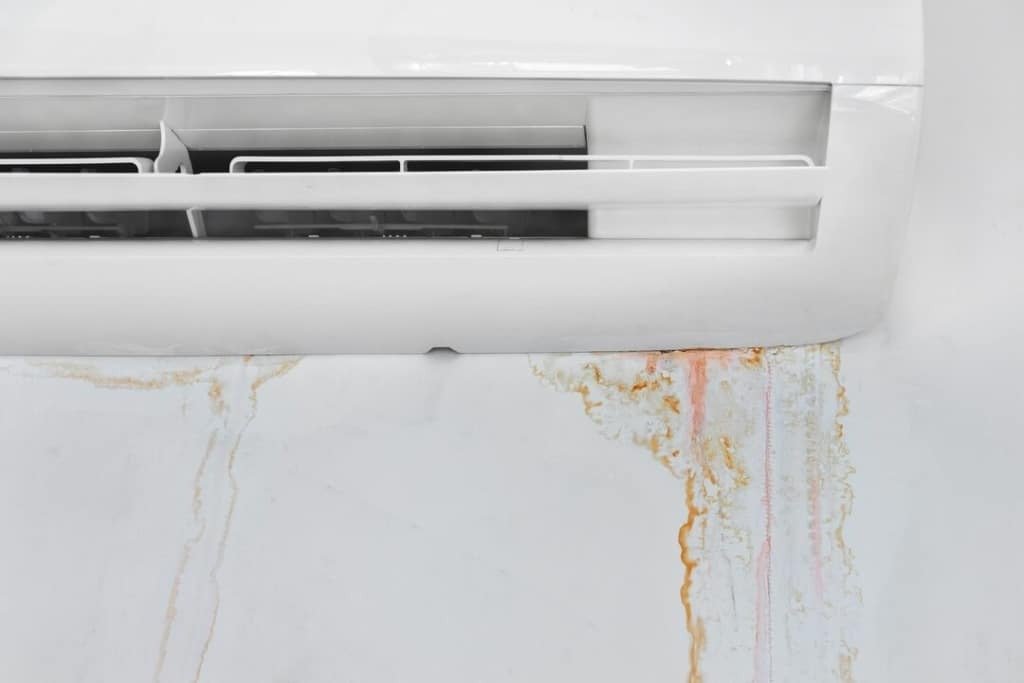
Mold grows on air conditioner coils mainly because of moisture and dust. When the AC runs, its coils get cold and attract water from the humid air. This moisture stays on the coils, creating a perfect place for mold to grow. Dust and dirt that collect on the coils provide food for the mold spores. If the AC is not cleaned regularly, the mold can multiply quickly. In places like Dubai, where humidity can be high, mold growth on AC coils becomes even more common. Proper cleaning and maintenance help stop mold from growing and keep the air fresh and healthy.
High humidity and poor ventilation
High humidity and poor ventilation create the perfect environment for mold to grow on air conditioner coils. When the air is very moist, like in Dubai’s hot climate, water can collect on the coils. If there is not enough airflow to dry this moisture, mold spores can settle and start to grow. Without proper ventilation, the damp air stays trapped inside, making the problem worse. This is why regular cleaning and good airflow are very important to keep your AC coils mold-free and working well.
Lack of regular maintenance and coil cleaning
Lack of regular maintenance and coil cleaning can cause serious problems for your air conditioner. When coils are not cleaned often, dirt, dust, and moisture build up over time. This creates a perfect place for mold to grow. Mold on the coils makes the AC work harder, which can increase energy bills and reduce cooling efficiency. Also, dirty coils can damage the AC unit and cause it to break down sooner. Regular maintenance and cleaning help keep the coils clean and the air conditioner running smoothly, saving money and protecting your health.
Health Risks of Moldy AC Coils
Moldy air conditioner coils can cause serious health problems. When mold grows on the coils, tiny mold spores can spread through the air inside your home or office. Breathing in these spores may lead to allergies, coughing, sneezing, and even asthma attacks. People with weak immune systems, children, and the elderly are more likely to get sick from mold exposure. Long-term contact with mold can cause headaches, skin irritation, and breathing difficulties. That’s why it is very important to keep your AC coils clean and free from mold to protect your health and your family’s well-being.
Circulation of mold spores through indoor air
Mold spores are tiny particles that float easily in the air inside your home or office. When mold grows on air conditioner coils, these spores can spread through the indoor air every time the AC is turned on. This circulation can cause the spores to reach different rooms, making the air unhealthy to breathe. Breathing in mold spores may lead to allergies, coughing, and breathing problems, especially for children, elderly people, and those with asthma. That’s why it’s important to clean mold from AC coils to keep your indoor air fresh and safe.
Impact on children, the elderly, and pets
Mold on air conditioner coils can be very harmful, especially for children, elderly people, and pets. Their immune systems are usually weaker, making them more likely to get sick from breathing in mold spores. Kids may develop allergies, asthma, or breathing problems, while elderly people can experience worsened lung issues or infections. Pets, too, can suffer from coughing, sneezing, or skin irritations caused by mold. Cleaning mold from AC coils helps protect the health of your whole family and keeps the air inside your home safe to breathe.
Signs Your Air Conditioner Coils May Have Mold
If your air conditioner coils have mold, there are clear signs to watch for. You might notice a musty or damp smell coming from the vents when the AC is running. The cooling power of your AC may also weaken, making it harder to keep your home comfortable. Sometimes, you can see dark spots or patches of mold on the coils or inside the unit if you look closely. Additionally, if you or your family members start sneezing, coughing, or feeling itchy when indoors, mold on the coils could be the cause. Recognizing these signs early helps prevent health problems and keeps your AC working well.
Musty odor from vents
A musty odor coming from your air conditioner vents is a common sign that mold is growing inside the system, especially on the coils. This smell often feels damp and stale, like something is wet and not drying properly. In Dubai’s hot and humid climate, moisture can collect inside the AC unit, creating a perfect place for mold to grow. When the AC runs, it blows air through these moldy areas, spreading the bad smell throughout your home or office. Ignoring this odor can lead to poor indoor air quality and even health problems like allergies or breathing issues. It’s important to clean the mold from the coils and vents quickly to keep the air fresh and safe.
Decreased cooling performance
When mold builds up on air conditioner coils, it blocks the airflow and reduces the coil’s ability to absorb heat. This makes the AC work harder to cool the air, which lowers its cooling performance. As a result, your room may not feel as cold as before, and the AC may run longer without reaching the desired temperature. This not only makes you uncomfortable but also increases electricity bills and puts extra strain on the air conditioner, leading to possible damage over time. Regular cleaning of the coils helps keep your AC running efficiently and cooling your space properly.
Tools & Products You’ll Need for Cleaning
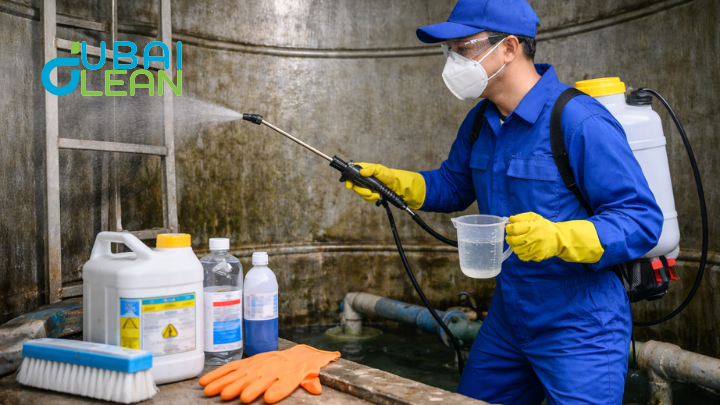
When cleaning mold from air conditioner coils, having the right tools and products is very important. You will need a soft brush to gently remove dirt and mold without damaging the coils. Protective gloves and a mask are essential to keep you safe from mold spores and cleaning chemicals. A good coil cleaner or mold remover, approved for use on AC parts, helps kill and lift mold effectively. You may also want a spray bottle to apply the cleaner evenly, microfiber cloths for wiping, and a bucket for water or rinsing. If possible, use a vacuum cleaner with a HEPA filter to remove loose dust and mold safely before applying any liquids. Using these tools makes the cleaning process safer and more effective.
Soft brush and coil cleaning brush
A soft brush and a coil cleaning brush are essential tools for cleaning air conditioner coils safely and effectively. The soft brush helps remove dust and mold gently without damaging the delicate fins on the coils. Meanwhile, the coil cleaning brush is designed specifically to reach tight spaces between the fins, allowing you to scrub away stubborn dirt and mold buildup. Using these brushes correctly ensures your AC coils stay clean, which helps improve cooling efficiency and air quality in your home or office. At Dubai Clean, we always use the right brushes to protect your AC system while removing mold thoroughly.
Protective gloves and a mask
When cleaning mold from air conditioner coils, wearing protective gloves and a mask is very important. Gloves protect your hands from coming into direct contact with mold, which can cause skin irritation or allergic reactions. A mask helps you avoid breathing in harmful mold spores that can trigger coughing, sneezing, or breathing problems. Using these safety items keeps you safe and healthy while cleaning, especially since mold can be harmful even in small amounts. Always choose gloves and masks that fit well and are made for handling mold or chemicals.
How Often Should You Clean AC Coils in Dubai?
In Dubai’s hot and dusty climate, it’s important to clean your AC coils at least once every 6 to 12 months. Dust, sand, and humidity can quickly cause dirt and mold to build up on the coils, making your air conditioner work harder and use more energy. Regular cleaning helps keep your AC running smoothly, improves air quality, and reduces electricity bills. If your home is near a construction site or you use the AC daily, you may need to clean the coils more often. For best results, schedule professional coil cleaning with Dubai Clean to ensure deep, safe, and long-lasting results.
Importance of preventive maintenance in dusty and humid climates
In dusty and humid climates like Dubai, preventive maintenance of air conditioners is very important. Dust can block the air filters and coils, while high humidity can cause mold and bacteria to grow inside the system. Without regular cleaning and check-ups, your AC may stop working well, use more electricity, or even spread unhealthy air indoors. Preventive maintenance helps keep your AC clean, safe, and running smoothly. It also extends the life of your unit and saves money on big repairs later. Regular service from experts like Dubai Clean keeps your indoor air fresh and your home comfortable.
Recommended cleaning frequency for homes and offices
The recommended cleaning frequency for air conditioner coils in homes and offices depends on how often the system is used and the environment. In Dubai’s hot and dusty climate, it is best to clean AC coils at least once every 6 to 12 months. For homes, once a year may be enough, especially before the summer season. However, offices, commercial spaces, or places with high foot traffic should consider coil cleaning every 6 months. Regular cleaning keeps the air clean, improves cooling, and helps reduce electricity bills. Dubai Clean offers scheduled coil maintenance to make this process easy and worry-free.
Tips to Avoid Future Mold Buildup
To avoid future mold buildup on your air conditioner coils, it’s important to keep your AC system clean and dry. Regularly change or clean the air filters to stop dust and dirt from collecting. Make sure the AC drains properly so no water stays inside the unit, as moisture encourages mold growth. Using a dehumidifier in humid rooms can also help reduce moisture in the air. Finally, schedule routine maintenance with professionals like Dubai Clean to check and clean your AC coils regularly. These simple steps will keep your air conditioner fresh, efficient, and mold-free.
Regular AC servicing and coil cleaning
Regular AC servicing and coil cleaning are essential to keep your air conditioner running smoothly and efficiently. Over time, dust, dirt, and mold can build up on the coils, reducing the cooling power and increasing energy use. By scheduling regular maintenance, you ensure the coils stay clean, which helps prevent mold growth and improves air quality inside your home or office. Regular servicing also catches small problems early, saving you from costly repairs later. In Dubai’s hot and humid climate, keeping your AC coils clean is especially important to maintain a healthy and comfortable environment.
Keep filters clean and replace them on time.
Keeping your air conditioner filters clean and replacing them on time is very important for a healthy and efficient cooling system. Dirty filters block airflow, making your AC work harder and use more electricity. They also trap dust, dirt, and mold spores, which can spread inside your home and cause allergies or breathing problems. By cleaning or changing filters regularly, you help your AC run smoothly, improve air quality, and reduce the chance of mold growing on the coils. In Dubai’s dusty environment, timely filter care is a simple but powerful way to protect your family’s health and save money on energy bills.
What Happens If You Don’t Clean Mold from AC Coils?
If you don’t clean mold from your air conditioner coils, it can cause serious problems. Mold can spread inside the AC system and into the air you breathe, which may lead to health issues like allergies, coughing, and breathing difficulties. The mold also makes your AC work harder because it blocks airflow, which can cause the system to use more electricity and increase your bills. Over time, the mold can damage the coils and other parts of the air conditioner, leading to costly repairs or even the need to replace the unit. Cleaning mold regularly helps keep your home healthy and your AC running smoothly.
Long-term respiratory issues
Long-term exposure to mold in air conditioner coils can cause serious breathing problems. When mold grows inside the AC, tiny spores spread into the air you breathe. Over time, these spores can lead to constant coughing, wheezing, and difficulty breathing. People with asthma, allergies, or weak immune systems are especially at risk. If left untreated, mold can make respiratory issues worse and affect your overall health. That’s why it is important to clean mold from AC coils regularly to keep the air in your home fresh and safe.
FAQS
Conclusion
Cleaning mold from air conditioner coils is very important to keep your home healthy and your AC working well. Mold can cause bad smells, allergies, and reduce cooling power. While small mold patches can be cleaned safely at home, tough mold needs professional care. Regular cleaning and maintenance help stop mold from coming back. For the best results and safe mold removal, trust experts like Dubai Clean to make your AC fresh and clean.