


A clean couch is more than just furniture it’s the heart of your living room where family and friends gather, relax, and create memories. Over time, sofas naturally collect dust, pet hair, food crumbs, and even hidden allergens that can affect your home’s comfort and air quality. Stubborn stains, unpleasant odors, and deep-seated dirt often make cleaning feel overwhelming, especially when you don’t know the right approach. The good news is that every sofa whether fabric, leather, microfiber, or suede can be restored with the proper cleaning methods. From using safe fabric couch cleaners and gentle sofa care products to learning how to wash cushion covers and tackle spills, keeping your couch fresh is easier than you think. With regular care, your sofa not only looks stylish but also creates a healthier, more welcoming home for everyone.
1. Understanding Your Couch Material
Before you start cleaning, it’s essential to understand what type of material your couch is made from. Each fabric or upholstery material reacts differently to cleaning solutions, and using the wrong method can cause permanent damage. Knowing your couch’s fabric helps you choose the right cleaner, protect the material’s texture, and ensure a longer lifespan for your furniture. For delicate fabrics or deep stains, professional sofa cleaning services can provide safe and effective solutions that maintain the beauty and durability of your couch.
Difference Between Fabric, Leather, Microfiber, and Suede Couches
- Fabric Sofas: Known for their comfort and versatility, fabric sofas tend to absorb stains and odors easily. They typically need cleaning with water-based solutions or specialized upholstery shampoos.
- Leather Sofas: Stylish and durable, leather couches need special care with gentle cleaners and conditioners to prevent cracking or fading.
- Microfiber Sofas: Known for being stain-resistant, microfiber requires alcohol-based or mild detergent cleaners to avoid water stains.
- Suede Sofas: Elegant but delicate, suede absorbs liquids easily and needs specialized suede cleaners and protective sprays to maintain its soft texture.
Inspecting Manufacturer Tags and Cleaning Codes (W, S, WS, X)
Most couches come with a small tag from the manufacturer that includes cleaning instructions. These tags usually have codes that guide you on what type of cleaning is safe:
- W: Use water-based cleaners.
- S: Use solvent-based cleaners only.
- WS: Either water-based or solvent cleaners are safe.
- X: Only vacuuming or professional cleaning is recommended no DIY cleaning solutions.
By identifying your couch’s material and following the cleaning code, you’ll avoid costly mistakes and make the cleaning process much easier.
2. Fabric Couch Cleaner: Best Practices
Keeping your fabric couch clean is simple with the right approach. A fabric couch cleaner, whether a gentle store-bought solution or a homemade mix of vinegar, baking soda, and mild soap, can remove stains and refresh upholstery without damage. Always spot-test first to avoid discoloration, then blot stains instead of rubbing to lift dirt effectively. Regular vacuuming, spot cleaning, and using safe DIY solutions will keep your fabric sofa fresh, stain-free, and comfortable for everyday use.
Safe DIY Solutions for Fabric Sofas: Homemade cleaners are not only cost-effective but also safe for most fabric couches. A simple mix of warm water, mild dish soap, and white vinegar can remove everyday stains. Baking soda is another excellent option for deodorizing fabrics and lifting light stains without harsh chemicals.
Store-Bought Cleaners vs. Homemade Mixtures: Store-bought cleaners are convenient and specially formulated for upholstery, making them effective for tough stains. However, they often contain strong chemicals that may not suit all fabrics. Homemade mixtures are eco-friendly and safer but may require more effort to achieve the same results. Choosing between them depends on the severity of stains and your preference for natural vs. chemical-based solutions.
Spot-Testing Before Applying Cleaner: Before applying any cleaning solution, always test it on a hidden part of the couch such as the back or underside of a cushion. This ensures the solution won’t discolor, damage, or weaken the fabric. A quick spot test saves your sofa from costly mistakes.
Step-by-Step Process for Removing Stains from Fabric Couches

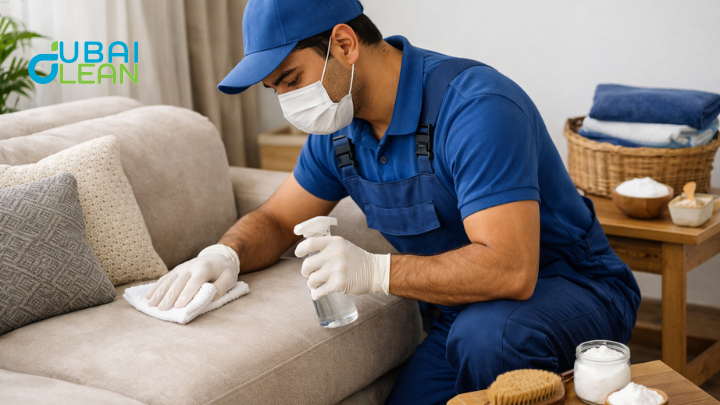
Removing stains from a fabric couch is easy if you follow the right steps. Start by vacuuming to clear dust and crumbs, then gently blot the stain instead of rubbing to prevent it from spreading. Apply a safe fabric couch cleaner or a DIY mix of mild soap and water, working in circular motions with a soft cloth. Rinse the Wipe the area with a damp cloth to remove any leftover residue, and let it air dry fully to avoid odors or mold area with a damp cloth to remove any residue, then allow it to air dry completely to prevent odors or mold growth. With this simple stain removal process, your fabric sofa stays clean, fresh, and inviting.
- Vacuum the couch to remove dust, crumbs, and loose dirt.
- Blot the stain gently with a clean cloth avoid rubbing, which can push it deeper.
- Apply your chosen cleaner (DIY or store-bought) directly to the stained area.
- Gently blot the area with a damp cloth to lift excess cleaner and avoid any residue buildup.
- Air dry the area completely, ensuring no moisture is left to cause mold or odors.
With consistent care and the right cleaning solutions, fabric couches can look new for years.
3. Material-Specific Sofa Cleaning Tips
Every sofa material needs a unique cleaning approach to stay looking its best. Leather sofas should be cleaned with gentle solutions and conditioned regularly to prevent cracks, while microfiber sofas respond well to rubbing alcohol or mild detergents that avoid water stains. Velvet couches require soft brushing and light steam cleaning to maintain their plush texture, and delicate suede sofas need a special suede cleaner and protective spray to guard against spills. By using the right sofa cleaning tips for each material, you can keep your couch spotless, fresh, and long-lasting.
Leather Sofas: Gentle Cleaners, Conditioning, Avoiding Cracks
Leather sofas add elegance to any living room, but they need gentle care to stay beautiful. Always clean your leather couch with a mild leather cleaner or a mix of soft soap and water to remove dirt without damaging the surface. After cleaning, apply a quality leather conditioner to restore moisture and prevent cracks or fading. Avoid harsh chemicals and excess water, as they can weaken the material. With regular cleaning and conditioning, your leather sofa will stay smooth, shiny, and long-lasting.
Microfiber Sofas: Using Rubbing Alcohol or Mild Detergents
Microfiber sofas are loved for their durability, soft texture, and resistance to everyday wear, but they still require regular care to look their best. When dealing with stains, rubbing alcohol works wonders because it evaporates quickly and prevents water marks, making it perfect for spot cleaning. For general dirt and dust, a mild detergent mixed with water can be used safely without harming the fabric. Always blot gently instead of scrubbing to avoid damaging the fibers, and once dry, use a soft brush to fluff the fabric back to its original feel. With consistent cleaning and the right microfiber sofa cleaner, you can keep your couch fresh, cozy, and inviting while extending its lifespan.
Velvet Sofas: Brushing Techniques and Steam Cleaning Options
Velvet sofas bring a touch of luxury and elegance to any living room, but they require extra care to maintain their rich texture and vibrant appearance. Regularly brushing the fabric with a soft upholstery brush helps lift dust, prevent matting, and keep the fibers looking fresh. For deeper cleaning, gentle steam cleaning is a great option to remove dirt and revive the plush feel of the velvet without damaging its delicate surface. It’s important to avoid harsh scrubbing or excess moisture, as these can flatten the pile. With the right care routine, your velvet sofa will stay smooth, stylish, and comfortable for years to come.
Suede Sofas: Special Suede Cleaner and Protective Sprays
Suede sofas are known for their soft, luxurious texture, but they can be quite delicate and prone to stains or water marks if not cleaned properly. To keep them looking their best, always use a special suede cleaner designed to lift dirt and freshen the fabric without causing damage. Regularly brushing the surface with a suede brush also helps maintain its natural nap and smooth appearance. For extra protection, applying a suede-protective spray can create a barrier against spills, stains, and daily wear. With the right care and cleaning products, your suede sofa will remain elegant, comfortable, and long-lasting.
4. Step-by-Step: How to Clean a Couch at Home
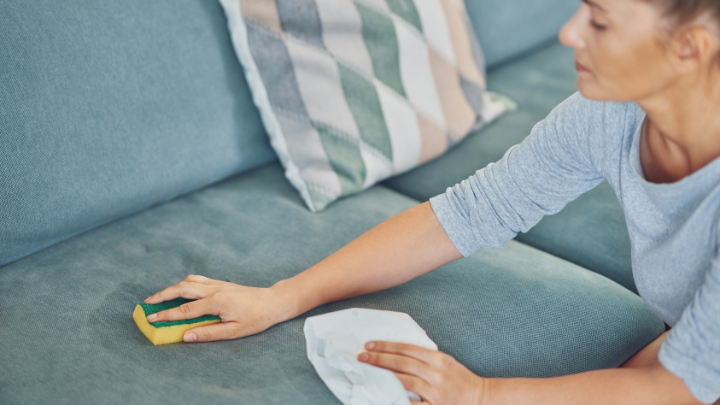
Keeping your couch spotless doesn’t have to be overwhelming if you follow the right steps. Start by vacuuming the entire surface to remove dust, crumbs, and pet hair, making sure to reach into the corners and crevices. Next, tackle problem areas by spot cleaning stains use a mild detergent, vinegar solution, or fabric-safe cleaner for food, pet, ink, or drink spills. For a deeper refresh, consider steam cleaning your sofa or calling in professional cleaning services for tough dirt and allergens. Finally, keep your couch smelling fresh by sprinkling baking soda, letting it sit, and vacuuming it off, or by using light fabric sprays. By combining these steps, you can restore your sofa’s beauty while maintaining a cleaner, healthier home.
Vacuuming and Dust Removal
Regular vacuuming your couch is the first and most important step to keeping it clean and allergen-free. Use a vacuum with a brush attachment to remove dust, crumbs, and pet hair from the surface and hidden crevices. Pay special attention to seams, cushions, and corners where dirt builds up quickly. This not only improves the appearance of your sofa but also prevents dust mites and odors, ensuring a healthier and fresher home environment.
Spot Cleaning Stains (Food, Pet, Ink, Drink Spills)
For everyday spills, act quickly by blotting the stain with a clean cloth never rub, as this spreads the stain:
- Food & Drink Spills: Mild dish soap mixed with water works well.
- Pet Accidents: An enzyme-based cleaner helps break down odor-causing bacteria.
- Ink Stains: Rubbing alcohol applied gently with a cotton ball can lift the ink.
Always spot test your solution on a hidden area before treating visible stains.
Deep Cleaning with Steam or Professional Help
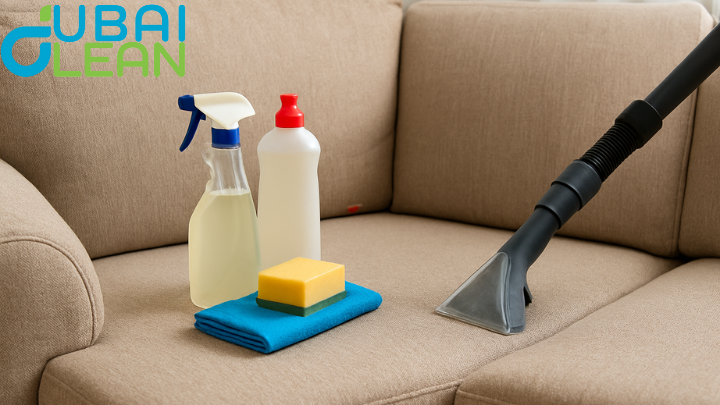
For tough stains and dirt trapped deep within the fabric, steam cleaning is among the best methods to refresh your couch. It effectively eliminates dust, bacteria, and unpleasant odors without relying on harsh chemicals, making it a safe choice for both families and pets. If you don’t have a steam cleaner at home, calling a professional sofa cleaning service in Dubai ensures a thorough and safe clean, especially for delicate fabrics or leather. Regular deep cleaning not only restores your couch’s fresh look but also extends its lifespan, keeping your living space healthy and inviting.
Deodorizing with Baking Soda and Fabric Sprays
Keeping your sofa smelling fresh is just as important as keeping it clean. Baking soda is a natural deodorizer that helps absorb unwanted odors from food, pets, and daily use. Simply sprinkle it evenly across the fabric, let it sit for 20–30 minutes, and vacuum thoroughly for a refreshed scent. For an instant boost, you can also use fabric sprays or upholstery-safe fresheners to give your couch a clean, inviting fragrance. Consistently deodorizing your home enhances indoor air quality while creating a more inviting and pleasant living environment.
5. Pro Tips for Long-Lasting Cleanliness
Maintaining a few practical habits can help keep your sofa looking clean and fresh for many years. Using sofa protectors and slipcovers helps shield your couch from spills, stains, and pet hair, while maintaining its original fabric. Establishing a regular maintenance routine, such as weekly vacuuming and monthly deep cleaning, prevents dirt and dust from building up. Always avoid harsh chemicals that can weaken or discolor fabrics opt for gentle, fabric-safe cleaners instead. And when tough stains or deep grime become hard to manage, it’s best to rely on professional sofa cleaning services in Dubai for expert care and long-lasting results.
Using Sofa Protectors and Slipcovers
One of the easiest ways to extend the life of your couch is by using sofa protectors and slipcovers. These covers act as a barrier against spills, stains, dust, and pet hair, keeping your sofa looking fresh and clean for longer. They are also removable and machine-washable, making them a convenient choice for busy households. With a variety of styles and fabrics available, slipcovers not only protect your couch but also allow you to refresh its look without buying a new one. For added durability and style, choose high-quality, washable slipcovers that fit snugly to your sofa’s design.
Avoiding Harsh Chemicals That Damage Fabrics
When cleaning your couch, it’s important to avoid harsh chemicals such as bleach, strong solvents, or abrasive cleaners. These products can weaken fabric fibers, cause discoloration, and shorten the lifespan of your sofa. Instead, opt for mild detergents, fabric-safe cleaners, or natural options like vinegar and baking soda, which are both effective and gentle. Always check the manufacturer’s cleaning label before applying any solution, and test it on a hidden area first to ensure it doesn’t damage the fabric. By choosing the right cleaners, you’ll keep your sofa fresh, clean, and long-lasting without the risk of harm.
When to Call Professional Sofa Cleaning Services
While DIY cleaning can handle everyday dirt and minor stains, there are times when professional sofa cleaning services in Dubai are the best solution. If your couch has deep stains, strong odors, mold growth, or delicate fabrics like suede and velvet, professionals use specialized tools and eco-friendly solutions to restore it safely. They provide deep steam cleaning that eliminates hidden dust mites and allergens, enhancing indoor air quality. Routine professional cleaning not only prolongs the lifespan of your sofa but also keeps your home looking and feeling refreshed. If your DIY efforts don’t deliver the desired results, it’s time to call in the experts.
6. Conclusion
By understanding your sofa’s material, using the right fabric cleaners, washing cushion covers, and tackling stains properly, you can maintain every type of upholstery with ease. Regular care such as weekly vacuuming, monthly deep cleaning, and using sofa protectors helps prevent dirt buildup and permanent stains. While DIY methods are practical and budget-friendly for everyday maintenance, professional sofa cleaning services play a vital role in handling deep cleans, delicate fabrics, and stubborn stains. Together, these approaches ensure your couch remains spotless, comfortable, and inviting for years to come.