


Maintaining clean and safe pool water is crucial for the health and safety of swimmers. Poorly treated water can harbor bacteria, viruses, and algae, causing skin irritations, eye infections, and even gastrointestinal issues. Proper pool care ensures a safe and enjoyable swimming experience.
A balanced pool requires more than just chlorine maintaining the right chemical levels, hygiene, and water clarity prevents health risks and protects pool surfaces. Cloudy water or algae not only looks unappealing but can also create slippery surfaces and hidden hazards. Studies show over 50% of residential pools fail basic water quality tests at least once a year, emphasizing the need for regular testing and maintenance.
1. Understanding Proper Pool Water Chemistry Balance
Maintaining proper pool water chemistry is the foundation of a safe and enjoyable swimming experience. Pool water chemistry refers to the precise balance of chemicals that ensure the water is safe for swimmers, prevents damage to the pool structure, and keeps water clear and inviting. Without this balance, pools can quickly develop problems such as algae growth, cloudy water, or even skin and eye irritation for swimmers.
Key Parameters of Pool Water Chemistry
To achieve optimal water balance, pool owners need to monitor several essential parameters:
- pH Level: Measures how acidic or alkaline the water is. Ideal pH for pools ranges from 7.2 to 7.6. Water outside this range can reduce chlorine efficiency, irritate skin and eyes, and corrode pool surfaces.
- Total Alkalinity: Acts as a buffer for pH levels, preventing sudden fluctuations. Recommended range is 80–120 ppm. Low alkalinity can cause pH swings, while high alkalinity can make pH difficult to adjust.
- Calcium Hardness: Measures the level of dissolved calcium in the water. Proper hardness (200–400 ppm) prevents corrosion of metal fixtures and scaling on pool surfaces.
- Stabilizer (Cyanuric Acid) Levels: Protects chlorine from being broken down by sunlight. Ideal range is 30–50 ppm. Too little stabilizer can lead to rapid chlorine depletion, while too much can reduce chlorine effectiveness.
Tools and Methods to Test Pool Water Chemistry
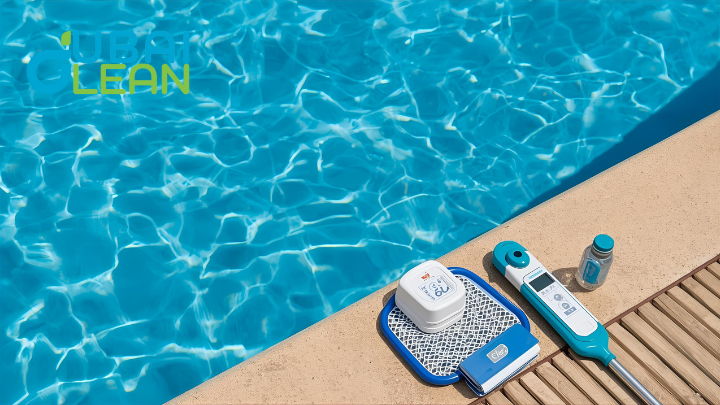
Regular testing is crucial to maintain chemical balance. Popular testing methods include:
- Test Strips: Quick and easy for basic checks of pH, chlorine, and alkalinity.
- Liquid Test Kits: Provide more accurate readings for multiple parameters, including calcium hardness and stabilizer levels.
- Digital Pool Testers: Advanced devices that offer precise, real-time readings and can track changes over time.
Common Mistakes Pool Owners Make
Many pool owners unknowingly disrupt the water balance through:
- Over-chlorination or under-chlorination
- Neglecting regular testing
- Adding chemicals without measuring
- Ignoring seasonal changes that affect water chemistry
By understanding and maintaining these key parameters, pool owners can ensure a healthy, safe, and sparkling pool all year round.
2. Chlorine Levels for Safe Pool Water
Chlorine is the most essential chemical in pool maintenance, serving as the primary disinfectant that keeps your swimming water safe from harmful bacteria, viruses, and algae. Without proper chlorine levels, even a visually clean pool can harbor pathogens that pose serious health risks.
Role of Chlorine in Disinfecting Pool Water
Chlorine works by breaking down organic contaminants, killing microorganisms, and oxidizing impurities. It ensures that the water remains hygienic and prevents unpleasant odors and cloudy water. Maintaining the correct chlorine balance is critical for swimmer safety and the longevity of your pool surfaces and equipment.
Recommended Free Chlorine Levels
For residential pools, it is recommended to maintain free chlorine levels between 1 and 3 ppm (parts per million). Commercial pools, which typically experience higher bather loads, require slightly higher chlorine levels, generally ranging from 2 to 4 ppm, to ensure effective disinfection and water safety.
How to Add and Maintain Chlorine Safely
Liquid chlorine quickly raises chlorine levels and is easy to measure, but should be added in small increments to avoid over-chlorination. Chlorine tablets dissolve slowly, making them ideal for continuous maintenance, and are often used in floaters or automatic feeders. Occasionally, chlorine shock treatments are necessary to rapidly increase chlorine levels, such as after heavy pool use or to combat algae. It is important to follow manufacturer instructions during shock treatments and avoid swimming until chlorine levels return to safe ranges.
Differences Between Chlorine Shock, Tablets, and Liquid Chlorine
Each form of chlorine serves a specific purpose. Chlorine shock provides a large, temporary boost to kill algae and bacteria quickly. Tablets deliver a steady, long-term release of chlorine, making them convenient for routine maintenance. Liquid chlorine is fast-acting and ideal for immediate adjustments, such as correcting low chlorine levels or performing quick sanitation.
Maintaining the right chlorine levels ensures your pool stays safe, clean, and pleasant for swimmers, reducing the risk of health issues and costly repairs.
3. Algae Prevention in Pools
Algae is one of the most common issues faced by pool owners, not only affecting the visual appeal of the pool but also creating slippery surfaces and health hazards. Understanding the types, causes, and prevention methods is key to keeping your pool clean and safe.
Types of Algae That Commonly Affect Pools: Green algae is the most common type found in swimming pools, forming a slimy green film on walls and floors. It typically develops due to poor sanitation or inadequate chlorine levels. Yellow or mustard algae appears as yellowish-brown spots and is often resistant to chlorine. This type usually grows in shaded or low-circulation areas. Black algae is the hardest to remove, forming on pool surfaces or in cracks with deep roots that require specialized treatment.
Causes of Algae Growth: Algae thrive in pools where water circulation and chemical balance are poor. Common causes include stagnant water from faulty pumps, excessive sunlight and high temperatures, imbalanced chemicals such as low chlorine or improper pH levels, and organic debris like leaves, pollen, or dirt that provide nutrients for algae growth.
Preventive Measures: To prevent algae, it is essential to maintain proper filtration by running the pool filter regularly to keep water circulating and remove contaminants. Maintaining balanced chemical levels, including chlorine, pH, and alkalinity, helps inhibit algae growth. Regular cleaning, such as skimming debris, brushing pool walls, and vacuuming the floor, further reduces the risk. Occasional chlorine shock treatments can also help destroy potential algae spores before they establish.
Effective Algae Treatment Strategies: When algae appear despite preventive measures, brushing and vacuuming the affected areas is the first step to remove visible growth. Using appropriate algaecides can target specific algae types, following manufacturer instructions carefully. Chlorine shock treatments can also be applied to eliminate algae, ensuring chlorine levels return to safe ranges before swimming.
Tips for Keeping Algae From Recurring: Maintaining consistent water circulation and filtration is key to preventing algae from returning. Regularly testing chemical levels, at least twice a week during hot months, ensures the water remains balanced. Prompt removal of debris prevents organic matter from fueling algae growth. Using a pool cover can further reduce sunlight exposure and debris accumulation, helping keep the pool clear and healthy.
By implementing these preventive and treatment measures, pool owners can minimize algae outbreaks, ensuring the pool remains clear, safe, and inviting year-round.
4. Pool Water Turbidity Causes
Pool water turbidity, or cloudiness, occurs when suspended particles make the water hazy. Cloudy water not only reduces the visual appeal of a pool but also poses safety and health risks, as it can hide swimmers in distress and may harbor bacteria, algae, or other contaminants. Common causes include high pH levels, improper filtration, accumulation of organic matter like leaves or sunscreen, and early-stage algae growth. Turbidity can also indicate chemical imbalances, increasing the risk of skin and eye irritation and potentially straining the pool’s filtration system.
To clear cloudy water, pool owners should regularly test and adjust water chemistry, clean or backwash filters, apply chlorine shock when needed, and remove debris by skimming and vacuuming. Using a pool water clarifier and running the pump continuously helps settle and filter fine particles. Preventive measures such as weekly filter cleaning, prompt debris removal, maintaining circulation, and periodic professional maintenance are key to keeping the water crystal-clear, safe, and inviting year-round.
5. Seasonal Pool Water Maintenance Tips
Maintaining a swimming pool requires adjusting care routines according to seasonal changes. Each season brings unique challenges that can affect water chemistry, clarity, and overall safety. Understanding these seasonal variations ensures your pool remains clean, balanced, and ready for use year-round.
Summer Care: During the hot summer months, pools face higher bather loads, increased evaporation, and a higher risk of algae growth. Swimmers introduce oils, sweat, and other contaminants, which can upset chemical balance. To maintain optimal water quality:
- Test chlorine, pH, and alkalinity at least twice a week
- Increase filtration and circulation to handle higher debris loads
- Monitor water levels due to evaporation and refill as necessary
- Perform occasional chlorine shock treatments to prevent algae outbreaks
Winter Care: In winter, pools experience reduced use, cooler temperatures, and less sunlight, which can slow down chemical activity. Proper winter maintenance is critical to avoid water quality deterioration and equipment damage. Recommended practices include:
- Lower chlorine levels slightly but keep enough to prevent bacterial growth
- Use pool covers to reduce debris accumulation
- Safely store chemicals in a dry, temperature-controlled location
- Consider adding antifreeze to plumbing if freezing temperatures occur
Frequency of Testing and Adjustments Based on Season: Pool water should be tested regularly, with frequency adjusted by season. During summer, test at least 2–3 times per week due to higher usage and faster chemical changes, while in winter, testing once a week is usually sufficient. Prompt adjustments ensure safe, balanced water year-round.
- Summer: Test water 2–3 times per week due to increased swimmer activity and rapid chemical changes
- Winter: Test water at least once per week, ensuring chemical levels remain within safe ranges
- Always adjust pH, alkalinity, and chlorine levels promptly after testing to maintain a safe swimming environment
By following these seasonal tips, pool owners can prevent chemical imbalances, minimize algae growth, and ensure their pool remains safe and inviting regardless of the time of year.
6. Safety and Health Considerations
Maintaining a safe swimming pool involves more than just clear water it is essential for protecting the health of all swimmers. Unbalanced water chemistry can lead to infections, skin irritation, and eye problems, while mishandling chemicals can damage pool equipment and pose safety hazards. Low chlorine allows bacteria and viruses to thrive, improper pH can cause rashes or dryness, and high alkalinity or chlorine levels can irritate eyes.
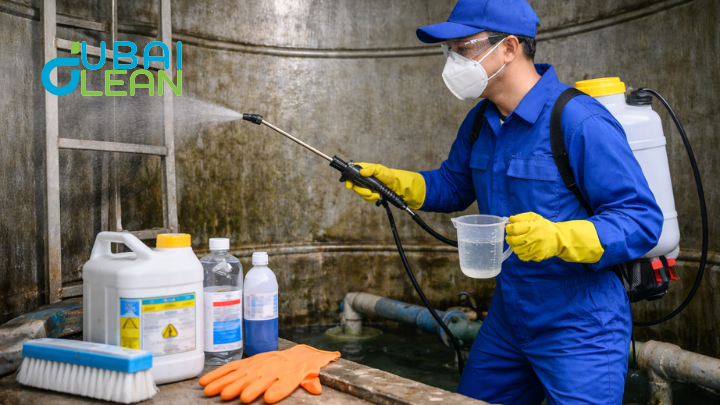
To ensure safety, always handle pool chemicals with care by wearing protective gear, storing them properly, and following manufacturer instructions. Never mix chemicals, and always add them to water, not the other way around. Professional assistance may be necessary for persistent algae, cloudy water, malfunctioning filtration, severe chemical imbalances, or seasonal pool preparation. Following these guidelines keeps your pool healthy, safe, and worry-free for all swimmers.
7. Conclusion
Maintaining a clean, safe, and inviting swimming pool requires consistent attention to water chemistry, chlorine levels, algae prevention, and water clarity. By balancing pH, alkalinity, and stabilizer levels, keeping chlorine within the recommended range, preventing algae growth, and addressing turbidity promptly, pool owners can ensure their water remains healthy and sparkling year-round.
Regular maintenance is not just a matter of aesthetics it protects swimmers’ health, prolongs the life of your pool, and prevents costly repairs. Simple steps like frequent testing, proper filtration, and seasonal adjustments go a long way in keeping your pool in top condition.
To ensure your pool is always safe and properly maintained, consider scheduling professional water testing or consulting experienced pool care services. Taking these precautions guarantees a worry-free, enjoyable swimming experience for you and your family.