


Introduction
Marble surfaces bring a touch of elegance and timeless charm to any space, whether it’s your kitchen, bathroom, or office. Over time, though, these beautiful surfaces can lose their shine, becoming scratched, stained, or dull from everyday use. To keep them looking their best, they require proper care and attention. In Dubai, many homeowners and businesses are faced with a decision: should they try to restore their marble themselves with DIY techniques, or is it worth hiring a professional for a more thorough, long-lasting fix?
In this article, we’ll compare DIY with professional restoration. We’ll look at the advantages and disadvantages, helping you decide which method is right for your situation. Factors like cost, expertise, and the results you’re aiming for will guide your choice. Whether it’s a small mark or more severe damage, the right solution will ensure your marble surfaces stay as stunning as the day they were first installed.
Understanding Marble Restoration
Marble is a natural stone admired for its elegance and strength. However, like any surface, it can experience wear and tear over time. Marble restoration involves rejuvenating the surface, enhancing its shine, and fixing common issues such as scratches, etches, stains, and discolouration. Whether it’s your marble countertop, floor, or bathroom surfaces, proper restoration can restore its original charm, ensuring it withstands daily use while retaining its sophisticated appeal.
Common Issues with Marble Surfaces:
- Etching – Caused by acidic substances like lemon juice or vinegar, etching leaves behind dull spots or marks on the marble.
- Stains – Marble can absorb liquids, leading to stubborn stains, particularly from oil-based products.
- Scratches – Small abrasions may develop from regular use or cleaning, diminishing the smooth, glossy finish of the marble.
- Dullness – Over time, marble can lose its shine due to dirt build-up or poor cleaning practices, requiring a polish to restore its lustre.
The purpose of marble restoration is to fix these issues and bring the stone back to its original or even better condition. The restoration process varies depending on the extent of the damage and can be handled either by professionals or, for smaller problems, tackled as a do-it-yourself project. Understanding the process will help you make the right decision for maintaining your marble surfaces.
DIY Restoration
For homeowners who want to revive the shine and appearance of their marble surfaces without the cost of professional services, DIY marble polishing is a practical option. With the right tools, products, and techniques, it’s possible to tackle minor scratches, dullness, and light stains. However, it is most effective for less severe issues and requires careful attention to avoid causing further damage. Check out the step-by-step marble polishing guide.
Advantages
- Cost-Effective: One of the biggest benefits is the money you can save on labour costs. You only need to purchase the necessary products, which are often much cheaper than hiring professionals.
- Control and Flexibility: It allows you to take charge of the process. You can work at your own pace, focus on specific spots, and stop when you’re happy with the result.
- Satisfaction of Accomplishment: There’s a sense of pride in restoring the beauty of your marble surfaces yourself, making it a rewarding project as part of your home upkeep.
Disadvantages
- Limited Expertise: Without professional experience, mistakes are easy to make, such as using the wrong products or applying too much pressure. These errors could damage the marble, and results may not match the quality of professional restoration.
- Risk of Damage: If the wrong polishing compounds or techniques are used, you could cause scratches or etching, which may be costly to repair later on.
- Time-Consuming: Polishing marble by hand or with a machine can take time, especially for larger areas or stubborn stains.
Do-it-Yourself Marble Restoration Process
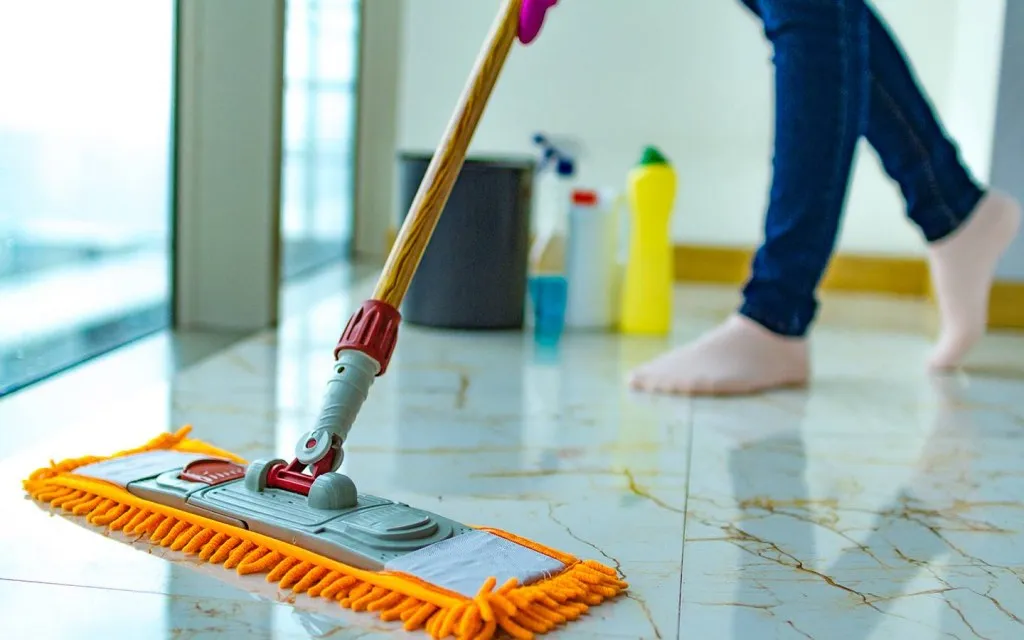
Here’s a simple, step-by-step guide to polishing your marble surfaces at home:
- Clean the Surface: Start by cleaning the marble thoroughly with a mild detergent and warm water to remove any dirt, dust, or grime. Dry the surface with a soft cloth.
- Remove Stains (If Needed): For stains, use a marble-safe cleaner or a poultice (a paste made from a cleaning product and an absorbent material like baking soda) to gently lift the stain.
- Apply Marble Polishing Compound: Choose a high-quality polishing compound with fine abrasives that will restore the shine without scratching. Apply the compound in a circular motion using a soft cloth or a polishing pad.
- Buff the Surface: After applying the compound, buff the surface with a clean, dry cloth to bring out the shine and ensure an even finish.
- Seal the Marble (Optional): To protect your polished marble from future stains and damage, consider applying a marble sealer, particularly on kitchen countertops and high-traffic areas.
Learn more about the 4 best DIY methods to clean marble floors.
Professional Marble Restoration in Dubai
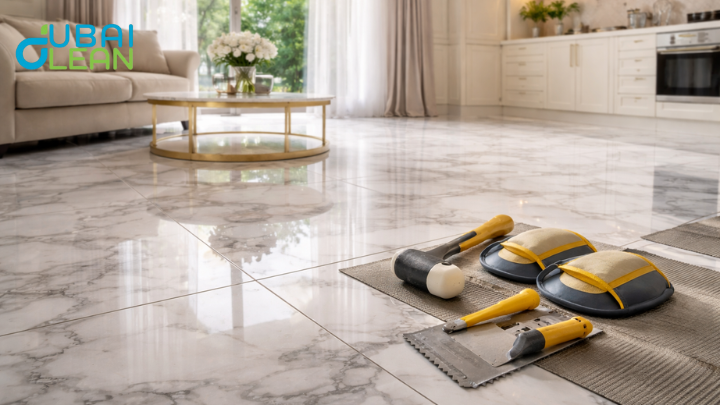
While DIY marble polishing can work for small touch-ups, professional restoration is often the best option for more extensive damage or when you want a flawless, long-lasting result. In Dubai, where marble is a popular choice for both residential and commercial spaces, professional services ensure your marble is restored to its original beauty, while also preserving its value over time.
Advantages
- Expertise and Experience: Professional restoration services in Dubai possess the technical expertise needed to handle various types of marble. Trained experts understand the unique qualities of your marble and use the correct methods to restore it without causing further damage.
- High-Quality Results: Professionals use advanced tools and techniques that go far beyond basic cleaning. They work with specialised equipment such as diamond abrasives, buffing machines, and polishing compounds to achieve a deep, long-lasting shine. These tools effectively remove deep scratches, etches, and stains, leaving your marble looking like new.
- Time Efficiency: Professional restoration is often quicker than DIY attempts. Equipped with the right tools and skills, experts can restore large areas or severe damage in a fraction of the time it would take an untrained individual.
- Long-Term Durability: Hiring a professional ensures not only a polished surface but also the long-term health of your marble. Many professionals also provide sealing services, which protect the stone from stains, etching, and wear, helping to extend the life of your surfaces.
- Restoration of Value: In high-end properties or commercial spaces, maintaining the beauty of marble is key to preserving the investment’s value. Professional restoration helps maintain the luxurious appearance of your property, which is particularly important in Dubai, where aesthetics and property value are highly valued.
Disadvantages
- Higher Cost: Professional restoration is a more costly option than DIY methods. The price includes labour, specialised equipment, and high-quality materials. However, this investment is often worth it for larger projects or marble surfaces with significant damage.
- Scheduling and Availability: Depending on the company’s availability and the scope of the job, you may need to wait for a professional team to be free. High-demand periods and certain seasons can also affect the timing of service.
The Professional Restoration Process
- Initial Assessment: The process begins with a comprehensive evaluation of your marble surfaces. Experts assess the extent of damage, including stains, etching, cracks, or deep scratches, and decide on the best course of action.
- Cleaning: The restoration team starts by cleaning the marble using specialised solutions to remove dirt, dust, and grime, ensuring the surface is prepared for polishing and restoration.
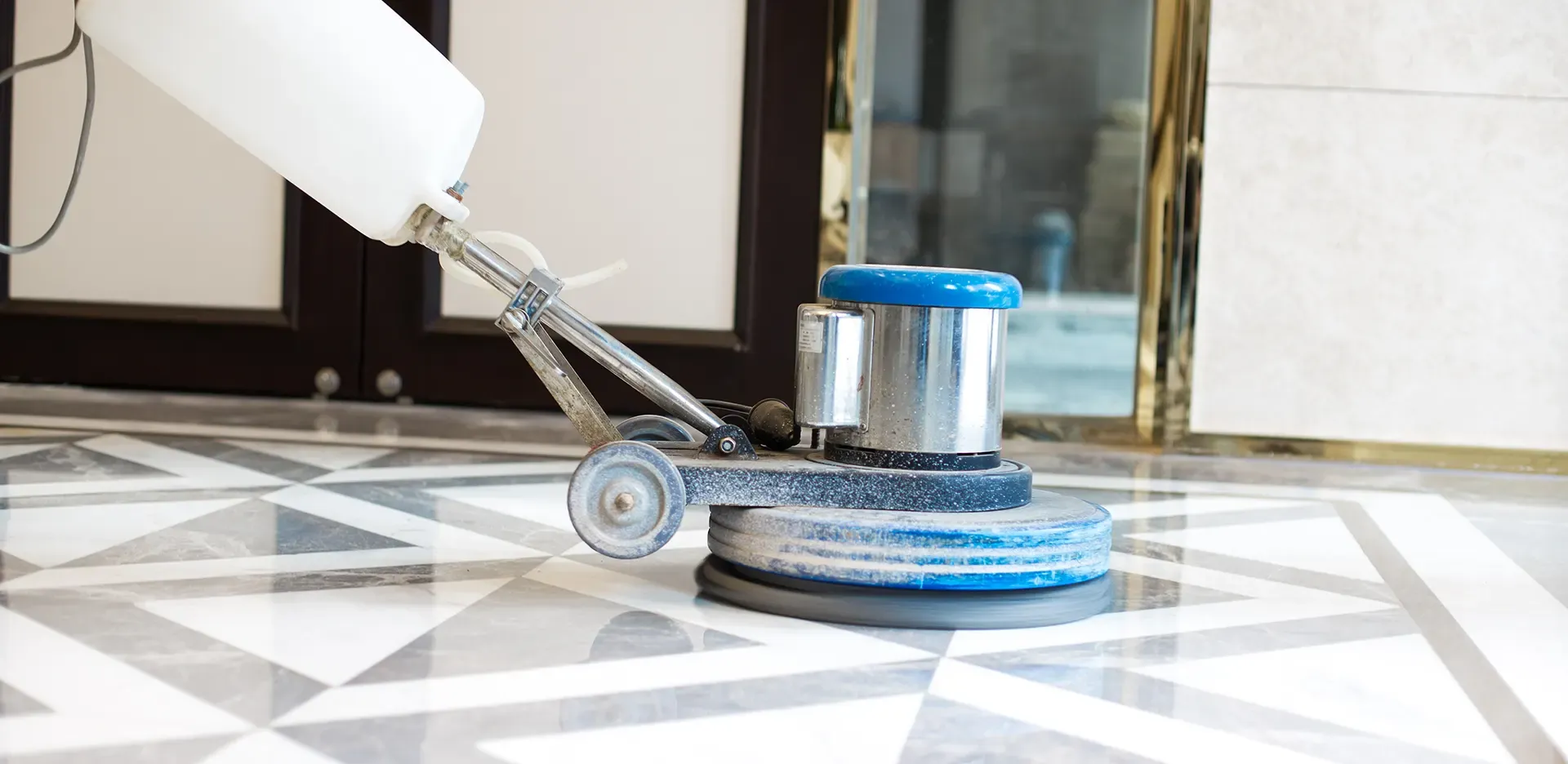
- Grinding and Honing: For heavily damaged surfaces, grinding and honing may be necessary. Using diamond abrasives, this step levels the surface, removing scratches, stains, and etching while smoothing uneven areas for a more uniform appearance.
- Polishing: Once the surface is smooth, it’s polished using a high-speed machine and polishing compound. This step restores the shine and enhances the marble’s natural lustre.
- Sealing: After polishing, professional restoration services often include sealing the marble. This protective layer helps prevent stains, water damage, and wear, ensuring your marble stays beautiful for years.
Conclusion
Restoring the beauty of your marble surfaces is essential for maintaining their elegance, whether you choose DIY marble polishing or professional restoration. Both approaches offer unique benefits based on your needs, budget, and the condition of your marble.
DIY polishing is a cost-effective and convenient solution for minor issues, providing homeowners with the flexibility to address small touch-ups. However, it demands time, effort, and a certain level of expertise to avoid causing further damage to the stone.
On the other hand, professionals offer unmatched expertise, advanced tools, and long-lasting results. For significant damage or when a flawless finish is desired, professional services ensure that your marble surfaces are restored to their original beauty and protected against future wear and tear. The professionalism and attention to detail provided by restoration experts deliver the highest-quality results.
Ultimately, whether you choose DIY or professional restoration depends on the complexity of the task and your aesthetic and functional goals. For larger or more intricate restoration projects, professional services are often the best choice, ensuring exceptional results and long-term protection. For smaller-scale jobs, DIY methods can still offer satisfying results while maintaining your marble’s natural charm.
Regardless of your choice, proper care and maintenance of your marble surfaces will ensure they continue to shine for years to come, preserving their elegance and value.
FAQs
What is the difference between DIY marble polishing and professional marble restoration?
DIY marble polishing involves using basic cleaning products and polishing compounds to restore shine to marble surfaces, typically for minor issues like dullness or light scratches. In contrast, professional restoration is a comprehensive service addressing damage such as stains, etching, and extensive wear. Professionals use specialised tools like grinding, honing, and sealing to fully restore the marble.
What does professional marble restoration include?
It typically includes a thorough cleaning, followed by grinding and honing to remove scratches, unevenness, and deeper damage. The marble is then polished to a glossy finish, and a protective sealer is applied to prevent future staining and damage. This process addresses more complex issues like stains, etching, and discolouration, ensuring a lasting, beautiful result.
How do I make my marble shiny again?
To make marble shiny again, you can use a marble-specific polish or a specialised cleaning product designed for marble surfaces. A mild solution of water and dish soap, followed by buffing with a soft cloth, can also restore some shine. However, for optimal and durable shine, professional restoration with grinding and polishing is recommended for best results.
Does baking soda shine marble?
Baking soda can clean marble surfaces and remove stains but is not effective in restoring shine. While it may clean the surface temporarily, frequent use of baking soda can be abrasive and cause the marble to appear dull. For a lasting shine, it’s better to use a dedicated marble polish or seek professional marble polishing services.
How to make marble floors shine at home?
To shine marble floors at home, use a pH-neutral cleaner and buff the surface with a microfiber cloth or polishing pad. A mild dish soap and water solution can also clean and help restore some gloss. For deeper restoration and long-lasting shine, professional marble restoration services are highly recommended.
Can damaged marble be restored?
Yes, damaged marble can be restored, especially by professionals. Techniques like grinding, honing, and polishing can repair deep scratches, stains, and etching, bringing the marble back to its original condition. Do-it-yourself methods may work for minor damage, but professional restoration ensures a more thorough and durable result.
How to restore discoloured marble?
Discoloured marble can be restored by identifying the cause of the discolouration, such as stains, acid etching, or natural ageing. Professional restoration services can remove discolouration through grinding, honing, and polishing. Specialised treatments for stains can also be applied. Regular maintenance, including resealing, can help prevent future discolouration.