


Introduction
Leather couches are a beautiful addition to any home. They bring luxury and elegance to your space. But to keep them looking their best, regular cleaning is essential. While many commercial cleaners are available, they often contain harsh chemicals that can harm the leather and leave unwanted residues behind.
That’s where natural leather couch cleaning comes in. Homemade, eco-friendly cleaners are a much safer option. By using simple ingredients like vinegar, olive oil, and castile soap, you can easily clean your leather without damaging it. These natural cleaners are gentle, protecting the leather’s texture and colour. Plus, they’re better for both your health and the environment.
In this guide, I’ll show you why cleaning your leather couch naturally is so important. You’ll find easy recipes to keep your couch looking pristine for years. Whether you’re dealing with everyday dirt or the occasional spill, a homemade leather couch cleaner spray is the best thing to clean a leather sofa with. Let’s dive into how to clean leather couches naturally and keep that luxurious look intact.
Understanding Leather Upholstery: Types and Care Requirements
Leather upholstery is a popular choice for furniture, offering both comfort and timeless appeal. But not all leather is the same. Knowing the different types can help you understand how to best care for your leather couch. Each type has its qualities, which means it requires slightly different care.
Types of Leather Upholstery
Full-Grain Leather
Description: Full-grain leather is the highest quality. It’s made from the top layer of the hide, preserving its natural texture and any imperfections. This leather is tough and develops a beautiful patina over time.
Care Requirements: It needs minimal cleaning, but regular maintenance is important. Using natural cleaners and a leather conditioner will keep it soft and prevent cracking.
Top-Grain Leather
Description: Top-grain leather is also from the top layer of the hide, but it’s been sanded to remove imperfections. It has a more uniform look than full-grain leather but is still strong and durable.
Care Requirements: Like full-grain leather, top-grain leather should be cleaned and conditioned regularly. However, it can be a bit more prone to scratches, so take extra care when cleaning.
Genuine Leather
Description: Genuine leather comes from the lower layers of the hide. It’s treated to achieve a smooth and even appearance. While it’s cheaper than full-grain or top-grain leather, it’s still comfortable and durable.
Care Requirements: Genuine leather needs more frequent conditioning and cleaning. It can dry out and crack more easily, so using a homemade leather couch cleaner is the best way to protect it.
Bonded Leather
Description: Bonded leather is made from scraps of leather that are shredded and glued together. It’s the most affordable option but not as durable as other types of leather.
Care Requirements: Bonded leather needs gentle cleaning to avoid peeling or cracking. Use a soft cloth and natural cleaners to avoid damaging the material.
Leather Care Essentials
No matter the type, proper care is key to keeping your leather couch looking great. Here are some essential care tips:
- Regular Cleaning: Dust and dirt can build up on leather, so clean it regularly. A soft cloth or vacuum with a brush attachment will do the job without scratching the surface.
- Conditioning: Leather can lose moisture over time, leading to cracks. Use homemade conditioners, like olive or coconut oil, to keep it soft and supple.
- Protection: Leather is prone to spills and stains, so it’s important to clean up any messes quickly. For added protection, use a natural leather protectant to shield your couch from stains and moisture.
By understanding the different types of leather and how to care for them, you can ensure your leather couch stays beautiful and lasts for years.
Top Homemade Leather Couch Cleaner Recipes
Taking care of your leather couch doesn’t have to mean using harsh chemicals. Homemade leather cleaner solutions are a fantastic, natural alternative that’s gentle on your upholstery while still being highly effective. Plus, many of the ingredients you need are probably already in your kitchen! Here are some of the best homemade cleaner recipes that are easy to make and will help keep your leather looking pristine.
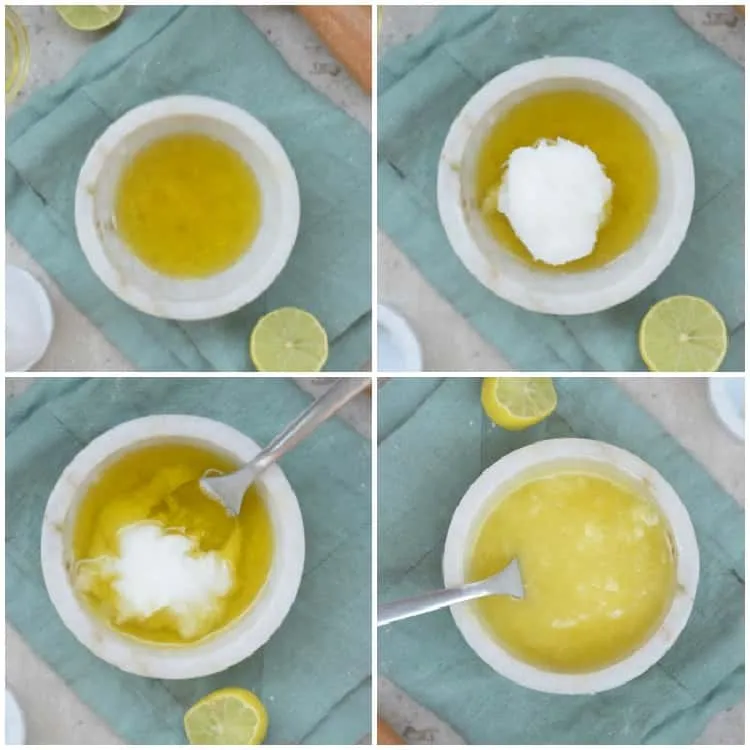
1. White Vinegar and Olive Oil Solution
This simple yet powerful cleaner brings out the natural shine of your leather couch. White vinegar helps clean stains, while olive oil moisturises the leather, keeping it soft and nourished.
Ingredients:
- 1/2 cup of white vinegar
- 1/4 cup of olive oil
- 10-15 drops of essential oil (optional for fragrance)
Instructions:
- Mix the white vinegar and olive oil in a bowl.
- Add a few drops of your favourite essential oil (like lavender or lemon) for a lovely scent.
- Dampen a microfiber cloth with the mixture—don’t soak it!
- Gently wipe the leather in small, circular motions.
- Buff the leather with a dry cloth to ensure it’s conditioned and not too oily.
Benefits:
- White vinegar helps remove dirt and stains.
- Olive oil keeps the leather moisturised and prevents cracking.
- Essential oils give a fresh, clean fragrance.
2. Castile Soap and Water Mix
Castile soap is a gentle, plant-based soap perfect for cleaning delicate leather surfaces. Combined with water, it creates a mild yet effective cleaner that won’t strip the leather’s natural oils.
Ingredients:
- 1 tablespoon of liquid Castile soap
- 1 cup of warm water
- 10 drops of essential oil (optional for fragrance)
Instructions:
- Mix the Castile soap and warm water in a bowl.
- Stir until the soap dissolves completely.
- Add a few drops of essential oil if you want a fresh fragrance.
- Dampen a microfiber cloth with the solution (don’t over-wet it!).
- Wipe down the leather, using gentle circular motions.
- Dry the leather with a clean, soft cloth to prevent moisture build-up.
Benefits:
- Castile soap is safe and non-toxic, making it great for both your leather and the environment.
- It effectively removes dirt and stains without damaging the leather.
- Essential oils leave your couch smelling fresh.
3. Essential Oil Infused Leather Cleaner
Essential oils not only add a lovely fragrance but also help disinfect and condition your leather. This all-in-one cleaner is perfect for routine cleaning and helps keep your leather upholstery healthy.
Ingredients:
- 1/4 cup of distilled water
- 1/4 cup of white vinegar
- 1 tablespoon of olive oil
- 10 drops of essential oil (like lemon, tea tree, or lavender)
Instructions:
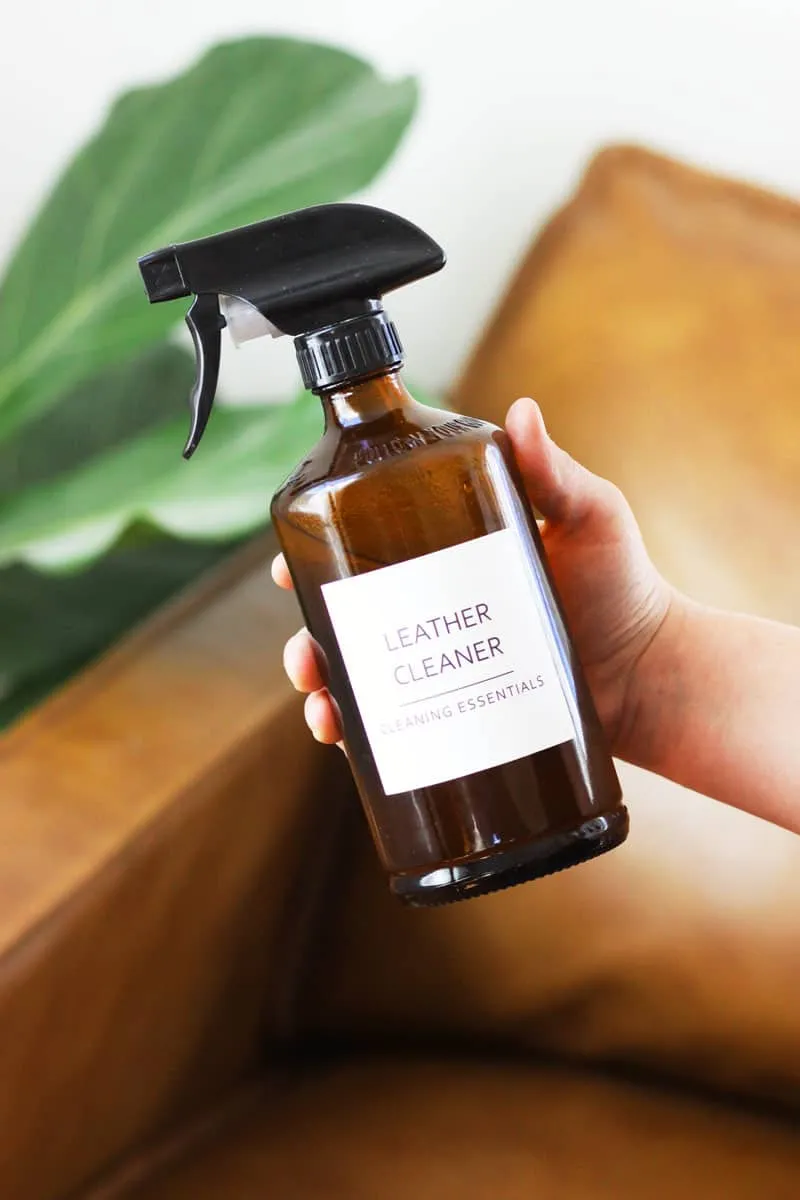
- Mix the distilled water, white vinegar, and olive oil in a spray bottle.
- Add your chosen essential oil for fragrance and benefits.
- Shake the bottle gently to combine.
- Spray the cleaner onto a microfiber cloth (never directly onto the leather).
- Wipe the couch with the cloth in circular motions.
- Buff the leather with a dry cloth to finish.
Benefits:
- Essential oils provide a natural fragrance and antibacterial benefits.
- Olive oil helps condition the leather, preventing dryness and cracking.
- This cleaner is perfect for regular use, maintaining both cleanliness and softness.
4. Baking Soda and Water Paste for Stains
If your leather couch has stubborn stains, especially greasy spots, baking soda is a great natural solution. It’s a gentle abrasive that works wonders without scratching the surface.
Ingredients:
- 2 tablespoons of baking soda
- 1 tablespoon of water
Instructions:
- Mix the baking soda and water to form a paste.
- Apply the paste to the stained area using a soft cloth or sponge.
- Gently rub the paste in circular motions.
- Let it sit for 10-15 minutes to absorb the stain.
- Wipe away the paste with a clean, damp cloth and dry the area with a soft towel.
Benefits:
- Baking soda lifts oils and stains without damaging the leather.
- It’s perfect for greasy or sticky marks.
- The paste is gentle, making it ideal for delicate leather surfaces.
5. Coconut Oil and Vinegar Conditioner
Coconut oil is a fantastic natural conditioner that restores moisture to your leather. When mixed with vinegar, it cleans and nourishes your couch, helping to keep it soft and supple.
Ingredients:
- 1 tablespoon of coconut oil
- 1/2 cup of white vinegar
Instructions:
- Mix the coconut oil and vinegar in a small bowl.
- Apply a small amount to a microfiber cloth.
- Rub the cloth into the leather, working in small sections.
- Buff the leather with a dry cloth to bring out its natural shine.
Benefits:
- Coconut oil deeply conditions the leather, preventing it from becoming brittle or dry.
- Vinegar cleans and disinfects, keeping your leather fresh.
- This conditioner is perfect for maintaining the softness and suppleness of your leather couch.
Homemade recipes are a simple, affordable, and eco-friendly way to keep your leather furniture looking fantastic. By using natural ingredients like white vinegar, olive oil, Castile soap, and essential oils, you can clean, condition, and protect your leather couch without harsh chemicals. Regular use of these natural solutions will ensure your leather stays beautiful, comfortable, and durable for years to come.
Essential Tips for Proper Leather Furniture Care
To preserve the elegance and longevity of your leather furniture, following proper care routines is key. While cleaning is crucial, there are additional practices that will keep your leather pieces in excellent condition. These tips will help you avoid wear and tear, prevent damage, and ensure your leather furniture stays luxurious for years to come.
Rotate Cushions and Pillows Regularly
To prevent uneven wear, it’s important to rotate your cushions and pillows every few weeks. This helps maintain the shape of your leather sofa and ensures a longer lifespan.
Tip: Rotate removable cushions to avoid sagging in specific spots. For non-removable cushions, adjust your seating position occasionally to balance the pressure.
Avoid Sharp Objects
While leather is durable, sharp items like keys, pens, or pet claws can cause irreparable damage. Always take care to prevent these objects from coming into contact with your furniture.
Tip: Keep sharp objects away from the leather and trim your pets’ claws regularly to reduce scratching risks.
Use a Leather Protector Spray
A quality leather protector spray can help shield your furniture from stains, spills, and dirt by creating a protective barrier.
Tip: Select a non-toxic leather protector, and always test it on a hidden section of your sofa before applying it to the entire surface.
Keep Leather Away from Heat Sources
Leather can dry out and crack when exposed to excessive heat. Although it can handle some warmth, prolonged exposure can cause irreversible damage.
Tip: Place your leather furniture away from heat sources like radiators, heating vents, or fireplaces. If placed near windows, ensure that sunlight doesn’t excessively heat the area.
Act Quickly on Spills
To avoid stains, clean up spills immediately. Liquids left on leather can seep in and cause discolouration or mildew.
Tip: Blot the spill gently with a soft cloth or paper towel, never rub it into the surface. For stubborn stains, use a mild homemade cleaner and apply it lightly.
Condition Every 6-12 Months
Leather requires regular conditioning to remain soft and supple and prevent cracking. Conditioning replenishes the natural oils, keeping the leather looking its best.
Tip: Use a natural leather conditioner, such as a mixture of olive oil and vinegar. Apply it sparingly, massaging it gently into the leather with a soft cloth.
Protect from Sunlight Exposure
UV rays can fade and dry out leather, leaving it brittle and faded. Protect your leather furniture from direct sunlight whenever possible.
Tip: Move your leather furniture away from direct sunlight, or use UV-blocking window treatments to protect it from harmful rays.
Use a Leather Cleaning Brush
A soft-bristled leather cleaning brush is perfect for removing embedded dirt and debris, especially in seams and textured areas.
Tip: Lightly brush your leather every month with a soft-bristled brush. Avoid stiff brushes to prevent scratching the leather.
Keep Leather in Dry Environments
Leather is susceptible to moisture, which can lead to mildew or mould. Keeping leather furniture in a dry, well-ventilated area is essential for its longevity.
Tip: Use a dehumidifier in humid areas and blot any moisture immediately. Allow the leather to air dry naturally after it gets wet.
Avoid Soap and Harsh Detergents
While soap and harsh detergents may seem effective, they strip the leather of its natural oils, leading to dryness and cracking.
Tip: Steer clear of bleach, ammonia, or soap-based cleaners. Stick to natural, leather-specific cleaning solutions for the best results.
Schedule Professional Cleaning and Repair
Despite regular care, leather furniture occasionally needs professional attention. If your sofa has deep stains or significant wear, consulting a professional leather cleaner is a wise choice.
Tip: Have your leather furniture professionally cleaned and repaired every 1-2 years to maintain its condition and address any major issues.
Conclusion
Proper care and attention to your leather furniture are key to preserving its beauty and extending its lifespan. By adhering to the best practices for cleaning, conditioning, and protecting your leather pieces, you can maintain their pristine appearance for many years. Regular upkeep—such as dusting, conditioning, and quickly dealing with spills—will help prevent damage and maintain the leather’s natural shine.
Opting for natural, homemade cleaners and conditioners is a safe and effective way to care for your leather without exposing it to harmful chemicals. With these simple yet powerful tips, your leather furniture will remain not only comfortable and elegant but also durable, offering you the luxury of enjoying it for years to come while preserving its timeless appeal. Consistency and care are the keys to ensuring your leather furniture remains a beautiful and lasting centrepiece in your home.