


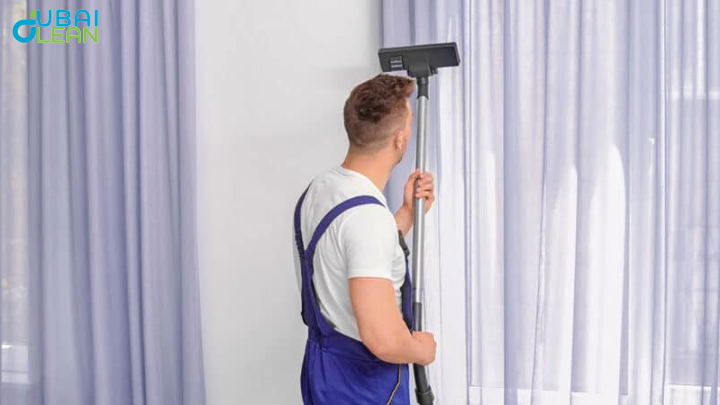
Curtains do more than just decorate a room; they trap dust, pollen, and airborne particles that affect your home’s cleanliness and air quality. Over time, these beautiful fabrics can become breeding grounds for allergens, unpleasant odors, and even mold if not cleaned regularly. That’s why proper curtain cleaning is essential not only for maintaining a fresh, elegant look but also for promoting a healthy indoor environment.
However, one common struggle many homeowners face is deciding the right cleaning method. Should you wash your curtains, dry clean them, or use a curtain steam cleaner. Each option comes with its own benefits, techniques, and precautions depending on the fabric type and level of dirt. In this guide, we’ll explore the most effective ways to clean your curtains whether through window washing curtains, curtain dry cleaning, or dry cleaning curtains at home so you can keep your living space spotless and stylish year-round.
1. Window Washing Curtains – The Right Way to Refresh Your Drapes
Keeping your curtains clean is essential for maintaining a dust-free and healthy home. Over time, curtains collect dirt, allergens, and odors that can dull their appearance and affect indoor air quality. Regular window washing curtains not only refreshes your living space but also extends the fabric’s life. Whether you prefer machine washing or hand washing, choosing the right method helps protect the fabric’s color and texture. In Dubai’s warm climate, quick-drying your curtains is easy. Simply hang them immediately after washing to enjoy a fresh and elegant look every time.
How Often to Wash Curtains for a Dust-Free Home
Curtains easily collect dust, pet hair, and airborne particles, which can affect indoor air quality over time. To keep your home clean and healthy, it’s best to wash your curtains every three to six months. If you live in a high-traffic or dusty area of Dubai, consider washing them more often. Regular cleaning helps prevent allergens, unpleasant odors, and fabric discoloration.
Best Detergents and Washing Machine Settings
Choosing the right detergent makes a big difference. Always go for mild, fabric-safe detergents that are free from harsh chemicals or bleach. For most curtains, use the gentle or delicate cycle on your washing machine with cold or lukewarm water. Avoid using strong stain removers unless the label allows it. This method keeps the fabric fresh, soft, and long-lasting while protecting colors from fading.
Quick-Dry Tips for Dubai’s Climate
Dubai’s hot and dry weather actually works in your favor when drying curtains. After washing, rehang the curtains immediately to let them dry naturally. The warm air helps evaporate moisture quickly and prevents wrinkles. Avoid direct sunlight, especially for darker shades, as it can cause fading. If drying indoors, use a fan or air-conditioned room to maintain airflow and protect fabric texture.
2. Curtain Dry Cleaning – Why It’s a Smart Option for Delicate Fabrics
Curtain dry cleaning is the safest and most effective method for maintaining delicate fabrics such as silk, velvet, and linen. Unlike regular washing, dry cleaning uses special solvents instead of water, which prevents shrinking, fading, or fabric damage. It removes deep-seated dust, stains, and odors while keeping your curtains soft and fresh. For homeowners in Dubai, choosing professional dry cleaning services ensures your curtains retain their luxurious look and last much longer making it a smart investment for both style and hygiene.
Benefits of Professional Curtain Dry Cleaning
Professional curtain dry cleaning offers deep cleaning without using water, which helps preserve fabric color, shape, and quality. It effectively removes stubborn stains, dust, and odors that regular washing can’t handle. This method is ideal for maintaining the luxurious appearance of your drapes while extending their lifespan especially for delicate or expensive materials.
Which Materials Require Dry Cleaning Only
Some curtain fabrics are too delicate for machine or hand washing. Velvet, silk, chenille, and lined curtains should always be dry cleaned to prevent shrinkage or color bleeding. The solvent-based cleaning process used in dry cleaning protects these materials from water damage and maintains their smooth, elegant texture. Always check the fabric care label before deciding on a cleaning method.
Process and Benefits of Professional Service
During professional curtain dry cleaning, experts use specialized solvents and equipment to remove dirt and grease gently. The process typically involves pre-spot treatment, solvent cleaning, and steam finishing to restore the curtain’s shape and freshness. One of the biggest advantages is convenience; most cleaners in Dubai also offer pickup and delivery services, saving you time and effort while ensuring a flawless finish.
3. Dry Cleaning Curtains at Home – Simple DIY Techniques
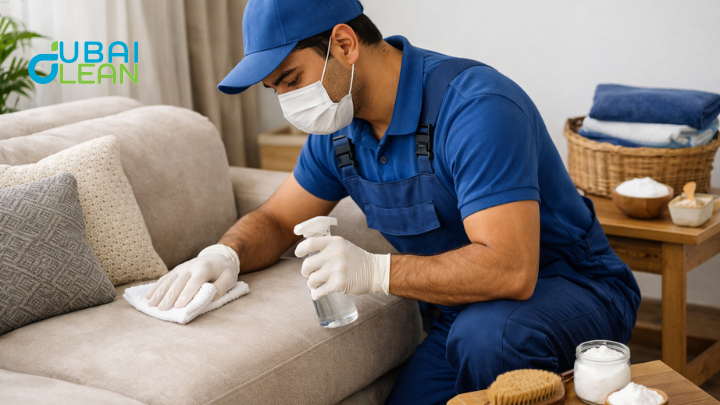
Dry cleaning curtains at home is an affordable and convenient way to keep them fresh between professional cleanings. Start by removing dust using a vacuum with a brush attachment, then spot-clean stains with a mild dry-cleaning solvent or a mix of vinegar and baking soda. Always test any solution on a hidden area first to prevent fabric damage. Avoid using too much water or heat, as this can cause shrinking or color fading. While DIY cleaning is great for light maintenance, delicate or heavily soiled curtains should still be handled by a professional curtain dry cleaner for the best results.
Step-by-Step Method to Dry Clean Curtains Without Professional Help
You can easily dry clean curtains at home with just a few tools and products. First, remove the curtains and shake off any loose dust. Use a vacuum cleaner with a soft brush attachment to remove surface dirt. Next, spot-clean stained areas using a dry-cleaning solvent or gentle fabric cleaner. Wipe the fabric with a soft, clean cloth, and let it air dry completely before rehanging. Always test any product on a small, hidden area first to ensure it doesn’t damage the fabric.
Household Products That Work as Mild Dry-Cleaning Agents
If you don’t have a commercial solvent, several household alternatives can help. Use a mixture of white vinegar and baking soda to remove odors and light stains. Another option is rubbing alcohol mixed with water, which works well for grease marks. Always apply these solutions with a soft sponge or cloth, never soak the curtain to protect delicate fibers from damage.
Precautions to Avoid Shrinking or Color Fading
When dry cleaning curtains at home, avoid using excess water or heat. Over-wetting can cause shrinkage, especially in cotton or linen fabrics. Never use bleach or harsh chemicals, as they can lead to color fading or weakening of fibers. It’s best to air dry curtains indoors or in a shaded area to maintain their natural color and texture.
4. Curtain Steam Cleaner – A Quick and Effective Solution
A curtain steam cleaner is one of the easiest and most effective ways to refresh your drapes without removing them. It uses hot steam to loosen dirt, kill germs, and remove unpleasant odors, all without harsh chemicals. This method is ideal for heavy or non-washable fabrics, as it cleans deeply while protecting the material’s texture and color. Steam cleaning also helps eliminate dust mites and allergens, making it a great option for families and allergy-prone individuals. With just a few passes, your curtains look smoother, cleaner, and naturally fresh.
How Curtain Steam Cleaners Work
A curtain steam cleaner uses hot steam to loosen dirt, kill germs, and remove odors without using harsh chemicals. The high temperature breaks down grease and dust particles trapped in the fabric, leaving your curtains clean and refreshed. Steam cleaning is especially effective for heavy or non-washable fabrics, as it sanitizes and revitalizes them without causing shrinkage or fading.
Benefits of Steam Cleaning for Allergy Prevention
One of the biggest advantages of using a curtain steam cleaner is its ability to eliminate dust mites, allergens, and bacteria that accumulate over time. This makes it perfect for homes with children, pets, or allergy sufferers. Steam cleaning not only improves indoor air quality but also restores your curtain’s natural texture and freshness without chemicals a safe, eco-friendly cleaning choice for Dubai households.
Common Mistakes to Avoid While Using a Steam Cleaner
Avoid holding the steam nozzle too close, as it can cause water spots or damage delicate fabrics. Never use the steam cleaner on silk or velvet curtains without checking the care label first. Also, ensure your curtains are hung properly before steaming to prevent creases. Using distilled water instead of tap water can help prevent mineral buildup in your machine and extend its lifespan.
5. Best Time to Clean Curtains in Dubai
In a dusty and humid climate, curtains quickly collect dirt, allergens, and odors, making regular cleaning essential. Ideally, you should clean your curtains every three to four months to keep them fresh and hygienic. During humid months, steam cleaning or dry cleaning helps prevent mold and unpleasant smells. Light vacuuming every two weeks also keeps dust from settling deep into the fabric. By maintaining this simple cleaning routine, your curtains will stay bright, soft, and elegant all year round.
Ideal Cleaning Frequency Based on Dust and Humidity Levels
Dubai’s environment is known for its dusty winds and occasional humidity, which can cause curtains to gather dirt and odors quickly. To maintain a clean and healthy home, it’s best to wash or dry clean your curtains every three to four months. Homes near main roads or construction areas may need more frequent cleaning. Regular upkeep not only keeps the fabric fresh but also helps reduce allergens and maintain better indoor air quality.
Seasonal Maintenance Tips to Keep Curtains Fresh Year-Round
To keep your curtains looking new all year, make light vacuuming a biweekly habit. This removes surface dust before it settles deep into the fabric. Schedule a deep cleaning session before and after summer, when air conditioners and open windows increase dust circulation. During humid months, consider using a curtain steam cleaner to prevent mildew and musty smells. These small seasonal efforts go a long way in keeping your curtains bright, clean, and elegant in Dubai’s unique climate.
6. Signs Your Curtains Need Cleaning or Replacement
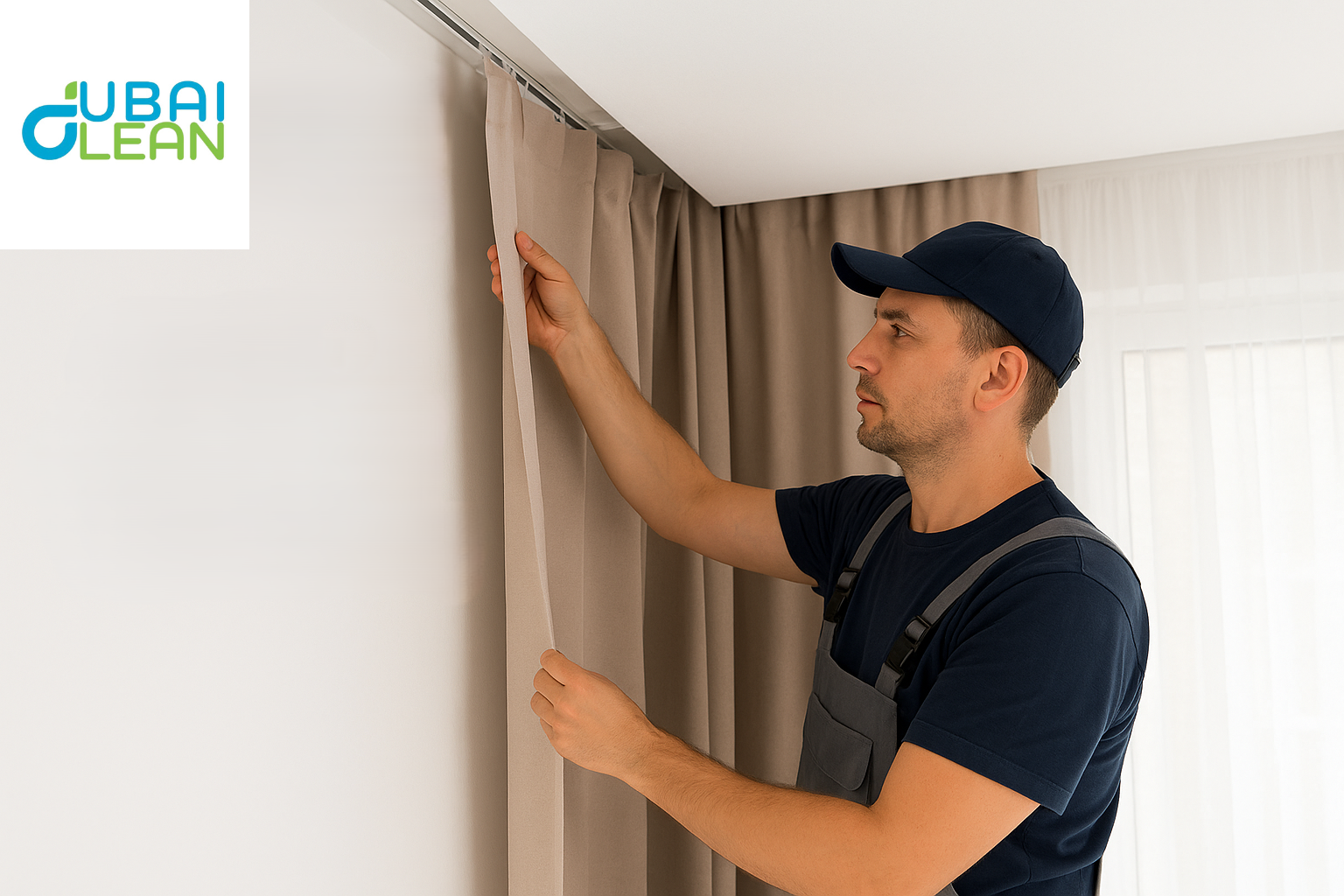
Your curtains often reveal when it’s time for a refresh. Faded colors, bad odors, or visible dust buildup are clear signs they need cleaning. These issues not only dull the room’s appearance but can also affect indoor air quality. If regular washing or dry cleaning doesn’t restore their freshness, it may be time to replace them. Old or damaged curtains can hold allergens and lose their charm, so investing in new ones instantly brightens and revitalizes your living space.
Faded Color, Bad Odor, or Accumulated Dust
Over time, curtains start to show visible signs of wear and tear. If you notice faded colors, persistent odors, or layers of dust, it’s a clear sign they need cleaning. These issues not only affect the curtain’s appearance but also impact air quality inside your home. Regular washing or dry cleaning can restore freshness and vibrancy, helping your space look and feel cleaner.
When Cleaning Won’t Help and Replacement Is the Better Choice
Sometimes, even after repeated cleaning, curtains may still look dull or damaged. If the fabric feels brittle, the stitching is coming loose, or stains have become permanent, it’s time to consider a replacement. Choosing new curtains not only enhances your home décor but also ensures a healthier and more polished environment, free from dust and allergens trapped in old fabrics.
7. Common Mistakes to Avoid During Curtain Cleaning
When cleaning curtains, a few common errors can cause more harm than good. Using harsh detergents can fade colors and weaken fabric fibers, while ignoring care labels may lead to shrinkage or damage. Avoid drying curtains in direct sunlight, as it can make them brittle and discolored. Similarly, over-steaming delicate materials like silk or velvet can leave water marks or distort their texture. Following the proper cleaning methods helps keep your curtains looking fresh, soft, and long-lasting.
Using Harsh Detergents
One of the biggest mistakes people make is using strong or chemical-based detergents. These can damage delicate fibers, cause color fading, and weaken the fabric over time. Always opt for mild, fabric-safe detergents designed for delicate materials to maintain the curtain’s softness and shine.
Ignoring Care Labels
Every curtain comes with a care label that provides essential washing and drying instructions. Ignoring it can lead to shrinking, discoloration, or permanent damage. Always check whether your curtains are machine washable, dry-clean only, or suitable for steam cleaning before you begin.
Drying Curtains in Direct Sunlight
While sunlight can help speed up drying, prolonged exposure can fade colors and make fabrics brittle. Instead, air dry curtains indoors or in shaded areas where there’s good ventilation. This prevents discoloration while keeping the fabric smooth and wrinkle-free.
8. Why Ignoring Curtain Cleaning Can Be Harmful
Neglecting curtain cleaning can lead to serious hygiene and health issues. Over time, curtains collect dust mites, allergens, and bacteria that spread through the air, causing breathing problems and allergies. The trapped dirt also contributes to indoor air pollution, affecting your home’s overall freshness. Additionally, the buildup of grime weakens fabric fibers, leading to fading, tears, and permanent damage. Regular cleaning not only protects your health but also helps your curtains last much longer.
Accumulation of Dust Mites and Allergens
When curtains are left uncleaned for too long, they become a breeding ground for dust mites, bacteria, and allergens. These tiny particles settle deep into the fabric and can trigger allergies, sneezing, and skin irritation, especially in sensitive individuals or children.
Breathing Issues and Indoor Air Pollution
Dirty curtains contribute significantly to indoor air pollution. The buildup of dust, pet hair, and mold spores can circulate every time you open or close the curtains, leading to breathing problems, asthma flare-ups, and general discomfort. Regular cleaning helps keep your home’s air fresh and healthy.
Conclusion
Keeping your curtains clean plays a vital role in creating a healthier, fresher, and more elegant home environment. Over time, curtains collect dust, pollen, and odors that can impact your indoor air quality and overall comfort. Regular maintenance whether through machine washing, dry cleaning, or using a curtain steam cleaner not only keeps your drapes looking beautiful but also extends their lifespan. Choosing the right cleaning method based on your curtain fabric and household needs ensures safe and effective results every time. Simple habits like vacuuming, spot cleaning, and seasonal deep cleaning can make a huge difference. Clean curtains instantly uplift your interiors, make rooms feel brighter, and promote better air circulation.