


Commercial water tank cleaning is crucial for maintaining water quality and preventing health hazards in Dubai’s business establishments. Regular maintenance ensures your water storage systems operate efficiently while meeting local health standards. This comprehensive guide covers everything you need to know about professional tank cleaning procedures.
Understanding Commercial Water Tank Cleaning
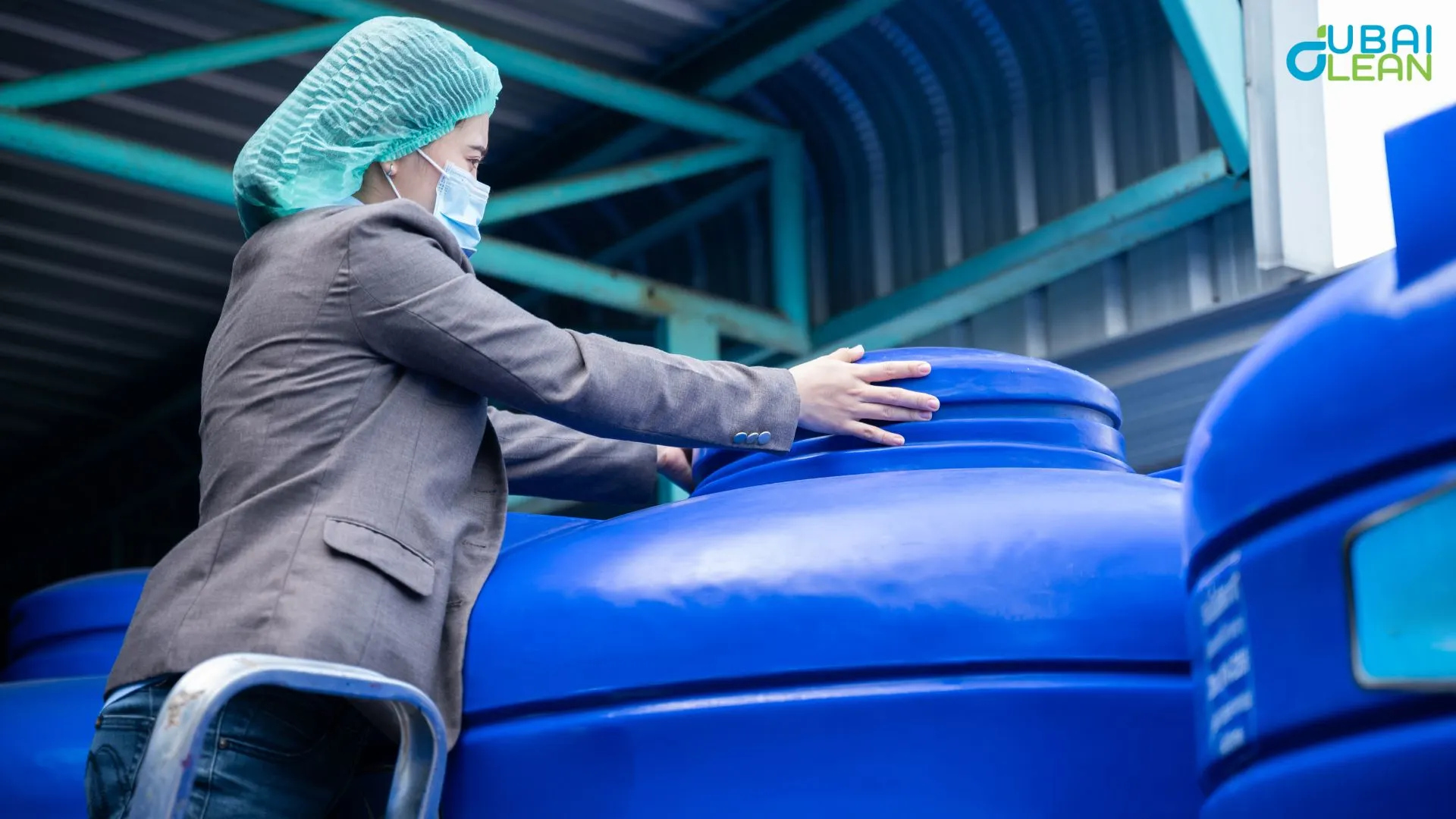
Commercial water tanks cleaning serve as the backbone of water supply systems in offices, hotels, restaurants, and industrial facilities across Dubai. These large-capacity storage units require specialized cleaning approaches different from residential tanks due to their size, complexity, and higher usage demands.
The cleaning process involves systematic removal of sediments, biofilm, algae, and bacterial contamination that naturally accumulates over time. Dubai’s hot climate accelerates bacterial growth, making regular cleaning even more critical for commercial establishments.
Why Commercial Water Tank Cleaning Matters
Water quality directly impacts business operations, employee health, and customer satisfaction. Contaminated water can lead to serious health issues, equipment damage, and regulatory violations. Commercial facilities must maintain pristine water conditions to protect their reputation and ensure operational continuity.
Neglected tanks become breeding grounds for harmful microorganisms, including Legionella bacteria, which can cause severe respiratory infections. The warm Dubai climate creates ideal conditions for rapid bacterial multiplication, making preventive cleaning essential rather than optional.
How to Clean an Industrial Water Tank
Industrial water tank cleaning requires a systematic approach involving multiple stages to ensure thorough decontamination. The process begins with complete water drainage and initial inspection to assess contamination levels and structural integrity.
Pre-Cleaning Preparation
Before starting the cleaning process, safety protocols must be established. This includes securing proper ventilation, wearing protective equipment, and ensuring electrical systems are safely disconnected. The tank should be completely emptied and allowed to dry partially before cleaning begins.
Documentation of the tank’s condition through photographs helps track cleaning effectiveness and identify potential maintenance issues. This documentation also serves as evidence of compliance with health regulations.
Step-by-Step Cleaning Process
The cleaning process starts with removing loose debris and sediment using specialized vacuum equipment. Stubborn deposits require mechanical scrubbing with approved brushes and cleaning tools designed for water tank surfaces.
High-pressure washing follows mechanical cleaning, using potable water to remove loosened contaminants. The pressure washing process should cover all surfaces systematically, paying special attention to corners, pipe connections, and areas prone to sediment accumulation.
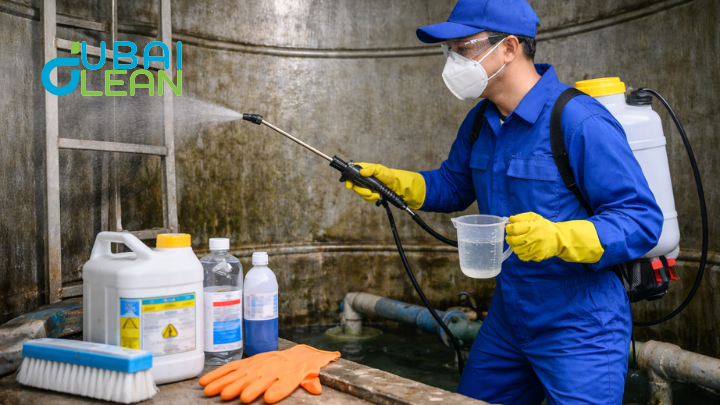
After physical cleaning, chemical disinfection becomes crucial. Approved disinfectants are applied according to manufacturer specifications, ensuring adequate contact time for effective microbial elimination. The tank is then thoroughly rinsed to remove all chemical residues.
What is the Procedure for Tank Cleaning
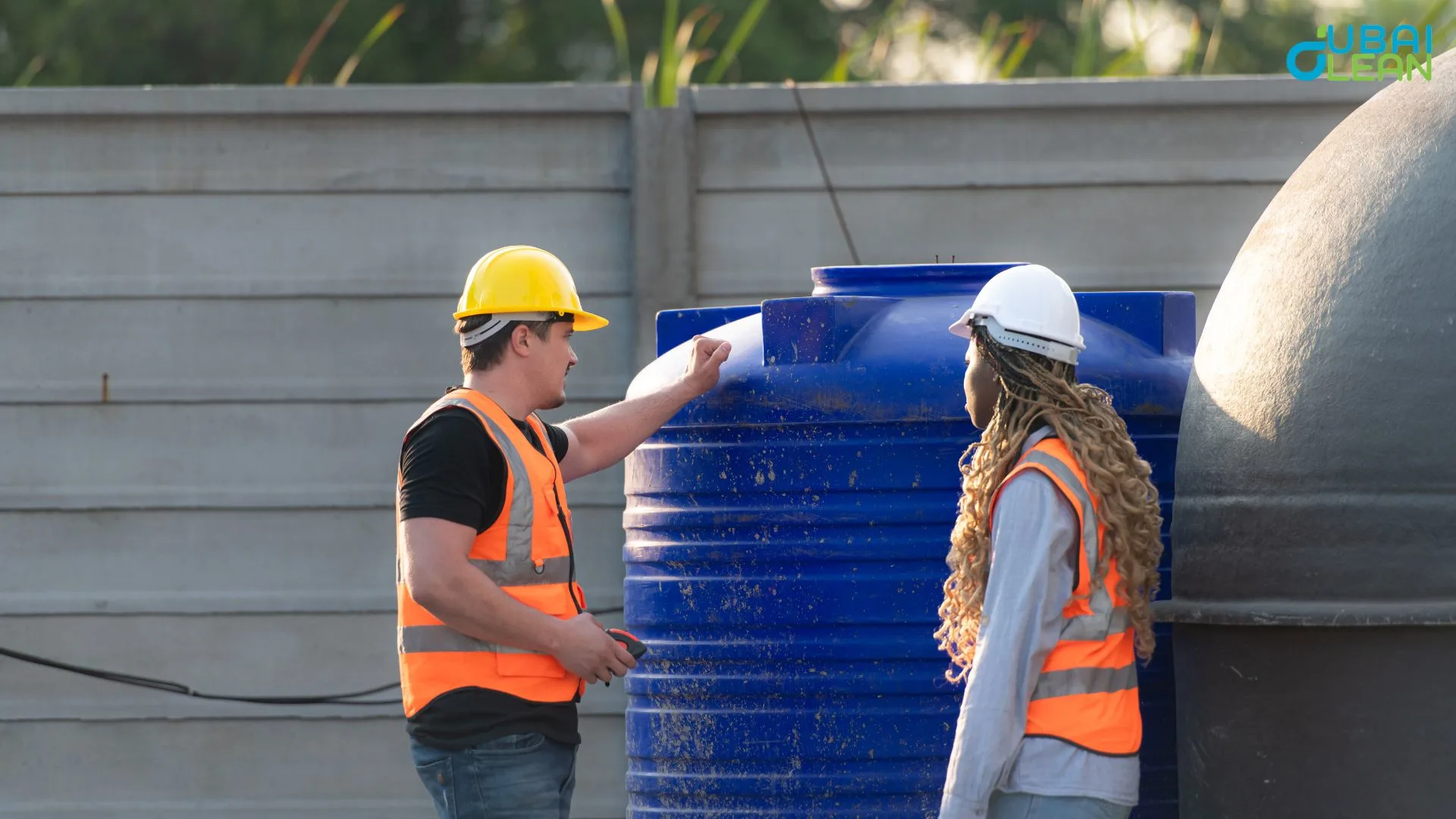
The standard procedure for commercial water tank cleaning follows internationally recognized protocols adapted for Dubai’s specific environmental conditions. The process typically spans 6-8 hours for medium-sized commercial tanks.
Initial Assessment and Preparation
Professional cleaning begins with comprehensive tank assessment, including water quality testing, structural inspection, and contamination level evaluation. This assessment determines the appropriate cleaning method and chemical requirements.
Safety measures are implemented before any cleaning activity begins. This includes proper ventilation setup, confined space entry protocols, and emergency response preparations. Only trained personnel should enter commercial water tanks.
Cleaning Execution
The actual cleaning process involves multiple phases, starting with complete water drainage and debris removal. Mechanical cleaning removes biofilm and stubborn deposits using specialized equipment designed for tank interiors.
Chemical treatment follows mechanical cleaning, using approved disinfectants to eliminate remaining microorganisms. The chemical contact time varies based on contamination levels and disinfectant type, typically ranging from 30 minutes to 2 hours.
Final rinsing removes all chemical residues, followed by comprehensive inspection to ensure cleaning effectiveness. Water quality testing confirms the tank meets safety standards before refilling.
Which Chemical is Used to Clean a Water Tank
Water tank cleaning requires specific chemicals approved for potable water systems. Chlorine-based compounds remain the most widely used disinfectants due to their effectiveness against a broad spectrum of microorganisms.
Primary Disinfectants
Sodium hypochlorite (liquid bleach) serves as the primary disinfectant for most commercial water tank cleaning applications. This chemical effectively eliminates bacteria, viruses, and fungi while remaining safe for potable water systems when properly applied.
Calcium hypochlorite (powdered bleach) offers similar effectiveness with longer shelf life, making it suitable for facilities requiring chemical storage. Both chemicals require careful handling and precise dosing to ensure safety and effectiveness.
Specialized Cleaning Agents
For heavily contaminated tanks, specialized cleaning agents may be necessary. These include algicides for algae control, scale removers for mineral deposits, and biocides for biofilm elimination. All chemicals must be food-grade and approved for potable water use.
The selection of appropriate chemicals depends on contamination type, tank material, and local water quality characteristics. Professional cleaning services have access to specialized chemicals not available to general consumers.
How Often Should a Water Tank be Cleaned
Commercial water tanks require more frequent cleaning than residential units due to higher usage rates and greater contamination risk. The recommended cleaning frequency varies based on several factors including tank size, usage patterns, and environmental conditions.
Standard Cleaning Schedule
Most commercial facilities should clean their water tanks every 6 months to maintain optimal water quality. High-usage facilities such as restaurants, hotels, and hospitals may require quarterly cleaning to prevent contamination buildup.
Dubai’s hot climate accelerates bacterial growth, potentially requiring more frequent cleaning during summer months. Facilities with poor water quality input may need monthly cleaning to maintain acceptable standards.
Factors Affecting Cleaning Frequency
Several factors influence the required cleaning frequency for commercial water tanks. These include incoming water quality, tank design, usage volume, and environmental exposure. Facilities near construction sites or industrial areas may need more frequent cleaning due to increased contamination risk.
Storage duration also affects cleaning needs. Tanks with rapid water turnover typically require less frequent cleaning than those storing water for extended periods. Regular water quality monitoring helps determine optimal cleaning schedules for specific facilities.
What Happens if a Water Tank is Not Cleaned
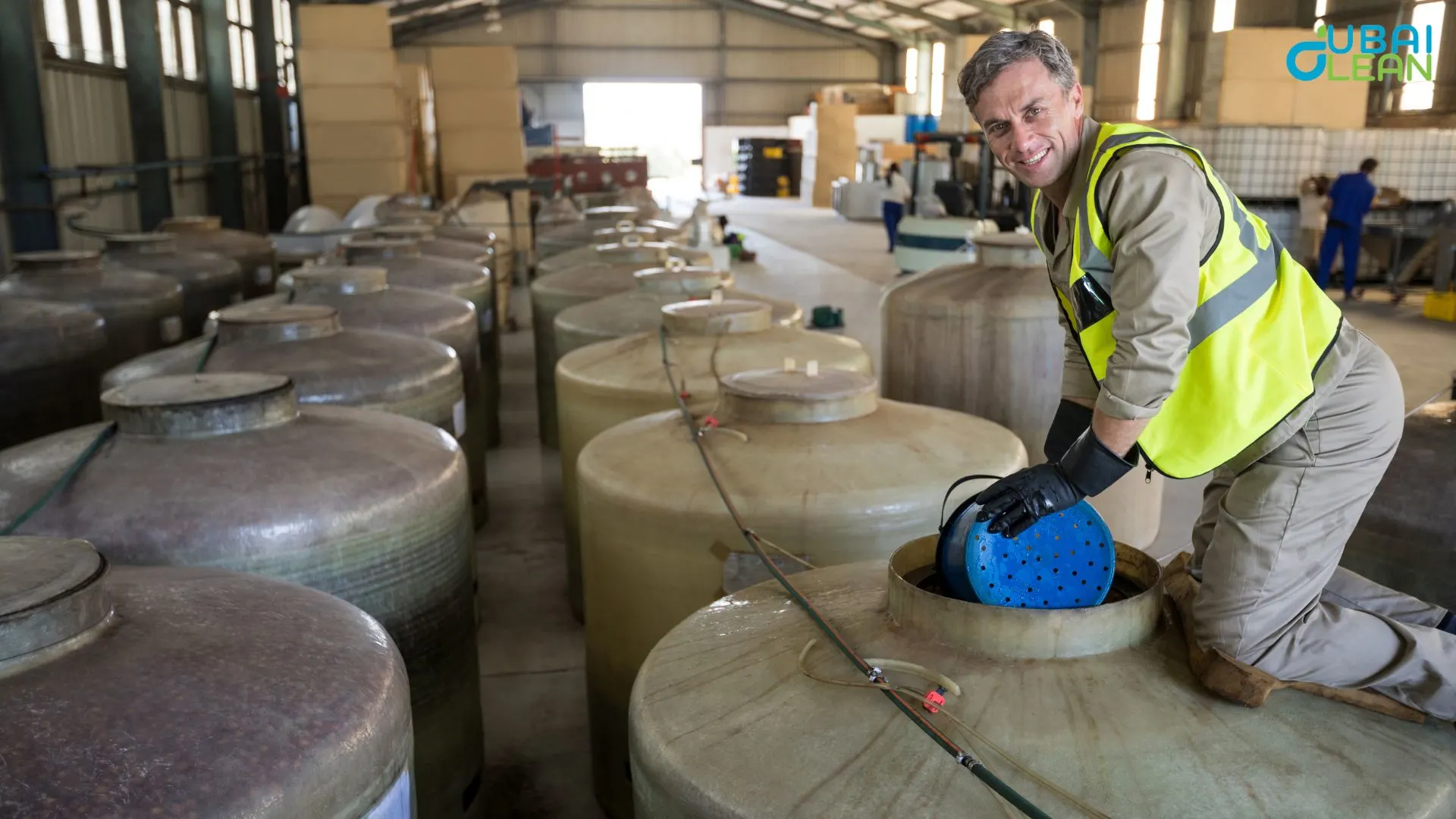
Neglecting commercial water tank cleaning leads to serious consequences affecting health, operations, and finances. Contaminated water poses significant health risks while potentially causing expensive equipment damage and regulatory violations.
Health Consequences
Dirty water tanks become breeding grounds for harmful bacteria, including Legionella, E. coli, and Salmonella. These pathogens can cause severe illnesses ranging from gastrointestinal infections to life-threatening respiratory diseases.
Biofilm formation creates protective environments for bacteria, making contamination increasingly difficult to eliminate. Once established, biofilms can continuously release pathogens into the water supply, creating ongoing health risks.
Operational Impact
Contaminated water affects equipment performance, causing scaling, corrosion, and blockages in plumbing systems. This leads to increased maintenance costs, reduced equipment lifespan, and potential system failures.
Poor water quality also impacts product quality in food service, manufacturing, and hospitality industries. Contaminated water can spoil food, damage products, and create unacceptable taste or odor issues.
How Many Times Do You Clean a Tank
The frequency of commercial water tank cleaning depends on usage patterns, water quality, and regulatory requirements. Most commercial facilities clean their tanks 2-4 times annually, with some high-risk facilities requiring monthly cleaning.
Usage-Based Cleaning Schedule
High-volume facilities such as hospitals, hotels, and restaurants typically require quarterly cleaning due to rapid water turnover and higher contamination risk. These facilities often implement monthly water quality monitoring to ensure safety between cleanings.
Medium-usage facilities like offices and retail establishments generally require bi-annual cleaning. However, facilities with poor incoming water quality or older tank systems may need more frequent cleaning to maintain acceptable standards.
Regulatory Requirements
Dubai Municipality and other regulatory bodies may specify minimum cleaning frequencies for certain commercial facilities. Food service establishments, healthcare facilities, and hospitality businesses often face stricter requirements than general commercial properties.
Compliance with these regulations requires documented cleaning schedules and water quality testing records. Failure to meet regulatory requirements can result in fines, closure orders, or legal liability.
How Do You Know If Your Tank Water is Clean
Determining water cleanliness requires multiple assessment methods including visual inspection, water testing, and monitoring key indicators. Clean water should be clear, odorless, and free from visible contaminants.
Visual Indicators
Clean tank water appears crystal clear without cloudiness, floating particles, or color changes. Any visible sediment, algae growth, or unusual coloration indicates contamination requiring immediate attention.
Tank interiors should show no signs of biofilm, scaling, or corrosion. Smooth, clean surfaces indicate proper maintenance, while rough or discolored areas suggest contamination or structural issues.
Water Quality Testing
Professional water testing provides definitive evidence of water cleanliness. Standard tests include bacterial counts, pH levels, chlorine residuals, and total dissolved solids. These tests should be performed regularly to monitor water quality trends.
Taste and odor changes often indicate contamination before visual signs appear. Musty, metallic, or chemical odors suggest bacterial growth, pipe corrosion, or chemical contamination requiring immediate investigation.
How to Service a Water Tank
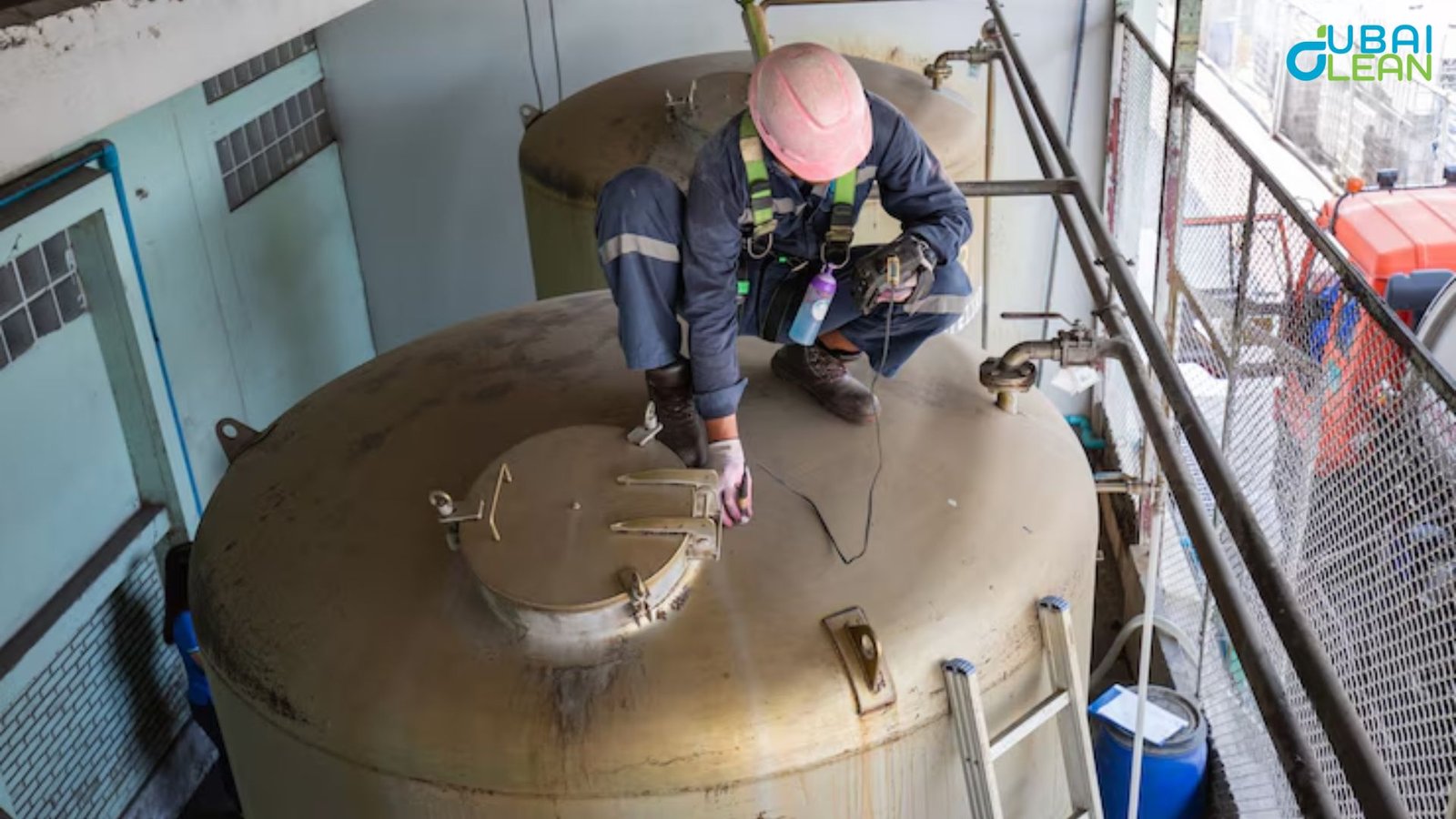
Comprehensive water tank servicing extends beyond cleaning to include maintenance, repairs, and system optimization. Regular servicing prevents problems, extends tank life, and ensures reliable water supply.
Maintenance Components
Tank servicing includes structural inspection, valve testing, pipe cleaning, and ventilation system maintenance. These components work together to maintain water quality and system reliability.
Preventive maintenance schedules help identify potential problems before they become serious issues. This includes checking for leaks, corrosion, and component wear that could compromise water quality or system performance.
Professional Service Benefits
Professional water tank servicing provides expertise, specialized equipment, and comprehensive system knowledge. Qualified technicians can identify subtle problems that untrained personnel might miss.
Regular professional servicing also ensures compliance with local regulations and industry standards. This documentation proves due diligence in maintaining water quality and safety standards.
FAQs
Conclusion
Commercial water tank cleaning represents a critical investment in health, safety, and operational reliability. Regular maintenance prevents costly problems while ensuring compliance with Dubai’s strict water quality standards. Professional cleaning services provide the expertise and equipment necessary for thorough decontamination and long-term water system health.