


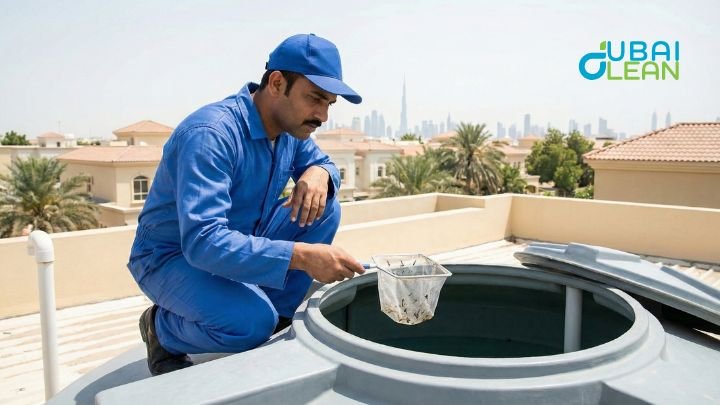
Mosquitoes are more than just a nuisance, they are carriers of serious diseases and often find their way into homes through indoor water sources. Stagnant water in water tanks, pipes, and containers creates the perfect environment for mosquito eggs and larvae to thrive. In Dubai, where temperatures and humidity can vary seasonally, even a well-maintained home is at risk. The good news is that clean water tanks can eliminate up to 80% of indoor mosquito breeding sites, drastically reducing the risk of dengue, malaria, and other mosquito-borne illnesses.
1. Why Mosquitoes Thrive in Indoor Water Tanks
Indoor water tanks are prime breeding grounds for mosquitoes because stagnant water allows eggs and larvae to develop undisturbed. Over time, biofilm and debris accumulate on tank walls and bottoms, providing hidden habitats for mosquito eggs. Dubai’s hot summers and high humidity further accelerate mosquito growth, while even during milder months, unused or poorly maintained tanks can continue to harbor pests. Without regular cleaning and proper sealing, indoor water tanks can become a persistent source of mosquito infestations, posing health risks to families.
Stagnant Water and Larvae Growth
Stagnant water inside indoor water tanks is the primary breeding ground for mosquitoes. When water sits still for days or weeks, mosquito eggs hatch quickly, and larvae grow in these undisturbed conditions. Even a tank that looks clean on the outside can harbor mosquito larvae, turning it into a hidden hotspot for infestations. In Dubai homes, where water tanks are often kept for emergency or daily storage.
Biofilm and Debris as Egg Habitats
Over time, slimy biofilm and accumulated debris form on tank walls, corners, and bottoms. These sticky surfaces provide safe hiding spots where mosquito eggs attach and thrive, protected from light and movement. Dust, algae, and organic matter further enhance these microhabitats, allowing mosquitoes to complete their lifecycle undisturbed. This is why routine cleaning and scrubbing of tank interiors is critical to prevent eggs and larvae from surviving unnoticed.
Seasonal Risks in Dubai Homes
Dubai’s hot summers, combined with high humidity, create ideal conditions for mosquito breeding indoors. Mosquitoes can reproduce rapidly during these months, making even a small amount of stagnant water a significant risk. During the milder winter months, while mosquito activity decreases slightly, tanks that are left unchecked can still serve as breeding grounds. Homes with rooftop or overhead tanks, as well as less frequently used storage tanks, are particularly vulnerable, highlighting the need for year-round maintenance.
2. Common Mosquito Breeding Sites Inside Homes
Mosquitoes can breed in a variety of indoor water sources, making many homes vulnerable to infestations. Overhead and rooftop tanks, especially if open or poorly sealed, are prime breeding grounds. Decorative fountains, ponds, and even small water features can harbor larvae if neglected. Hidden water in AC condensate trays, pipes, and everyday containers like buckets or jars in bathrooms and kitchens also provide ideal habitats. Regular inspection and cleaning of these sites are essential to prevent mosquito growth and protect your family’s health.
Decorative Fountains and Water Features
Even small amounts of standing water in fountains or ornamental ponds can harbor mosquito larvae if neglected. Algae buildup and debris create ideal conditions for mosquitoes to lay eggs, making frequent cleaning crucial for both aesthetics and health.
AC Condensate Trays and Pipes
Air conditioning units and condensate pipes often collect hidden water, providing unnoticed breeding sites. These areas are often overlooked during routine cleaning, yet they can contribute significantly to indoor mosquito populations.
Bathroom and Kitchen Containers
Buckets, jars, or other stored water containers in bathrooms and kitchens can also serve as mosquito habitats. Even small volumes of water left unattended for a few days are enough for eggs to hatch and larvae to grow, highlighting the need for regular monitoring and emptying.
3. How Clean Water Tanks Reduce Mosquito Populations
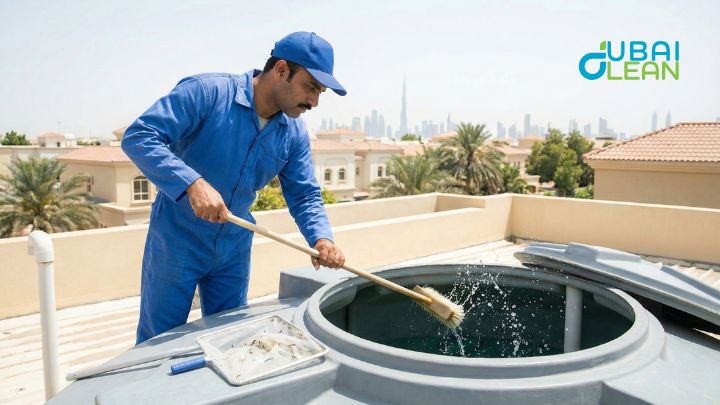
Keeping water tanks clean is one of the most effective ways to control indoor mosquito populations. Regular cleaning removes stagnant water, debris, and biofilm, destroying eggs and larvae before they hatch. Properly sealing tanks with covers or mesh prevents mosquitoes from entering. Studies show that clean water tanks can reduce mosquito breeding by up to 80%, significantly lowering the risk of dengue, malaria, and other mosquito-borne illnesses in Dubai homes.
Regular Cleaning Removes Eggs and Larvae
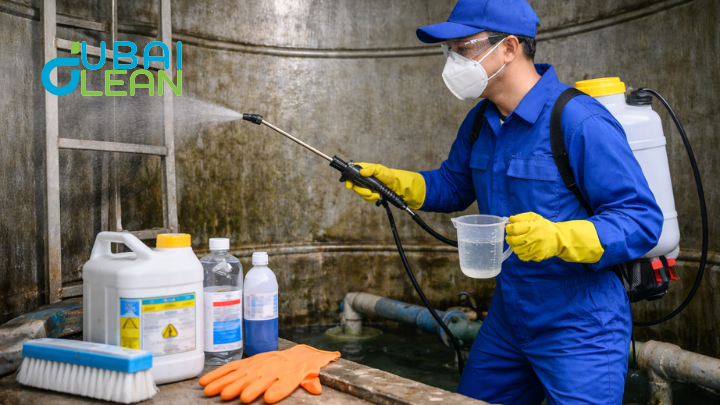
Routine cleaning of water tanks eliminates stagnant water, accumulated debris, and slimy biofilm where mosquito eggs and larvae thrive. By removing these breeding grounds before eggs hatch, homeowners can significantly reduce the mosquito population inside their homes.
Proper Sealing Prevents Mosquito Entry
Using tight-fitting covers, lids, and anti-mosquito mesh prevents mosquitoes from accessing water tanks in the first place. Proper sealing ensures that even if water is stored for longer periods, it remains free from mosquito infestation.
Statistics and Effectiveness
Studies and practical observations show that maintaining clean water tanks can reduce indoor mosquito breeding by up to 80%. This not only decreases the risk of mosquito-borne diseases like dengue and malaria but also improves overall household hygiene and comfort.
4. Hidden Dangers in Sealed Water Tanks
Even sealed water tanks can pose hidden dangers if they are not cleaned regularly. Mosquito eggs can attach to walls, corners, and sediment, allowing larvae to develop unnoticed. Sticky biofilm and accumulated debris create microhabitats that protect eggs from drying out or being washed away. This means that simply covering a tank is not enough routine cleaning is essential to completely prevent mosquito breeding and protect your family’s health.
Larvae Survival Despite Covers
Even tanks that are properly sealed can still harbor mosquito eggs if they are not cleaned regularly. Eggs can attach to walls, corners, and other hidden areas, allowing larvae to develop unnoticed and posing a risk to indoor health.
Biofilm and Sediment Microhabitats
Over time, sticky biofilm and sediment accumulate on tank surfaces, creating microhabitats where mosquito eggs and larvae can survive. These hidden pockets make routine cleaning essential, as simply sealing the tank is not enough to eliminate mosquito breeding completely.
5. How Often Should You Clean Your Water Tanks?
Water tanks in Dubai homes should be cleaned every 3–6 months to prevent mosquito breeding and maintain safe water quality. Humid months or periods of heavy rainfall increase the risk, so additional inspections are recommended during these times. Signs that a tank needs immediate cleaning include foul odor, water discoloration, visible debris, or mosquito larvae. Regular maintenance ensures your water remains safe, reduces health risks, and prevents indoor mosquito infestations.
Recommended Cleaning Schedule
For Dubai homes, it is recommended to clean water tanks every 3–6 months to prevent mosquito breeding and maintain water quality. Additional inspections should be done during humid months or after heavy rainfall, as these conditions increase the risk of stagnant water and mosquito activity.
Signs Your Tank Needs Immediate Cleaning
Certain signs indicate that a water tank requires urgent cleaning: a foul or unusual smell, discoloration of the water, visible debris, or the presence of mosquito larvae. Addressing these issues promptly helps protect your family from mosquito-borne diseases and ensures safe, clean water at all times.
Conclusion
Maintaining clean water tanks is essential for preventing mosquito breeding and protecting your family from diseases such as dengue, malaria, and other mosquito-borne illnesses. Regular cleaning eliminates stagnant water, debris, and biofilm, ensuring safe, healthy water for daily use. Beyond health benefits, clean water tanks improve overall comfort, hygiene, and peace of mind in Dubai homes. By following a routine maintenance schedule, properly sealing tanks, and opting for professional inspections when needed, homeowners can effectively keep their water storage mosquito-free throughout the year, reducing both health risks and household nuisance.