

Are you considering adding a splash of fun to your backyard with an inflatable pool? You’re not alone! Inflatable pools have become increasingly popular in Dubai, offering a refreshing escape from the scorching heat.
But as you set up your portable oasis, you might be wondering: can you put chlorine in an inflatable pool? The short answer is yes, but there’s more to it than just tossing in some chlorine and calling it a day. Let’s dive into the world of inflatable pool maintenance and discover how to keep your cool retreat clean, safe, and inviting all season long.
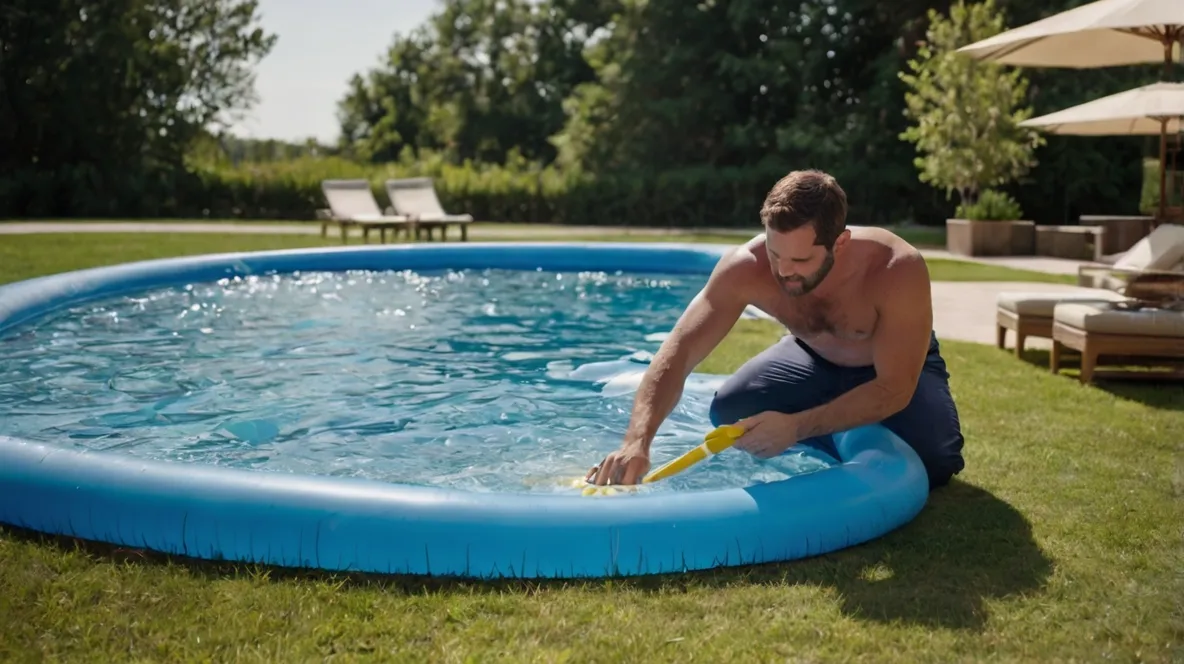
Understanding Chlorine in Pool Maintenance
Before we jump into the how-tos, let’s take a moment to understand what chlorine is and why it’s such a big deal in pool maintenance. Think of chlorine as your pool’s personal bodyguard, working tirelessly to keep unwanted guests – like bacteria and algae – at bay.
What is Chlorine and Why Does Your Pool Need It?
Chlorine is a powerful sanitizer that’s been used in water treatment for over a century. When added to pool water, it forms a weak acid called hypochlorous acid. This acid is a superhero in the pool world, zapping harmful microorganisms and keeping your pool water clean and safe for swimming.
But chlorine doesn’t just kill bacteria; it also:
- Oxidizes contaminants like sweat, oils, and other organic matter
- Helps maintain the pool’s pH balance
- Prevents algae growth
Different Forms of Chlorine for Pool Use
Not all chlorine is created equal, especially when it comes to inflatable pools. Here are the most common forms you’ll encounter:
- Liquid Chlorine: Easy to use but can be harsh on inflatable pool materials if not diluted properly.
- Chlorine Tablets: Slow-dissolving and convenient, but may be too strong for smaller inflatable pools.
- Chlorine Granules: A popular choice for inflatable pools due to their ease of use and quick dissolution.
- Stabilized Chlorine: Contains cyanuric acid to protect the chlorine from sunlight degradation, ideal for outdoor pools.
Benefits of Using Chlorine in Inflatable Pools
You might be thinking, “Do I really need to bother with chlorine in my little inflatable pool?” The answer is a resounding yes! Here’s why:
- Prevents Waterborne Illnesses: Chlorine kills harmful bacteria that can cause skin infections, ear infections, and other health issues.
- Extends Pool Life: By preventing algae growth, chlorine helps maintain your inflatable pool’s integrity.
- Keeps Water Clear: No one wants to swim in murky water. Chlorine helps keep your pool crystal clear.
- Reduces Maintenance Time: Regular chlorine use means less frequent water changes and cleaning sessions.
How to Safely Add Chlorine to Your Inflatable Pool
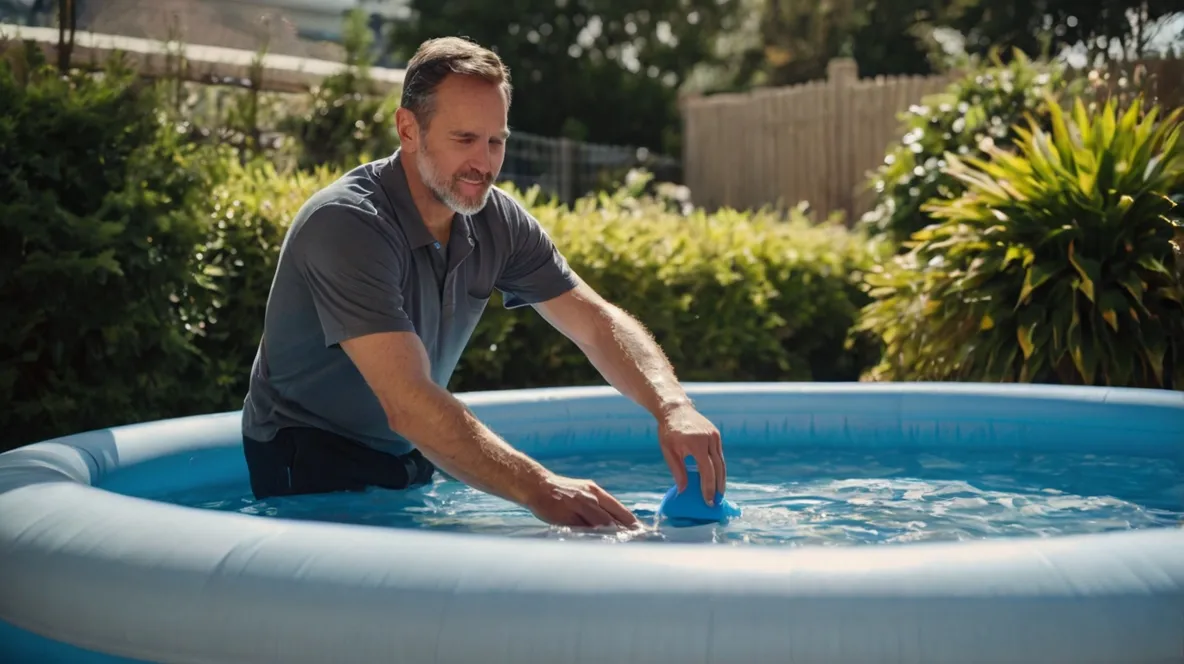
Now that we’ve covered the why, let’s get into the how. Adding chlorine to your inflatable pool isn’t rocket science, but it does require some care and attention to detail.
Step-by-Step Guide for Adding Chlorine
- Test the Water: Before adding any chlorine, use a pool testing kit to check your water’s current chlorine levels and pH.
- Calculate Pool Volume: Determine how many gallons or liters of water your pool holds. This is crucial for proper dosing.
- Choose Your Chlorine: For inflatable pools, granular chlorine is often the best choice.
- Measure Carefully: Use the dosage instructions on your chlorine product, based on your pool’s volume.
- Pre-Dissolve: Mix the chlorine with a bucket of pool water before adding it to the pool. This prevents concentrated chlorine from coming into direct contact with the pool liner.
- Add to the Pool: Slowly pour the pre-dissolved chlorine mixture around the edges of the pool.
- Circulate: If your inflatable pool has a pump, run it for at least an hour after adding chlorine. If not, use a pool brush to gently stir the water.
- Wait: Allow the chlorine to disperse fully before swimming, typically about 30 minutes to an hour.
Proper Dosage and Concentration Levels
Getting the chlorine concentration right is crucial. Too little won’t effectively sanitize your pool, while too much can irritate skin and eyes or even damage your pool liner.
| Pool Size (Gallons) | Chlorine Granules (oz) for Initial Treatment | Chlorine Granules (oz) for Maintenance |
|---|---|---|
| 500 | 1.0 | 0.5 |
| 1000 | 2.0 | 1.0 |
| 1500 | 3.0 | 1.5 |
| 2000 | 4.0 | 2.0 |
Aim to maintain a chlorine level between 1-3 parts per million (ppm) for inflatable pools. Regular testing is key to maintaining the right balance.
Read another Pro Guide: How to Find a Hole in an Inflatable Pool: Quick & Easy Leak Detection Tip
Frequency of Chlorine Application
How often you need to add chlorine depends on several factors, including:
- Pool usage
- Weather conditions
- Water quality
As a general rule, test your pool water at least twice a week and add chlorine as needed to maintain proper levels. After heavy use or a rainstorm, you may need to add chlorine more frequently.
Safety Precautions When Handling Chlorine
Chlorine is a powerful chemical, and safety should always be your top priority. Here are some essential safety tips:
- Always read and follow the product instructions carefully.
- Wear gloves and eye protection when handling chlorine.
- Store chlorine in a cool, dry place away from direct sunlight and out of reach of children and pets.
- Never mix chlorine with other chemicals, especially ammonia.
- Add chlorine to water, never water to chlorine.
- Avoid inhaling chlorine fumes.
Factors Affecting Chlorine Effectiveness in Inflatable Pools
Understanding what impacts chlorine’s effectiveness can help you maintain a cleaner, safer pool with less effort.
Pool Size and Water Volume
Smaller inflatable pools have less water to dilute contaminants, which means chlorine can be used up more quickly. On the flip side, it’s easier to overdo it with chlorine in a small pool, so careful measurement is crucial.
Environmental Factors
Dubai’s hot climate can significantly impact your pool’s chlorine levels:
- Sunlight: UV rays break down chlorine quickly. Using stabilized chlorine or adding cyanuric acid can help.
- Temperature: Warmer water increases chlorine demand and speeds up chlorine loss.
- Wind: Can introduce dust and debris, increasing the chlorine demand.
Bather Load and Organic Matter
The more people use your pool, the more sweat, oils, and other organic matter enter the water. This “bather load” increases chlorine demand. Regular skimming and cleaning can help reduce the burden on your pool’s chlorine.
How Long Can You Leave Water in an Inflatable Pool with Chlorine?
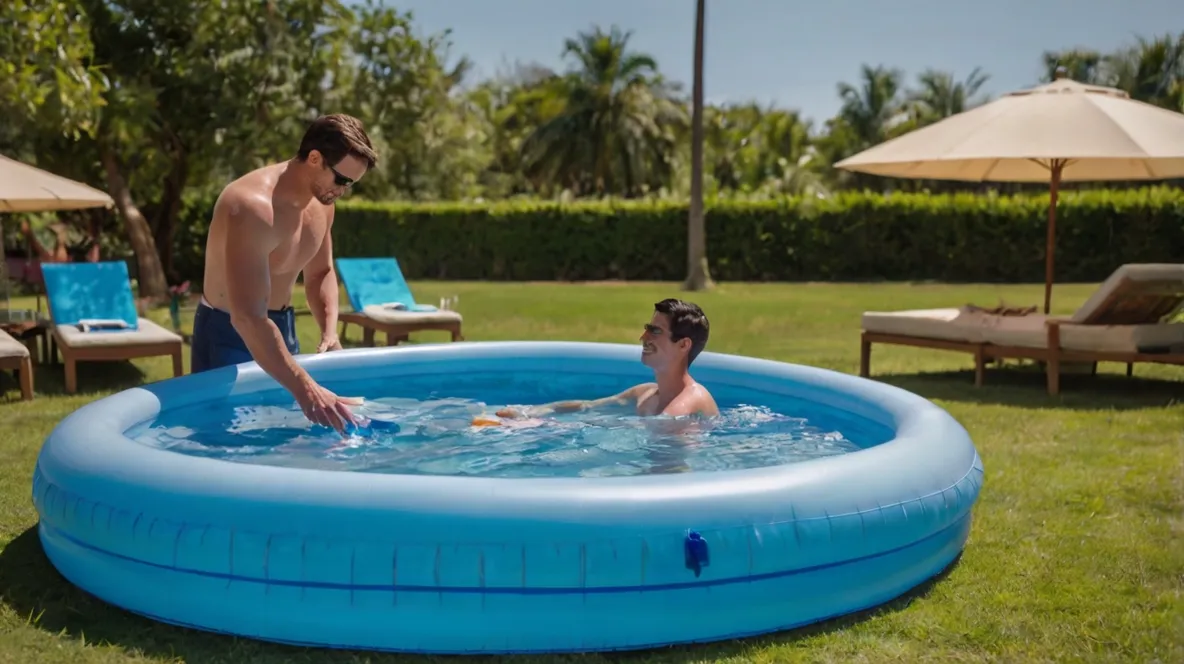
One of the most common questions we get at Dubai Clean is, “How long can you leave water in an inflatable pool with chlorine?” The answer isn’t one-size-fits-all, but we can give you some guidelines.
Factors Influencing Water Quality Over Time
Several factors determine how long your pool water will stay fresh:
- Chlorine Levels: Properly maintained chlorine levels can extend water life.
- Filtration: Pools with good filtration systems can maintain water quality longer.
- Usage: More frequent use means more contaminants introduced.
- Weather: Hot, sunny weather degrades chlorine faster.
- Debris: Leaves, dust, and other debris can quickly compromise water quality.
Recommended Duration for Keeping Chlorinated Water
In general, with proper maintenance and regular chlorine treatments, you can keep water in an inflatable pool for about 1-2 weeks. However, in Dubai’s hot climate, you might find you need to change the water more frequently, especially if the pool sees heavy use.
Signs That It’s Time to Change the Water
Watch out for these indicators that your pool water needs changing:
- Cloudy or discolored water
- Strong chlorine smell (ironically, this often means not enough free chlorine)
- Algae growth
- Difficulty maintaining proper chlorine levels
- Visible debris that doesn’t clear with cleaning
Remember, when in doubt, it’s better to err on the side of caution and change the water. Fresh, clean water is always the best foundation for a healthy pool.
Alternatives to Chlorine for Inflatable Pool Maintenance
While chlorine is the go-to for pool sanitation, it’s not the only option. Some pool owners prefer alternatives, especially for smaller inflatable pools.
Non-Chlorine Sanitizers
- Bromine: Similar to chlorine but gentler on skin and eyes. It’s more stable in hot water, making it a good choice for Dubai’s climate.
- Biguanide: A chlorine-free option that’s gentle on skin and eyes. It doesn’t degrade in sunlight but can be more expensive.
- Mineral Systems: Use minerals like silver and copper to sanitize water. Often used in conjunction with low levels of chlorine.
- Salt Systems: Convert salt into chlorine, providing a more consistent level of sanitation. However, these systems are typically not suitable for most inflatable pools.
Natural Methods for Keeping Inflatable Pools Clean
For those looking to minimize chemical use, consider these natural approaches:
- Regular Cleaning: Skim debris daily and brush the pool walls to prevent algae growth.
- UV Light: Sunlight naturally disinfects water to some extent. Consider using a pool cover when not in use to keep debris out.
- Vinegar: A natural disinfectant that can help control algae growth. Use about 1/4 cup per 100 gallons of water.
- Baking Soda: Helps balance pH and alkalinity naturally.
- Essential Oils: Some oils like tea tree oil have natural antibacterial properties. Use sparingly and research compatibility with your pool material.
While these natural methods can help, they may not be sufficient on their own for maintaining a safe swimming environment, especially in Dubai’s hot climate.
Dubai Clean’s Professional Pool Maintenance Services
At Dubai Clean, we understand that maintaining a pool – even an inflatable one – can be time-consuming and sometimes confusing. That’s why we offer professional pool maintenance services tailored to your needs.
Overview of Services Offered
- Water Testing and Balancing: We use advanced testing equipment to ensure your pool water is perfectly balanced.
- Chlorine Application: Our experts apply the right amount of chlorine for your pool size and conditions.
- Cleaning and Debris Removal: We’ll keep your pool sparkling clean, from the water surface to the pool floor.
- Equipment Check: We inspect and maintain your pool equipment to ensure everything is working efficiently.
- Customized Maintenance Plans: Whether you need weekly, bi-weekly, or monthly service, we’ve got you covered.
Benefits of Professional Pool Maintenance
- Peace of Mind: Know that your pool is safe and healthy for swimming.
- Time-Saving: Spend more time enjoying your pool and less time maintaining it.
- Cost-Effective: Proper maintenance prevents costly repairs and extends the life of your pool.
- Expert Knowledge: Our team stays up-to-date on the latest pool care techniques and technologies.
- Customized Care: We tailor our services to your specific pool and environmental conditions.
How Dubai Clean Ensures Safe and Effective Chlorine Use
Our team of pool care professionals is trained in the latest safety protocols and best practices for chlorine application. We:
- Use precise measurements to ensure optimal chlorine levels
- Apply chlorine at the right time of day to maximize effectiveness
- Educate our clients on proper pool care between professional services
- Use high-quality, stabilized chlorine products suitable for Dubai’s climate
- Regularly test and adjust chlorine levels to maintain a safe swimming environment
Frequently Asked Questions
To help address common concerns about using chlorine in inflatable pools, we’ve compiled this handy FAQ section:
Conclusion
Maintaining a clean and safe inflatable pool doesn’t have to be a headache. With the right knowledge and tools – or with the help of professionals like Dubai Clean – you can enjoy crystal-clear water all season long. Remember, proper chlorine use is key to keeping your pool safe and inviting, especially in Dubai’s challenging climate.
Don’t let pool maintenance take the fun out of your summer. If you’re feeling overwhelmed or just want to ensure your pool is in the best possible condition, why not let the experts handle it? Contact Dubai Clean today for a free quote on our professional pool maintenance services. We’ll keep your pool sparkling clean, so all you have to do is dive in and enjoy!
Ready to make a splash with perfectly maintained pool water? Book a pool maintenance service with Dubai Clean today and experience the difference professional care can make. Your inflatable pool – and your peace of mind – will thank you!