


Pipelines play a critical role in delivering clean water and essential fluids across residential, commercial, and industrial systems. Over time, internal buildup such as scale, grease, rust, and harmful bacteria can compromise flow efficiency and pose health and safety risks. Using professionally approved pipeline-cleaning chemicals helps restore performance while protecting pipe integrity. Backed by industry expertise, DubaiClean follows safe, tested, and standards-compliant methods to ensure reliable and long-lasting pipeline maintenance.
1. Benefits of Pipeline Cleaning
Regular pipeline cleaning plays a vital role in preventing blockages caused by accumulated debris, grease, rust, and sludge. When left untreated, these obstructions restrict fluid movement, reduce pressure, and increase the risk of system failure. Routine chemical cleaning ensures uninterrupted flow and helps maintain optimal performance across residential, commercial, and industrial pipelines.
In addition to improving flow efficiency, pipeline cleaning significantly extends the lifespan of piping systems. Corrosion, mineral scaling, and internal buildup gradually weaken pipe walls, leading to leaks and costly damage. Using industry-approved cleaning chemicals removes harmful deposits while protecting the internal surface, reducing long-term wear and preventing premature pipe replacement.
Pipeline cleaning also supports health, safety, and cost efficiency. Chemical treatments eliminate bacteria, biofilms, and contaminants that can compromise water quality and pose health risks. By addressing issues early through preventive maintenance, property owners can avoid expensive emergency repairs, lower energy consumption, and ensure compliance with safety and hygiene standards.
2. 7 Chemicals Used for Pipeline Cleaning
Different types of pipeline contaminants such as grease, scale, rust, bacteria, and organic waste require targeted cleaning solutions for safe and effective removal. Using the correct chemical not only improves cleaning efficiency but also protects pipe integrity and ensures system safety. Professionally approved pipeline-cleaning chemicals are designed to address specific buildup without causing long-term damage. Below are seven widely used chemicals trusted in residential, commercial, and industrial pipeline maintenance.
| Chemical Name | Primary Use & Application | Safety Precautions |
|---|---|---|
| Hydrochloric Acid (HCl) | Removes mineral deposits, rust, and scale buildup in metal pipelines; commonly used in industrial and water pipeline cleaning. | Must be used in controlled concentrations to prevent pipe corrosion. |
| Sodium Hydroxide (Caustic Soda) | Breaks down grease, fats, and organic residues in sewage, drainage, and food-processing pipelines. | Highly alkaline; protective gloves and safety gear are required. |
| Chlorine-Based Cleaners | Disinfects water pipelines by eliminating bacteria, viruses, and mold; supports hygiene in drinking water systems. | Overuse may degrade pipes; proper dilution is essential. |
3. Precautionary Measures While Using Chemicals
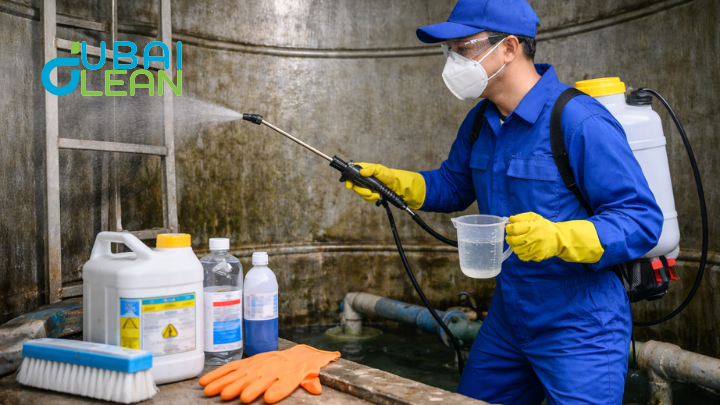
Handling pipeline-cleaning chemicals requires strict adherence to safety protocols to prevent health risks, material damage, and environmental harm. Always follow manufacturer-recommended dilution ratios, as incorrect concentrations can cause pipe corrosion or ineffective cleaning. Personal protective equipment (PPE), including chemical-resistant gloves, safety goggles, and protective clothing, is essential when working with acidic or alkaline substances. Adequate ventilation must also be ensured, as some cleaning agents release fumes that can be harmful if inhaled.
Equally important is avoiding the mixing of different chemicals, as certain combinations such as chlorine with ammonia can produce toxic gases and serious safety hazards. After the cleaning process, pipelines should be thoroughly flushed with clean water to remove any residual chemicals that may affect water quality or system performance. Whenever possible, environmentally responsible and biodegradable cleaning solutions should be used to comply with safety regulations, protect ecosystems, and ensure long-term operational reliability.
4. Pipeline Design and Maintenance
Pipelines can become blocked due to a variety of physical, chemical, and biological factors that interfere with the smooth flow of water, gas, or other fluids. Accumulated debris, mineral deposits, grease, and biofilms can gradually constrict the pipe interior, leading to reduced efficiency or complete blockages. Regular inspection and maintenance are essential to prevent costly repairs, health hazards, and operational downtime. Understanding the common causes of pipeline blockages helps in selecting the right preventive and cleaning measures.
- Accumulation of mineral scale, rust, and limescale deposits
- Buildup of grease, fats, and oils in sewage or drainage pipelines
- Growth of bacteria, mold, and biofilms inside water systems
- Foreign objects or debris entering the pipeline
- Corrosion or deterioration of pipe walls reducing internal diameter
- Improper chemical use or lack of regular maintenance leading to clogs
Conclusion
Effective pipeline maintenance starts with choosing the right chemical cleaning solutions tailored to specific contaminants like rust, grease, scale, or bacteria. Regular, professionally managed cleaning not only enhances flow efficiency but also extends pipeline lifespan and ensures health and safety standards are met. At DubaiClean, our experienced team uses safe, industry-approved chemicals and expert techniques to keep your pipelines clean, hygienic, and fully functional, providing reliable performance for homes, businesses, and industrial systems.