

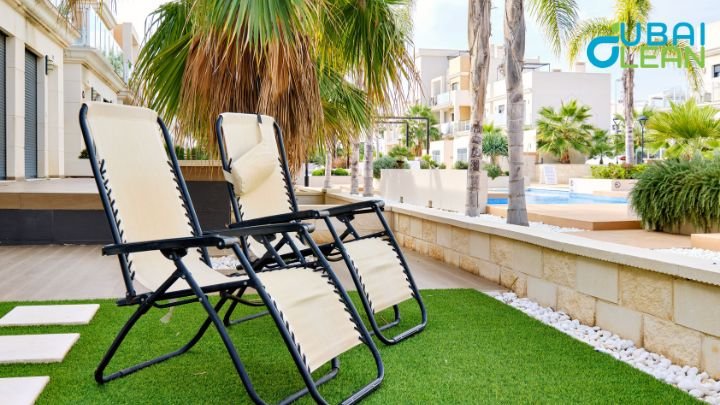
Artificial grass offers a beautiful, low-maintenance alternative to natural lawns, but even synthetic turf requires care, especially in a dynamic environment like Dubai. While many owners focus on rinsing and brushing, one of the most overlooked maintenance tasks is the prompt removal of fallen leaves and organic debris. In the humid mornings and warm temperatures of the region, leaves trapped within the grass blades can hold moisture, creating a perfect breeding ground for mold and mildew. This decomposition not only leads to stubborn stains but also contributes to unpleasant, lingering odors. Understanding how to efficiently and regularly clear organic matter is crucial for maintaining the hygiene, fresh scent, and long-term durability of your green space.
1. Why Leaf Removal is Crucial for Artificial Grass
Many homeowners choose artificial grass for its low-maintenance appeal, often believing that they are entirely exempt from the typical yard work associated with natural lawns. However, while mowing is certainly eliminated, the maintenance that addresses organic debris, particularly fallen leaves, becomes critically important. Ignoring leaf removal can undermine the primary benefits of artificial turf, its cleanliness and longevity by trapping moisture, promoting biological growth, and degrading the integrity of the synthetic fibers.
Preventing Mold and Mildew Growth
Leaves and other organic debris, when allowed to settle on artificial turf, create a dense layer that traps moisture directly against the backing material and the infill of the grass. In the warm and often humid climate of Dubai, this prolonged moisture retention provides the perfect, nutrient-rich environment for mold and mildew to flourish. These fungi break down the organic material, and as they proliferate, they can spread their spores throughout the grass fibers and into the infill layer. Not only do mold and mildew present potential aesthetic issues leaving dark, stubborn stains but they also compromise the hygiene of the area.
Eliminating Foul Odors and Stagnation
The buildup of decomposing organic material is the primary cause of unpleasant odors in artificial turf installations. As leaves and other plant matter break down, they release volatile organic compounds and gases, creating a stale, earthy, and often sour smell that can make enjoying your outdoor space nearly impossible. This issue is compounded when pet waste is also present, as the decomposing leaves absorb and trap the pet odors, hindering the natural drainage and antimicrobial properties of the infill. Regular and thorough removal of leaves prevents this decomposition cycle from taking hold, ensuring that rainwater or routine rinsing can properly flush the infill and backing, maintaining the intended clean and fresh smell of your artificial lawn.
Maintaining Fiber Integrity and Drainage
Artificial grass is designed with a porous backing and a permeable infill layer to allow water to drain efficiently through the system and away from the surface. A dense, matted layer of decaying leaves and debris acts like a blanket, obstructing the flow of water and preventing the infill from drying out quickly. Over time, this blockage can lead to water pooling on the surface and cause the underlying infill material (like sand or crumb rubber) to compact and potentially shift. Furthermore, prolonged contact with decaying matter can cause subtle chemical changes to the synthetic fibers themselves, potentially reducing their longevity or leading to premature wear
2. How Mold and Odor Develop on Artificial Grass
While artificial turf is synthetic, it is not impervious to biological issues like mold and foul odors. These problems are primarily caused not by the grass fibers themselves, but by organic materials that settle on and within the turf system. Understanding the sequence of events from the introduction of debris to the eventual growth of fungi and odor-causing bacteria is essential for prevention. This brief guide outlines the key factors that combine to create the perfect conditions for these unwanted biological and chemical processes on your lawn.
Debris Traps Moisture
Mold and odor development begins with the presence of organic debris, most commonly fallen leaves, pollen, pet hair, and spilled food particles. When these materials land on the turf, they settle down between the synthetic blades, often resting directly on the infill (the layer of sand or rubber granules) and the permeable backing material. This trapped debris then acts like a sponge, holding onto moisture from morning dew, rain, or irrigation. The presence of continuous moisture creates the high-humidity microclimate necessary for fungal spores to activate and begin germination, especially in the warm Dubai environment.
Organic Decomposition
Once the organic matter is saturated with moisture, the process of decomposition begins. Naturally occurring bacteria and fungi in the environment begin to break down the debris (the food source). This biological breakdown is what constitutes mold (a type of fungus) and is also the source of foul smells. As the microbes consume the debris, they release waste products and gases. The buildup of these byproducts, often sulfur compounds, ammonia (especially if pet urine is involved), and other volatile organic compounds leads directly to the unpleasant, musty, or stagnant odors associated with neglected artificial grass.
Clogged Drainage System
The final factor in the development of persistent mold and odor is the failure of the turf’s drainage system. Artificial grass is designed to be highly permeable, allowing water to pass through the backing and drain into the sub-base. However, the accumulation of fine decomposing matter creates a sludge or mat layer directly on top of the backing. This clogging obstructs the designed drainage pathways, meaning that water and liquid waste (like pet urine) are held near the surface for longer periods. This prolonged dampness perpetuates the cycle of moisture retention and decomposition, making the mold growth and odor release constant and difficult to eradicate without deep cleaning.
3. Effective Leaf Removal Methods
Removing leaves and organic debris from artificial grass requires techniques that are tough on mess but gentle on the synthetic fibers and infill. Using the wrong tools, like rakes with metal tines, can damage the blades or dislodge the essential infill material. The best methods rely on soft, non-abrasive action to lift and clear the debris while preserving the look and integrity of your turf.
| Tool/Method | Best For | Application Technique | Key Benefit |
| Plastic Rake (Stiff-tined) | Heavier, compacted piles of dry leaves and pine needles. | Use a gentle lifting or sweeping motion, working across the grain of the turf. | Effective for bulk removal without damaging the fibers. |
| Stiff-Bristled Broom (Push Broom) | Smaller amounts of debris, dust, and general clean-up. | Brush lightly against the grain to help stand the fibers up while sweeping debris. | Clears finer particles and helps maintain the turf’s upright direction. |
| Leaf Blower / Vacuum | Quick, daily maintenance and large areas. | Use on a low to medium setting; leaf vacuums should use a non-shredding setting if possible. | Fastest method for quick surface clearing and avoiding heavy buildup. |
| Electric Power Broom / Turfing Brush | Deep cleaning, light compaction, and stubborn debris. | Follow the manufacturer’s instructions, usually brushing lightly against the turf direction. | Lifts fibers, dislodges deeply embedded debris, and rejuvenates the pile. |
4. Benefits of Regular Leaf Cleaning for Dubai Homes
Maintaining your artificial grass goes beyond aesthetics; it’s about preserving a clean, safe, and pleasant outdoor environment, particularly in the unique conditions of Dubai. Regular and proactive leaf cleaning offers tangible benefits that protect your initial investment and maximize your enjoyment of the space. By adhering to a consistent routine, you ensure your artificial lawn remains a hygienic, beautiful, and fully functional feature of your home.
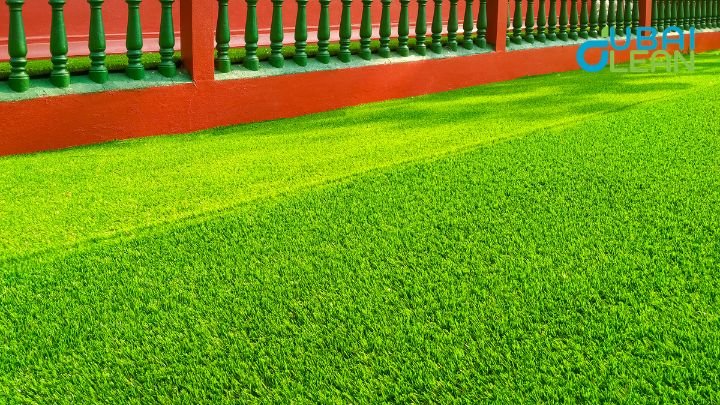
- Eliminates Health Risks: Regular removal prevents the proliferation of mold, mildew, and bacteria that thrive in decomposing organic matter, ensuring a healthier environment for children and pets.
- Prevents Foul Odors: Removing trapped leaves stops the decomposition process, which is the root cause of stale, musty, or stagnant odors, keeping your outdoor area smelling fresh.
- Preserves Curb Appeal: Consistent cleaning prevents staining and matting, ensuring the grass fibers remain upright, vibrant, and lush, maintaining the turf’s expensive, aesthetic appearance.
- Extends Turf Lifespan: By keeping the drainage system clear and preventing chemical breakdown caused by decaying matter, you protect the underlying backing and the synthetic fibers from premature degradation.
- Optimizes Drainage: Clear channels allow rainwater and washing liquids to flow quickly through the turf and into the sub-base, preventing pooling and water retention on the surface.
5. Choosing the Right Artificial Grass Cleaning Service in Dubai
While regular DIY maintenance is essential, periodic deep cleaning by a professional service is vital for the long-term health and hygiene of your artificial turf, especially in Dubai’s dusty and humid climate. Selecting the correct service ensures specialized equipment is used and that no harsh chemicals damage your investment. The right choice will maintain not only the grass’s appearance but also its antimicrobial and drainage properties, safeguarding your lawn for years to come.
Local Experience and Climate Knowledge
It is crucial to choose a company that has specific experience working with artificial turf in the UAE. They should understand how high temperatures and dust affect infill compaction and drainage. A knowledgeable service will use methods optimized for Dubai, such as specific water pressures and appropriate sanitizers that perform effectively in the local heat without leaving residues or damaging the grass fibers.
Specialized Equipment Use
A professional service must utilize commercial-grade, specialized equipment designed for synthetic turf. This includes powerful rotary brushes or power brooms that can safely lift and redistribute compacted infill, and specialized vacuums capable of removing deeply embedded organic debris and pet hair without pulling out the grass fibers. Avoid companies that rely only on standard pressure washing, as this can scatter infill and damage the backing.
Safe and Approved Products
Ensure the service uses cleaning and deodorizing solutions that are specifically non-toxic, pet-safe, and environmentally approved. They should use enzyme-based cleaners to effectively neutralize odors from pet waste rather than just masking them with perfumes. Always confirm that their sanitizing agents will not bleach the grass, degrade the UV protection on the fibers, or harm the permeability of the turf’s backing material.
Conclusion
Maintaining the beauty and hygiene of artificial grass in Dubai ultimately comes down to one consistent practice: proactive leaf and debris removal. As we have detailed, trapped organic matter is the primary catalyst for moisture retention, which rapidly leads to the development of mold, unpleasant odors, and compromised drainage. By adopting the right tools such as plastic rakes and leaf blowers and implementing a routine cleaning schedule, you stop the decomposition cycle before it starts. For a deeper cleanse, leveraging professional services with local expertise and specialized, safe cleaning agents is a smart investment. Protect your green investment, ensure the longevity of your turf, and keep your Dubai home’s outdoor space perpetually fresh, hygienic, and inviting.