



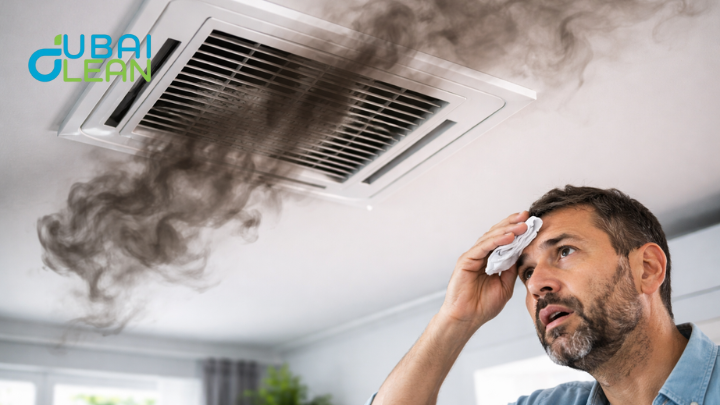
If you notice a burnt smell from AC vent or a faint smoke smell from AC vent when your air conditioning is on, it’s more than just an unpleasant odor it could signal dust buildup, overheating components, or serious electrical faults in your HVAC system. Ignoring these smells can lead to respiratory irritation, headaches, allergic reactions, or even fire hazards, making prompt action essential. In this guide, we explain the common causes, troubleshooting tips, and preventive measures to help you identify and fix AC vent smells safely, ensuring a healthy, comfortable, and hazard-free indoor environment.
1. Common Causes of a Burnt Smell from AC Vent
A burnt smell coming from AC vents is often a warning that something in your air conditioning system requires attention. Identifying the root cause early can prevent serious damage or safety hazards. Some of the most common causes include AC duct contamination.
Electrical Issues: Over time, components like motors, wiring, and capacitors can wear out or overheat. Faulty electrical connections may generate sparks or excessive heat, which often results in a burnt odor from AC vents. Ignoring this can increase the risk of electrical fires, making prompt inspection by a licensed HVAC professional essential.
Dust and Debris Accumulation: Dust, pet hair, and other debris can settle on coils, wiring, or the blower motor. When these particles come into contact with hot components, they can emit a burnt smell. Regular cleaning and maintenance help prevent this issue and improve the overall efficiency of your AC system.
Clogged Air Filters: Air filters are designed to trap dust and allergens, but when they become excessively clogged, airflow is restricted. Reduced airflow can cause the AC unit to overheat, often producing a burnt smell coming from AC vents. Replacing or cleaning filters on a regular schedule is a simple but effective preventive step.
By understanding these common causes, homeowners and office managers can take proactive measures to maintain their AC systems, ensuring both safety and comfort.
2. Smoke Smell from AC Vent: What It Could Mean
A smoke smell from AC vent is not the same as the usual dust or mildew odors you might occasionally notice. While dust or mold typically produces a musty scent, a smoky or burnt odor often indicates a more serious issue within your HVAC system.
Why It’s Different
A smoky smell can come from overheated electrical components, burnt wiring, or malfunctioning motors. Unlike harmless dust, these smells signal that the system is under stress and may be at risk of electrical failure or fire. Recognizing this distinction is crucial for the safety of everyone in your home or office.
Risks of Ignoring Smoke Odors
Ignoring a smoke smell from AC vent can be more than just unpleasant it can pose serious health and safety risks. Prolonged exposure may cause respiratory irritation, headaches, or allergic reactions, while underlying electrical faults could lead to fire hazards or costly AC damage. Recognizing these risks early and taking prompt action is essential for keeping your home or office safe and comfortable.
- Fire hazards: Overheated wiring or motors can ignite surrounding dust or debris.
- System damage: Prolonged operation with electrical faults can lead to costly repairs or complete AC failure.
- Health risks: Inhaling smoke particles can irritate your lungs, throat, and eyes, especially for children, elderly individuals, or those with respiratory conditions.
Immediate Precautions
When your AC vent smells like burning or emits a smoke odor, taking immediate precautions is crucial to prevent accidents and protect your health. Simple steps, like turning off the AC, unplugging the unit, and checking circuit breakers, can reduce the risk of fire, electrical damage, and smoke inhalation while you arrange a professional inspection. If you detect a smoke smell from AC vent, take these steps immediately:
- Turn off your AC unit and unplug it if possible.
- Avoid using other electrical appliances in the same circuit until a professional inspects it.
- Check your circuit breakers for any tripped switches, but do not attempt to fix electrical faults yourself unless you are licensed.
- Call a qualified HVAC technician to inspect the system safely.
By taking prompt action, you can prevent serious hazards, protect your family or employees, and maintain a safe indoor environment.
3. AC Vent Smells Like Burning: Step-by-Step Troubleshooting
If your AC vent smells like burning, it’s important to act quickly but safely. Addressing the issue promptly can prevent fire hazards, system damage, and health risks. Follow these step-by-step troubleshooting tips:
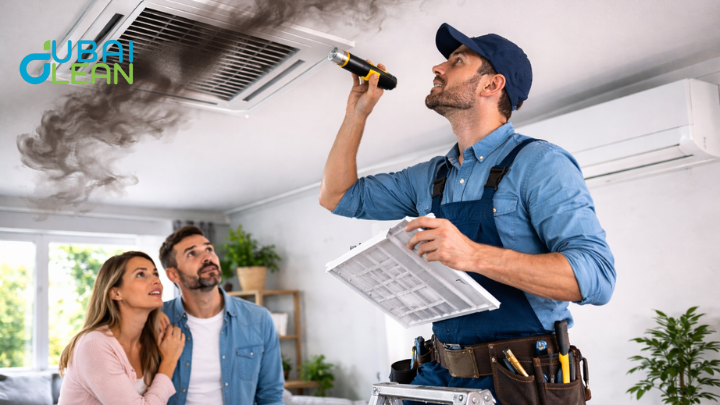
Step 1: Turn Off the AC and Unplug if Possible: Safety comes first. Immediately switch off your AC unit and disconnect it from the power source to prevent any electrical accidents or further damage.
Step 2: Inspect Vents and Filters for Visible Damage: Check all air vents and filters for discoloration, melted components, or signs of smoke. Dirty or clogged filters can sometimes overheat, creating a burnt smell from AC vent, so ensure they are clean or replaced.
Step 3: Check Electrical Connections and Motor Units: Look for frayed wires, loose connections, or overheating in the motor unit. Electrical faults are a common reason your AC vent smells like burning, and identifying them early can prevent serious hazards. If you are unsure, it’s safer to call a licensed HVAC technician rather than attempting complex repairs yourself.
Step 4: Assess Ductwork for Debris, Mold, or Burned Material: Inspect accessible ductwork for any debris, accumulated dust, or burned material. Mold or dust buildup on hot components can also contribute to burning smells. Cleaning ducts regularly helps prevent recurrence.
Safety Reminder: Never attempt major electrical repairs unless you are certified. Smoke or burning smells can indicate serious underlying issues that require professional intervention.
By following these steps, you can identify the source of the problem, reduce health risks, and protect your property from potential fire hazards.
4. DIY vs. Professional Solutions
When dealing with a burnt smell from AC vent or any unusual odors, it’s important to know which issues you can safely handle yourself and when professional help is necessary.
| Issue / Symptom | Possible Causes | Health & Safety Risks | DIY Solutions | Professional Action Needed |
| Burnt smell from AC vent | Overheating motors, faulty wiring, worn-out components | Fire hazard, electrical failure | Check filters, clean vents, remove debris | Inspect electrical components, repair wiring, replace motors |
| Burnt smell coming from AC vents | Dust/debris on coils or wiring, clogged filters | Reduced airflow, overheating, potential fire | Clean filters, vacuum vents | Deep cleaning of coils, professional maintenance |
| Smoke smell from AC vent | Electrical short circuits, burnt wires, motor issues | Fire hazard, smoke inhalation, property damage | Turn off AC, unplug unit, clear minor debris | Full system inspection, electrical repair, duct cleaning |
| AC vent smells like burning | Debris in ductwork, mold on hot components, faulty electrical parts | Health risks, fire, AC system damage | Replace filters, clean ducts, remove visible debris | Professional duct cleaning, motor inspection, wiring repair |
5. Preventing Burnt or Smoke Smells in AC Vents
Preventing a burnt smell from AC vent or an AC vent smells like burning starts with regular maintenance and simple precautions. Replace filters on time, clean vents and ducts, and schedule professional inspections to keep your system safe and efficient. Using surge protectors and ensuring proper duct installation can further reduce risks, helping maintain healthy indoor air and preventing costly repairs.
Regular AC Maintenance
Schedule professional inspections, cleaning, and servicing at least once or twice a year. Regular maintenance ensures that electrical components, motors, and coils are functioning correctly, helping to prevent overheating and unpleasant odors.
Replace Air Filters on Time
Air filters trap dust, debris, and allergens. When filters are clogged, airflow is restricted, causing your AC to overheat and potentially emit a burning smell. Replace filters according to manufacturer recommendations usually every 1–3 months depending on usage and environmental factors.
Use Surge Protectors and Avoid Overloading Circuits
Electrical issues are a major cause of burning smells in AC vents. Installing surge protectors and avoiding overloading electrical circuits can protect your AC from power surges that may damage wiring and components.
Ensure Proper Duct Installation and Sealing
Poorly installed or leaky ducts can allow dust to accumulate on hot components or reduce airflow, causing overheating. Sealing ducts properly and maintaining clean ductwork prevents debris buildup, ensuring your AC runs efficiently and safely.
By following these preventive measures, you can minimize the chances of a burnt smell from AC vent or other odors, while maintaining a safe and comfortable indoor environment for your home or office.
6. Health and Safety Considerations
Unusual smells from your AC vents, such as a burnt smell from AC vent or a smoke smell from AC vent, are not just unpleasant they can pose serious health and safety risks if ignored. Understanding these risks emphasizes why prompt action is essential.
Health Risks
Exposure to a burnt or smoke smell from AC vent can affect your health if ignored. These odors may cause respiratory irritation, headaches, or allergic reactions, especially for children, the elderly, or those with asthma. Understanding these risks helps you take prompt action to protect your indoor air quality and overall well-being.
- Respiratory irritation: Inhaling smoke, dust, or burnt particles can aggravate the lungs, causing coughing, shortness of breath, or irritation, particularly for children, the elderly, or individuals with asthma.
- Headaches and nausea: Prolonged exposure to smoke odors or overheating components can cause headaches and discomfort.
- Smoke inhalation: In severe cases, inhaling smoke from electrical faults can lead to more serious respiratory issues.
Fire Safety Risks
A persistent burning smell may indicate overheated wiring or faulty motors, which can escalate into a fire hazard. Addressing these warning signs immediately turning off the AC and contacting a licensed HVAC professional can prevent property damage and ensure the safety of everyone indoors.
Following HVAC Safety Standards
Professional HVAC guidelines, such as those recommended by ASHRAE (American Society of Heating, Refrigerating and Air-Conditioning Engineers) and local UAE electrical safety regulations, stress the importance of regular inspections, maintenance, and proper electrical handling. Adhering to these standards ensures that your AC system is safe, efficient, and reliable.
By recognizing the health and fire risks associated with AC vent smells and following recommended safety practices, you protect both your indoor environment and the well-being of your family or employees.
Conclusion
If you notice a burnt smell from AC vent or a smoke smell from AC vent, it’s important to act quickly to protect your home, office, and health. These odors often indicate overheating components, clogged filters, or electrical issues that can pose fire hazards and respiratory risks. Start by turning off your AC, inspecting vents and filters, and removing visible debris. For persistent smells or electrical problems, always call a licensed HVAC professional to ensure safe and effective repairs. Regular AC maintenance, timely filter replacement, and proper duct cleaning can prevent recurring odors and keep your system running efficiently. Prioritizing these steps safeguards your indoor environment, prevents damage, and ensures the comfort and safety of everyone indoors.