


Cleaning your AC unit regularly is more than just a maintenance task it’s essential for ensuring its long-term performance and efficiency. Over time, dust, dirt, and other particles can accumulate in different parts of your air conditioner, including the filters, condenser coils, and ducts. If left unchecked, this buildup can make your AC unit work harder, leading to reduced cooling performance, higher energy bills, and a shorter lifespan for your system. In this guide, we’ll highlight the importance of regular AC cleaning and the key benefits it provides, such as improved efficiency, better air quality, and the extended lifespan of your AC unit. By investing time in regular cleaning, you not only save money on repairs but also enjoy a more comfortable and healthier environment.
1. How to Clean AC Condenser
Cleaning your AC condenser is essential for maintaining optimal performance. Over time, debris and dirt can accumulate on the coils, reducing airflow and cooling efficiency. Regular cleaning ensures your AC runs smoothly, prevents strain on the system, and helps reduce energy consumption. To clean the condenser, carefully remove debris, use a soft brush to clean the coils, and rinse gently with water. This simple maintenance step will enhance your AC’s efficiency and prolong its lifespan.
Why Cleaning the AC Condenser is Important
The condenser plays a crucial role in your AC system’s operation. It plays a crucial role in the cooling process by releasing the heat absorbed from your indoor air to the outside environment. When air passes over the condenser coils, heat is transferred and released. If these coils become dirty or clogged, the heat exchange process becomes less efficient, making your AC unit work harder to cool your space.
Effects of Neglecting Condenser Maintenance:
Neglecting condenser maintenance can have serious consequences for your AC system. When dirt and debris block airflow, the unit has to work harder, which reduces cooling efficiency and increases energy consumption. This added strain on the system can cause the compressor to overheat, leading to costly repairs or even system failure. Additionally, poor maintenance shortens the lifespan of your AC, making it harder to maintain a comfortable indoor temperature. Regular cleaning helps prevent these issues, ensuring your AC runs smoothly and lasts longer.
- Reduced cooling efficiency
- Increased energy consumption
- Overheating and potential damage to the compressor
- Shortened lifespan of the unit
By cleaning the condenser regularly, you ensure that it operates efficiently, saving both energy and money while extending the life of your AC unit.
Step-by-Step Guide to Cleaning the AC Condenser
Regular AC condenser cleaning in Dubai is essential to keep your cooling system running efficiently. A dirty condenser can block airflow, increase energy consumption, and put extra strain on the unit. By following this simple air conditioner maintenance guide, you can safely clean the coils, remove debris, and improve your AC’s overall performance while extending its lifespan.
- Turn Off the AC Unit: Always disconnect the power before starting.
- Remove Debris: Clear leaves, dirt, and other obstructions around the condenser.
- Brush the Coils Gently: Use a soft brush to clean the coils without bending the fins.
- Apply Coil Cleaner: For stubborn dirt or grease, use a commercial coil cleaner.
- Rinse with Water: Use a low-pressure hose to rinse the coils safely.
- Reconnect Power and Test: Turn the AC back on and check airflow and cooling efficiency.
2. AC Deep Cleaning: Tips for a Thorough Maintenance Routine
AC deep cleaning is essential for maintaining optimal performance and preventing long-term damage. It goes beyond simple filter changes, focusing on the internal components of the unit. Regular deep cleaning removes dust, mold, and bacteria that can accumulate in hard-to-reach areas like the coils, fan blades, and ducts. To ensure thorough cleaning, start by replacing or washing the filter, clean the evaporator and condenser coils, and flush the drain line. Don’t forget to remove debris around the outdoor unit. Regular deep cleaning improves airflow, enhances cooling efficiency, and prolongs the life of your AC.
What is AC Deep Cleaning?
AC deep cleaning is a comprehensive maintenance process that goes beyond the usual filter and coil cleaning. It involves thoroughly cleaning all the components of your air conditioner to enhance airflow, boost performance, and prevent long-term damage. This routine ensures that your AC operates at its best, offering efficient cooling and improved air quality.
Why Deep Cleaning Your AC is Necessary
Deep cleaning your AC is crucial for maintaining its efficiency and longevity. Over time, dust, dirt, and moisture accumulate in hard-to-reach areas like the coils, fan blades, and ducts. This buildup can reduce airflow, cause mold and bacteria growth, and strain the system, leading to decreased cooling performance and higher energy costs. Regular deep cleaning removes these contaminants, improving air quality, preventing breakdowns, and enhancing the overall performance of your AC. A well-maintained system runs smoother, uses less energy, and lasts longer.
- Over time, dust, dirt, and moisture can accumulate in parts of your AC that are hard to reach, such as the coils, fan blades, and ducts. Regular deep cleaning removes this buildup, preventing it from circulating in your home.
- Cleaning the internal components reduces the likelihood of malfunctions, ensuring the unit doesn’t have to work harder and become overstrained. Preventive maintenance minimizes the risk of costly repairs or breakdowns in the future.
Step-by-Step Guide for Deep Cleaning Your AC
Deep cleaning your AC ensures it operates efficiently and lasts longer. It involves cleaning the air filter, evaporator and condenser coils, fan blades, and flushing the drain line. Removing debris around the outdoor unit also helps maintain proper airflow. Regular deep cleaning improves cooling performance, air quality, and reduces energy consumption, preventing costly breakdowns and repairs.
- Clean and Replace the Air Filter: Start by removing the air filter from the unit. If it’s reusable, clean it with mild soap and water, or replace it if it’s too dirty or damaged. A clean filter ensures that your AC system runs efficiently and maintains good air quality.
- Remove any dust or debris from the coils and fan blades to maintain proper airflow: Dust and debris can accumulate on the evaporator and condenser coils, as well as the fan blades. Gently remove accumulated dirt and debris using a soft brush or a vacuum with a brush head attachment. This improves airflow and prevents clogging.
- Clean the Condenser and Evaporator Coils Thoroughly: Apply a coil cleaner and gently scrub both the condenser and evaporator coils using a soft brush. Be sure to remove any dirt, mold, or grime from the coils to ensure efficient heat exchange and cooling.
- Flush the Drain Line to Prevent Clogs: A clogged drain line can lead to water buildup, which can cause mold and mildew growth. Flush the drain line with warm water to ensure it’s clear. You can also use a wet/dry vacuum to remove any debris from the drain pan.
- Clean the Exterior Unit and Surrounding Area: Remove any debris, leaves, or dirt around the exterior unit. Keeping the area clean and clear improves airflow and ensures that the condenser can function effectively.
- Test the System for Optimal Performance: Once everything is cleaned, reassemble the AC unit and turn it on. After cleaning, check the system to verify that it’s operating correctly and efficiently. Ensure that the unit is cooling effectively, airflow is unobstructed, and listen for any unusual sounds.
3. Steps to Clean the Inside of Your AC Unit
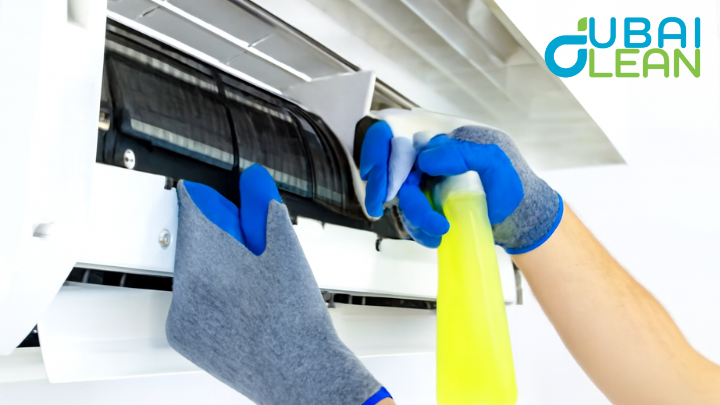
Cleaning the inside of your AC unit is vital for maintaining its performance and air quality. Start by turning off the power and unplugging the unit. Remove and clean or replace the filter to ensure proper airflow. Use a vacuum with a soft brush attachment to gently clean the evaporator coils, fan, and surrounding components. Clean the drain pan to avoid water buildup, and flush the drain line to prevent clogs. Finally, reassemble the unit, plug it back in, and test to ensure everything is functioning properly. Regular interior cleaning helps prevent mold growth, enhances cooling, and improves air quality.
Cleaning the interior of your AC unit
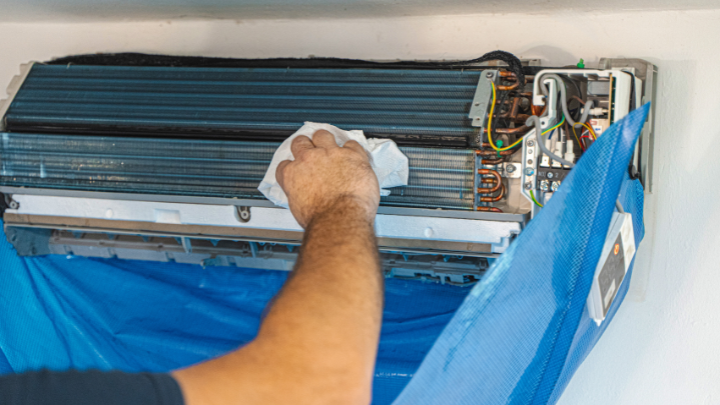
Cleaning the inside of your AC unit is crucial for maintaining optimal performance and ensuring clean, healthy air. Over time, dust, dirt, and debris accumulate inside the unit, particularly on the evaporator coils and filters. This buildup can reduce the system’s efficiency and, if left untreated, lead to serious problems like mold and bacteria growth.
Removing Dust and Debris from Evaporator Coils: The evaporator coils are responsible for absorbing heat from your indoor air. Dust and debris on the coils can hinder their ability to absorb heat, leading to reduced cooling efficiency.
Preventing Mold and Bacteria Growth: Moisture buildup in the AC unit can lead to the growth of mold and bacteria, which can spread into the air and impact your indoor air quality. Regular cleaning helps prevent this issue and ensures the air you breathe is safe and clean.
Step-by-Step Guide to Cleaning the AC Unit Inside
- Turn off the AC and Unplug It: Always switch off your AC and unplug it to avoid any electrical accidents during cleaning.
- Remove the Filter and Clean or Replace It: Remove the filter from the unit and either vacuum it or wash it with mild soap and water (depending on the type). When the filter is heavily soiled or worn out, it’s advisable to swap it for a new one.
- Vacuum the Interior of the AC Unit: Use a vacuum with a soft brush attachment to gently clean the interior of the AC, including the evaporator coils, fan, and surrounding areas. Be sure not to damage any delicate components.
- Use a vacuum with a soft brush attachment to gently clean the interior of the AC, including the evaporator coils, fan, and surrounding areas. Be sure not to damage any delicate components.
- Clean the Evaporator Coils with a Coil Cleaner: Apply a coil cleaner to the evaporator coils to remove any grime, dust, or mold. Follow the product instructions carefully, and let the cleaner sit for a few minutes before rinsing.
- Clear the Drain Pan and Drain Line to Avoid Water Buildup: Check the drain pan for any water accumulation and clean it to prevent mold and mildew growth. Use a wet/dry vacuum or a cloth to absorb any excess water in the drain pan. Ensure the drain line is clear by flushing it with warm water.
- Reassemble the Unit and Test It: Once everything is cleaned, reassemble the unit, plug it back in, and turn it on. After cleaning, run the AC to check if it’s operating efficiently and without any issues.
Best Practices for Regular Interior Cleaning
Regular interior cleaning of your AC unit is key to maintaining its efficiency and air quality. Clean or replace the filter every 1-3 months, vacuum the interior components, and check for mold or bacteria. Clear the drain line periodically and schedule professional cleaning every 1-2 years to ensure thorough maintenance. These practices improve performance, prevent breakdowns, and extend the lifespan of your AC system.
- Set a Cleaning Schedule Every 6 Months: It’s important to establish a regular cleaning routine for your AC unit to keep it performing at its best. Aim to clean the inside of your unit at least twice a year—once before the cooling season begins and again after it ends. This schedule helps prepare the system for heavy use during summer and clears out any dust or debris that may have built up after months of operation. Regular maintenance like this not only ensures smooth performance but also helps prevent unexpected breakdowns and costly repairs.
- Use High-Quality Filters and Replace Them Regularly: Your AC filter plays a vital role in maintaining both air quality and system efficiency. Choosing a high-quality filter ensures better trapping of dust, pollen, allergens, and even small particles that can circulate in your indoor air. To maintain peak performance, make it a habit to replace or clean your filters every 1–3 months, depending on usage and the environment. Clean filters not only improve indoor air quality but also reduce strain on your AC system, helping it cool more effectively and use less energy.
4. Conclusion
Regular cleaning of your AC is essential for improving its efficiency, reducing energy costs, and enhancing air quality. By maintaining clean condenser coils, filters, and interior components, you ensure optimal cooling performance and extend the lifespan of your system. Following the cleaning steps in this guide helps maintain a well-functioning AC unit.
For a more thorough clean, especially for deep cleaning hard-to-reach areas, hiring a professional is highly recommended. Professionals possess the necessary tools and expertise to perform a comprehensive clean, preventing costly breakdowns and improving overall performance.
Prioritize regular cleaning and maintenance to keep your AC running efficiently for years. This proactive approach will save you money on repairs and replacements while ensuring your home or office remains cool and comfortable.