


Nothing is more frustrating than turning on your air conditioner on a hot day, only to find it blowing warm air instead of cool relief. If your AC is blowing hot air, there could be several reasons behind this issue. Fortunately, with the right HVAC troubleshooting steps, you can often diagnose and fix the problem yourself. In this article, we will discuss the most common causes of an AC unit blowing warm air, provide a step-by-step troubleshooting guide, and offer preventative maintenance tips to avoid future issues. If you are in Dubai and need professional assistance, DubaiClean offers expert AC repair services to get your cooling system back on track.
Common Causes of an AC Blowing Hot Air
1. Thermostat Issues
If your central air isn’t working properly, the thermostat could be the issue. Ensure it is set to “cool” mode and that the temperature is lower than the current room temperature. Incorrect settings can prevent the AC from cooling effectively. A miscalibrated thermostat may also cause temperature discrepancies, making the system run inefficiently. If the thermostat isn’t functioning correctly, try replacing the batteries or resetting it. Dirt and dust buildup can also interfere with its performance. If problems persist, consider upgrading to a programmable thermostat or consulting a professional to diagnose and fix any calibration or wiring issues.
2. Dirty or Clogged Air Filters
Dirty or clogged air filters can restrict airflow in an AC unit, reducing cooling efficiency and potentially causing the evaporator coil to freeze. When airflow is blocked, the system works harder, leading to higher energy consumption and possible damage. To maintain proper airflow and performance, replace air filters every 1-3 months. If you have pets or live in a dusty environment, more frequent changes may be necessary. Regular filter maintenance helps improve indoor air quality, extends the lifespan of the AC system, and ensures optimal cooling efficiency, preventing costly repairs and maintaining a comfortable home environment.
3. Refrigerant Problems
Refrigerant is crucial for an AC to cool effectively, and a leak can cause it to blow hot air. Common signs of a refrigerant leak include hissing noises from the unit, ice buildup on evaporator coils, and reduced cooling efficiency. Since refrigerant is a chemical that requires proper handling, attempting to fix it without expertise can be dangerous. If you notice these issues, it’s best to contact a professional HVAC technician. They can safely diagnose the problem, repair the leak, and recharge the system with the correct refrigerant level to restore your AC’s cooling performance efficiently and safely.
4. Electrical or Power Issues
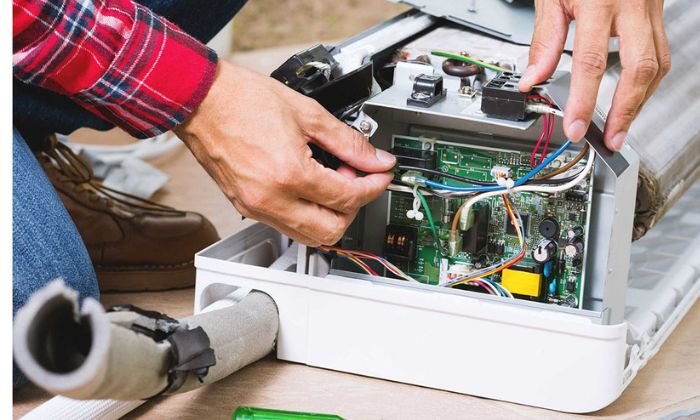
Electrical problems can cause AC malfunctions. A tripped circuit breaker can cut power to the unit, while blown fuses or damaged wiring may disrupt its function. Another common issue is a faulty AC capacitor, which can prevent the compressor from running. If your AC fan is operating but no cold air is coming out, electrical components might be the culprit. Regularly checking these components can help diagnose and resolve power-related problems before they lead to more significant damage. If you’re unsure how to inspect or fix these issues, consulting a professional technician is the best approach to ensure safe repairs.
5. Dirty or Blocked Condenser Unit
The outdoor condenser unit is essential for cooling, but dirt, leaves, or debris can obstruct airflow, making it harder to release heat efficiently. This can lead to warm air output instead of proper cooling. Regularly cleaning the condenser and keeping the surrounding area clear ensures optimal performance. When airflow is restricted, the system must work harder, reducing efficiency and increasing energy consumption. A clogged condenser can also lead to overheating and potential system failure. To maintain peak performance, inspect the unit frequently, remove any obstructions, and consider professional maintenance if cooling issues persist despite regular cleaning efforts.
6. Frozen or Dirty Evaporator Coils
Frozen or dirty evaporator coils can cause your AC to blow warm air because they cannot absorb heat effectively. Ice buildup on the coils restricts airflow and reduces cooling efficiency. If you notice ice forming, turn off the AC and allow it to melt completely before restarting. To prevent this issue, regularly clean the coils and ensure proper airflow by keeping filters clean and vents unblocked. Dirt and dust accumulation can also contribute to freezing, making routine maintenance essential. Addressing this problem early can help maintain your AC’s efficiency and prevent costly repairs or system failure in the future.
7. Faulty Compressor
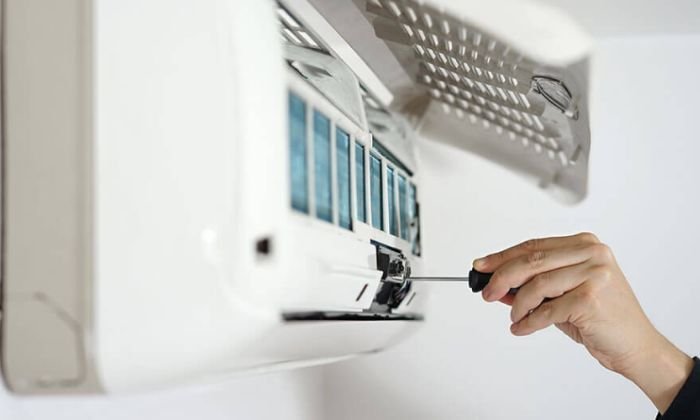
The compressor is essential for an AC system to function efficiently. If it becomes faulty, your AC may run but fail to cool properly. Signs of a failing compressor include unusual noises, excessive vibrations, and rising energy bills due to inefficiency. A damaged compressor struggles to circulate refrigerant, leading to poor cooling performance. Over time, wear and tear, electrical issues, or refrigerant imbalances can cause it to break down completely. Since compressor repairs involve complex components and high-pressure refrigerants, professional expertise is often required. Ignoring the issue may result in costly replacements or further damage to the entire system.
Step-by-Step Troubleshooting Guide
1. Check and Adjust Thermostat Settings
Make sure your thermostat is set to “cool” mode and lower the temperature setting to see if the air conditioning starts working. If the AC doesn’t turn on or isn’t cooling properly, check the thermostat batteries and replace them if necessary. A malfunctioning thermostat can prevent the AC from functioning efficiently. If adjustments don’t solve the issue, consider resetting the thermostat or referring to the user manual for troubleshooting. Ensuring the thermostat is properly configured is a simple yet crucial step in maintaining your cooling system’s performance and comfort levels, especially during hot weather.
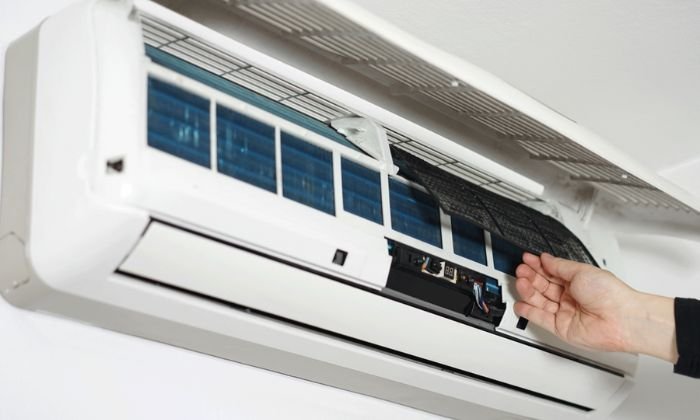
2. Inspect and Replace Air Filters
Before inspecting the air filter, turn off the AC to ensure safety. Carefully remove the filter and check for dirt, dust, or clogs. A dirty or clogged filter can reduce airflow, strain the system, and lower efficiency. If the filter appears soiled, replace it with a new one to maintain optimal performance. Regularly changing the filter improves air quality and extends the lifespan of the AC unit. A clean filter ensures better cooling, prevents overheating, and reduces energy consumption. Routine maintenance like this keeps the system running smoothly and enhances indoor air quality for a healthier living environment.
3. Examine the Outdoor Condenser Unit
To ensure optimal performance, inspect the outdoor condenser unit regularly. Remove any debris, such as leaves, dirt, or branches, from around the unit to maintain proper airflow. A blocked unit can cause overheating and reduce efficiency. Additionally, clean the condenser coils using a gentle water spray to remove dust and grime buildup. Avoid using high-pressure water, as it may damage the fins. Keeping the coils clean enhances heat dissipation, improving cooling efficiency and extending the unit’s lifespan. Regular maintenance of the outdoor condenser helps prevent costly repairs and ensures your HVAC system runs smoothly throughout the year.
4. Reset Circuit Breakers and Check Power Supply
If your AC isn’t working, check the circuit breaker panel to see if the breaker has tripped. A tripped breaker can cut power to your unit, preventing it from running. Locate the breaker that controls the AC, switch it off, then turn it back on to reset it. After resetting, try turning the AC on again to see if it starts working. If the breaker trips repeatedly, it could indicate an electrical issue requiring professional attention. Also, ensure the power supply to the unit is intact, as disruptions can prevent proper operation. Regular maintenance helps avoid such issues.
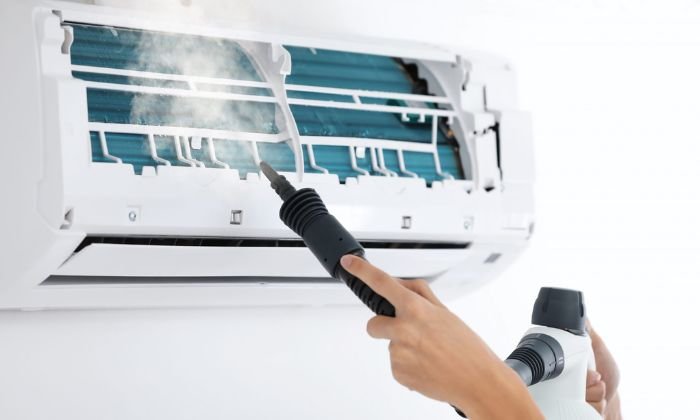
5. Look for Ice on the Evaporator Coils
If your AC isn’t cooling properly, check for ice on the evaporator coils. Ice buildup restricts airflow and reduces efficiency. Turn off the unit to let the ice melt completely before restarting it. Poor airflow is a common cause, so ensure vents are open and filters are clean. Clogged filters or blocked vents can lead to coil freezing by restricting warm air from reaching the coils. Regular maintenance, including replacing air filters and keeping the vents unblocked, prevents ice formation and keeps your AC running efficiently. If the problem persists, a technician may need to inspect refrigerant levels.
6. Check for Refrigerant Leaks
If your air conditioner isn’t cooling properly, check for refrigerant leaks. Signs include hissing sounds, ice buildup on the coils, and a noticeable drop in cooling efficiency. A refrigerant leak can strain your AC, leading to higher energy bills and potential system failure. Since refrigerants are hazardous and require professional handling, it’s essential to call an HVAC technician if you suspect a leak. They can perform a thorough inspection, detect the leak, and recharge the system safely. Ignoring a leak can damage your AC over time, so addressing the issue promptly ensures better performance and longevity.
7. Test the Compressor
To test the AC compressor, start by listening for any unusual noises that may indicate a problem. If the AC fan is running but no cold air is being produced, the compressor could be malfunctioning. A faulty compressor can prevent the cooling system from working efficiently. In such cases, basic troubleshooting like checking for electrical issues or resetting the system might help. However, if the problem persists, professional repair or replacement may be necessary. Since the compressor is a crucial component of the AC system, addressing issues promptly can prevent further damage and restore proper cooling performance.
Preventative Maintenance Tips to Avoid Future Issues
Regular maintenance can help prevent AC problems and ensure your cooling system works efficiently.
1. Regularly Change Air Filters
To maintain clean air and ensure efficient HVAC performance, replace air filters every 1-3 months. Over time, dust, allergens, and debris accumulate, restricting airflow and reducing efficiency. A clogged filter forces the system to work harder, increasing energy consumption and potentially leading to costly repairs. Regularly changing the filter improves indoor air quality, enhances airflow, and extends the lifespan of your HVAC unit. It also helps prevent allergens from circulating, creating a healthier environment. Choosing high-quality filters designed for your system can further improve efficiency. Staying consistent with this simple maintenance task ensures optimal performance and long-term savings.
2. Schedule Annual AC Tune-Ups
Scheduling annual AC tune-ups ensures your system runs efficiently and lasts longer. A professional technician inspects and cleans key components, identifies wear and tear, and addresses minor issues before they turn into costly repairs. Regular maintenance improves cooling performance, enhances energy efficiency, and prevents unexpected breakdowns during peak summer months. It also ensures better indoor air quality by keeping filters and coils clean. Neglecting tune-ups can lead to reduced efficiency, higher energy bills, and premature system failure. Investing in yearly inspections helps maintain optimal performance, providing consistent comfort while extending the lifespan of your air conditioning unit.
3. Keep the Condenser Unit Clean
Regularly cleaning your air conditioner’s condenser unit is essential for maintaining efficiency and performance. Over time, dirt, leaves, and debris can accumulate around the unit, restricting airflow and causing the system to work harder. To prevent this, remove any debris and clean the condenser coils with a soft brush or a hose. Ensuring the unit remains free of obstructions allows for proper heat exchange, improving cooling efficiency and reducing energy consumption. Regular maintenance not only extends the lifespan of your air conditioner but also helps prevent costly repairs, keeping your home comfortable and your energy bills lower.
4. Monitor Refrigerant Levels and Airflow
If your AC isn’t cooling efficiently, low refrigerant levels or restricted airflow could be the issue. Refrigerant is essential for absorbing and releasing heat, so inadequate levels can reduce cooling performance. A professional should inspect and recharge the refrigerant if needed, ensuring proper pressure and preventing leaks. Blocked or dirty air filters, ducts, or vents can also restrict airflow, making the system work harder and less efficiently. Regular maintenance, including checking refrigerant levels and cleaning filters, helps maintain peak performance. Addressing these issues promptly can extend your AC’s lifespan, improve efficiency, and reduce energy costs.
When to Call a Professional HVAC Technician
If you have tried the troubleshooting steps and your AC is still blowing hot air, it’s time to call a professional. At DubaiClean, we provide expert AC repair services in Dubai to diagnose and fix all types of AC issues, from refrigerant leaks to compressor failures. Our skilled technicians ensure your AC is running efficiently and keeping your home cool.
Conclusion
An AC blowing hot air can be caused by thermostat issues, dirty filters, refrigerant leaks, power problems, or compressor failure. By following a step-by-step troubleshooting guide, you can often fix the issue yourself. However, regular maintenance and timely professional assistance from DubaiClean can help prevent recurring problems. If your AC is still not cooling properly, don’t hesitate to contact DubaiClean for reliable AC repair services in Dubai.
Frequently Asked Questions
Why is my AC blowing hot air instead of cold?
Your AC could be blowing hot air due to incorrect thermostat settings, low refrigerant levels, a dirty air filter, or issues with the compressor. Checking these components can help identify the problem.
How do I fix my AC if it’s blowing hot air?
Start by ensuring the thermostat is set to “cool” and at the desired temperature. Check and replace dirty air filters, reset circuit breakers, and clean the outdoor unit. If the issue persists, it may require professional repair.
Can a dirty air filter cause my AC to blow warm air?
Yes, a clogged air filter restricts airflow, making it harder for your AC to cool properly. This can cause overheating and may result in the system blowing warm air.
What should I do if my AC is low on refrigerant?
If your AC is low on refrigerant, it likely has a leak. Since handling refrigerant requires special equipment and certification, it’s best to call an HVAC professional to fix the leak and recharge the system.
Can resetting my AC fix the problem?
Sometimes, resetting the AC by turning it off at the thermostat, flipping the circuit breaker, and turning it back on after a few minutes can resolve minor issues like electrical glitches.